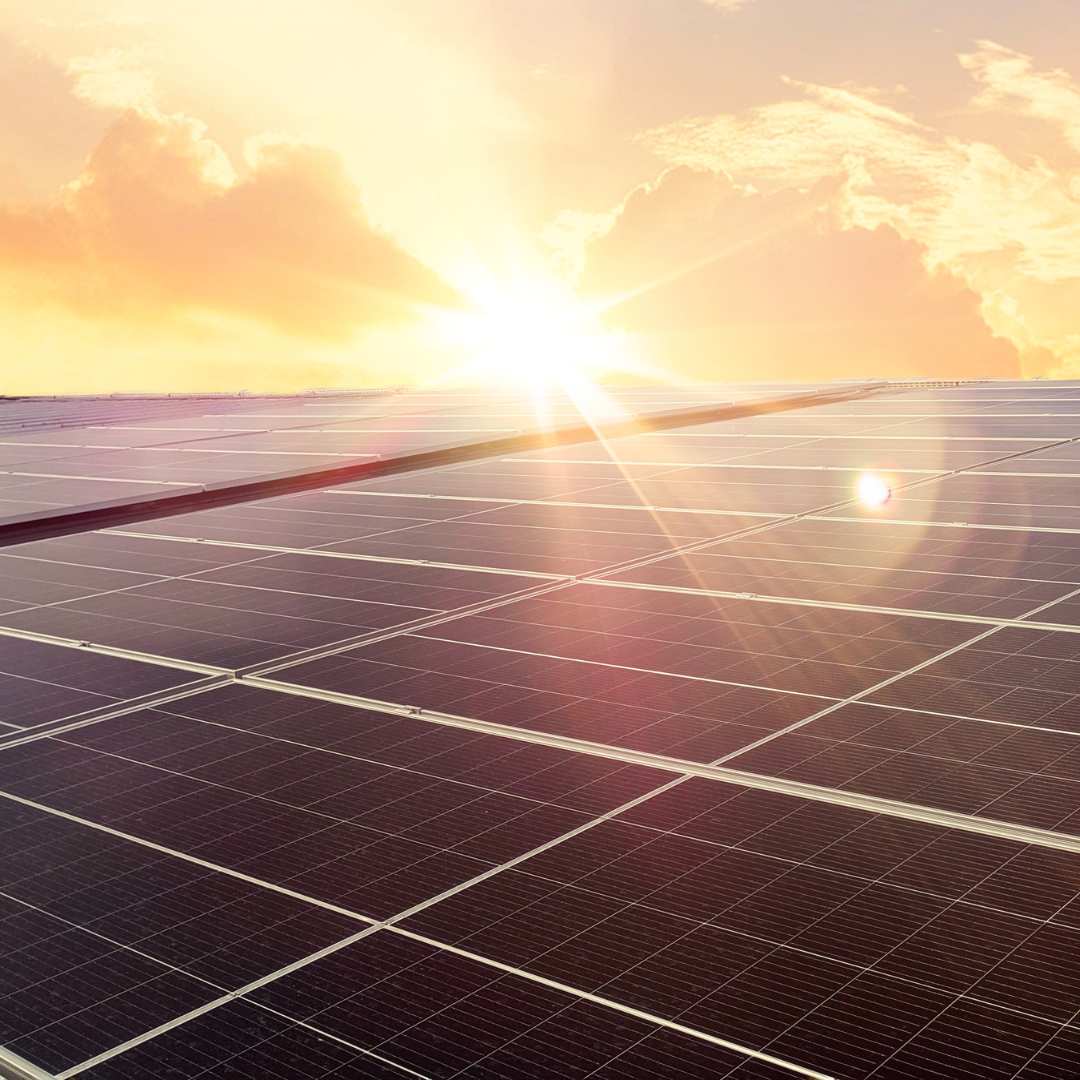
Anti-Dust Solar Panel Technology: A Smart Solution for Deserts
Desert regions, with their intense sunlight, are highly potential locations for solar energy development. However, a major challenge is the accumulation of dust on solar panels, which can reduce the efficiency of electricity generation. To address this issue, researchers continue to develop innovative anti-dust solar panel technology. Why is Dust a Major Problem for Solar Panels in Deserts? Dust that settles on the surface of solar panels blocks sunlight from reaching the solar cells. As a result, the conversion of sunlight into electricity becomes less efficient. The thicker the dust layer, the greater the reduction in solar panel efficiency. Anti-Dust Solar Panel Technology Several anti-dust solar panel technologies have been developed to address this issue, including: Benefits of Anti-Dust Solar Panel Technology Challenges and Future Development Although anti-dust solar panel technology has shown promising results, there are still some challenges to overcome, such as: Research and development continue to address these challenges. In the future, it is hoped that anti-dust solar panel technology will become more efficient, affordable, and easier to implement. Anti-dust solar panel technology is a highly promising solution to improve the efficiency of solar power generation in desert regions. As this technology continues to evolve, we are moving closer to a sustainable future where clean energy becomes the primary source of power. Source:https://tekno.tempo.co/read/274852/teknologi-mars-untuk-menjaga-panel-surya-bebas-debu