
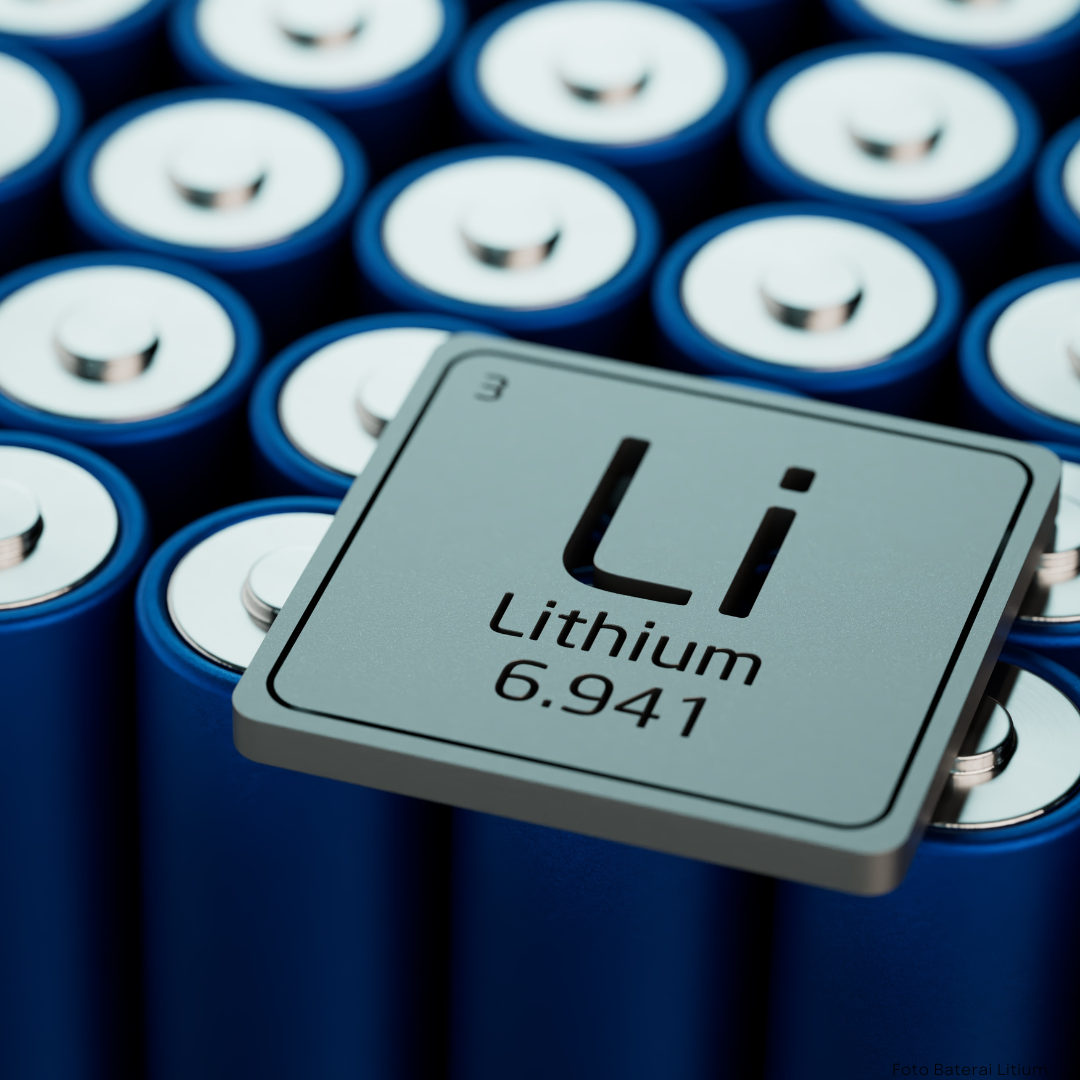
Lithium Batteries: The Key to the Future of Renewable Energy
The development of renewable energy technology has been advancing rapidly in recent years. One of the key components driving the growth of renewable energy is lithium batteries. These batteries have become a popular choice for storing energy generated from sources such as solar and wind power.
Why Lithium Batteries?
Lithium batteries offer several advantages that make them ideal for renewable energy applications:
- High Energy Density: Lithium batteries can store a large amount of energy in a relatively small size, making them perfect for portable applications and compact energy storage systems.
- Good Cycle Durability: Lithium batteries can undergo repeated charging and discharging without significant loss of capacity.
- High Efficiency: Lithium batteries have high energy efficiency, reducing energy loss during charging and discharging processes.
- High Safety Standards: Modern technology has improved the safety of lithium batteries, minimizing the risks of fires or explosions.
The Role of Lithium Batteries in Renewable Energy
- Energy Storage: Lithium batteries are used to store excess energy generated from solar panels or wind turbines during times when energy production exceeds demand. The stored energy can then be used when production drops, such as during nighttime.
- Off-Grid Systems: Lithium batteries allow communities in remote areas that are not connected to the electricity grid to utilize renewable energy.
- Electric Vehicles: Lithium batteries are a key component in electric vehicles, which are becoming an increasingly popular and environmentally friendly alternative to fossil fuel-powered vehicles.
- Smart Grids: Lithium batteries can be integrated into smart grids to help balance electricity supply and demand.
Challenges and the Future
Although lithium batteries have many advantages, their use also faces several challenges, such as:
- Cost: The production cost of lithium batteries is still relatively high, although it continues to decrease with rising demand and technological advancements.
- Lithium Availability: The availability of lithium, the primary raw material for lithium batteries, is a concern, especially in the long term.
- Recycling: The development of effective recycling systems for lithium batteries is crucial to reduce environmental impact.
The future of lithium batteries looks promising. Research continues to improve performance, reduce costs, and develop more environmentally friendly lithium batteries. Additionally, new types of batteries, such as sodium-ion batteries, are emerging with the potential to offer more sustainable alternatives.
Lithium batteries have become a key component in driving the growth of renewable energy. Their advantages in energy density, durability, and efficiency make them highly suitable for a variety of applications. Although challenges remain, the future of lithium batteries is bright in supporting the transition to clean and sustainable energy.