Teknokrat Green Campus

Portable Solar Technology: The Energy Solution for Your Adventures

Who says enjoying the great outdoors means leaving behind comfort? With technological advancements, we can now bring clean and reliable energy sources with us while adventuring. One such solution is portable solar technology. These practical mini solar panels can convert sunlight into electricity, allowing you to charge your gadgets and enjoy various electronic devices even in the wild. Why Choose Portable Solar Panels? Advantages of Portable Solar Panels for Hiking and Camping Tips for Choosing a Portable Solar Panel Recommended Uses Examples of Portable Solar Products Portable solar panels are a great investment for adventurers. With this technology, you can enjoy the outdoors without worrying about running out of power. Additionally, using solar panels contributes to environmental preservation. Source: https://zonaebt.com/panel-surya/panel-surya-portabel-energi-terbarukan-untuk-aktivitas-luar-ruangan/

Solar Panels for Open Sports Hall Roofs: A Clean and Cost-Effective Energy Solution

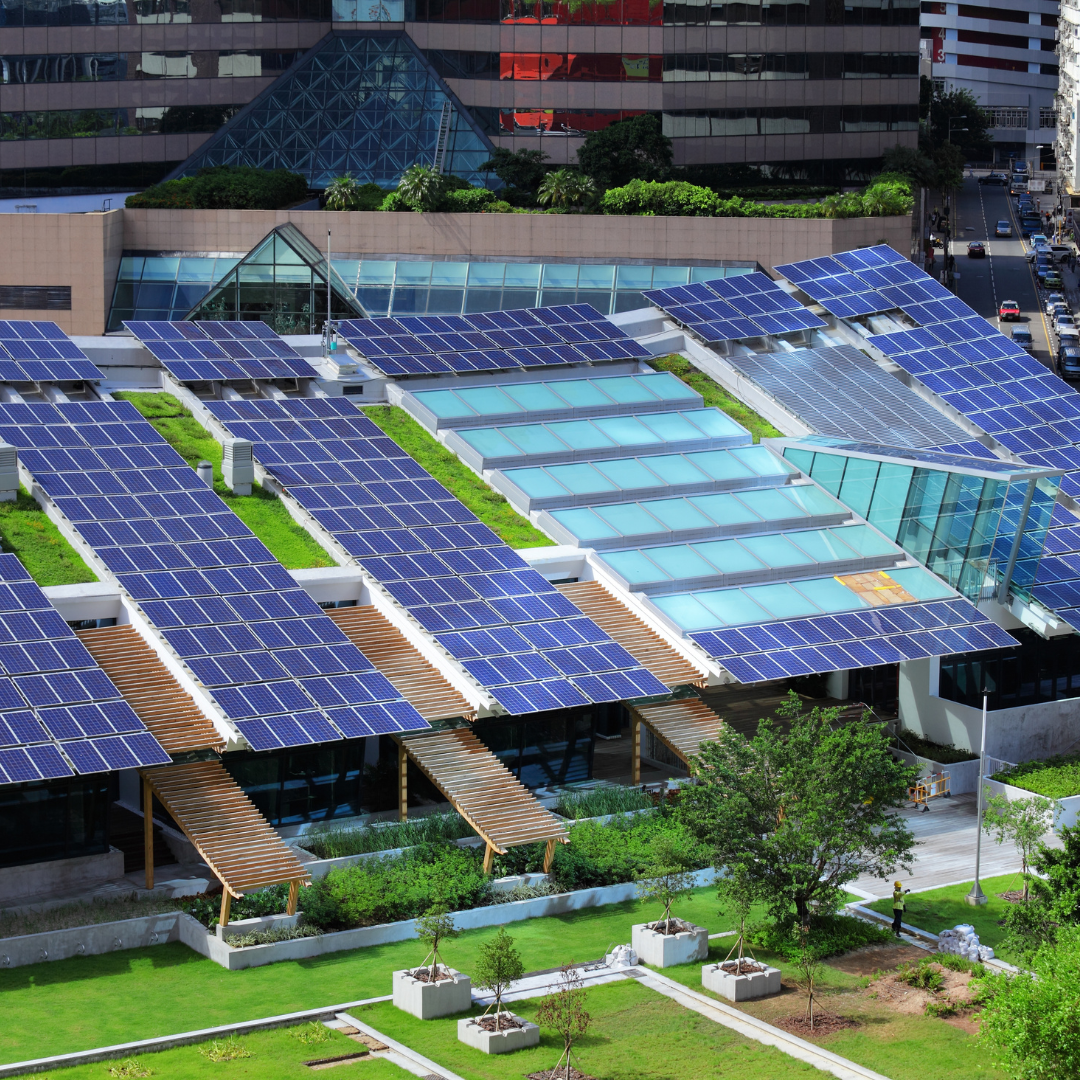
Open sports halls, with their large roof areas, present a great opportunity to be utilized as solar power generation (SPG) sites. Installing solar panels on the roof of sports halls not only contributes to reducing carbon emissions but can also result in significant operational cost savings. Why Choose Solar Panels for Open Sports Halls? Special Considerations for Installing Solar Panels on Open Sports Hall Roofs Types of Suitable Solar Panels Additional Benefits Successful Case Studies [Include examples of sports halls that have successfully implemented rooftop solar power systems, such as famous stadiums or fitness centers.] Installing solar panels on the roof of open sports halls is a long-term investment that offers significant benefits. In addition to making a positive contribution to the environment, it can also reduce operational costs and enhance the building’s public image. Sumber : (https://atonergi.com/cara-efektif-penempatan-panel-surya-di-atap-gedung/)

Nanotechnology: The Key to Future Solar Cell Efficiency

The development of renewable energy technologies, especially solar cells, is progressing rapidly. One promising innovation aimed at improving the efficiency of solar cells is the use of nanotechnology. By manipulating materials at the atomic and molecular scale, nanotechnology opens up opportunities to design new materials with enhanced properties, which can significantly improve the performance of solar cells. What is Nanotechnology? Nanotechnology is a branch of science that focuses on manipulating materials at the nanometer scale (one billionth of a meter). At this scale, the properties of materials can differ significantly from those at larger scales. This enables scientists to design materials with tailored properties for specific applications, including solar cells. How Does Nanotechnology Enhance Solar Cell Efficiency? Examples of Nanotechnology in Solar Cells Challenges and the Future Despite the great potential of nanotechnology to enhance solar cell efficiency, several challenges remain, such as: Nanotechnology has paved the way for the development of solar cells with higher efficiency and lower costs. With ongoing research and development, nanotechnology is expected to play an increasingly important role in the transition to clean energy. Sumber : https://siedoo.com/berita-45020-nanoteknologi-dalam-konversi-energi-memanfaatkan-material-nano-untuk-meningkatkan-efisiensi-sel-surya/

VR and AR Applications: The Revolution in Workforce Training for the Green Energy Sector

The development of virtual reality (VR) and augmented reality (AR) technologies has transformed the way we learn and work. One sector that has seen a significant impact from these technologies is the green energy sector. Through immersive simulations and interactive data visualizations, VR and AR open new opportunities for workforce training in renewable energy. What are VR and AR? Applications of VR and AR in Green Energy Training Benefits of Using VR and AR in Green Energy Training Challenges and the Future Despite offering many benefits, the application of VR and AR in green energy training still faces challenges, such as high device costs and the limited availability of high-quality content. However, with the rapid advancement of technology, these challenges are expected to be overcome soon. VR and AR have immense potential to revolutionize workforce training in the green energy sector. With immersive simulations and interactive data visualizations, these technologies can enhance the quality and efficiency of training, preparing workers to tackle the challenges of the future. VR and AR Applications: The Revolution in Workforce Training for the Green Energy Sector The development of virtual reality (VR) and augmented reality (AR) technologies has transformed the way we learn and work. One sector that has seen a significant impact from these technologies is the green energy sector. Through immersive simulations and interactive data visualizations, VR and AR open new opportunities for workforce training in renewable energy. What are VR and AR? Applications of VR and AR in Green Energy Training Benefits of Using VR and AR in Green Energy Training Challenges and the Future Despite offering many benefits, the application of VR and AR in green energy training still faces challenges, such as high device costs and the limited availability of high-quality content. However, with the rapid advancement of technology, these challenges are expected to be overcome soon. VR and AR have immense potential to revolutionize workforce training in the green energy sector. With immersive simulations and interactive data visualizations, these technologies can enhance the quality and efficiency of training, preparing workers to tackle the challenges of the future. Sumber : https://lookmedia.co.id/virtual-reality-augmented-reality/

Integration of Electric Vehicles with Smart Grids Based on Renewable Energy: Towards a Greener Future

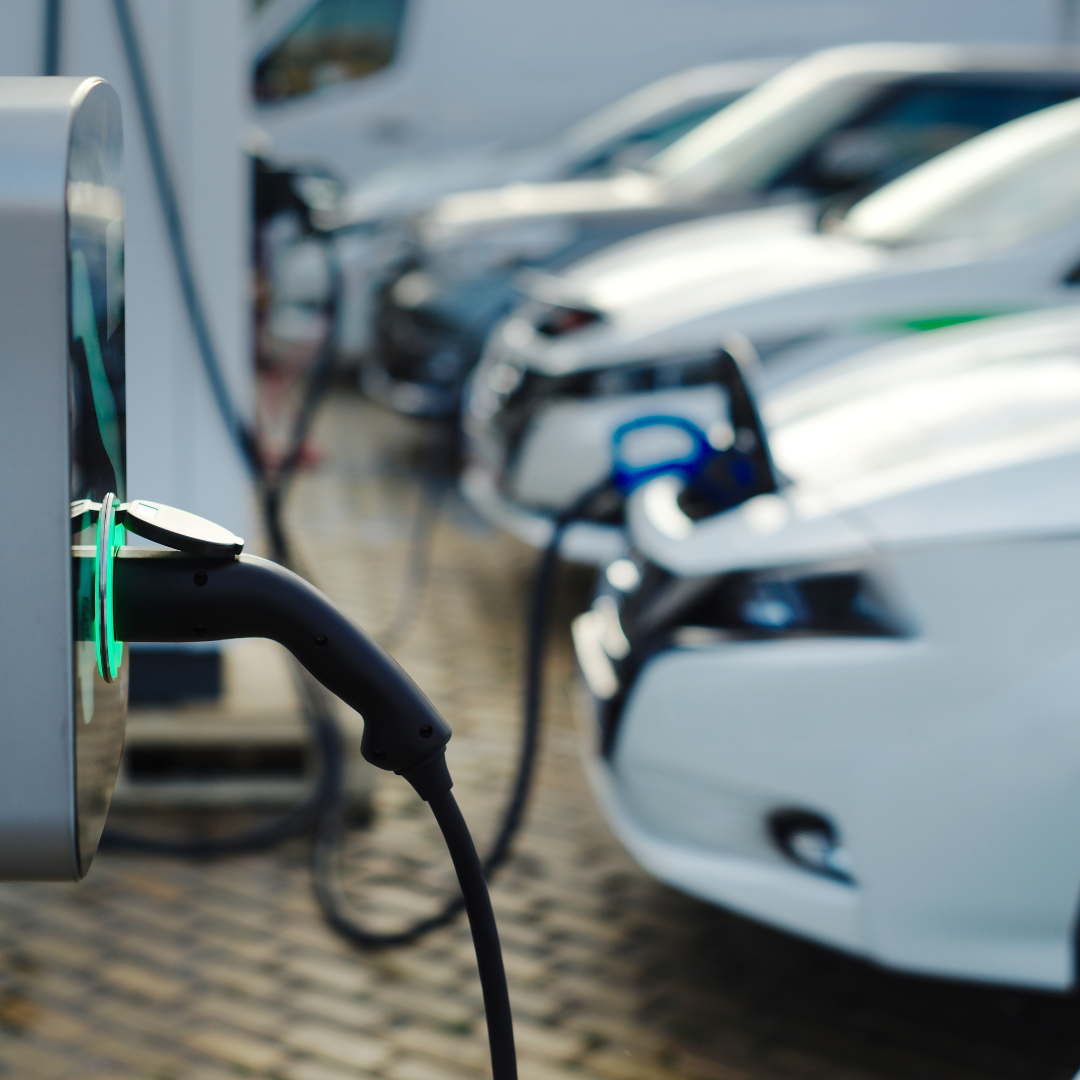
The rapid development of electric vehicle (EV) technology is aligned with the growing awareness of the importance of clean and sustainable energy. Integrating electric vehicles with smart grids powered by renewable energy is becoming one of the promising solutions to address the energy challenges of the future. What Are Smart Grids and Electric Vehicles? Integration of Electric Vehicles with Smart Grids The integration of electric vehicles with smart grids offers several benefits, including: Supporting Technologies for Integration Several key technologies support the integration of electric vehicles with smart grids, such as: Challenges and Solutions Despite the many benefits, the integration of electric vehicles with smart grids also faces several challenges, such as: Solutions to these challenges include: The integration of electric vehicles with smart grids powered by renewable energy is a crucial step toward a more sustainable future. With ongoing technological development and the right policy support, we can create a cleaner and more efficient transportation system.dapat mewujudkan sistem transportasi yang lebih bersih dan efisien. Sumber : (https://kinetika.hmtk.undip.ac.id/integrasi-energi-terbarukan-dengan-teknologi-kendaraan-listrik-solusi-masa-depan/)

Implementation of Renewable Energy Systems for Military Installations: A Step Towards Energy Independence

In an era increasingly aware of the importance of sustainability, the military sector is also beginning to shift toward cleaner, more environmentally friendly energy sources. The implementation of renewable energy systems in military installations offers several advantages, from reducing dependence on fossil fuels to enhancing energy security. Why is Renewable Energy Important for the Military? Types of Renewable Energy Suitable for Military Installations Several types of renewable energy are particularly well-suited for use in military installations, including: Challenges and Solutions While renewable energy offers many benefits, the implementation of renewable energy systems in military installations faces several challenges, such as: To address these challenges, several solutions can be implemented, including: Global Examples of Implementation Several countries have successfully implemented renewable energy systems in their military installations. For example, the United States has installed solar panels at many of its military bases, while Germany has developed wind power generation systems integrated with its military electricity grid. The implementation of renewable energy systems in military installations is a crucial step toward energy independence and a cleaner environment. With the right policy support and continuous technological development, the future of military energy will be increasingly sustainable. Sumber : https://journal.upy.ac.id/index.php/pkn/article/download/3168/pdf/7737

Renewable Energy: The Key to Sustainable Zero-Waste

The concept of zero-waste is gaining popularity as an effort to reduce waste and create a circular economy. However, achieving zero-waste goals depends not only on effective waste management but also on the energy sources used. Renewable energy, with its sustainable and eco-friendly nature, plays a crucial role in supporting zero-waste initiatives. The Connection Between Renewable Energy and Zero-Waste Renewable energy and zero-waste have a mutually beneficial relationship: Examples of Renewable Energy in Zero-Waste Practices Challenges and Opportunities While the potential of renewable energy in supporting zero-waste is significant, there are still several challenges to overcome, such as: On the other hand, there are many opportunities to be leveraged, such as: Renewable energy is key to achieving a sustainable zero-waste future. By harnessing the potential of renewable energy, we can reduce environmental impacts, create a circular economy, and build a better future for all. Sumber : https://www.ui.ac.id/keberlanjutan-lingkungan-untuk-menggalakan-zero-waste-dan-zero-emission/

The Use of Laser Technology to Enhance Wind Turbine Efficiency

Wind energy has become one of the most promising renewable energy sources. Wind turbines, as the primary devices for converting wind energy into electricity, continue to undergo technological advancements to improve their efficiency and productivity. One of the emerging technologies that has been garnering attention is the use of lasers to enhance wind turbine performance. How Lasers Enhance Wind Turbine EfficiencyLaser technology offers several potentials to improve the efficiency of wind turbines. Some of the key laser applications in the wind energy industry include: Advantages of Using Lasers in the Wind Energy Industry Challenges and Future DevelopmentsWhile laser technology offers many advantages, its use in the wind energy industry still faces some challenges, such as high initial investment costs and limitations in large-scale production. However, with the continued development of laser technology and the increasing demand for clean energy, the use of lasers in the wind energy industry is expected to expand. Laser technology holds significant potential for improving the efficiency and productivity of wind turbines. Through ongoing research and development, the role of lasers in the wind energy industry will continue to be a crucial factor in achieving clean and sustainable energy goals. Sumber : https://www.teyuchiller.com/id/application-of-laser-technology-in-wind-power-generation-systems

Peer-to-Peer (P2P) Energy Distribution System: The Future of a More Democratic Energy Market

The development of digital technology has transformed many aspects of our lives, including the way we consume and produce energy. One of the latest innovations in the energy sector is the Peer-to-Peer (P2P) energy distribution system. This model allows individual energy producers, such as solar panel owners, to sell their surplus electricity directly to other consumers without going through traditional distribution networks controlled by large utilities. What is the P2P Energy Distribution System? The P2P energy distribution system is a network that enables individuals or communities to buy and sell energy directly to one another. In this system, there is no central entity controlling the energy trade. Instead, transactions are conducted directly between producers and consumers through a digital platform. How Does the P2P System Work? Advantages of the P2P Energy Distribution System Challenges and Developments Despite its potential, the P2P energy distribution system still faces several challenges, such as: However, the development of blockchain technology and artificial intelligence has opened up new opportunities to address these challenges. More advanced P2P platforms now allow for more transparent, secure, and efficient transactions. The P2P energy distribution system is a promising concept for a cleaner and more sustainable energy future. With the continued advancement of technology and the right policy support, this model could transform the way we produce, distribute, and consume energy.

Anti-Dust Solar Panel Technology: A Smart Solution for Deserts

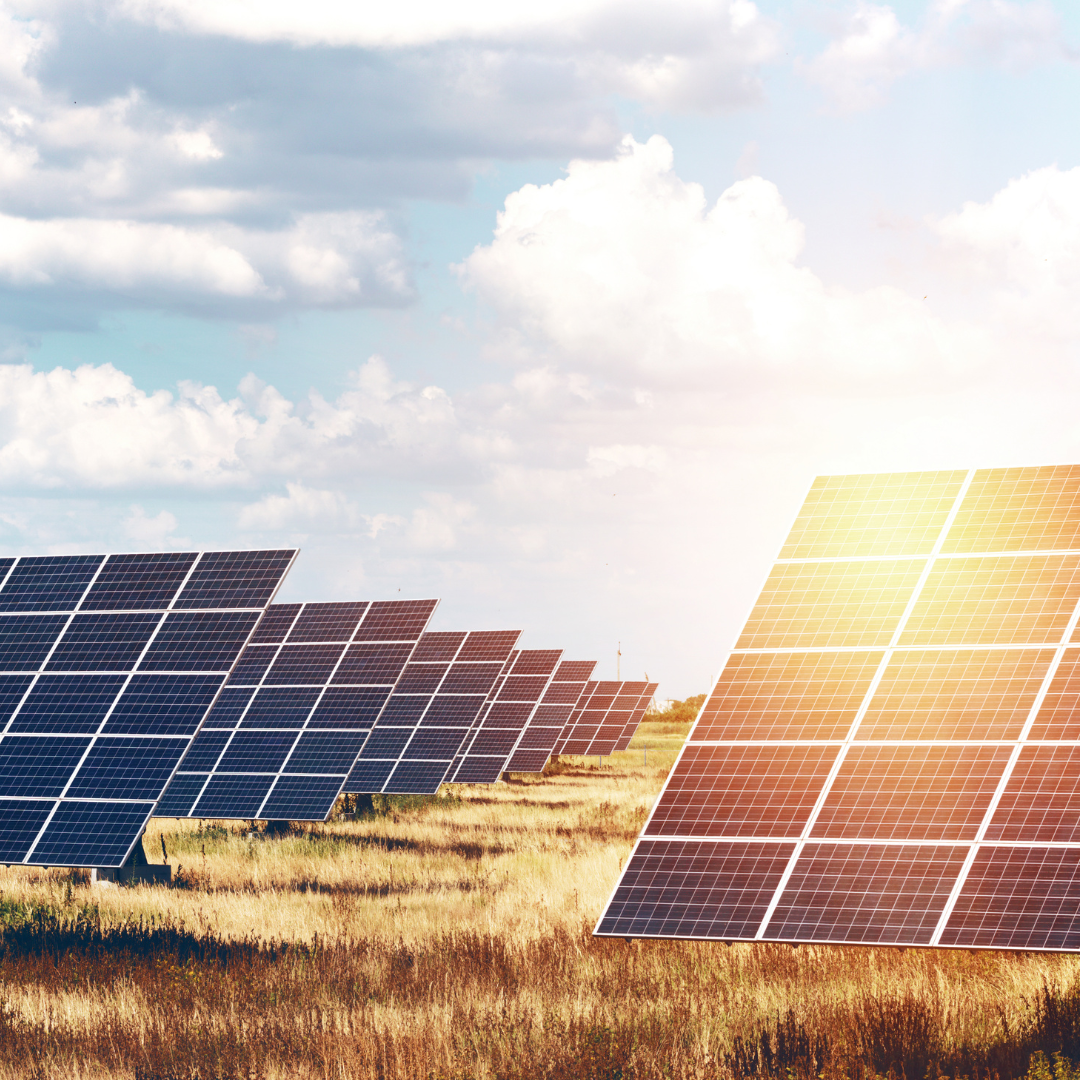
Desert regions, with their intense sunlight, are highly potential locations for solar energy development. However, a major challenge is the accumulation of dust on solar panels, which can reduce the efficiency of electricity generation. To address this issue, researchers continue to develop innovative anti-dust solar panel technology. Why is Dust a Major Problem for Solar Panels in Deserts? Dust that settles on the surface of solar panels blocks sunlight from reaching the solar cells. As a result, the conversion of sunlight into electricity becomes less efficient. The thicker the dust layer, the greater the reduction in solar panel efficiency. Anti-Dust Solar Panel Technology Several anti-dust solar panel technologies have been developed to address this issue, including: Benefits of Anti-Dust Solar Panel Technology Challenges and Future Development Although anti-dust solar panel technology has shown promising results, there are still some challenges to overcome, such as: Research and development continue to address these challenges. In the future, it is hoped that anti-dust solar panel technology will become more efficient, affordable, and easier to implement. Anti-dust solar panel technology is a highly promising solution to improve the efficiency of solar power generation in desert regions. As this technology continues to evolve, we are moving closer to a sustainable future where clean energy becomes the primary source of power. Source:https://tekno.tempo.co/read/274852/teknologi-mars-untuk-menjaga-panel-surya-bebas-debu

Scroll to top