

Battery Technology for Public Transportation: Towards a Greener Future
The development of battery technology in recent decades has paved the way for a revolution in the transportation sector. One of the sectors most impacted by this is public transportation. The use of batteries as an energy source in buses, trains, and other electric vehicles offers several significant advantages, from reducing greenhouse gas emissions to lowering operational costs.
Why Batteries for Public Transportation?
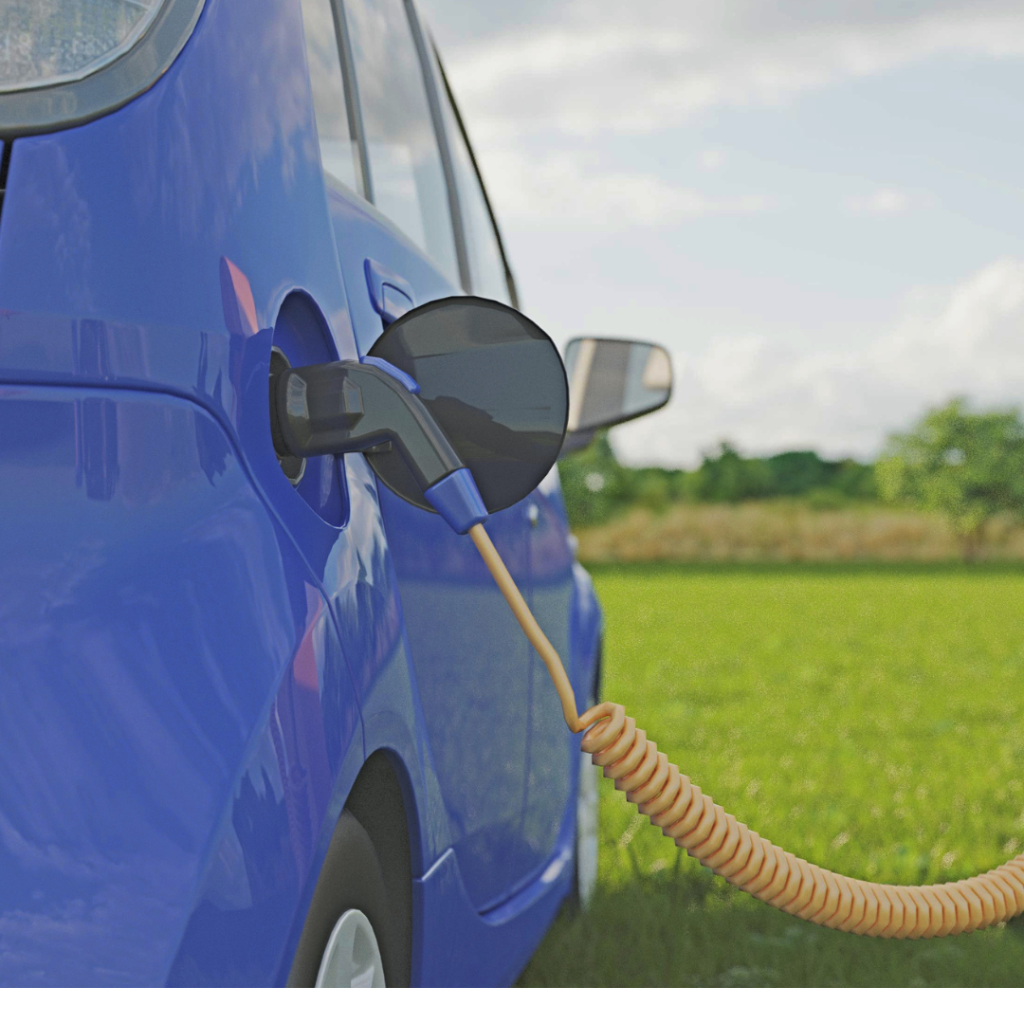
- Cleaner Environment: Battery-electric vehicles produce no exhaust emissions, contributing to reduced air pollution and mitigating climate change.
- Energy Efficiency: Electric motors in battery-powered vehicles are generally more efficient than internal combustion engines, leading to lower energy consumption.
- Quieter Operation: Electric vehicles operate more quietly than conventional vehicles, enhancing passenger comfort and reducing noise pollution.
- Government Incentives: Many governments around the world offer various incentives to promote the adoption of electric vehicles, including those for public transportation.
Battery Technologies in Use
Several types of batteries are commonly used in public transportation, including:
- Lithium-ion Batteries: These are the most widely used battery type today due to their high energy density, long lifecycle, and lightweight properties.
- Sodium-ion Batteries: Offering a cheaper and safer alternative to lithium-ion batteries, sodium-ion batteries have lower energy density.
- Solid-state Batteries: A promising future technology that offers higher energy density, longer lifespan, and improved safety compared to conventional batteries.
Challenges and Solutions
Despite the numerous benefits, the use of batteries in public transportation still faces some challenges, such as:
- Range: Limited battery capacity remains a challenge in terms of the distance that electric vehicles can travel.
- Charging Time: The relatively long battery charging times can disrupt public transportation schedules.
- Cost: Battery production costs are still relatively high, though they continue to decrease over time.
To address these challenges, various solutions have been developed, including:
- Increased Battery Capacity: Ongoing advancements in battery technology aim to increase energy storage capacity.
- Fast Charging Infrastructure: The development of adequate fast-charging infrastructure to support the operation of electric vehicles.
- Route Optimization: Optimizing routes and schedules to maximize energy efficiency.
Examples of Implementation Worldwide
Many cities around the world have successfully implemented battery-powered public transportation systems. Some examples include:
- London: Electric buses operate on various routes in London, providing cleaner air for city residents.
- Beijing: Beijing has the largest fleet of electric buses in the world, in an effort to combat severe air pollution.
- Oslo: Oslo aims to have its entire public transportation system fully electric by 2024.
Battery technology has created significant opportunities to transform public transportation into a more sustainable and environmentally friendly system. Although challenges remain, the future of public transportation looks bright, with an increasing number of cities transitioning to battery-powered electric vehicles.
Sumber : https://www.sciencedirect.com/science/article/pii/S2352484722005716