
Utilizing Microgrid Systems for Rural Electricity Management: A Sustainable Energy Solution
Access to reliable and sustainable electricity is one of the key factors for development in rural areas. However, many rural regions in Indonesia still face challenges in electricity availability. The distant interconnected systems and limited infrastructure often serve as major obstacles. As a solution, microgrid systems have emerged as a promising alternative to enhance energy access in remote areas.
What is a Microgrid?
A microgrid is a local electrical energy system that can operate independently or be connected to the main power grid. This system consists of various components, such as solar power generation, wind power, or fuel-based generators, energy storage systems (batteries), and energy management systems. Microgrids are designed to provide reliable and efficient electricity supply, even in areas far from the main grid.
Advantages of Microgrids for Villages
- Energy Independence: Villages can generate their own electricity, reducing dependence on the main grid, which is often unstable.
- Clean Energy: Microgrids can utilize renewable energy sources such as solar and wind, reducing carbon emissions and being environmentally friendly.
- Reliability: The energy storage system allows for a stable electricity supply, even when the main energy source experiences disruptions.
- Lower Operational Costs: In the long term, microgrids can save on operational costs as there is no need to pay for electricity transmission and distribution.
- Flexibility: Microgrids can be tailored to meet the energy needs of the village, whether for domestic use or productive purposes.
Microgrid Implementation in Villages

Microgrid systems can be implemented in villages in several ways, including:
- Solar Power Generation: Solar panels can be installed on the roofs of homes or in areas with ample sunlight.
- Wind Power Generation: Wind turbines can be utilized in areas with high wind potential.
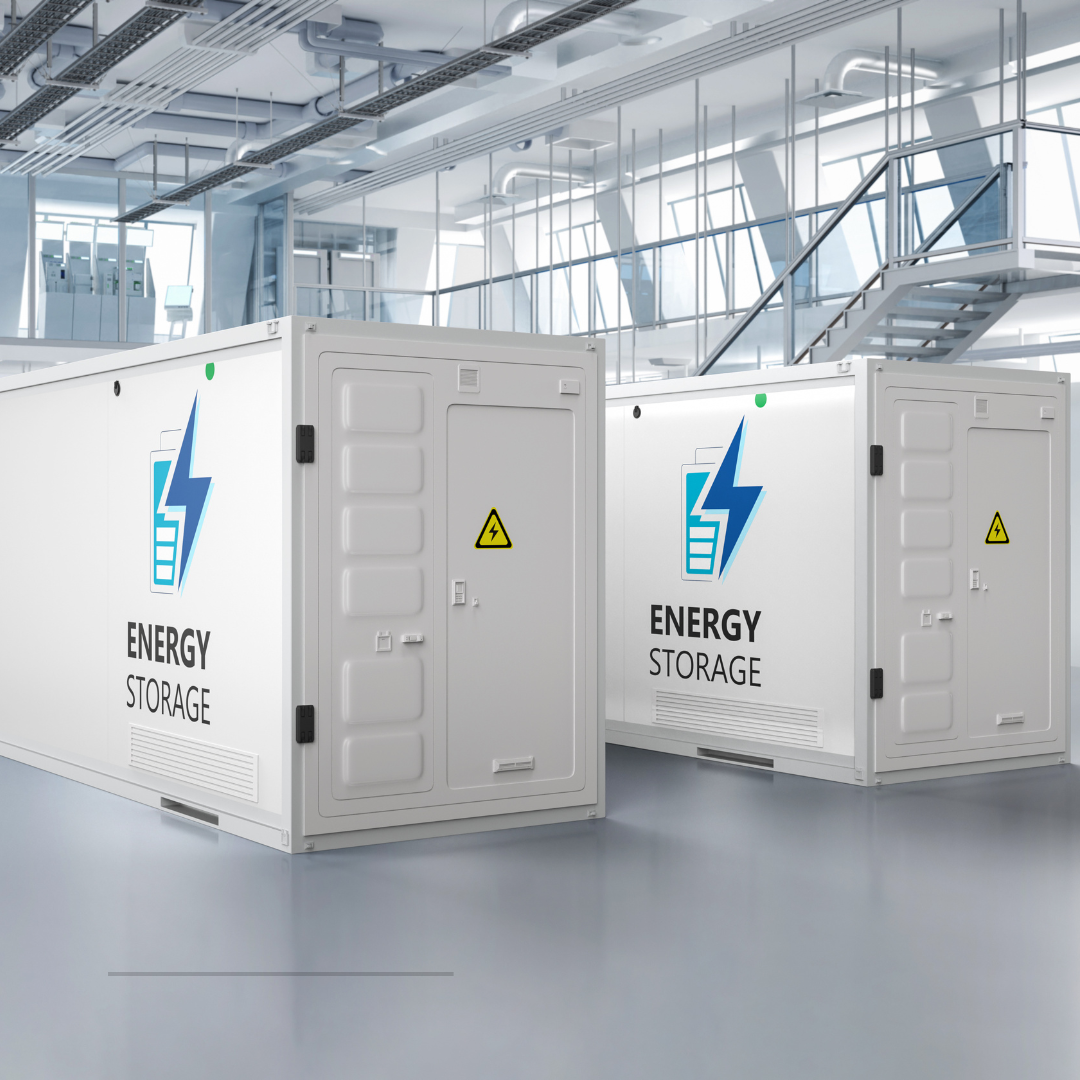
- Energy Storage Batteries: Batteries are used to store the energy generated from power plants, so it can be used when electricity demand increases or when there is no sunlight or wind.
- Energy Management System: This system optimizes energy use and ensures a stable electricity supply.
Challenges and Solutions
Although microgrids have many advantages, their implementation in villages also faces several challenges, such as:
- Initial Investment Costs: Building a microgrid requires substantial investment.
- Technology: Skilled experts are needed to design, build, and operate the microgrid system.
- Maintenance: Microgrid systems require regular maintenance to ensure optimal performance.
To address these challenges, support from the government, non-governmental organizations, and the private sector is essential in the form of supportive policies, funding, and technology transfer.
Conclusion
Microgrid systems offer a highly promising solution to improve energy access in rural areas. By utilizing renewable energy sources and the appropriate technology, microgrids can provide significant benefits for rural communities, both socially, economically, and environmentally.
Sumber : https://ee.uii.ac.id/microgrid-masa-depan-sistem-tenaga-listrik/