
Wind and Solar-Powered Ships: Sustainable Sailing for the Future
The maritime industry is currently undergoing a transformation towards a more sustainable era. One promising innovation is the development of ships powered by renewable energy sources, such as wind and solar. These vessels are not only environmentally friendly but also offer increasing efficiency and reliability.
How Do Wind and Solar-Powered Ships Work?
Wind and solar-powered ships adopt technologies that allow them to convert energy from natural sources into propulsion power. Generally, their systems work as follows:
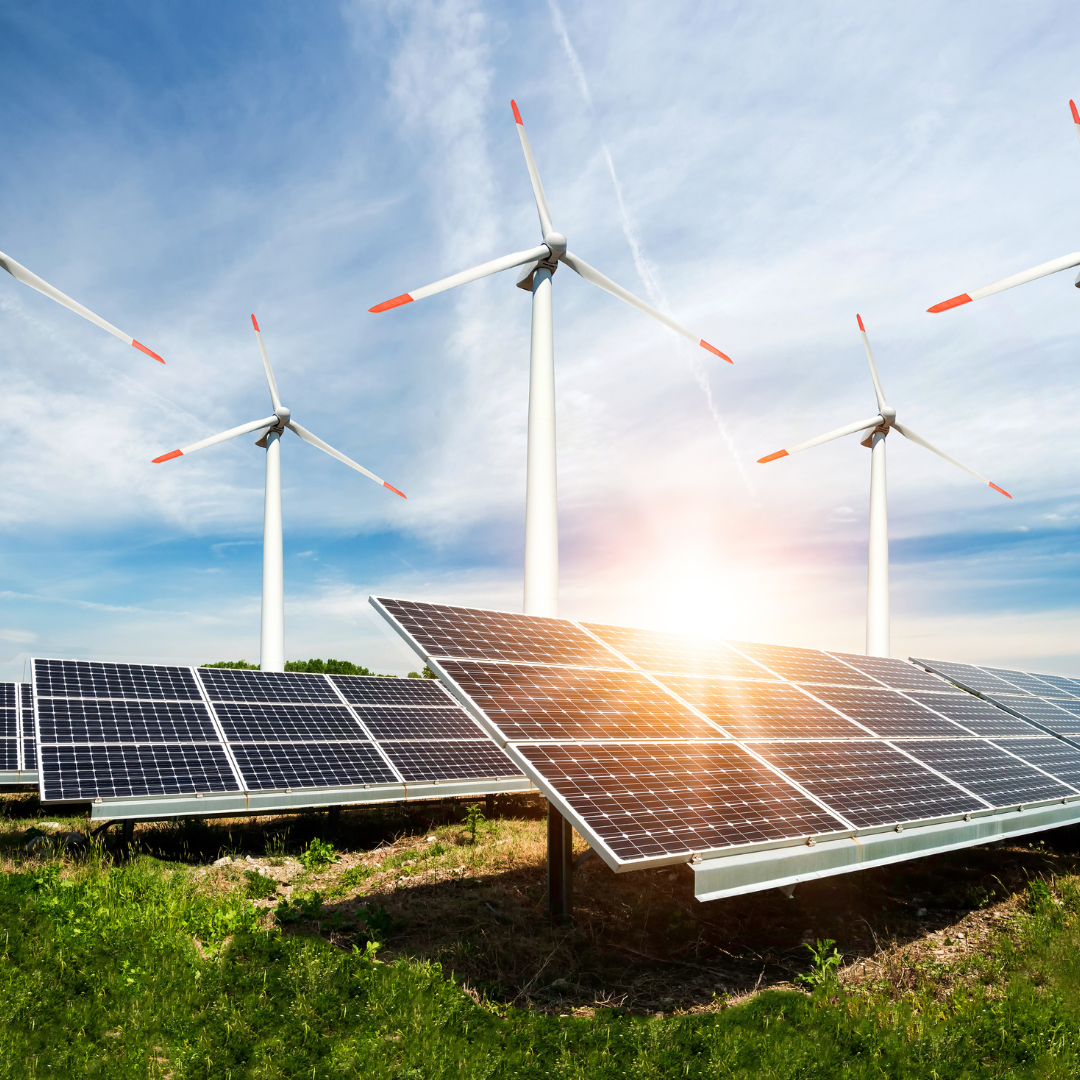
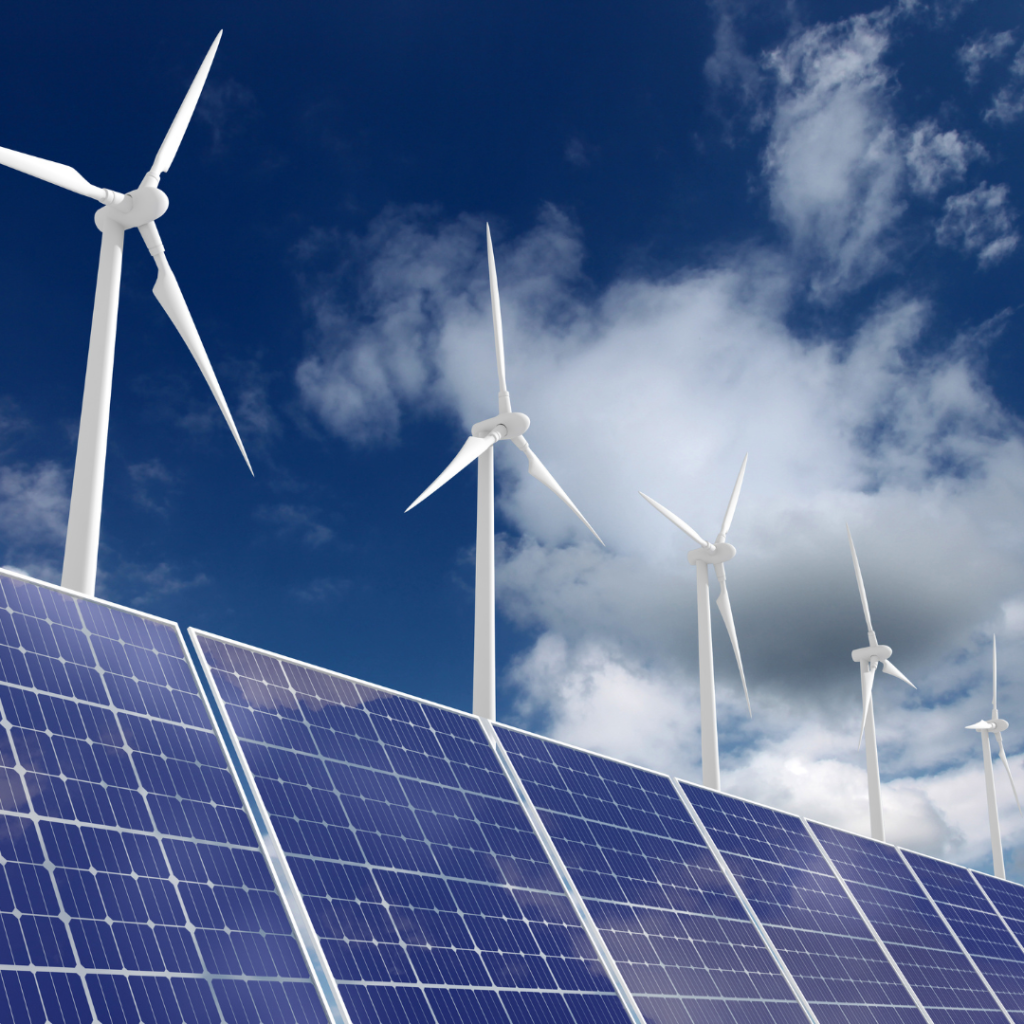
- Solar Panels: Solar panels are installed on the top of the ship to capture sunlight and convert it into electrical energy. This electrical energy is then stored in batteries for use when needed.
- Wind Turbines: Wind turbines mounted on the ship capture the kinetic energy of the wind and convert it into mechanical energy, which is then transformed into electricity.
- Propulsion System: The electricity generated by the solar panels and wind turbines is used to power electric motors connected to the ship’s propellers.
Advantages of Wind and Solar-Powered Ships
- Environmentally Friendly: These ships produce no greenhouse gas emissions, reducing air and sea pollution.
- Cost Efficiency: In the long run, the operational costs of wind and solar-powered ships are lower since they do not rely on fossil fuels.
- Energy Independence: These vessels can generate their own energy, reducing reliance on fuel supplies.
- Quiet and Comfortable: Without the noise from diesel engines, these ships offer a quieter and more comfortable sailing experience.
Challenges and Technological Development
Despite their many advantages, the development of wind and solar-powered ships still faces some challenges, such as:
- Energy Storage: The limited capacity of batteries remains a barrier for long-distance sailing.
- Weather Dependency: Dependence on weather conditions can limit the performance of these ships.
- Production Costs: The production cost of these ships is still relatively high compared to conventional vessels.
However, researchers and engineers continue to work on overcoming these challenges. Some promising technological advancements include:
- Larger Capacity Batteries: Development of batteries with greater storage capacity and higher efficiency.
- Lightweight and Durable Materials: Use of lighter and stronger materials to reduce the ship’s weight and improve energy efficiency.
- Advanced Energy Management Systems: Development of smart energy management systems to optimize energy usage.
Examples of Wind and Solar-Powered Ships
Several examples of wind and solar-powered ships have already been developed, including:
- PlanetSolar: The world’s largest solar-powered catamaran, which has successfully circumnavigated the globe.
- MS Turanor PlanetSolar: A solar-powered research vessel equipped with laboratories to study the effects of climate change.
- Energy Observer: A hydrogen-powered ship that also uses wind and solar energy as power sources.
Wind and solar-powered ships represent a significant step forward in achieving sustainable maritime transportation. With continuous technological advancements, these vessels have great potential to shape the future of sailing.
Sumber : https://www.energy-observer.org/