
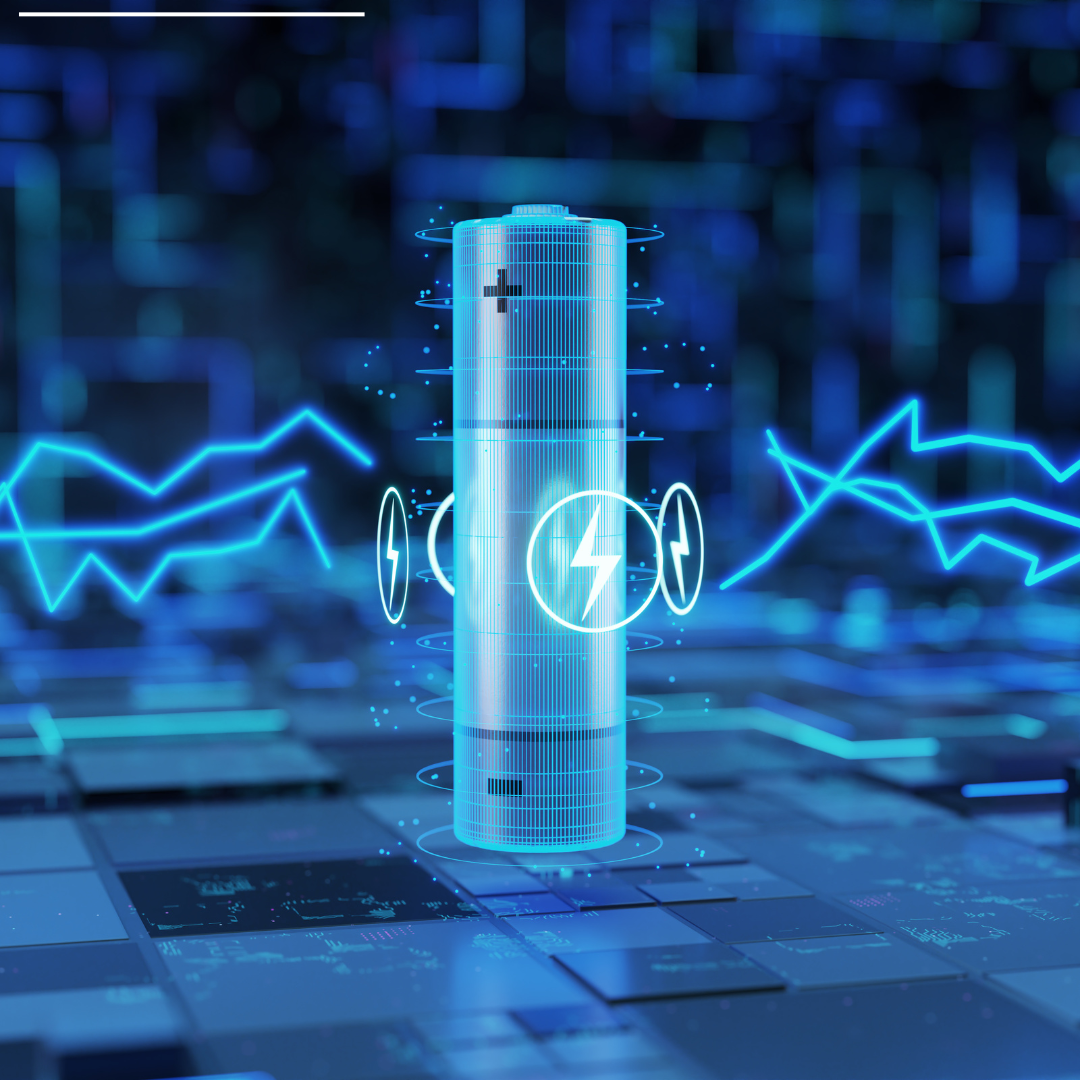
Energy Storage Integration in the Residential Sector: Towards Energy Independence
With the increasing awareness of the importance of clean and sustainable energy, many homeowners are transitioning to renewable energy sources such as solar panels. However, one of the main challenges of utilizing solar energy is its intermittent nature, as energy production depends on sunlight intensity. To address this, energy storage technology presents an attractive solution. The integration of energy storage systems in the residential sector allows homeowners to store excess energy produced during high production periods and use it again during low production periods or during power outages.
Why is Energy Storage Important?
- Optimizing Energy Use: By storing energy, homeowners can maximize the use of energy generated by their solar panels, reducing dependence on the public grid.
- Energy Independence: Energy storage systems enable households to become more self-sufficient in meeting their energy needs, especially during power outages.
- Grid Stability: Energy storage helps stabilize the electrical grid by absorbing excess energy during high production periods and supplying energy during high demand periods.
- Cost Savings: In the long term, the use of energy storage systems can help reduce electricity bills.
Energy Storage Technologies for Homes
- Lithium-ion Batteries: These batteries are the most commonly used in residential energy storage systems because they have high energy density and long lifespans.
- Flow Batteries: This battery technology uses electrolyte liquids to store energy. Flow batteries offer larger storage capacities compared to lithium-ion batteries, but they are more expensive.
- Hydrogen Systems: This technology involves converting electrical energy into hydrogen, which is then stored and later used to generate electricity through fuel cells.
Benefits of Integrating Energy Storage Systems
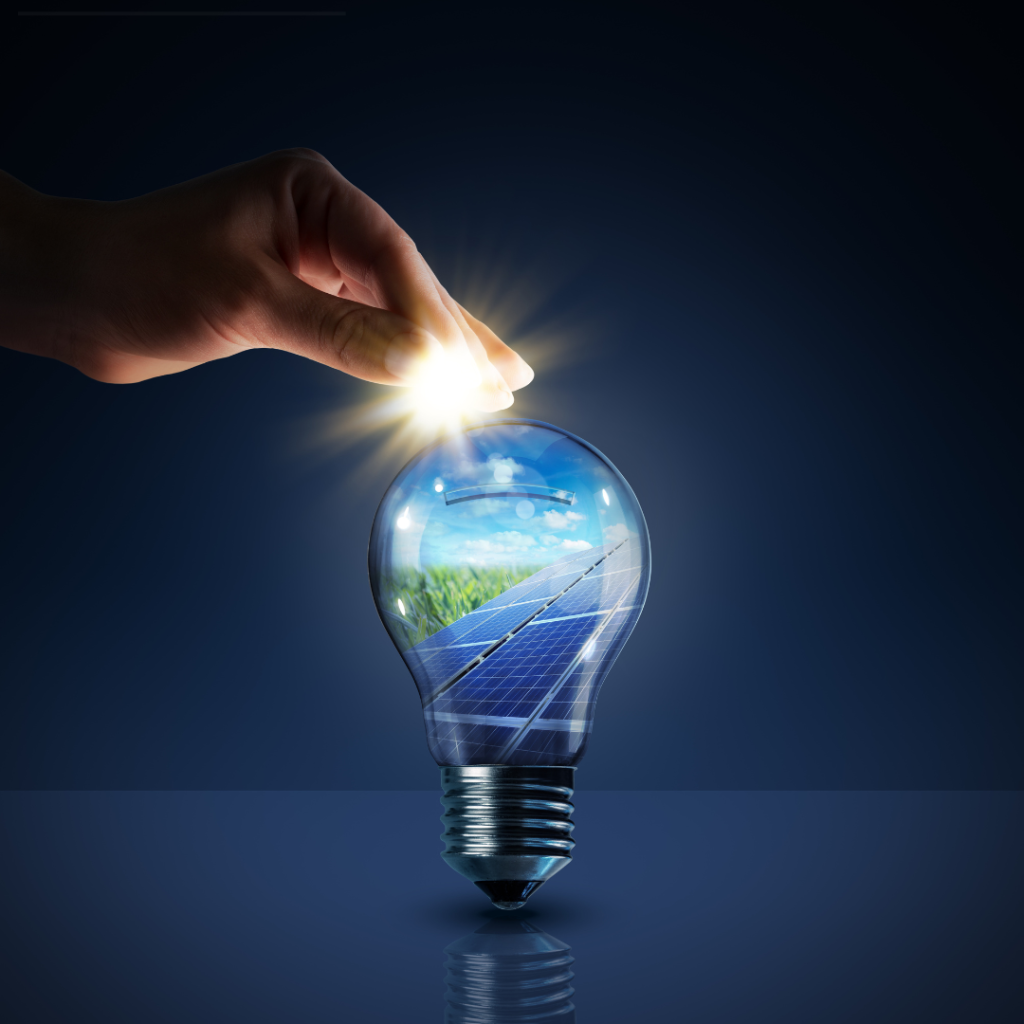
- Better Air Quality: By reducing the use of energy from the grid, which may still rely on fossil fuels, energy storage systems can contribute to reducing greenhouse gas emissions and improving air quality.
- Energy Resilience: Energy storage systems enhance household energy resilience against natural disasters or disruptions in the grid.
- Environmental Contribution: Using renewable energy combined with energy storage systems is an important step in mitigating climate change.
Challenges and Developments
- Cost: The initial investment cost for energy storage systems is still relatively high.
- Efficiency: The efficiency of energy storage and retrieval still needs to be improved.
- Regulations: Clear and supportive regulations are necessary for the development of energy storage systems in the residential sector.
The integration of energy storage systems in the residential sector is a crucial step towards a cleaner and more sustainable energy future. As technology continues to advance and costs decrease, energy storage systems will become more affordable and accessible to the wider population.