
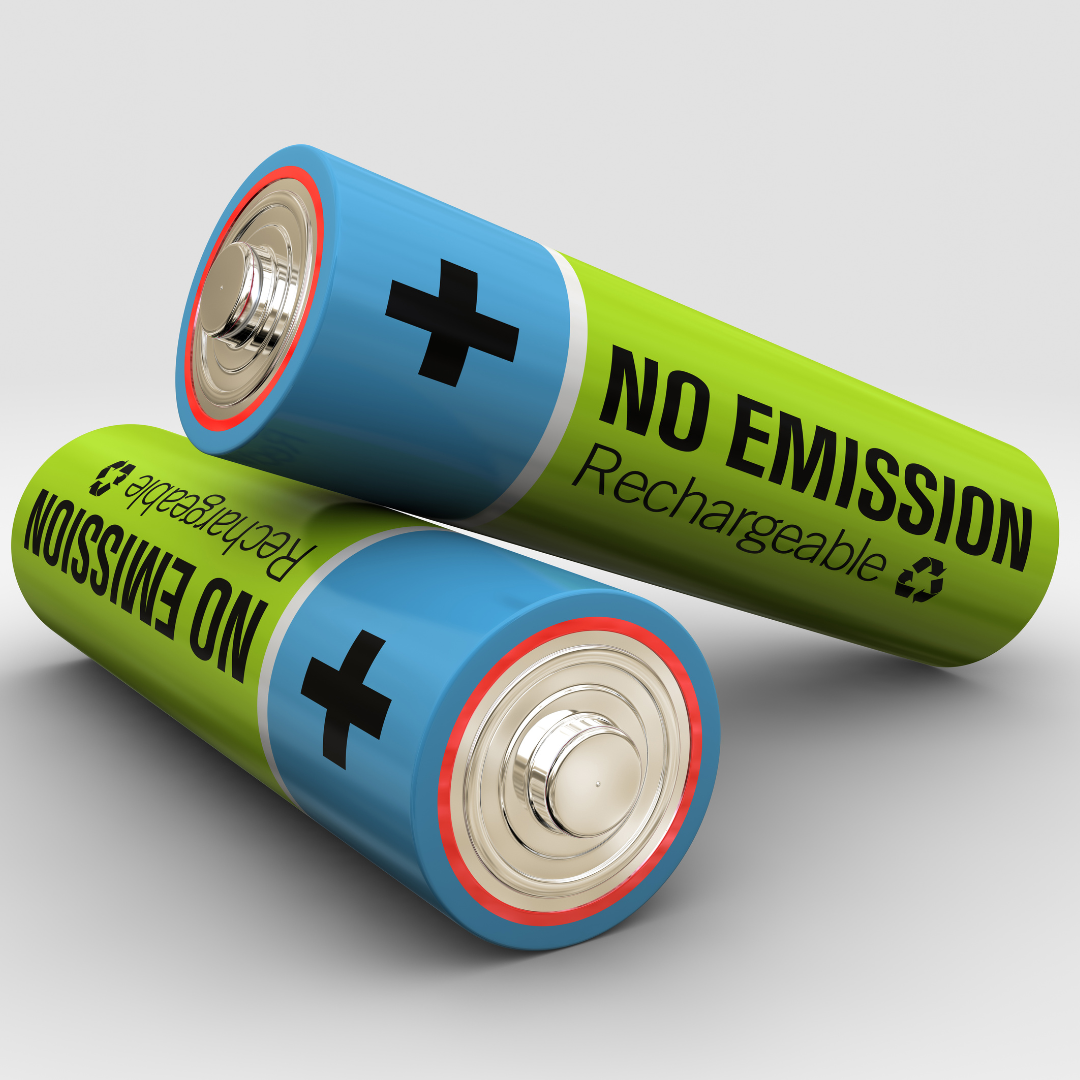
Advancements in Graphene Battery Technology: Toward a Better Energy Future
Battery technology has been advancing rapidly in recent years, driven by the growing demand for portable electronic devices and electric vehicles. One promising material for enhancing battery performance is graphene. Graphene, a two-dimensional material made of a single layer of carbon atoms, has unique properties that make it ideal for use in batteries.
What is Graphene?
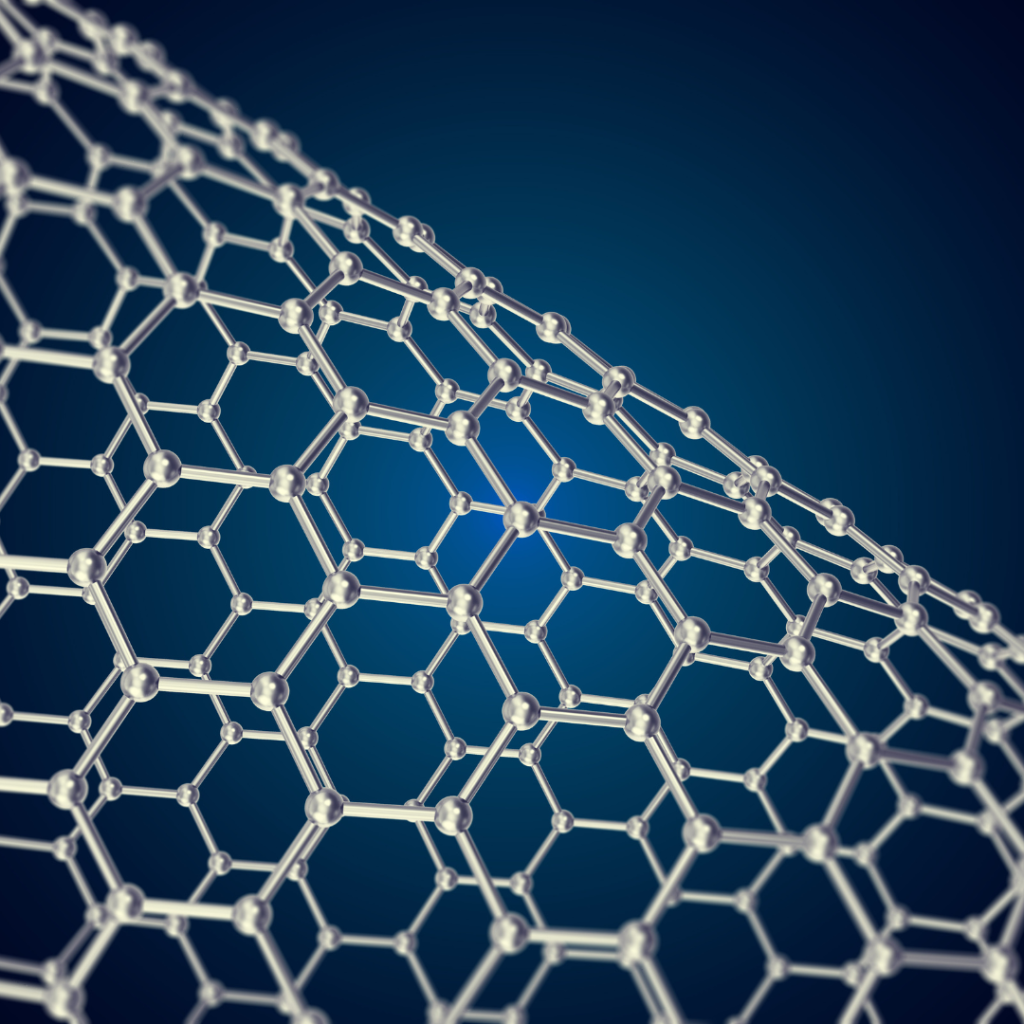
Graphene is an extremely strong, lightweight material with exceptional electrical conductivity. These properties make it highly attractive for a variety of applications, including batteries. Its unique hexagonal lattice structure provides graphene with a very large surface area, allowing for better interaction with the electrolytes in batteries.
Advantages of Graphene in Batteries
Using graphene in batteries offers several significant benefits, including:
- Longer Lifespan: Graphene can extend the battery’s cycle life, allowing it to last longer before its performance begins to degrade.
- Faster Charging: Graphene can speed up battery charging, reducing the time users need to wait for their devices to recharge.
- Higher Energy Capacity: Graphene can increase the energy density of batteries, enabling them to store more energy within the same size.
- More Stable Performance: Graphene can enhance battery performance stability in extreme temperatures and during repeated charge and discharge cycles.
Graphene Applications in Batteries
Graphene can be used in various components of a battery, including:
- Anodes: Graphene can be used as an anode material to increase storage capacity and conductivity.
- Cathodes: Graphene can be used as a cathode material to improve battery performance and stability.
- Separators: Graphene can be used as a separator material to enhance battery performance and safety.
- Additives: Graphene can be added as an additive to electrodes to improve conductivity and overall battery performance.
Challenges and the Future
While the potential of graphene in battery technology is enormous, there are still several challenges to overcome, such as:
- Production Costs: Large-scale production of graphene remains relatively expensive.
- Integration with Battery Systems: Integrating graphene into existing battery systems requires further development.
However, as research and development continue to progress, it is hoped that the cost of graphene production can be reduced and its integration into batteries can be optimized.
Graphene holds tremendous potential to revolutionize battery technology. With its unique properties, graphene can enhance battery performance in various aspects, such as longevity, charging speed, and energy capacity. Although there are still some challenges to address, the development of graphene-based battery technology is ongoing and is expected to lead us toward a brighter energy future.