Waste

Universitas Teknokrat Indonesia Students Develop “Meowgic Pet,” an Innovative Digital Platform for Modern Pet Care Services

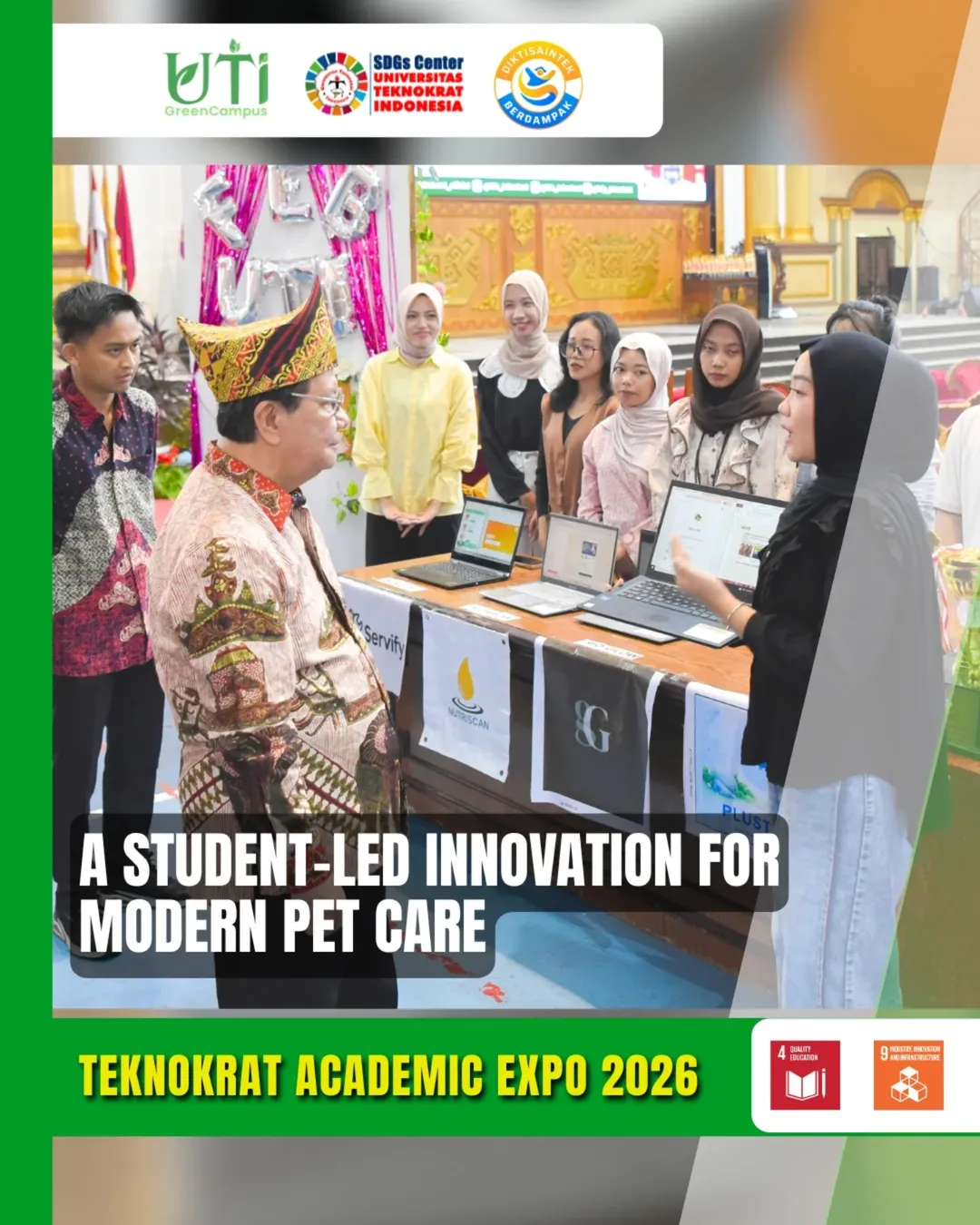
Bandar Lampung – Universitas Teknokrat Indonesia (UTI) continues to strengthen its reputation as a leading institution in innovation-driven education through the presentation of Meowgic Pet, a digital service application designed to simplify access to pet care services. Showcased during the university’s Academic Expo, the innovation highlights how students are transforming academic knowledge into practical technological solutions that address real-world needs. Read More: “Kebun Kita” Wins First Place in Technopreneurship Category at Academic Expo, Showcasing Universitas Teknokrat Indonesia’s Commitment to Sustainable Innovation The development of Meowgic Pet reflects Universitas Teknokrat Indonesia’s commitment to creating an educational environment where students are encouraged not only to master theoretical concepts but also to apply their knowledge in innovative and impactful ways. The project demonstrates the university’s dedication to producing graduates who are capable of responding to contemporary challenges through creativity, technology, and entrepreneurship. Designed as an integrated digital platform, Meowgic Pet connects pet owners with a range of essential services, including pet shop products, grooming services, and veterinary consultations. Through a user-friendly interface and centralized service system, the application aims to provide convenience and efficiency for pet owners seeking reliable and accessible pet care solutions. A Smart Solution for the Growing Pet Care Industry The rapid growth of pet ownership has increased demand for accessible and efficient pet care services. However, many pet owners still face challenges in finding trusted providers and managing various pet-related needs through separate platforms. Recognizing this gap, students at Universitas Teknokrat Indonesia developed Meowgic Pet as a comprehensive digital ecosystem that brings multiple services together in one convenient application. By integrating information, transactions, and consultations into a single platform, the innovation simplifies the user experience while improving access to quality pet care. The platform represents a forward-thinking response to changing consumer behavior in the digital era, where convenience, connectivity, and efficiency are increasingly valued. “Meowgic Pet was created to provide a practical solution for pet owners who need quick and reliable access to pet care services. We wanted to build a platform that not only simplifies daily needs but also contributes to the digital transformation of the service industry,” explained the student development team during the Academic Expo. Demonstrating the Impact of Quality Education The success of Meowgic Pet serves as a tangible example of the implementation of Sustainable Development Goal (SDG) 4: Quality Education, which emphasizes inclusive, equitable, and relevant learning opportunities. Through project-based learning approaches promoted by Universitas Teknokrat Indonesia, students are encouraged to develop innovative solutions while strengthening their technical competencies, problem-solving skills, and entrepreneurial mindset. Rather than focusing solely on classroom theory, students are challenged to identify real societal issues and create products capable of generating meaningful impact. This educational model helps bridge the gap between academia and industry by ensuring that graduates possess practical skills that align with current market demands. The Academic Expo itself serves as a showcase of student creativity and innovation, providing a platform for learners to present their projects, receive feedback, and gain valuable experience in communicating their ideas to wider audiences. Advancing Industry, Innovation, and Infrastructure Beyond its educational value, Meowgic Pet strongly supports SDG 9: Industry, Innovation, and Infrastructure by contributing to the modernization of the pet care and service sectors through digital technology. As digital transformation continues to reshape industries worldwide, innovative platforms such as Meowgic Pet play an important role in building technological ecosystems that improve efficiency and accessibility. By integrating various services into a single digital infrastructure, the application demonstrates how technology can simplify processes and enhance user experiences. The project also reflects the growing importance of innovation in supporting economic development. Student-led technological solutions have the potential not only to address current challenges but also to create new business opportunities and stimulate entrepreneurship in emerging sectors. Through initiatives such as Meowgic Pet, Universitas Teknokrat Indonesia actively supports the commercialization of student innovations and encourages the development of technology-based enterprises capable of contributing to regional and national economic growth. From Academic Project to Real-World Innovation What distinguishes Meowgic Pet from many student projects is its practical relevance and potential for widespread implementation. The application addresses a growing market need while offering a scalable solution that could be expanded and refined for broader commercial use. Its intuitive design and integrated service features make it a promising example of how university-based innovation can evolve beyond academic requirements and become a valuable tool for society. Industry observers increasingly recognize that universities play a critical role in fostering innovation ecosystems by empowering students to develop products that combine technological sophistication with practical usability. Meowgic Pet exemplifies this approach by translating academic knowledge into a functional platform with tangible benefits. Vice Rector Applauds Student Innovation The Vice Rector of Universitas Teknokrat Indonesia expressed appreciation for the students’ achievement and highlighted the importance of innovation-oriented education in preparing graduates for future opportunities. “The development of Meowgic Pet demonstrates the remarkable creativity, technical capability, and entrepreneurial spirit of our students. This innovation reflects the quality of education at Universitas Teknokrat Indonesia, where students are encouraged to transform ideas into solutions that directly benefit society,” the Vice Rector stated. He further emphasized that the university remains committed to fostering a culture of innovation that empowers students to contribute meaningfully to technological advancement and sustainable development. “Projects such as Meowgic Pet show how education and technology can work together to address real-world challenges. We are proud to support students who are creating innovative digital solutions with strong potential to improve everyday life and contribute to the digital economy,” he added. Strengthening Sustainable Development Through Innovation The emergence of Meowgic Pet reinforces the importance of collaboration between education, technology, and entrepreneurship in achieving sustainable development goals. The project demonstrates how universities can serve as incubators for innovation by providing students with opportunities to experiment, create, and develop impactful solutions. In addition to supporting SDG 4 and SDG 9, the innovation contributes to broader efforts aimed at fostering digital transformation, strengthening technological infrastructure, and promoting inclusive access to services. As Universitas Teknokrat Indonesia continues to

“Kebun Kita” Wins First Place in Technopreneurship Category at Academic Expo, Showcasing Universitas Teknokrat Indonesia’s Commitment to Sustainable Innovation

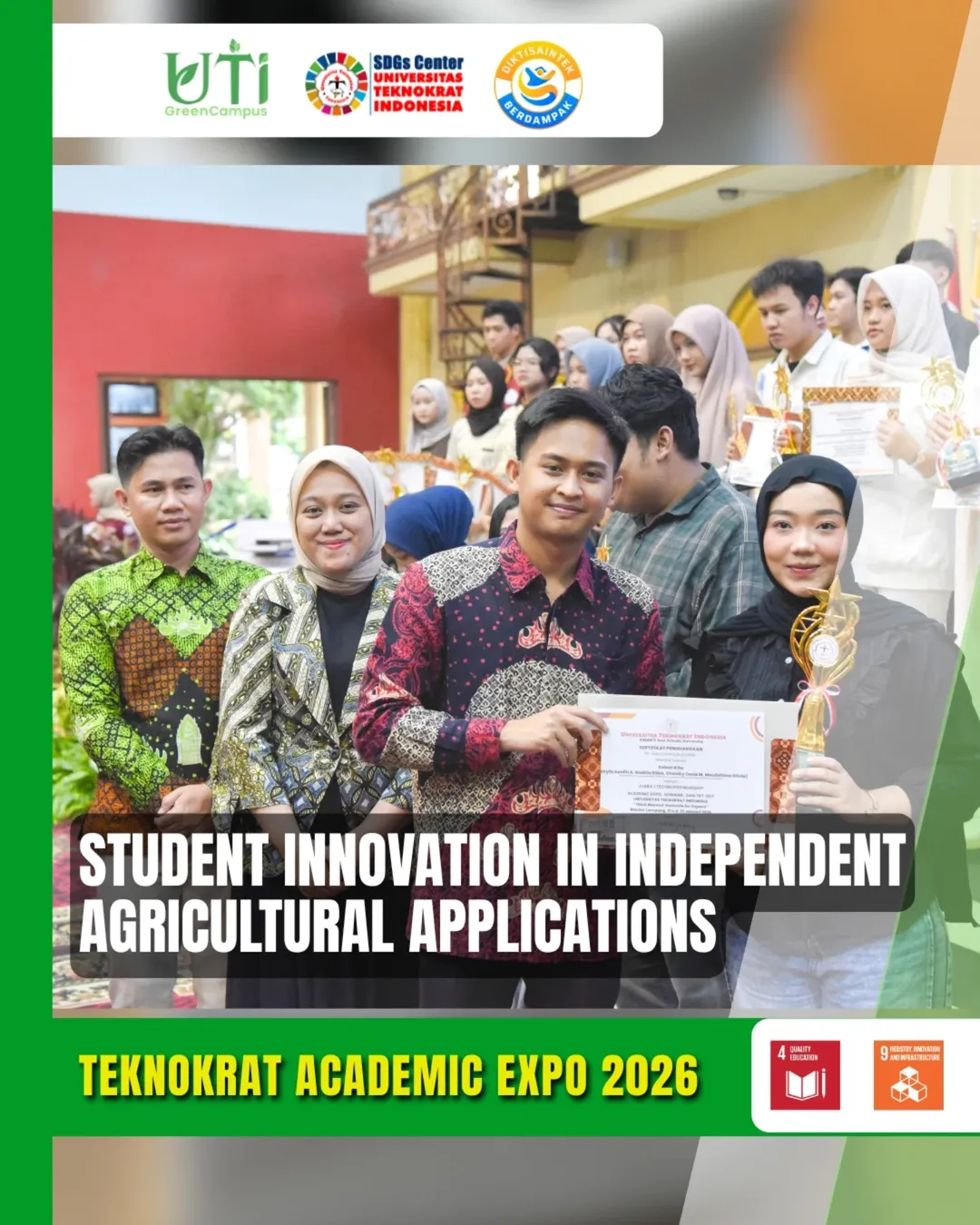
Bandar Lampung – Universitas Teknokrat Indonesia (UTI) has once again demonstrated its commitment to fostering innovation, entrepreneurship, and sustainable development through the success of Kebun Kita, an innovative urban farming kit that earned First Place in the Technopreneurship Category at the Academic Expo. Read More: Universitas Teknokrat Indonesia English Literature Students Launch “Whisper from Desa Payungi” Anthology at UTI EXPO 2025/2026 The award-winning innovation emerged as one of the most outstanding projects presented during the university’s annual academic exhibition, attracting attention for its practical approach to addressing one of the growing challenges faced by urban communities: limited access to land for cultivation and food production. Developed by students through the university’s technopreneurship-based learning program, Kebun Kita integrates smart sensor technology and digital applications to help users monitor and manage plant growth efficiently. The system enables individuals and families living in urban environments to cultivate plants in limited spaces while utilizing technology to ensure optimal growing conditions. The innovation demonstrates how technology can transform traditional agricultural practices into more accessible, efficient, and sustainable solutions for modern society. “Kebun Kita was designed to empower communities to grow plants more effectively despite space limitations. Through the integration of smart monitoring systems and user-friendly digital applications, we hope to encourage more people to adopt sustainable urban farming practices,” explained the student development team during the exhibition. Addressing Urban Challenges Through Smart Agriculture As urbanization continues to increase, access to agricultural land has become a significant concern in many cities. Limited space often prevents households from engaging in farming activities, reducing opportunities for self-sufficiency and sustainable food production. Recognizing this challenge, the student innovators behind Kebun Kita developed a solution that combines technology and agriculture into a practical, easy-to-use system. By utilizing sensors that monitor plant conditions such as moisture and environmental factors, the kit provides users with real-time information that helps improve plant care and cultivation outcomes. The project illustrates how technological innovation can support greener lifestyles while promoting environmental awareness among urban residents. More importantly, Kebun Kita reflects a growing trend toward smart agriculture, where digital tools and data-driven decision-making are increasingly used to enhance productivity, efficiency, and sustainability in food production systems. Strengthening Entrepreneurial Skills Through Practice-Based Learning The success of Kebun Kita also highlights the effectiveness of Universitas Teknokrat Indonesia’s educational approach, particularly through its Technopreneurship curriculum. The university emphasizes experiential learning methods that encourage students not only to acquire theoretical knowledge but also to develop innovative products capable of addressing real societal needs. Through project-based assignments and entrepreneurial training, students are challenged to identify market opportunities, conduct research, develop business models, and create products with commercialization potential. The achievement serves as a strong example of how higher education institutions can cultivate entrepreneurial mindsets while simultaneously strengthening students’ technical competencies and problem-solving abilities. “The Technopreneurship program encourages students to think beyond the classroom. They are trained to understand industry needs, identify opportunities, and transform ideas into solutions that create social and economic value,” said one of the project mentors. Supporting Sustainable Development Goals The Kebun Kita innovation represents a concrete implementation of the United Nations Sustainable Development Goals (SDGs), particularly SDG 4: Quality Education and SDG 9: Industry, Innovation, and Infrastructure. Through hands-on learning experiences, students gain valuable knowledge and practical skills that prepare them for future careers in technology, entrepreneurship, and innovation. The project demonstrates how quality education can equip students with the competencies needed to compete in an increasingly dynamic global economy. At the same time, Kebun Kita contributes to the advancement of SDG 9 by promoting technological innovation within the household agriculture sector. The integration of smart monitoring systems and digital applications helps modernize small-scale farming practices and supports the development of sustainable technological infrastructure that benefits communities directly. Beyond these goals, the project also contributes to SDG 11: Sustainable Cities and Communities by encouraging urban agriculture and fostering greener living environments. By enabling residents to grow plants within limited spaces, Kebun Kita promotes environmental sustainability while enhancing community resilience. A Pathway Toward Research Commercialization One of the key strengths of Kebun Kita lies in its potential for commercialization. Unlike many academic projects that remain within university settings, this innovation has been designed with practical application and market relevance in mind. The project demonstrates Universitas Teknokrat Indonesia’s commitment to encouraging the transformation of student research into viable products and business ventures. By supporting innovation-driven entrepreneurship, the university seeks to create opportunities for students to become future business leaders, innovators, and job creators. The commercialization of student innovations is increasingly recognized as an important strategy for strengthening regional economic development and enhancing the impact of academic research on society. Vice Rector Praises Student Achievement The Vice Rector of Universitas Teknokrat Indonesia expressed appreciation for the students’ accomplishment and emphasized the importance of innovation-driven education in preparing graduates for future challenges. “The success of Kebun Kita is a remarkable achievement that reflects the creativity, dedication, and entrepreneurial spirit of our students. This innovation demonstrates how academic knowledge can be transformed into practical solutions that directly benefit society,” the Vice Rector stated. He further highlighted that the project aligns with the university’s mission to produce graduates who are innovative, adaptable, and capable of contributing to sustainable development. “We are proud to see our students creating technology-based solutions that address real-world challenges. Kebun Kita exemplifies the spirit of innovation and entrepreneurship that Universitas Teknokrat Indonesia continues to cultivate. We hope this achievement inspires more students to develop impactful innovations that support community welfare and economic growth,” he added. Academic Expo as a Showcase of Innovation Excellence The Academic Expo continues to serve as one of Universitas Teknokrat Indonesia’s premier platforms for showcasing student achievements across various disciplines. The event brings together innovative projects, research outcomes, entrepreneurial initiatives, and technological advancements that demonstrate the university’s commitment to academic excellence and societal impact. The recognition earned by Kebun Kita reinforces the university’s reputation as a center of innovation and entrepreneurship, where students are encouraged to transform ideas into meaningful solutions that contribute to

Universitas Teknokrat Indonesia English Literature Students Launch “Whisper from Desa Payungi” Anthology at UTI EXPO 2025/2026

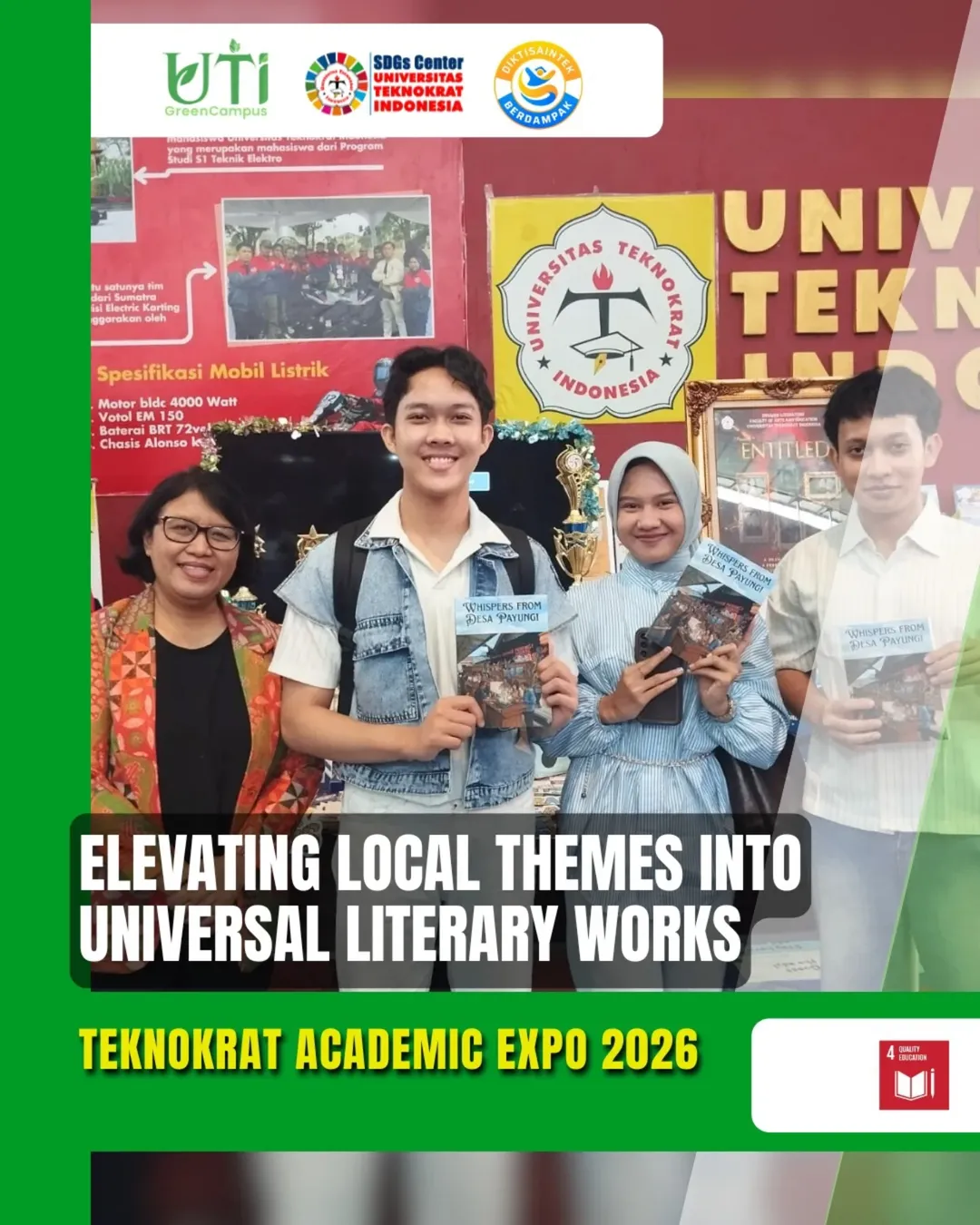
Bandar Lampung – Students of the English Literature Study Program at Universitas Teknokrat Indonesia (UTI) have once again demonstrated the power of creativity, academic excellence, and community engagement through the launch of their English-language short story anthology, Whisper from Desa Payungi, during the UTI EXPO 2025/2026. Read More: Universitas Teknokrat Indonesia Students Develop IoT-Based Fish Health Monitoring System to Advance Sustainable Aquaculture The anthology represents a significant academic achievement and reflects the university’s commitment to fostering innovative learning experiences that connect classroom knowledge with real-world contexts. More than a collection of literary works, Whisper from Desa Payungi serves as a testament to the effectiveness of project-based learning in developing students’ linguistic, analytical, and creative competencies. Developed under the guidance of lecturers from the English Literature Study Program, the anthology is the result of an immersive learning process that encouraged students to leave the traditional classroom environment and engage directly with the local community. Through field observations, cultural exploration, and interactions with residents of Payungi Cultural Village, students gathered valuable insights that later inspired a series of compelling short stories written in English. The stories capture the richness of local traditions, the warmth of community life, and the social dynamics that shape everyday experiences in Desa Payungi. By presenting these narratives through an international language, the students successfully transformed local wisdom into literary works with global relevance and appeal. “This anthology is not merely a final academic project. It is a reflection of our students’ ability to connect language, culture, and creativity while producing meaningful works that can be appreciated by a broader audience,” said one of the supervising lecturers involved in the project. Bridging Local Culture and Global Perspectives Through Literature The publication of Whisper from Desa Payungi highlights the important role of literature as a bridge between cultures. Through their stories, students explored universal human values such as family, friendship, resilience, identity, and community spirit, demonstrating that local experiences can resonate with readers across cultural and geographical boundaries. By writing in English, the students not only strengthened their language proficiency but also developed the ability to communicate Indonesian cultural values to an international audience. This approach reflects a growing trend in higher education that emphasizes intercultural competence alongside academic achievement. The project challenged students to observe social realities critically, interpret cultural phenomena creatively, and transform their experiences into engaging narratives. These skills are increasingly important in today’s global creative industries, where storytelling, communication, and cultural literacy play vital roles. Advancing Quality Education Through Project-Based Learning The anthology project serves as a concrete implementation of Sustainable Development Goal (SDG) 4: Quality Education, which promotes inclusive, equitable, and relevant learning opportunities. Through project-based learning, students are encouraged to actively participate in the educational process, moving beyond theoretical study to gain practical experiences that enrich their understanding of language, literature, and society. Rather than relying solely on conventional classroom instruction, the project required students to conduct research, engage with communities, gather data, and apply literary theories in authentic settings. This approach helped cultivate critical thinking, creativity, collaboration, communication skills, and social awareness—competencies that are essential for success in the 21st century. Educational experts increasingly recognize that experiential learning opportunities enable students to develop deeper understanding and stronger professional readiness. Through initiatives such as Whisper from Desa Payungi, Universitas Teknokrat Indonesia continues to demonstrate its commitment to educational innovation and academic excellence. Preserving Local Wisdom Through Creative Expression The anthology also contributes to the preservation and promotion of local cultural heritage. As globalization continues to influence cultural identities around the world, documenting and sharing local stories has become increasingly important. By transforming observations from Desa Payungi into literary narratives, students have helped preserve cultural memories and community values in a format that can reach wider audiences. The project demonstrates how literature can serve as a powerful medium for cultural preservation while simultaneously encouraging innovation and creativity. Furthermore, the initiative reinforces the idea that higher education institutions have a responsibility not only to educate students but also to contribute to the preservation of cultural heritage and the strengthening of community identity. Vice Rector Commends Students’ Literary Achievement The Vice Rector of Universitas Teknokrat Indonesia expressed appreciation for the students’ accomplishment and emphasized the significance of integrating academic learning with community engagement. “The publication of Whisper from Desa Payungi is a remarkable achievement that reflects the creativity, dedication, and academic capabilities of our English Literature students. This project demonstrates how meaningful learning occurs when students engage directly with society and transform their experiences into works that inspire others,” the Vice Rector stated. He added that the anthology reflects the university’s broader vision of producing graduates who are not only academically competent but also culturally aware and socially responsible. “We are proud to see our students using literature as a medium to promote local wisdom while communicating universal human values. Through projects like this, Universitas Teknokrat Indonesia continues to nurture graduates who can become cultural ambassadors, creative thinkers, and contributors to sustainable development,” he said. Showcasing Innovation at UTI EXPO 2025/2026 The launch of Whisper from Desa Payungi became one of the highlights of the UTI EXPO 2025/2026, an annual event that showcases student achievements, research projects, technological innovations, and creative works across various academic disciplines. The anthology attracted considerable attention from visitors, including educators, students, community leaders, and cultural enthusiasts, who praised the students’ ability to transform local experiences into high-quality literary works. As a platform for celebrating academic achievement and innovation, the expo continues to strengthen Universitas Teknokrat Indonesia’s reputation as a university that encourages creativity, interdisciplinary collaboration, and impactful learning experiences. Contributing to Sustainable Development Through Literature and Education The success of Whisper from Desa Payungi demonstrates how innovation in literary education can contribute meaningfully to sustainable development. In addition to supporting SDG 4 (Quality Education), the project also aligns with SDG 11 (Sustainable Cities and Communities) by promoting cultural preservation and strengthening community identity through storytelling. By encouraging students to engage with local communities and document their experiences through creative writing,

Universitas Teknokrat Indonesia Civil Engineering Students Showcase Innovative Road Engineering Models at Academic Expo 2026

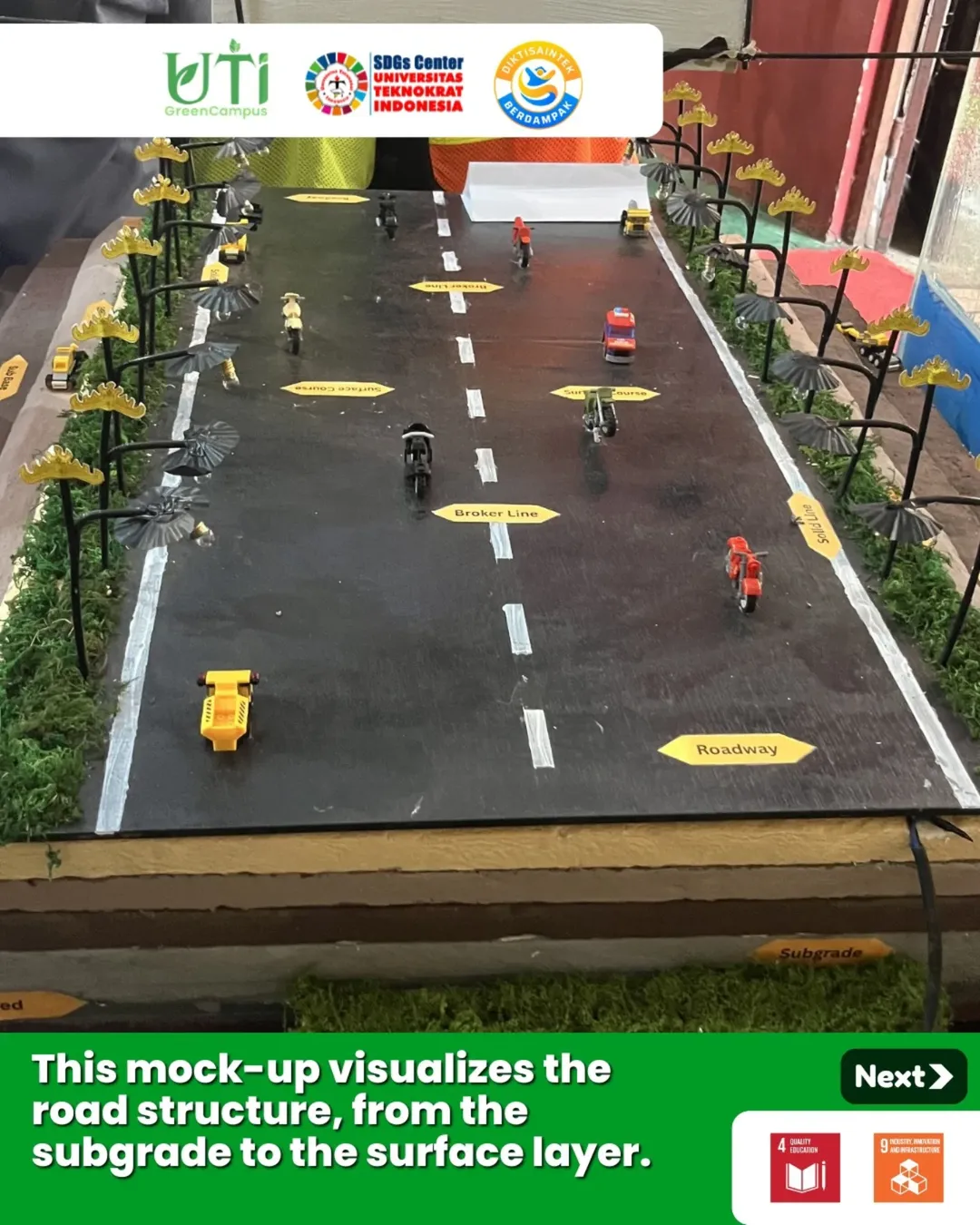
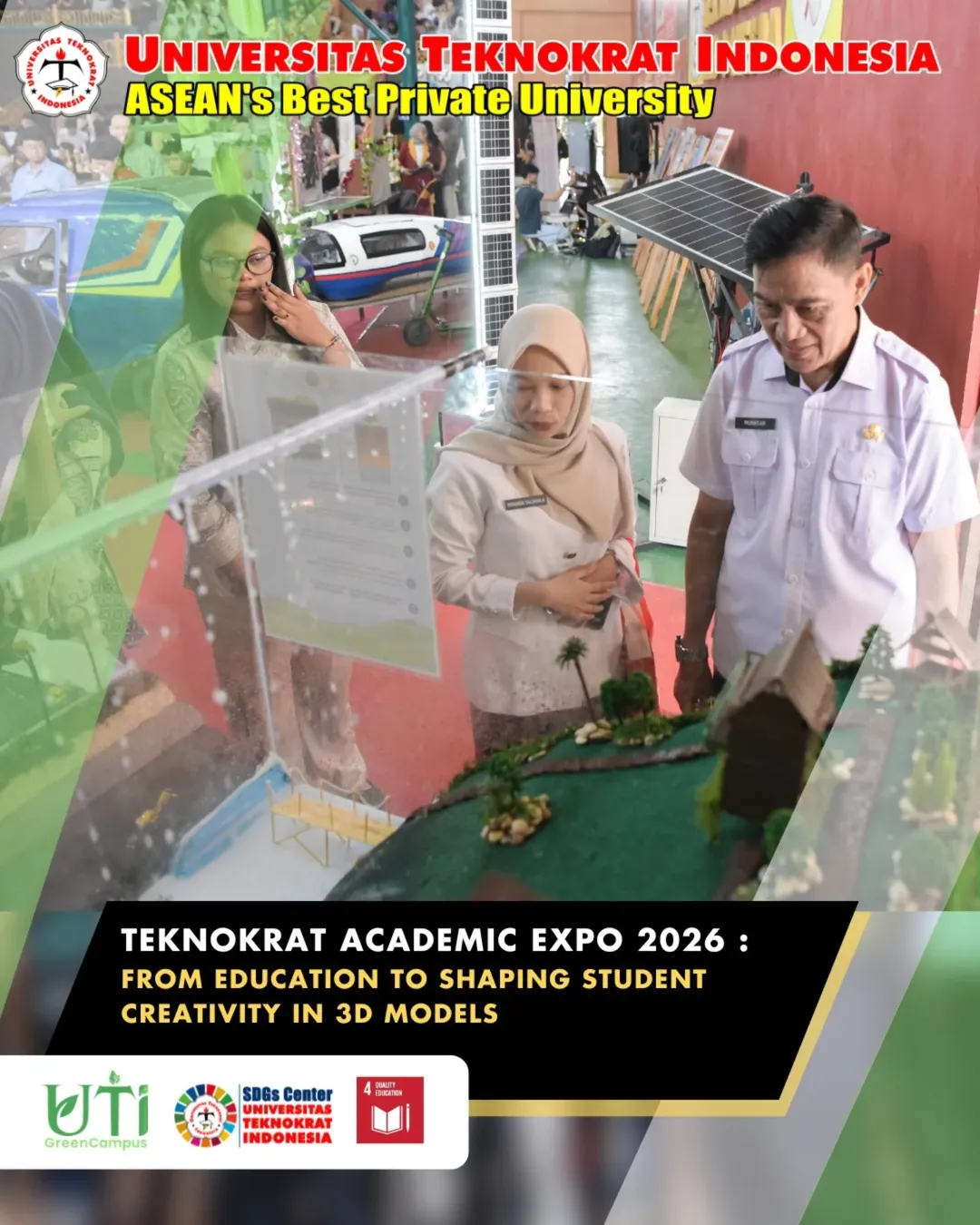
Bandar Lampung – The Civil Engineering Study Program of Universitas Teknokrat Indonesia (UTI) once again highlighted its dedication to academic excellence and innovation through the presentation of road engineering mock-ups during the Academic Expo 2026. The exhibition showcased a series of detailed road pavement layer models created by students as part of their project-based learning activities, demonstrating the university’s commitment to producing highly skilled graduates equipped to address future infrastructure challenges. Read More: Universitas Teknokrat Indonesia Students Develop IoT-Based Fish Health Monitoring System to Advance Sustainable Aquaculture The displayed engineering models represented various layers of road pavement construction, ranging from subgrade preparation to surface course design. More than simply academic assignments, these projects served as practical learning tools that transformed complex engineering theories into tangible visual representations, enabling students to better understand real-world construction systems and infrastructure planning. The exhibition attracted significant attention from visitors, including prospective students, educators, and industry practitioners, who were impressed by the students’ ability to translate technical concepts into innovative and educational models. According to the Civil Engineering Study Program, the initiative reflects the faculty’s commitment to experiential and project-based learning approaches that encourage students to actively engage with engineering challenges while developing critical thinking, creativity, and communication skills. “Engineering education should not only focus on theoretical knowledge but also on practical application. Through these road engineering models, students gain a deeper understanding of infrastructure systems while enhancing their ability to communicate technical concepts effectively,” explained one of the supervising lecturers. Transforming Classroom Knowledge into Real-World Engineering Solutions The road engineering mock-ups presented at Academic Expo 2026 illustrate how Universitas Teknokrat Indonesia integrates academic theory with practical implementation. By constructing detailed models of road pavement structures, students are encouraged to analyze the functions of each infrastructure component and understand how proper engineering design contributes to long-term durability, safety, and sustainability. The project also provides valuable opportunities for students to collaborate, solve technical problems, and apply engineering principles in realistic scenarios. Such experiences help prepare graduates to meet the evolving demands of the construction and infrastructure sectors. As infrastructure development continues to play a crucial role in Indonesia’s economic growth, universities are increasingly expected to produce graduates capable of contributing innovative ideas and sustainable solutions. Through initiatives like this, Universitas Teknokrat Indonesia ensures that its students are ready to become future engineers who can support national development goals. Contributing to Sustainable Development Through Education and Innovation The Civil Engineering students’ projects strongly align with the objectives of the United Nations Sustainable Development Goals (SDGs), particularly SDG 4: Quality Education and SDG 9: Industry, Innovation, and Infrastructure. Through project-based learning, students acquire not only technical competencies but also problem-solving abilities, teamwork skills, and professional communication capabilities. These competencies are essential for developing future engineers capable of addressing increasingly complex societal and environmental challenges. Furthermore, a comprehensive understanding of road pavement systems forms a critical foundation for building resilient and sustainable transportation infrastructure. Reliable road networks are essential for enhancing regional connectivity, facilitating economic activities, improving access to public services, and supporting long-term development. The road engineering models displayed during the expo symbolize the early stages of innovation that can eventually contribute to larger-scale infrastructure solutions. By nurturing creativity and technical expertise in the classroom, Universitas Teknokrat Indonesia actively supports the development of a more innovative and sustainable infrastructure sector. Academic Expo 2026: A Platform for Future Innovators Academic Expo 2026 serves as an important platform for students to showcase their academic achievements, technological innovations, and creative projects. The event reflects Universitas Teknokrat Indonesia’s vision of fostering a dynamic learning environment where students are encouraged to explore their potential and transform ideas into meaningful contributions to society. Students participating in the expo benefit from guidance provided by experienced academics and industry practitioners from leading national and international institutions. This collaborative ecosystem helps ensure that learning outcomes remain relevant to current industry needs while preparing graduates to compete in an increasingly globalized workforce. The Civil Engineering exhibition stood out as one of the event’s highlights, offering visitors a glimpse into the future of infrastructure education and demonstrating how young engineers are being prepared to become agents of development and innovation. Vice Rector Commends Students’ Creativity and Engineering Excellence The Vice Rector of Universitas Teknokrat Indonesia expressed appreciation for the students’ achievements and emphasized the importance of practical learning in shaping future engineering professionals. “The road engineering models displayed by our Civil Engineering students demonstrate not only technical knowledge but also creativity, dedication, and the ability to apply classroom learning to real-world challenges. We are proud to see our students producing innovative work that reflects the quality of education at Universitas Teknokrat Indonesia,” the Vice Rector stated. He further emphasized that the university remains committed to strengthening academic quality, fostering innovation, and creating opportunities for students to develop competencies that contribute to national development. “Through project-based learning and continuous collaboration with industry and academic partners, we aim to produce graduates who are ready to lead, innovate, and contribute positively to society. These projects are evidence that our students are prepared to become future engineers capable of supporting sustainable infrastructure development,” he added. Inspiring the Next Generation of Civil Engineers Through initiatives such as Academic Expo 2026, Universitas Teknokrat Indonesia continues to strengthen its reputation as a center for innovation, technology, and professional education. The exhibition of road engineering mock-ups demonstrates how practical learning can inspire students to pursue excellence while developing solutions that address real societal needs. For high school students interested in pursuing a career in Civil Engineering through engaging, innovative, and industry-oriented learning experiences, Universitas Teknokrat Indonesia offers an ideal environment to grow academically and professionally. By joining the UTI community, future engineers will have the opportunity to learn from experienced academics and practitioners while contributing to the development of sustainable infrastructure for Indonesia’s future. Read More: AgroBot Feed Innovation by Universitas Teknokrat Indonesia Students Advances Smart Livestock Technology #KampusTerbaikdiLampung#KampusFavoritdiLampung#KampusUnggulandiLampung#kampushijaulampung#kampuslampungberkelanjutan

Universitas Teknokrat Indonesia Students Develop IoT-Based Fish Health Monitoring System to Advance Sustainable Aquaculture

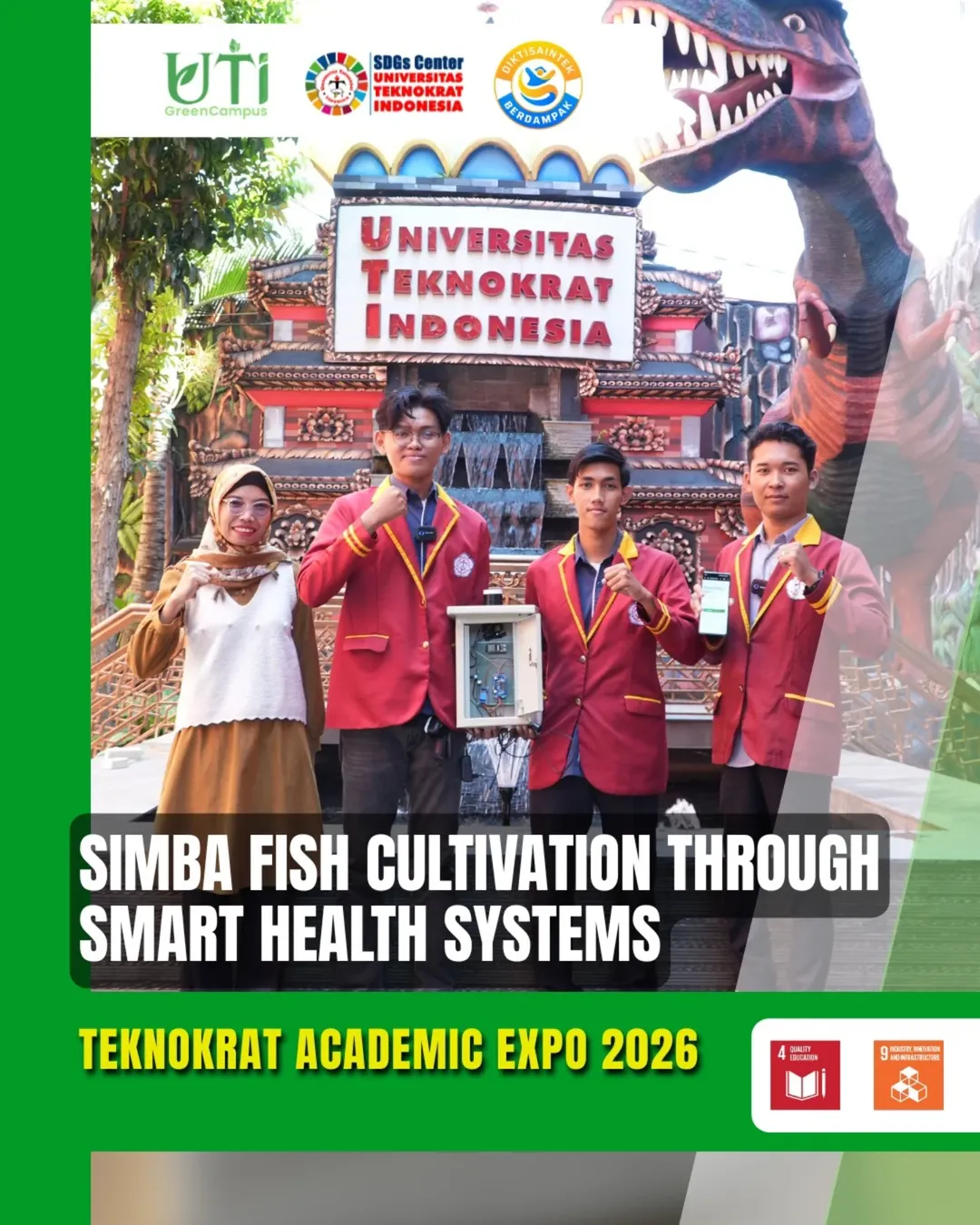
Bandar Lampung – Students of Universitas Teknokrat Indonesia (UTI) have once again demonstrated their innovation and technological excellence through the development of the Simba Smart Health System, an Internet of Things (IoT)-based fish health monitoring system designed to support sustainable and efficient aquaculture practices. The project was showcased during the Academic Expo 2026, highlighting the university’s commitment to fostering impactful innovations that address real-world challenges. Read More: AgroBot Feed Innovation by Universitas Teknokrat Indonesia Students Advances Smart Livestock Technology The Simba Smart Health System was developed through a collaborative effort between students from the Computer Engineering and Information Technology programs. By integrating advanced hardware technologies with intelligent data processing systems, the innovation enables real-time monitoring of water quality conditions while also detecting potential threats from predators that could endanger fish populations. This interdisciplinary collaboration reflects the growing importance of combining expertise from multiple fields to create practical solutions for industry and society. The system utilizes smart sensors and digital monitoring technologies to collect and analyze environmental data continuously, allowing fish farmers to make faster and more accurate decisions in managing aquaculture operations. According to the student development team, the primary objective of the Simba Smart Health System is to help improve productivity, reduce losses caused by environmental factors, and promote more efficient fish farming practices through digital transformation. “Through the Simba Smart Health System, we aim to provide a practical technological solution that helps fish farmers monitor critical conditions in real time. We believe technology can play a significant role in improving productivity and supporting sustainable aquaculture development,” the student team explained. The innovation represents a concrete example of how higher education institutions can bridge academic knowledge with practical applications. More than just an exhibition project, the system demonstrates the potential of student-led research and innovation to contribute directly to local economic development and community welfare. Strengthening Innovation Through Project-Based Learning The development of the Simba Smart Health System also reflects Universitas Teknokrat Indonesia’s educational approach, which emphasizes project-based learning, innovation, and industry-relevant competencies. Through hands-on experiences, students are encouraged to develop solutions that respond to contemporary challenges while enhancing their technical and professional skills. The project serves as a tangible implementation of Sustainable Development Goal (SDG) 4: Quality Education, which promotes inclusive and equitable quality education while fostering lifelong learning opportunities. By engaging students in collaborative research and innovation projects, the university equips future graduates with practical competencies, critical thinking abilities, and problem-solving skills required in the rapidly evolving digital era. Supporting the Modernization of Indonesia’s Fisheries Sector Beyond education, the Simba Smart Health System contributes to the advancement of SDG 9: Industry, Innovation, and Infrastructure. The application of IoT technology in aquaculture represents an important step toward modernizing traditional fish farming methods and strengthening the technological infrastructure of Indonesia’s fisheries sector. By integrating smart sensors, automated monitoring, and digital data management, the system provides a more scientific and data-driven approach to fish farming. Such innovations have the potential to increase operational efficiency, reduce risks, and improve overall production quality. Experts have increasingly emphasized the importance of digital transformation in agriculture and fisheries as a strategy to enhance competitiveness and sustainability. Through innovations such as the Simba Smart Health System, Universitas Teknokrat Indonesia contributes to accelerating technology adoption at the grassroots level and supporting the development of a more resilient fisheries industry. University Leadership Applauds Student Achievement Vice Rector of Universitas Teknokrat Indonesia expressed appreciation for the students’ achievement and their commitment to creating solutions that generate meaningful social impact. “The Simba Smart Health System demonstrates the creativity, technical competence, and collaborative spirit of our students. This innovation proves that higher education is not only about acquiring knowledge but also about creating solutions that address real challenges faced by society. We are proud to see our students contributing to technological advancement and sustainable development through innovation,” said the Vice Rector of Universitas Teknokrat Indonesia. The Vice Rector further emphasized that the university remains committed to nurturing an innovation ecosystem that encourages interdisciplinary collaboration, research excellence, and technology commercialization for the benefit of the wider community. Building a Sustainable Innovation Ecosystem The Academic Expo 2026 serves as a platform for students to showcase their creativity, research outcomes, and technological innovations while connecting academic achievements with societal needs. Through events such as this, Universitas Teknokrat Indonesia continues to strengthen its position as a center for innovation, entrepreneurship, and technological development in Indonesia. The Simba Smart Health System stands as a testament to how student innovation can contribute not only to academic excellence but also to economic empowerment and sustainable development. By supporting the digitalization of aquaculture, the project has the potential to improve fish farmers’ productivity, strengthen local economies, and enhance community welfare. As technological advancement continues to shape the future, Universitas Teknokrat Indonesia remains dedicated to producing graduates who are not only highly skilled but also capable of driving positive change through innovation. The success of the Simba Smart Health System reinforces the university’s vision of becoming a catalyst for sustainable technological development and national progress. Supporting the Sustainable Development Goals (SDGs) The Simba Smart Health System directly contributes to several United Nations Sustainable Development Goals. In addition to supporting SDG 4 (Quality Education) and SDG 9 (Industry, Innovation, and Infrastructure), the project also aligns with SDG 8 (Decent Work and Economic Growth) by helping improve productivity within the fisheries sector and supporting economic opportunities for local communities. Furthermore, the technology promotes more responsible resource management, contributing to long-term environmental and economic sustainability. Through innovations that combine education, technology, and social impact, Universitas Teknokrat Indonesia continues to demonstrate its commitment to advancing sustainable development at both local and national levels. Read More: Universitas Teknokrat Indonesia Academic Expo Showcases “Nutriscane” Innovation Supporting SDGs #KampusTerbaikdiLampung#KampusFavoritdiLampung#KampusUnggulandiLampung#kampushijaulampung#kampuslampungberkelanjutan

AgroBot Feed Innovation by Universitas Teknokrat Indonesia Students Advances Smart Livestock Technology

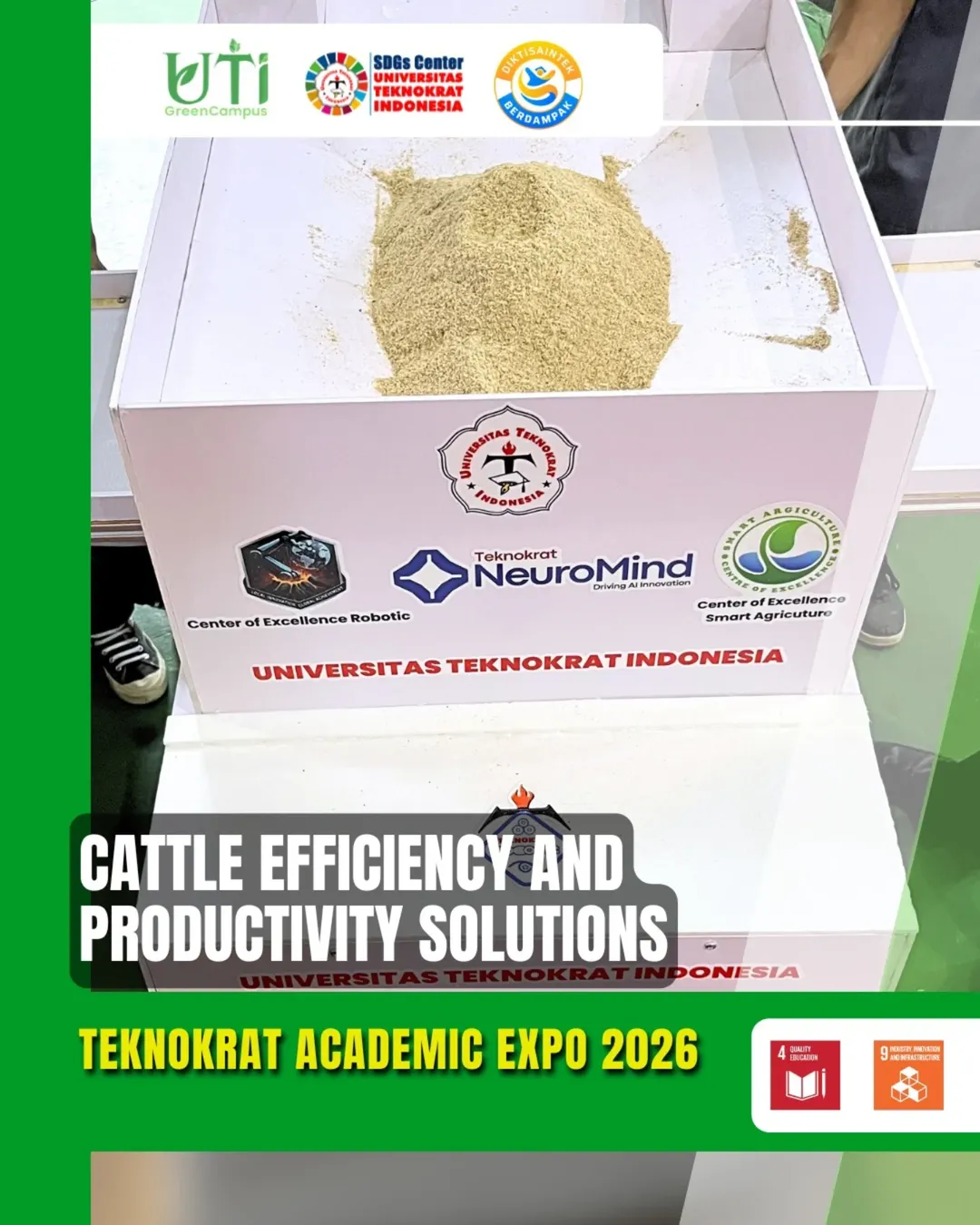
Bandar Lampung – Students of Universitas Teknokrat Indonesia (UTI) have once again demonstrated their innovative excellence by developing AgroBot Feed, a cutting-edge automatic cattle feeding robot designed to modernize livestock management. This breakthrough innovation marks another significant milestone in the university’s commitment to producing impactful, technology-driven solutions for real-world challenges. Read More : Universitas Teknokrat Indonesia Academic Expo Showcases “Nutriscane” Innovation Supporting SDGs The development of AgroBot Feed reflects the successful implementation of Sustainable Development Goal (SDG) 4: Quality Education, where Universitas Teknokrat Indonesia continues to position itself as a center for transformative learning. Through a combination of Artificial Intelligence (AI), robotics, and smart agriculture systems, students are not only gaining theoretical knowledge but also applying it directly in practical and meaningful ways. Developed within the university’s Center of Excellence, AgroBot Feed is the result of close collaboration between students and faculty members. This hands-on learning approach ensures that students are equipped with future-ready skills, enabling them to become innovators capable of responding to the demands of the rapidly evolving digital era. AgroBot Feed is designed with a smart control system that can automatically regulate feeding schedules and portions with high accuracy. This feature allows livestock farmers to maintain consistency in animal nutrition while significantly reducing manual labor. The system also minimizes the risk of overfeeding or underfeeding, contributing to improved livestock health and productivity. The innovation strongly aligns with SDG 9: Industry, Innovation, and Infrastructure, as it promotes the adoption of advanced technology in the agricultural and livestock sectors. By introducing automation into daily farming activities, AgroBot Feed helps build a more efficient and sustainable agricultural ecosystem. This transformation is particularly important in supporting local farmers to adapt to the challenges of the Industry 4.0 era, where digital integration is becoming essential. According to the student development team, the idea behind AgroBot Feed originated from the challenges faced by traditional livestock farmers, including time-consuming feeding processes and inconsistent feeding schedules. By leveraging modern technology, the team aims to create a solution that is not only efficient but also accessible and scalable for wider use. “AgroBot Feed is designed to simplify farmers’ daily activities while improving productivity. We hope this innovation can contribute to the advancement of smart farming in Indonesia,” said one of the student developers during the presentation. The robot was officially showcased at the 2026 Academic Expo, one of Universitas Teknokrat Indonesia’s flagship events that highlights student innovation and creativity. The exhibition attracted significant attention from visitors, academics, and industry observers, who recognized the potential of AgroBot Feed to transform the livestock sector. University representatives emphasized that innovations like AgroBot Feed demonstrate the institution’s strong commitment to encouraging research-based learning and technological development. By integrating academic knowledge with practical implementation, the university continues to produce graduates who are not only skilled but also capable of driving innovation at both national and global levels. “AgroBot Feed is more than just a technological product—it represents our students’ dedication to creating solutions that benefit society. This is a clear example of how education, research, and innovation can work together to support sustainable development,” a university official stated. Beyond its technical advantages, AgroBot Feed also reflects a broader commitment to improving livestock welfare and supporting national food security. By ensuring efficient and precise feeding, the system contributes to healthier livestock, which ultimately benefits the entire agricultural supply chain. Looking forward, Universitas Teknokrat Indonesia aims to further develop and refine this innovation, with the potential for commercialization and wider adoption across Indonesia’s agricultural sector. The university also encourages continuous collaboration with industry partners to ensure that such innovations can reach and benefit local communities. AgroBot Feed stands as a powerful symbol of how student innovation, when supported by quality education and strong institutional guidance, can create meaningful contributions to sustainable development and national progress. Read More: Innovative Learning at Universitas Teknokrat Indonesia: Civil Engineering Students Develop Soil Layer and Hydrological Process Scale Model Support SDGs:

Universitas Teknokrat Indonesia Academic Expo Showcases “Nutriscane” Innovation Supporting SDGs

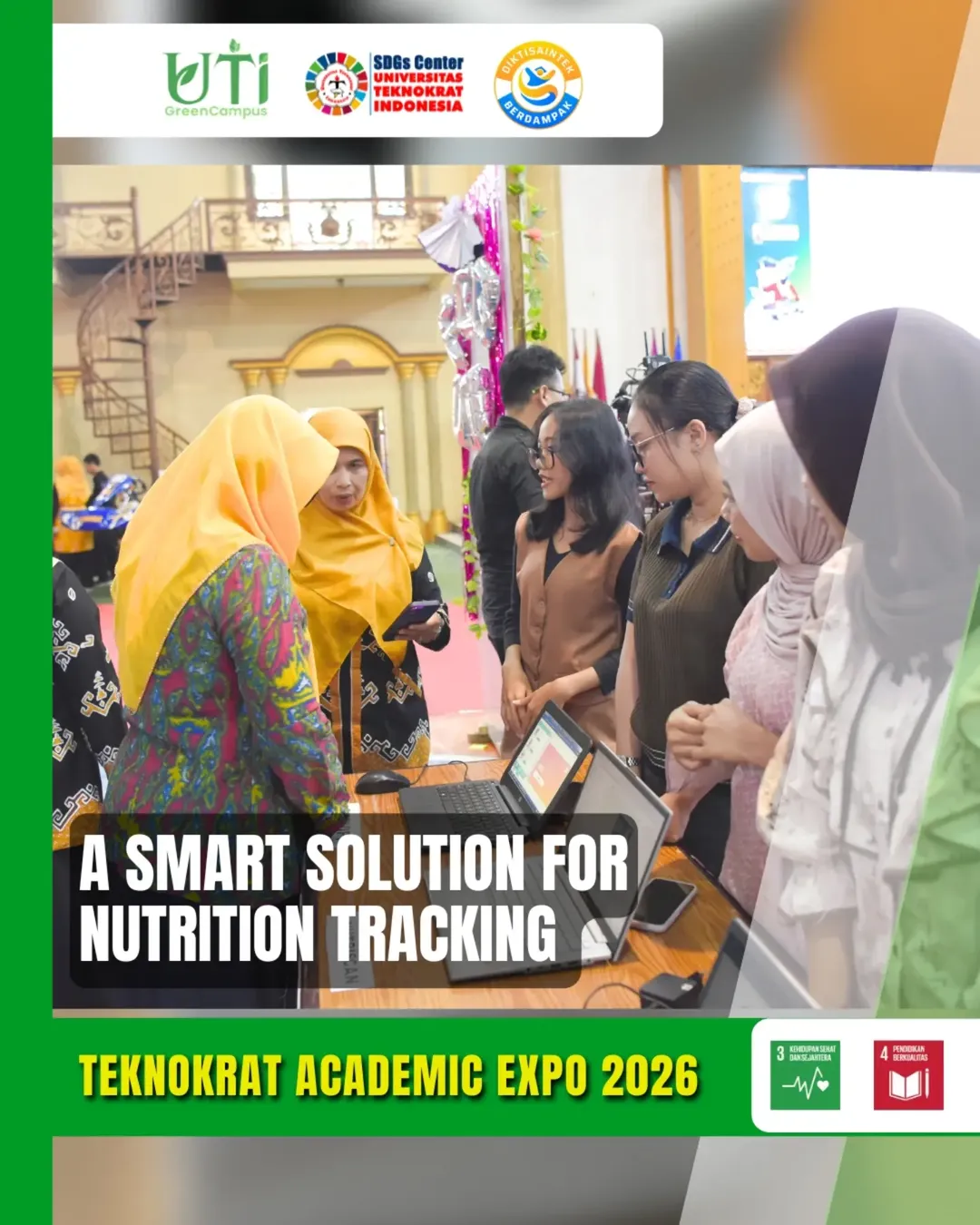
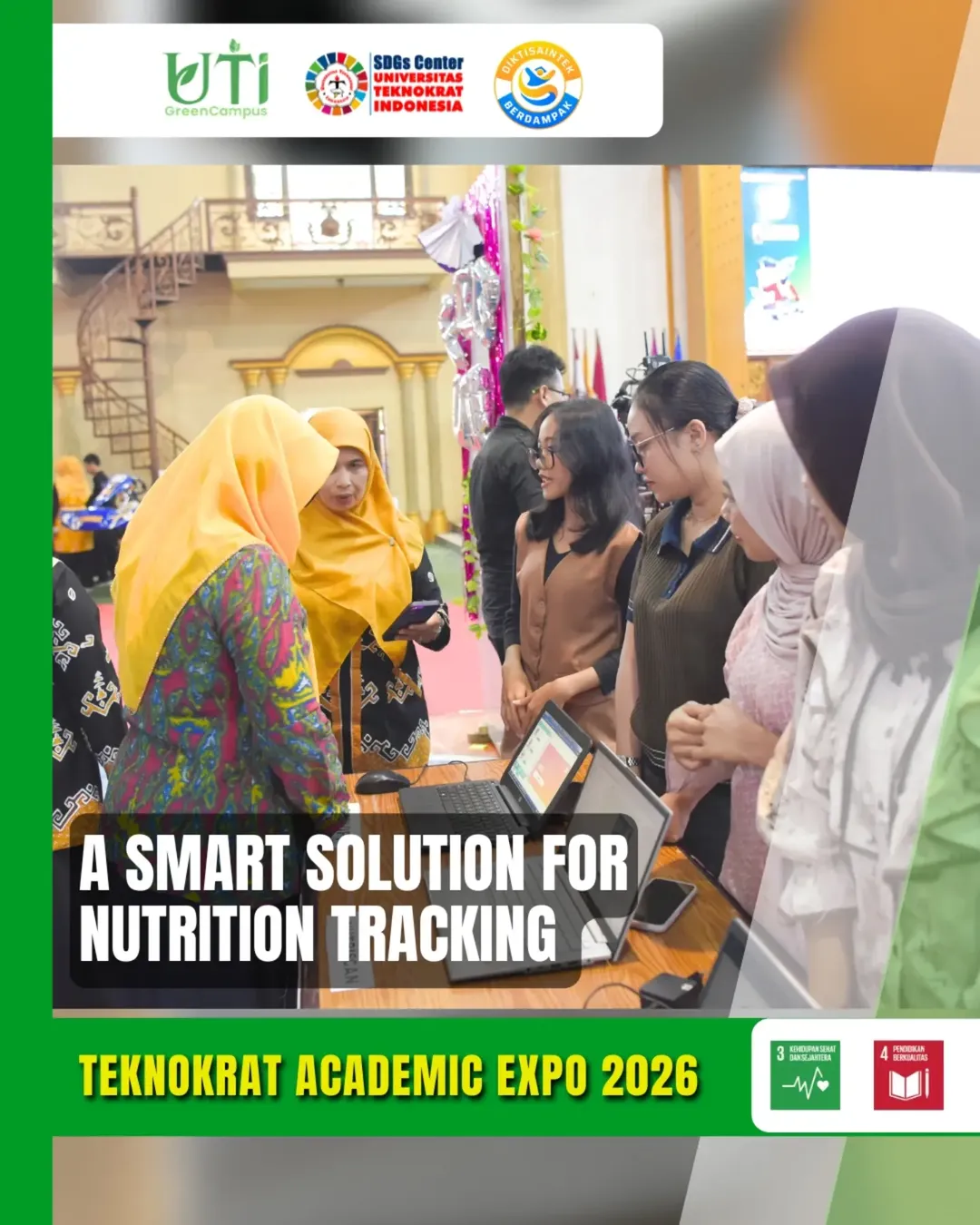
Bandar Lampung – The Academic Expo held by Universitas Teknokrat Indonesia (UTI) once again highlights the university’s strong commitment to fostering innovation and supporting global development goals. This annual event serves as a dynamic platform for students to present their creative works, bridging academic knowledge with real-world applications. Read More : Universitas Teknokrat Indonesia Develops Third-Generation Digital Smart Collar to Advance Smart Livestock Technology More than just an exhibition, the Academic Expo reflects UTI’s dedication to advancing Sustainable Development Goal (SDG) 4: Quality Education, by encouraging students to go beyond theoretical learning. Through this initiative, students are challenged to develop innovative solutions that address contemporary societal issues, particularly in the era of rapid digital transformation. One of the standout innovations presented at this year’s expo is “Nutriscane,” a digital application designed to promote healthier lifestyles through technology. The app introduces a practical barcode scanning feature that enables users to instantly access detailed nutritional information of packaged food products, including calorie count, sugar levels, and fat content. This innovation directly supports SDG 3: Good Health and Well-being, as it empowers individuals to make more informed dietary decisions. In today’s fast-paced lifestyle, where processed and packaged foods are increasingly consumed, Nutriscane provides a smart and accessible solution to help users better manage their daily nutritional intake. The developers of Nutriscane explained that the idea emerged from growing public concern about health issues related to poor dietary habits. By integrating technology with health awareness, the application aims to educate consumers and encourage healthier consumption patterns. “Through Nutriscane, we want to help people become more aware of what they consume every day. Small decisions, such as choosing healthier food options, can have a significant impact on long-term well-being,” said one of the student developers during the expo. The presence of innovations like Nutriscane demonstrates how Universitas Teknokrat Indonesia continues to nurture a generation of students who are not only academically competent but also socially responsive and solution-oriented. The university actively promotes interdisciplinary collaboration, enabling students to combine knowledge from technology, health, and social sciences. Furthermore, the Academic Expo strengthens the synergy between education and innovation by creating an ecosystem where ideas can grow into impactful solutions. It also serves as a stepping stone for students to prepare for future challenges in both national and global contexts. University representatives emphasized that such initiatives are part of UTI’s long-term vision to produce graduates who are ready to contribute meaningfully to society. By aligning student projects with the SDGs, the university ensures that innovation is not only creative but also purposeful. “Nutriscane is more than just a technological product—it represents the spirit of young innovators who care about public health and are eager to make a difference,” a university official stated. Looking ahead, Universitas Teknokrat Indonesia remains committed to supporting student-driven innovations that address real-world problems. The success of Nutriscane serves as an inspiring example of how higher education institutions can play a vital role in shaping a healthier, smarter, and more sustainable society. With continued support and collaboration, innovations like Nutriscane are expected to contribute significantly to public awareness, healthier lifestyles, and national progress in the digital era. Read More: Innovative Learning at Universitas Teknokrat Indonesia: Civil Engineering Students Develop Soil Layer and Hydrological Process Scale Model Support SDGs :

Universitas Teknokrat Indonesia Develops Third-Generation Digital Smart Collar to Advance Smart Livestock Technology

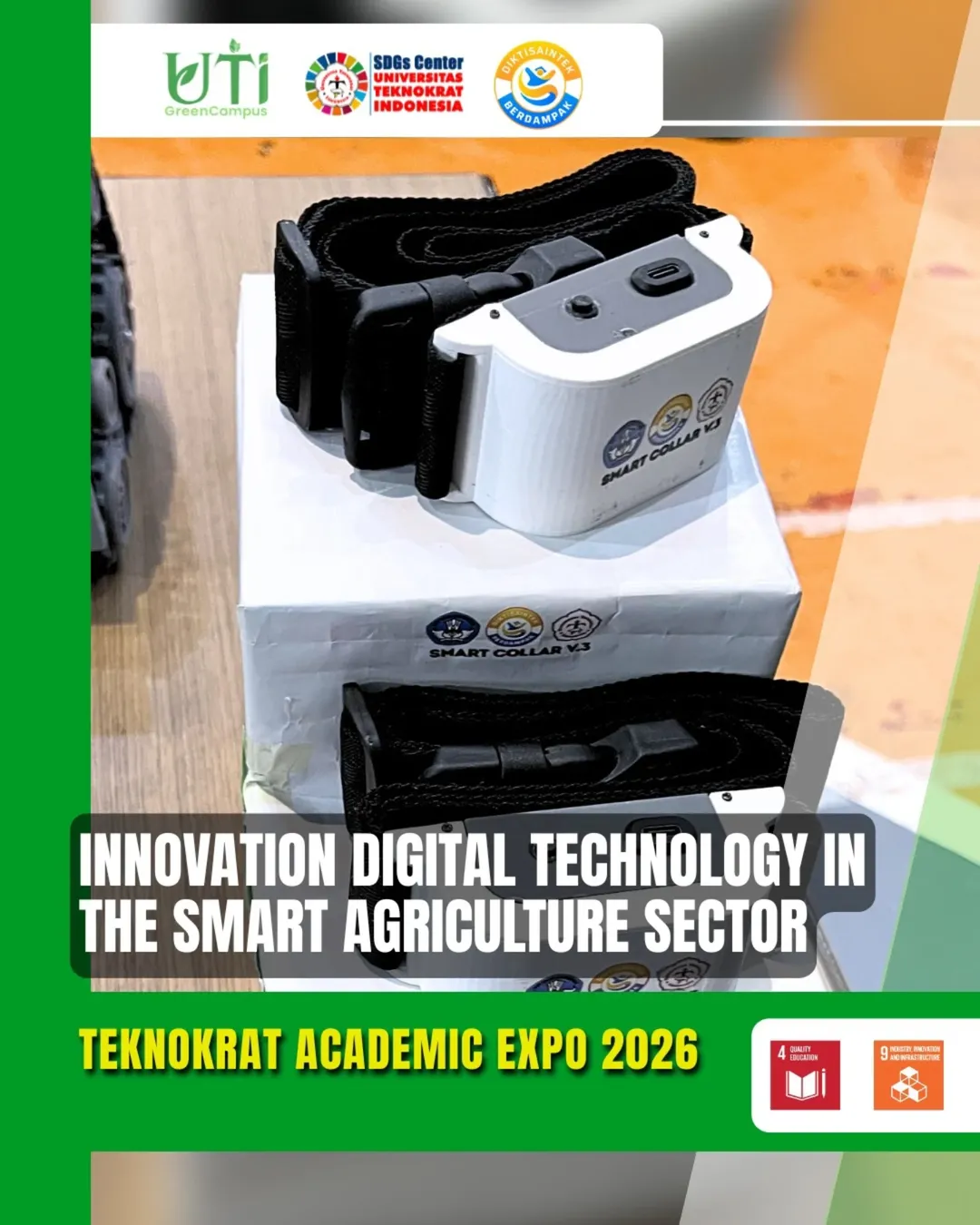
Bandar Lampung – Universitas Teknokrat Indonesia continues to demonstrate its commitment to innovation, research excellence, and societal impact through the development of a third-generation Digital Smart Collar, an Internet of Things (IoT)–based wearable device designed to monitor livestock health in real time. The innovation is developed through the Center of Excellence (CoE) Smart Agriculture, where students and faculty collaborate in applied research aimed at addressing real challenges in the agricultural and livestock sectors. Other News: Innovative Learning at Universitas Teknokrat Indonesia: Civil Engineering Students Develop Soil Layer and Hydrological Process Scale Model The project involves students from the Computer Engineering program, who work closely with faculty mentors to design, test, and refine the technology. This hands-on research initiative reflects the university’s vision of preparing graduates who are not only academically capable but also equipped with practical skills to solve complex problems in the field. The Digital Smart Collar represents the latest evolution of previous prototypes developed at Universitas Teknokrat Indonesia. In its third generation, the device integrates advanced sensors, wireless communication systems, and data analytics platforms to provide continuous monitoring of livestock health conditions. Using IoT technology, the collar collects important physiological and behavioral data from animals, such as body movement, temperature indicators, and activity patterns. The information is then transmitted to a digital platform that allows farmers to monitor livestock conditions through smartphones or computer dashboards. This innovation enables farmers to detect early signs of disease, monitor animal activity, and manage livestock more efficiently. By accessing real-time data, farmers can make faster and more accurate decisions related to feeding patterns, health treatments, and overall livestock management. According to the research team, the development of the Digital Smart Collar is part of Universitas Teknokrat Indonesia’s broader strategy to strengthen its Center of Excellence programs, which aim to bridge academic research with industry applications and commercialization opportunities. The research initiative has received support from the Ministry of Higher Education, Science, and Technology (Kemendiktisaintek) through the SINERGI research funding scheme, highlighting the national importance of this technological innovation. With this support, the Digital Smart Collar is no longer positioned merely as an experimental prototype but is being prepared as a commercial-ready technology that can be implemented in Indonesia’s livestock industry. The development of this wearable device is expected to play a significant role in accelerating the digital transformation of the livestock sector in Indonesia. By integrating smart monitoring technology into traditional farming practices, farmers can improve productivity, reduce livestock mortality, and optimize resource management. Researchers involved in the project explained that one of the main goals of the technology is to empower farmers with accessible and affordable digital tools. “Through the Digital Smart Collar, farmers can monitor the health of their livestock in real time. Early detection of disease risks allows them to take preventive measures quickly, which ultimately improves livestock productivity and reduces economic losses,” explained one of the faculty mentors involved in the research. The project also serves as an important learning platform for students. By participating directly in applied research, students gain valuable experience in hardware development, sensor integration, IoT networking, and data analytics, skills that are highly relevant to the rapidly evolving digital technology sector. Through the Center of Excellence Smart Agriculture, Universitas Teknokrat Indonesia continues to encourage interdisciplinary collaboration between engineering, agriculture, and information technology to produce solutions that can benefit society at large. In addition to strengthening research capacity, the university also aims to ensure that technological innovations produced on campus can generate tangible economic and social impact, particularly for rural communities and farmers. Contribution to the Sustainable Development Goals (SDGs) The development of the Digital Smart Collar by Universitas Teknokrat Indonesia aligns closely with several key targets within the United Nations Sustainable Development Goals (SDGs). First, the initiative strongly supports SDG 4: Quality Education. By engaging students directly in applied research projects, the university provides a learning environment that combines academic knowledge with real-world problem solving. Students gain practical experience in technological innovation while contributing to solutions that address national development challenges. Second, the innovation contributes to SDG 9: Industry, Innovation, and Infrastructure. The Digital Smart Collar represents a form of technological advancement that strengthens Indonesia’s digital infrastructure in the agricultural sector. The integration of IoT, sensor technology, and data analytics helps modernize traditional livestock farming practices and promotes innovation in agricultural technology. Third, the project also contributes indirectly to SDG 2: Zero Hunger by supporting the development of more efficient livestock management systems. By improving animal health monitoring and productivity, the technology can help increase food production capacity and support food security. Finally, the collaboration between the university, government research funding programs, and the agricultural sector reflects the spirit of SDG 17: Partnerships for the Goals. The synergy between academia, government institutions, and farmers demonstrates how multi-stakeholder collaboration can accelerate technological progress and sustainable development. Through initiatives such as the Digital Smart Collar, Universitas Teknokrat Indonesia continues to position itself as a hub of innovation and applied research, ensuring that academic knowledge is transformed into practical technologies that contribute to national development, technological independence, and the long-term welfare of Indonesian farmers. Other News: Teknokrat Electrical Engineering Students Develop Eco-Friendly Micro-Hydro Power Plant for Rural Energy Solutions

Innovative Learning at Universitas Teknokrat Indonesia: Civil Engineering Students Develop Soil Layer and Hydrological Process Scale Model

Bandar Lampung – Civil Engineering students at Universitas Teknokrat Indonesia continue to demonstrate innovation in applied learning through the development of a detailed scale model that illustrates soil layers and hydrological processes. This educational project was designed as a practical learning medium to simplify complex geotechnical concepts and the natural water cycle, enabling students to better understand the interaction between soil characteristics and water movement. Other News: Teknokrat Electrical Engineering Students Develop Eco-Friendly Micro-Hydro Power Plant for Rural Energy Solutions The creation of the scale model reflects a hands-on learning approach that encourages students to translate theoretical knowledge into tangible visualization. In civil engineering, understanding the relationship between soil properties and hydrological dynamics is crucial, as both significantly influence the planning, design, and construction of infrastructure such as buildings, highways, bridges, and dams. This project integrates two fundamental areas of civil engineering study: Soil Mechanics and Hydrology. Through Soil Mechanics, students analyze the physical and mechanical properties of soil, including density, permeability, and bearing capacity—factors that determine the stability and safety of structures built on the ground. Meanwhile, Hydrology focuses on the natural movement of water within the environment, encompassing rainfall patterns, infiltration processes, groundwater flow, and surface runoff. According to the academic team supervising the project, combining these two disciplines allows students to develop a more holistic understanding of how soil and water systems interact in real-world engineering scenarios. “By visualizing soil layers and water movement through a scale model, students can more easily grasp complex geotechnical concepts that are often difficult to understand through theory alone,” explained one of the lecturers involved in the project. The scale model developed by the students presents a detailed cross-sectional representation of underground soil layers. The model includes several strata arranged sequentially, starting from topsoil, followed by clay, sand, and ending with bedrock. Each layer is designed with different colors and textures to provide a realistic depiction of subsurface geological structures. In addition to illustrating soil stratification, the model also incorporates dynamic simulations of hydrological processes. Water can be poured onto the model surface to demonstrate rainfall infiltration into the soil and the formation of surface runoff. Through this simulation, students are able to observe how water interacts with different soil types, including how permeability and soil composition influence water absorption and flow. This interactive approach not only enhances students’ conceptual understanding but also strengthens their analytical and problem-solving skills in addressing real engineering challenges. By observing the physical behavior of water within layered soils, students gain insights into issues such as drainage planning, slope stability, groundwater management, and flood mitigation. The project also reflects Universitas Teknokrat Indonesia’s commitment to promoting experiential learning in engineering education. By combining theoretical instruction with practical demonstrations, the university aims to prepare graduates who are not only academically competent but also capable of applying their knowledge to real-world infrastructure development. Through innovative learning initiatives such as this scale model project, Civil Engineering students at Universitas Teknokrat Indonesia continue to showcase their creativity, technical competence, and readiness to contribute to sustainable infrastructure solutions in the future. Other News: Civil Engineering Students of Universitas Teknokrat Indonesia Showcase Dam Scale Model at Academic Expo 2026 Support SDGs:

Teknokrat Electrical Engineering Students Develop Eco-Friendly Micro-Hydro Power Plant for Rural Energy Solutions

Bandar Lampung – Electrical Engineering students of Universitas Teknokrat Indonesia have once again demonstrated their innovation and technical excellence by developing an environmentally friendly Micro-Hydro Power Plant (MHP). This project represents a tangible contribution by students in delivering renewable energy solutions based on local natural resources. Baca Juga: Civil Engineering Students of Universitas Teknokrat Indonesia Showcase Dam Scale Model at Academic Expo 2026 Under the supervision of Fika Trisnawati, S.T., M.T., and Sigit Doni Ramdhan, S.T., M.Eng., the student team led by Kia Awanda Pria successfully designed a micro-hydro system capable of harnessing small-scale river currents as a sustainable energy source. The system integrates a turbine, generator, and a precision power conversion unit to transform low water discharge into stable and efficient electrical energy. Implementation of Quality Higher Education Through Applied Research The development of this Micro-Hydro Power Plant goes beyond a classroom assignment. It reflects the practical implementation of quality higher education, where students are encouraged to bridge theoretical knowledge with real-world engineering challenges. Through direct field testing and system validation, the team ensured that the technology was not only conceptually sound but also technically robust and adaptable to various environmental conditions. This applied research process strengthened students’ technical competencies, problem-solving skills, and professional independence as future engineers ready to contribute to industry and society. Clean Energy Solution for Remote Communities More than an academic achievement, this micro-hydro innovation offers a strategic solution for rural and remote areas where access to conventional electricity infrastructure remains limited. By utilizing locally available river currents, the system provides an independent, clean, and renewable energy alternative. This initiative has the potential to foster more self-sufficient, inclusive, and sustainable communities while reducing dependence on fossil-based energy sources. The environmentally friendly nature of micro-hydro technology also supports efforts to lower carbon emissions and promote green development. Institutional Commitment to Sustainable Innovation Through this project, Universitas Teknokrat Indonesia reaffirms its commitment to supporting student-driven innovation that delivers meaningful societal impact. The Micro-Hydro Power Plant initiative aligns with the university’s vision of promoting research-based learning and sustainable technological solutions. By empowering young innovators in the field of renewable energy, Universitas Teknokrat Indonesia continues to position itself as a center of excellence that not only achieves academic distinction but also contributes actively to sustainable national development and community well-being. Support for SDGS:

Scroll to top