Waste

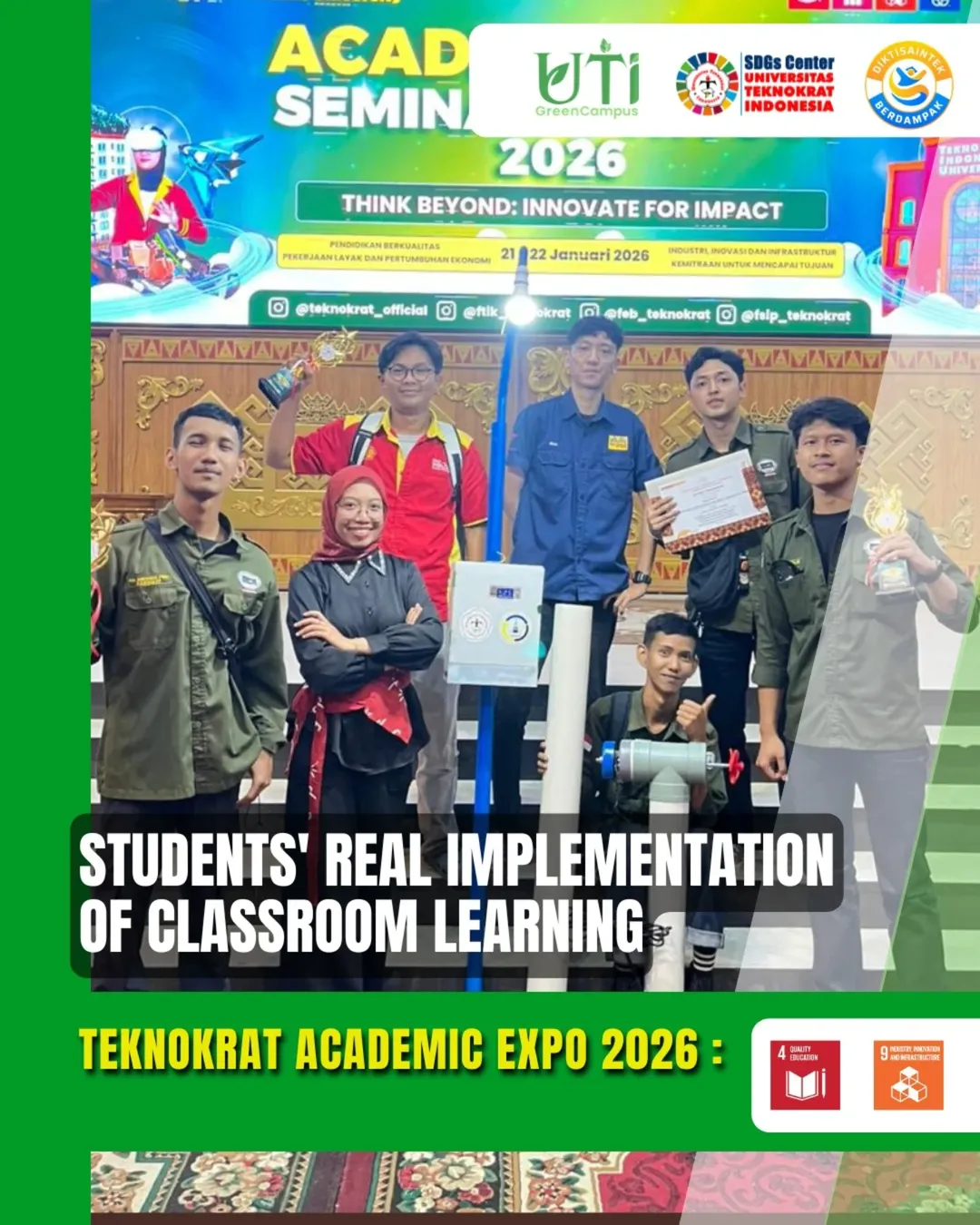
Civil Engineering Students of Universitas Teknokrat Indonesia Showcase Dam Scale Model at Academic Expo 2026

Bandar Lampung – Civil Engineering students from Universitas Teknokrat Indonesia (UTI) once again demonstrated their academic excellence and engineering capabilities at the Academic Expo 2026 by presenting a detailed dam scale model. The project represents the successful integration of theoretical knowledge and practical application gained through the Advanced Water Structures course. Baca Juga: River Clean Up Activities by students of Universitas Teknokrat Indonesia The scale model, designed as a concrete gravity dam, features essential structural components, including a spillway and diversion channels. This project reflects the students’ ability to translate classroom concepts into tangible engineering solutions, highlighting both technical competence and creativity in civil engineering design. The model serves not only as an exhibition piece but also as a practical learning outcome. Through this hands-on project, students gained deeper insights into hydrology, structural stability, and water flow management. They learned how dam systems function in real-world conditions, including their critical roles in flood control, irrigation systems, and hydroelectric power generation. “This project allowed us to directly apply the theories we studied in class into a realistic engineering model. We were able to better understand structural stability, water flow mechanisms, and the importance of each dam component,” said one of the participating Civil Engineering students during the exhibition. Academic Expo is an annual event organized by Universitas Teknokrat Indonesia to showcase student innovation, academic achievements, and creative works. The event provides a platform for students to present their projects to the academic community and the public, while also enhancing their communication, presentation, and problem-solving skills. In addition to its academic value, the dam scale model also serves as an educational tool for visitors. It helps increase public awareness about the importance of water infrastructure in supporting sustainable development and improving quality of life. Infrastructure such as dams plays a vital role in water resource management, agricultural productivity, and renewable energy production. A lecturer of the Advanced Water Structures course emphasized that the project is designed to encourage students to think critically, creatively, and practically. According to the lecturer, the ability to design and visualize infrastructure systems is an essential competency for future civil engineers. “Students are expected not only to understand engineering theory but also to apply it through design and visualization. This project reflects our commitment to preparing graduates who are ready to contribute professionally to infrastructure development,” the lecturer stated. The participation of Civil Engineering students in Academic Expo 2026 demonstrates Universitas Teknokrat Indonesia’s strong commitment to producing competent, innovative, and competitive graduates. The university continues to uphold its “Sang Juara” (Champion) spirit by encouraging students to create meaningful innovations that address real-world construction and infrastructure challenges. Through initiatives like this, Universitas Teknokrat Indonesia aims to empower students to become future engineers who are capable of contributing to sustainable national infrastructure development and advancing the engineering profession. Baca Juga: Maintaining the campus as a comfortable and beautiful learning environtment Support for SDGS:

River Clean Up Activities by students of Universitas Teknokrat Indonesia

Students of Universitas Teknokrat Indonesia (UTI) have demonstrated their commitment to environmental sustainability through a river cleanup event held last weekend. With great enthusiasm, they took action by cleaning up the nearby river, collecting trash, and tidying up the surrounding area. This initiative is not just a social activity, but a real effort to protect the river ecosystem, which is increasingly threatened by pollution. The event was attended by hundreds of students from various programs, all working together to ensure the river remains clean and healthy. Additionally, the cleanup served as an educational opportunity for the local community, raising awareness about the importance of maintaining a clean environment and preventing pollution that can harm the ecosystem. By taking direct action, UTI students aim to foster collective awareness about the significance of environmental sustainability. Through this event, Universitas Teknokrat Indonesia demonstrates that young generations play a crucial role in preserving and protecting the environment. The river cleanup, though a small step, is a meaningful effort to safeguard the ecosystems that support life. It is hoped that this spirit will continue to inspire others to actively participate in protecting the cleanliness and sustainability of our rivers. The university’s strong support for such student-led initiatives reflects its broader commitment to fostering environmental responsibility as part of its Green Campus vision. In collaboration with local authorities and environmental organizations, UTI plans to expand these efforts through ongoing river monitoring programs, environmental education campaigns, and sustainable waste management initiatives. By embedding these values into campus culture, Universitas Teknokrat Indonesia not only empowers students to lead change but also sets a powerful example of how academic institutions can contribute to solving environmental challenges at both local and global levels.

Renewable Energy: The Key to Sustainable Zero-Waste

The concept of zero-waste is gaining popularity as an effort to reduce waste and create a circular economy. However, achieving zero-waste goals depends not only on effective waste management but also on the energy sources used. Renewable energy, with its sustainable and eco-friendly nature, plays a crucial role in supporting zero-waste initiatives. The Connection Between Renewable Energy and Zero-Waste Renewable energy and zero-waste have a mutually beneficial relationship: Examples of Renewable Energy in Zero-Waste Practices Challenges and Opportunities While the potential of renewable energy in supporting zero-waste is significant, there are still several challenges to overcome, such as: On the other hand, there are many opportunities to be leveraged, such as: Renewable energy is key to achieving a sustainable zero-waste future. By harnessing the potential of renewable energy, we can reduce environmental impacts, create a circular economy, and build a better future for all. Sumber : https://www.ui.ac.id/keberlanjutan-lingkungan-untuk-menggalakan-zero-waste-dan-zero-emission/

The Potential of Renewable Energy in the Open Seas: The Future of Clean Energy

The energy crisis and climate change are driving the world to transition to cleaner, more sustainable energy sources. One promising source is renewable energy derived from the open seas. The open ocean has vast energy potential, especially in the form of wind, wave, and ocean thermal energy. Offshore Wind Energy Offshore wind energy has gained significant attention in the development of marine renewable energy. Wind over the ocean is generally more consistent and stronger than on land, allowing offshore wind turbines to generate a larger and more stable supply of electricity. Key advantages of offshore wind energy include: Wave Energy Wave energy also has significant potential as a renewable resource. Several technologies have been developed to convert wave energy into electricity, such as: Ocean Thermal Energy Ocean Thermal Energy Conversion (OTEC) uses the temperature difference between warm surface water and deep cold water to generate electricity. Although OTEC technology is still in development, it has considerable potential, particularly in tropical regions. Challenges and Opportunities Despite its vast potential, developing renewable energy in the open seas still faces several challenges: However, with advancing technology and growing awareness of the importance of clean energy, the potential of offshore renewable energy is expanding. Some opportunities that can be leveraged include: Renewable energy in the open seas offers a promising solution to meet the world’s growing energy needs. By addressing existing challenges and taking advantage of emerging opportunities, ocean-based renewable energy can become a cornerstone in the transition to a more sustainable future. Sumber : https://journal.untar.ac.id/index.php/JSSTK/article/view/32060

Challenges of Integrating Renewable Energy into the Power Grid: Barriers to a Sustainable Future

The transition to clean and sustainable energy has become a pressing global issue. One of the key pillars in achieving this goal is the integration of renewable energy (RE) into the power grid. However, this integration process is not as straightforward as it may seem. There are several significant challenges that must be overcome to ensure a successful energy transition. Key Challenges in Integrating Renewable Energy Intermittency: Variability: Grid Infrastructure: Energy Storage: Cost: Policy and Regulation: Solutions and Developments To overcome these challenges, various solutions and developments are being pursued, including: Integrating renewable energy into the power grid is a critical step toward a sustainable future. While there are a number of challenges, with collaborative efforts from governments, industries, and society, we can overcome these barriers and build a cleaner, more efficient energy system. Source: Scientific journals, research reports, trusted media articles, reports from international agencies such as the IEA (International Energy Agency) or IRENA (International Renewable Energy Agency).

Waste Management in Biofuel Production: Challenges and Solutions

Biofuel production, as an effort to reduce dependence on fossil fuels and lower greenhouse gas emissions, is gaining increasing attention. However, alongside its benefits, biofuel production also generates various types of waste that need to be properly managed. Effective waste management in the biofuel industry is essential to ensure environmental sustainability and public health. Types of Waste in Biofuel Production The waste generated during biofuel production can include: Negative Impacts of Biofuel Waste If not managed effectively, biofuel waste can have several negative impacts, including: Effective Waste Management Strategies To address waste issues in biofuel production, implementing effective waste management practices is crucial. Strategies may include: Examples of Waste Management Practices Waste management in biofuel production is an essential aspect that cannot be overlooked. By implementing the right strategies, biofuel waste can be managed effectively, preventing negative impacts on the environment and health. Additionally, repurposing waste can add value to the biofuel industry. Sumber : https://unair.ac.id/potensi-limbah-pertanian-sebagai-biochar-untuk-produksi-biodiesel/

Solar Energy: A Bright Future for Energy

Amidst the global energy crisis and growing environmental awareness, solar energy is increasingly in the spotlight. As an abundant renewable energy source, solar power offers a sustainable solution to meet our energy needs. What is Solar Energy? Solar energy is energy obtained from sunlight. This energy is converted into electricity through solar panels containing photovoltaic cells, which directly transform light energy into electrical energy. Benefits of Solar Energy Environmentally friendly: It does not produce greenhouse gas emissions, helping to reduce the impact of climate change. Sustainable: The sun is an inexhaustible energy source, making solar power a highly sustainable energy source. Low operational costs: After the initial investment for installing solar panels, operational costs are very low. Energy independence: By utilizing solar energy, you can reduce dependence on the public power grid. Solar Energy Technology Solar Panels: The main component in solar energy systems that converts sunlight into electricity. Inverter: Converts the direct current (DC) generated by solar panels into alternating current (AC) that can be used by household electrical appliances. Battery: Stores the electricity generated by solar panels for use at night or during cloudy weather. Applications of Solar Energy Solar energy can be applied in various fields, such as: Solar Power Plants: Generates electricity on a large scale to meet the electricity needs of a region. Solar Water Heaters: Uses solar heat to warm water. Solar-Powered Electric Vehicles: Cars, motorcycles, and other vehicles that use solar energy as their power source. Street Lighting: Street lamps powered by solar energy. Challenges and the Future of Solar Energy Although it offers numerous benefits, solar energy development still faces challenges, such as the relatively high initial investment costs and dependence on weather conditions. However, with advancing technology and government support, solar energy is predicted to become a primary energy source in the future. Solar energy is one of the best solutions to address today’s energy issues. By harnessing abundant and environmentally friendly natural resources, solar energy can make a significant contribution toward creating a more sustainable future.

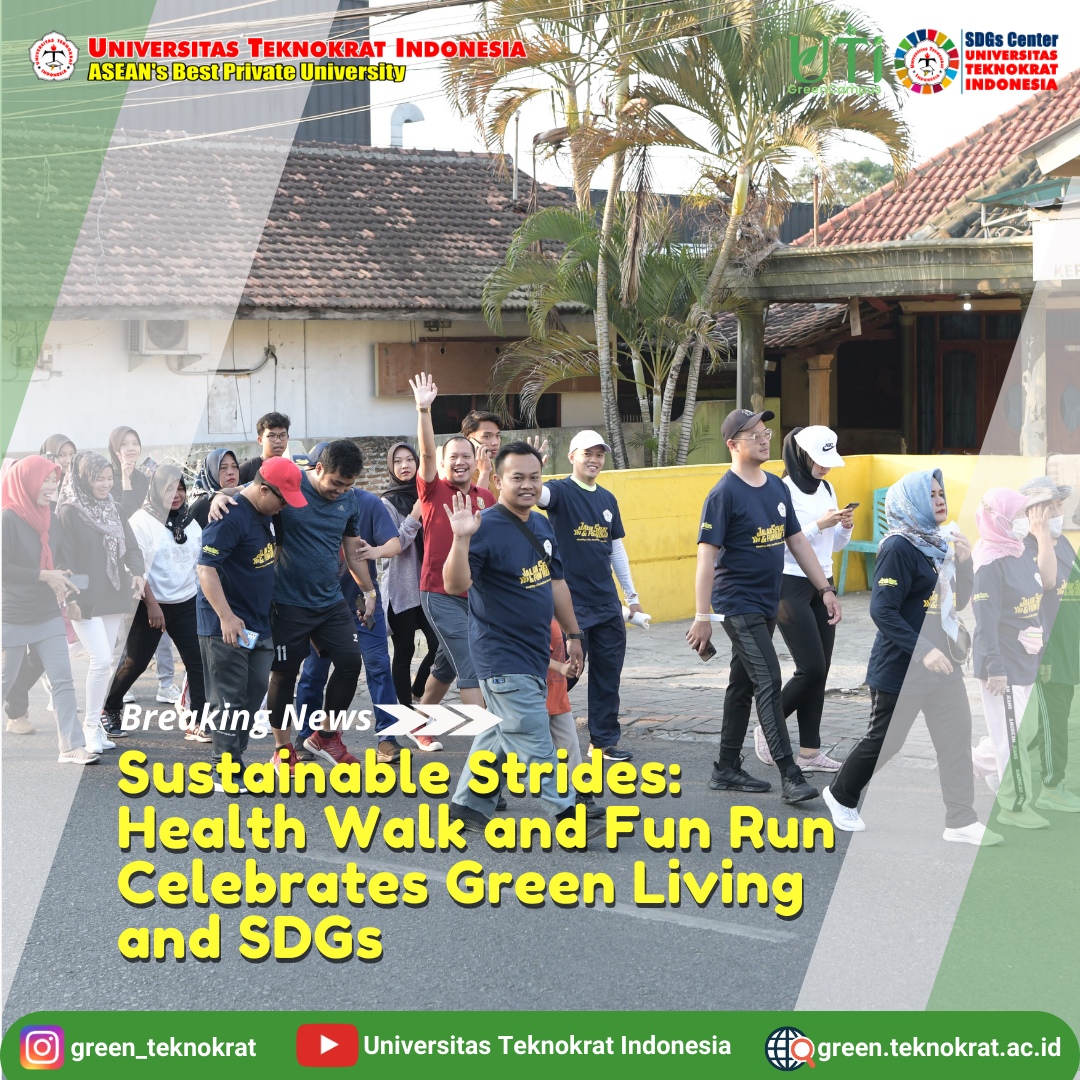
Sustainable Strides: Health Walk and Fun Run Celebrates Green Living and SDGs

Hello Indonesian Golden Generation..In a bid to foster healthy lifestyles and contribute to a sustainable future, the local community came together for an exciting Fun Run and Health Walk event. The event, which was held last weekend, not only encouraged physical well-being but also highlighted the importance of green living and the Sustainable Development Goals (SDGs).Participants of all ages gathered at the starting line, eager to take part in the Fun Run and Health Walk. The event featured various categories, catering to both seasoned runners and families looking to enjoy a leisurely stroll in the fresh air. Beyond promoting green living, the event was a platform to raise awareness about the SDGs.With the success of this year’s Fun Run and Health Walk, organizers are already planning next year’s event, with even more green initiatives and educational opportunities to further the community’s commitment to sustainable living and the SDGs.

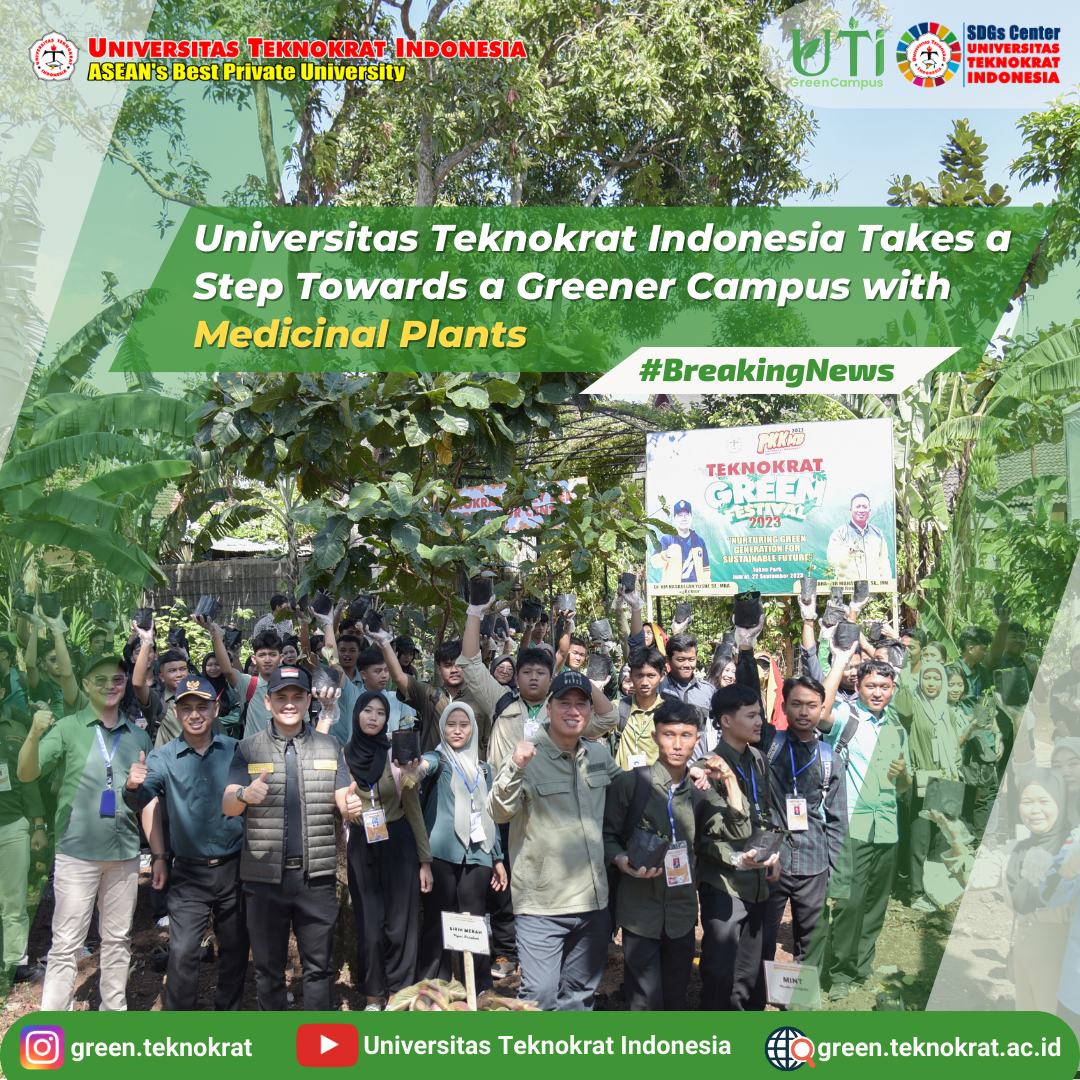
Universitas Teknokrat Indonesia Takes a Step Towards a Greener Campus with Medicinal Plants

Hello Indonesian Golden Generation..In an effort to promote sustainability and a greener campus environment, the students of Teknokrat Indonesia University have taken a significant step by planting medicinal herbs on campus grounds.  The project aims not only to enhance the university’s greenery but also to contribute to the health and well-being of the campus community.

Digital Smart Collar: A Technological Leap in Cattle’s Health Monitoring

Hello Indonesian Golden Generation..In a groundbreaking collaboration, lecturer and students at Universitas Teknokrat Indonesia (UTI) have developed a cutting-edge solution to transform the way we monitor the growth and health of cattle.The ‘Digital Smart Collar’ is set to be a game-changer in the world of livestock farming, offering farmers an innovative and precise method for tracking the well-being of their herds. Here’s what you need to know about this remarkable invention: Precision Monitoring: The Digital Smart Collar utilizes state-of-the-art sensors to monitor various aspects of cattle health. This real-time data helps farmers detect and address any issues promptly. Enhanced Productivity: With the ability to monitor cattle health more effectively, farmers can optimize their feeding and care strategies. This means healthier and happier cows, ultimately leading to increased farm productivity. Sustainable Farming: UTI’s Digital Smart Collar aligns perfectly with the global push for sustainable and responsible farming practices. By ensuring the well-being of livestock, we’re taking a significant step towards sustainable agriculture. A Collaborative Effort: This remarkable achievement is the result of dedicated efforts from both UTI faculty and students who worked hand in hand to bring this technology to life. It’s a testament to the power of collaboration and innovation. The Future of Livestock Farming: As we move towards a more technologically advanced future, solutions like the Digital Smart Collar offer a glimpse of what’s possible in agriculture. UTI’s contribution to this field is nothing short of remarkable.

Scroll to top