Tak Berkategori

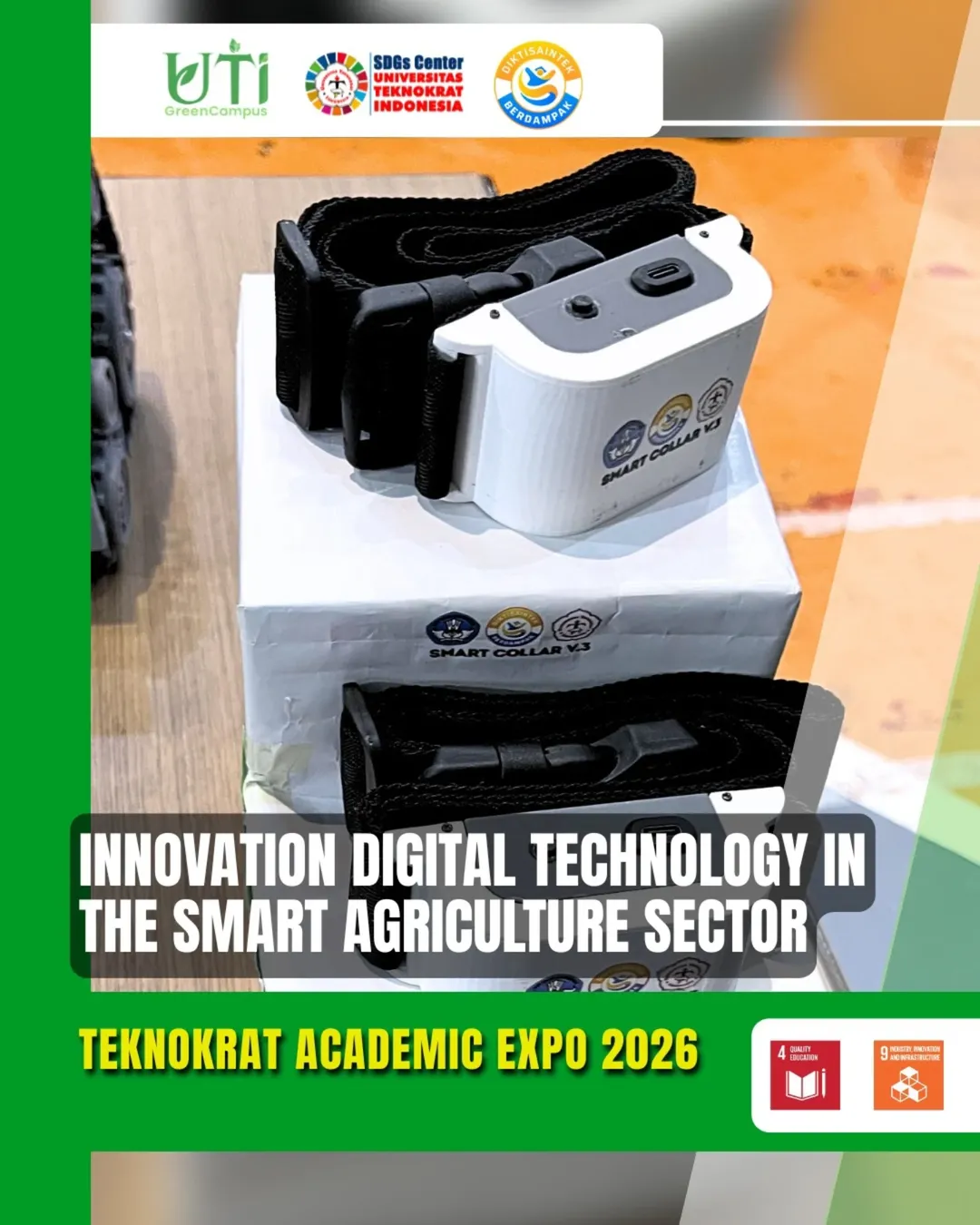
Universitas Teknokrat Indonesia Develops Third-Generation Digital Smart Collar to Advance Smart Livestock Technology

Bandar Lampung – Universitas Teknokrat Indonesia continues to demonstrate its commitment to innovation, research excellence, and societal impact through the development of a third-generation Digital Smart Collar, an Internet of Things (IoT)–based wearable device designed to monitor livestock health in real time. The innovation is developed through the Center of Excellence (CoE) Smart Agriculture, where students and faculty collaborate in applied research aimed at addressing real challenges in the agricultural and livestock sectors. Other News: Innovative Learning at Universitas Teknokrat Indonesia: Civil Engineering Students Develop Soil Layer and Hydrological Process Scale Model The project involves students from the Computer Engineering program, who work closely with faculty mentors to design, test, and refine the technology. This hands-on research initiative reflects the university’s vision of preparing graduates who are not only academically capable but also equipped with practical skills to solve complex problems in the field. The Digital Smart Collar represents the latest evolution of previous prototypes developed at Universitas Teknokrat Indonesia. In its third generation, the device integrates advanced sensors, wireless communication systems, and data analytics platforms to provide continuous monitoring of livestock health conditions. Using IoT technology, the collar collects important physiological and behavioral data from animals, such as body movement, temperature indicators, and activity patterns. The information is then transmitted to a digital platform that allows farmers to monitor livestock conditions through smartphones or computer dashboards. This innovation enables farmers to detect early signs of disease, monitor animal activity, and manage livestock more efficiently. By accessing real-time data, farmers can make faster and more accurate decisions related to feeding patterns, health treatments, and overall livestock management. According to the research team, the development of the Digital Smart Collar is part of Universitas Teknokrat Indonesia’s broader strategy to strengthen its Center of Excellence programs, which aim to bridge academic research with industry applications and commercialization opportunities. The research initiative has received support from the Ministry of Higher Education, Science, and Technology (Kemendiktisaintek) through the SINERGI research funding scheme, highlighting the national importance of this technological innovation. With this support, the Digital Smart Collar is no longer positioned merely as an experimental prototype but is being prepared as a commercial-ready technology that can be implemented in Indonesia’s livestock industry. The development of this wearable device is expected to play a significant role in accelerating the digital transformation of the livestock sector in Indonesia. By integrating smart monitoring technology into traditional farming practices, farmers can improve productivity, reduce livestock mortality, and optimize resource management. Researchers involved in the project explained that one of the main goals of the technology is to empower farmers with accessible and affordable digital tools. “Through the Digital Smart Collar, farmers can monitor the health of their livestock in real time. Early detection of disease risks allows them to take preventive measures quickly, which ultimately improves livestock productivity and reduces economic losses,” explained one of the faculty mentors involved in the research. The project also serves as an important learning platform for students. By participating directly in applied research, students gain valuable experience in hardware development, sensor integration, IoT networking, and data analytics, skills that are highly relevant to the rapidly evolving digital technology sector. Through the Center of Excellence Smart Agriculture, Universitas Teknokrat Indonesia continues to encourage interdisciplinary collaboration between engineering, agriculture, and information technology to produce solutions that can benefit society at large. In addition to strengthening research capacity, the university also aims to ensure that technological innovations produced on campus can generate tangible economic and social impact, particularly for rural communities and farmers. Contribution to the Sustainable Development Goals (SDGs) The development of the Digital Smart Collar by Universitas Teknokrat Indonesia aligns closely with several key targets within the United Nations Sustainable Development Goals (SDGs). First, the initiative strongly supports SDG 4: Quality Education. By engaging students directly in applied research projects, the university provides a learning environment that combines academic knowledge with real-world problem solving. Students gain practical experience in technological innovation while contributing to solutions that address national development challenges. Second, the innovation contributes to SDG 9: Industry, Innovation, and Infrastructure. The Digital Smart Collar represents a form of technological advancement that strengthens Indonesia’s digital infrastructure in the agricultural sector. The integration of IoT, sensor technology, and data analytics helps modernize traditional livestock farming practices and promotes innovation in agricultural technology. Third, the project also contributes indirectly to SDG 2: Zero Hunger by supporting the development of more efficient livestock management systems. By improving animal health monitoring and productivity, the technology can help increase food production capacity and support food security. Finally, the collaboration between the university, government research funding programs, and the agricultural sector reflects the spirit of SDG 17: Partnerships for the Goals. The synergy between academia, government institutions, and farmers demonstrates how multi-stakeholder collaboration can accelerate technological progress and sustainable development. Through initiatives such as the Digital Smart Collar, Universitas Teknokrat Indonesia continues to position itself as a hub of innovation and applied research, ensuring that academic knowledge is transformed into practical technologies that contribute to national development, technological independence, and the long-term welfare of Indonesian farmers. Other News: Teknokrat Electrical Engineering Students Develop Eco-Friendly Micro-Hydro Power Plant for Rural Energy Solutions
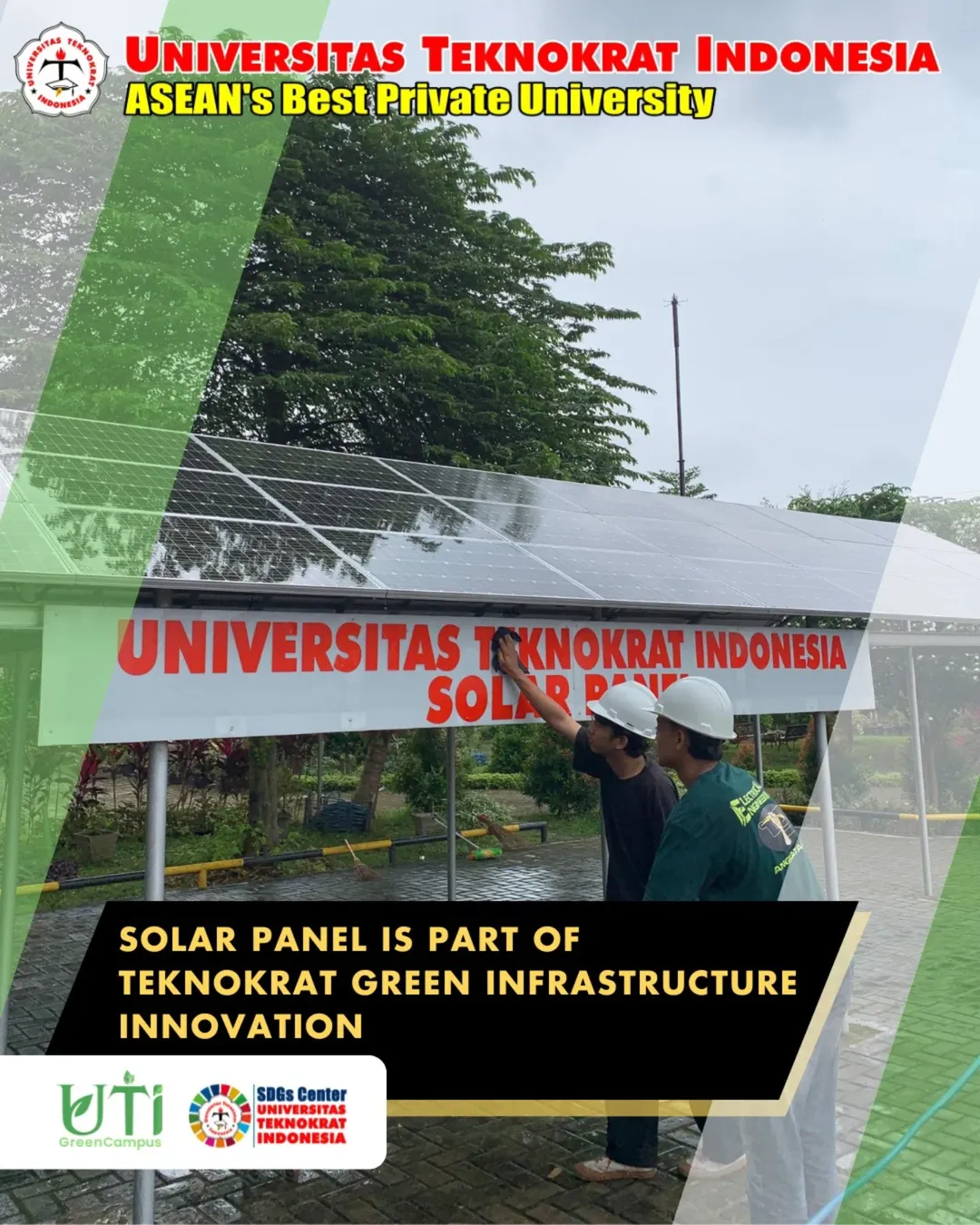
Solar Panel is Part of Teknokrat Green Infrastructure Innovation

At the Universitas Teknokrat Indonesia, the utilization of solar panels as an alternative energy source plays a crucial role in supporting environmental sustainability and reducing energy costs. By harnessing abundant sunlight, solar panels generate electricity to meet the energy needs of various campus facilities, such as classrooms, laboratories, and common areas. This initiative not only reduces dependence on fossil energy sources but also contributes to the reduction of carbon emissions that harm the environment. The use of solar panels is also part of Universitas Teknokrat Indonesia’s commitment to implementing environmentally friendly technologies and creating a greener campus. Furthermore, this technology provides an opportunity for students to directly learn about the application of renewable energy in everyday life, supporting research and innovation in the field of renewable energy, and raising awareness about the importance of clean energy for the future. With the installation of solar panels, Universitas Teknokrat Indonesia not only serves as an educational institution but also as an example of efforts to create a more sustainable environment. This step demonstrates that, with the right use of technology, a campus can reduce operational costs while making a positive impact on the surrounding community and the planet as a whole. This initiative serves as an inspiration for other institutions to adopt renewable energy in support of more sustainable development. This solar energy initiative has been made possible through strong institutional commitment and collaboration with energy experts and government agencies. Universitas Teknokrat Indonesia continues to explore opportunities for expanding its renewable energy infrastructure, including plans to install more solar panels and introduce energy-efficient systems across campus buildings. These developments are aligned with national and global goals for climate action and sustainable development. Moreover, the presence of solar technology on campus has encouraged the integration of sustainability topics into various academic programs. Students from engineering, environmental science, and information technology departments are increasingly involved in related research, innovation projects, and community outreach programs. By turning the campus into a living laboratory, Universitas Teknokrat Indonesia empowers students not only to understand the science behind renewable energy but also to become active contributors in advancing sustainable practices in society.

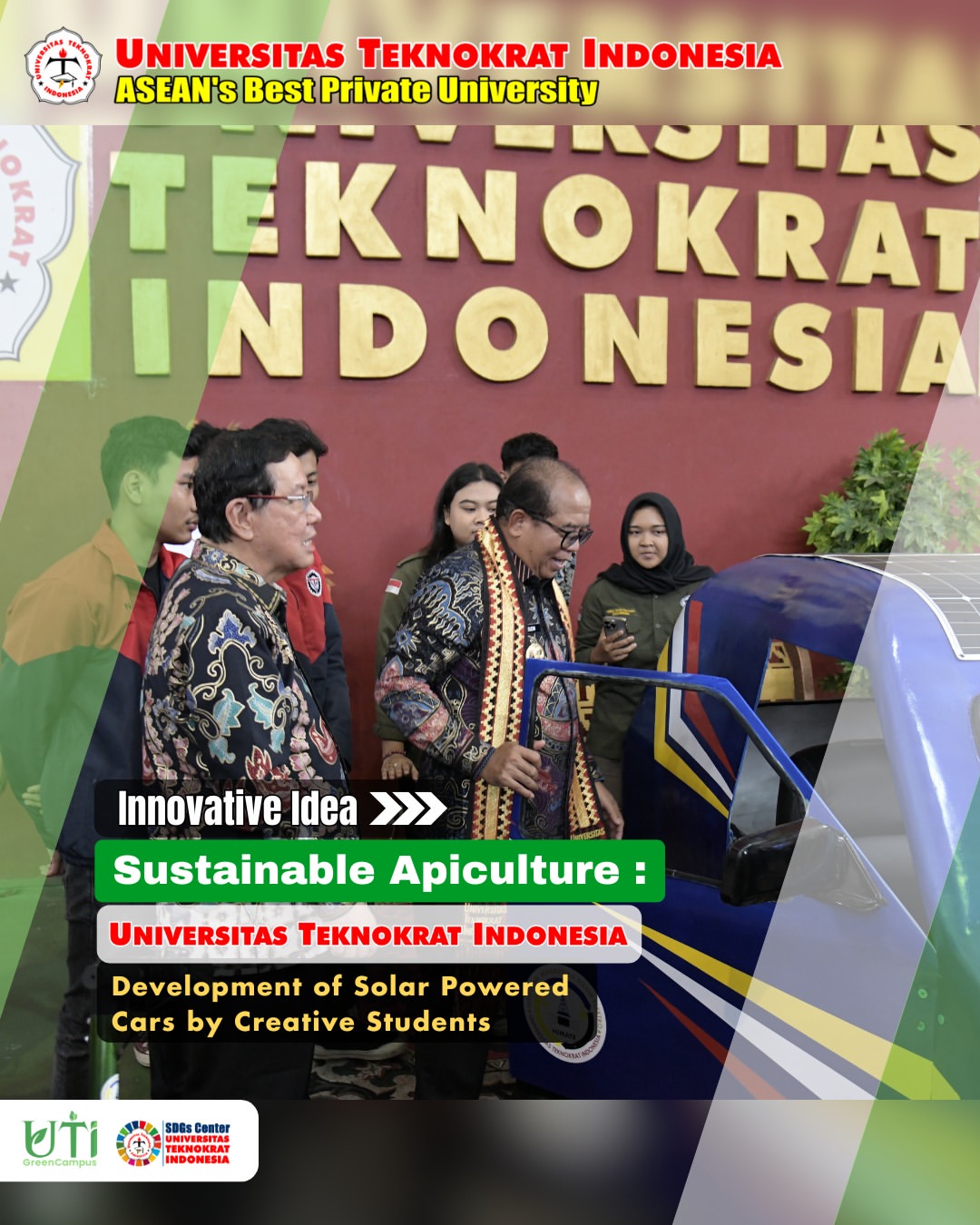
Development of solar powered cars by creative student

Students from Universitas Teknokrat Indonesia have once again demonstrated their creativity and commitment to the environment by creating a solar-powered car that is eco-friendly! This innovation is proof that the younger generation of Indonesia is ready to contribute to positive change in the automotive and renewable energy sectors. By harnessing solar energy, this car not only reduces carbon emissions but also offers a sustainable transportation solution for the future. This outstanding achievement was directly appreciated by the Acting Governor of Lampung, Dr. Drs. Samsudin, S.H., M.H., M.Pd., who expressed his pride and support for the work of Universitas Teknokrat Indonesia’s students. He emphasized that innovations like this are a real example of how technology can be applied to address global challenges, such as climate change and dependence on fossil fuels. With this recognition, it is hoped that this project will continue to develop and inspire more young people to create innovative solutions for the planet’s sustainability. Universitas Teknokrat Indonesia remains committed to nurturing an innovative generation that is not only academically brilliant but also cares about the future of the world. The development of the solar-powered car was supported by dedicated faculty members and equipped with resources from the university’s engineering and environmental science departments. The project not only serves as a practical learning experience for students but also showcases the university’s commitment to fostering research and innovation in renewable energy technologies. Moving forward, the student team plans to refine the car’s design and performance, aiming to compete in national and international competitions focused on green technology. The university is also exploring partnerships with local industries and government agencies to promote the commercialization and wider adoption of solar-powered vehicles in Indonesia. By pioneering such forward-thinking projects, Universitas Teknokrat Indonesia is setting a strong example for educational institutions nationwide. This initiative highlights the vital role of young innovators in driving sustainable development and reducing the environmental impact of transportation, paving the way toward a cleaner and greener future.

The Impact of Renewable Energy Infrastructure on Local Ecosystems: Between Benefits and Challenges

The transition to renewable energy is a crucial step in addressing the climate crisis. Renewable energy infrastructure, such as solar power plants (SPPs) and wind farms, has been increasingly built in many regions. However, the development of this infrastructure does not come without potential impacts on the environment, particularly on local ecosystems. This article will explore the positive and negative impacts of renewable energy infrastructure on local ecosystems, as well as mitigation efforts that can be undertaken. Positive Impacts Negative Impacts Mitigation Efforts Conclusion Renewable energy infrastructure has great potential to address environmental issues, but it also brings its own set of challenges. With careful planning, appropriate technology selection, and serious mitigation efforts, the negative impacts on local ecosystems can be minimized. It is crucial to strike a balance between the need for energy and environmental protection in the development of renewable energy infrastructure. Sumber : Kementerian Lingkungan Hidup dan Kehutanan Republik Indonesia: Cari laporan atau studi kasus terkait dampak lingkungan pembangunan energi terbarukan di Indonesia.

Listen To Her Voice : Amplify Her Story

Raising Awareness for Gender Inequality on International Women’s Day Did you know that women around the world still face significant challenges? March 8th marks International Women’s Day, a day dedicated to highlighting these issues while celebrating the accomplishments of women everywhere. Here are some key facts about gender inequality: These are just a few examples of the challenges women continue to face. Gender inequality is not just a women’s issue—it’s a problem that affects us all. We all have a role to play in achieving gender equality. Here’s how you can make a difference:

Net Zero : The Only Way Forward

Decarbonization: A Key Driver for Achieving the SDGs Did you know that decarbonization is essential for reaching the Sustainable Development Goals (SDGs)? Here are some key points about decarbonization: There are several pathways to achieving decarbonization, including: The benefits of decarbonization are far-reaching: How You Can Help We all have a role to play in decarbonization. Here are a few ways you can contribute: Together, we can take action to reduce emissions and create a more sustainable future for all.

The Potential of Wave Energy on Indonesia’s Coastal Shores: A Promising Renewable Energy Source

Indonesia, with the fourth-longest coastline in the world, has enormous potential for marine energy, especially wave energy. Wave energy is the kinetic energy generated by the rise and fall of the ocean’s surface due to wind. This energy potential can be converted into electricity to meet the energy needs of the population. Wave Energy Potential in Indonesia Advantages of Wave Energy Challenges in Utilizing Wave Energy Utilization of Wave Energy in IndonesiaSeveral efforts have been made to utilize wave energy in Indonesia, including: Wave energy has vast potential for development as a renewable energy source in Indonesia. With government support, private investment, and continued technological advancements, wave energy could become a key solution to address the country’s future energy challenges. Sumber : https://www.sucofindo.co.id/artikel-1/energi-gelombang-laut-potensi-ebt-terbesar-di-indonesia/

Renewable Energy in the Aviation Sector: Towards a Greener Sky

The aviation industry has long been a significant contributor to greenhouse gas emissions, particularly carbon dioxide (CO2). However, with growing awareness of the importance of environmental sustainability, efforts to reduce the environmental impact of aviation are continuously underway. One promising solution is the use of renewable energy in the aviation sector. Unique Challenges of the Aviation Sector The aviation sector faces unique challenges in its transition to renewable energy. Aircraft require very high energy density to remain airborne. In addition, supporting infrastructure such as airports also needs to adapt to the use of renewable energy. Types of Renewable Energy for Aviation Several types of renewable energy have the potential to be used in the aviation sector, including: Benefits of Using Renewable Energy in Aviation Barriers and Solutions Potential Solutions: The transition to more sustainable aviation is a must. The use of renewable energy offers a promising solution to reduce the environmental impact of the aviation sector. Although many challenges remain, with strong commitment and cooperation, a greener future for aviation is within reach. Sumber : ICAO: International Civil Aviation Organization. Publikasi mengenai lingkungan dan keberlanjutan penerbangan.

Sports and Culture: An Integration that Strengthens Education

The Role of Physical Education in Elementary Schools: Integrating Sports and Culture Physical education in elementary schools plays a crucial role in shaping individuals who are healthy, active, and possess strong character. However, beyond just the physical aspect, sports can also serve as a bridge to preserve and develop cultural values. The integration of sports and culture in education is not merely an enrichment of the curriculum, but also an effort to create a generation that has a strong identity and is capable of appreciating diversity. Why is Integration Important? Examples of Integration Implementation Challenges and Opportunities However, despite these challenges, there is a great opportunity to develop more integrative physical education programs. With support from the government, schools, communities, and families, the integration of sports and culture can become a reality. Sumber : Integralisasi Budaya Dalam Sistem Pendidikan Nasional: OJS IAIN Ternate (https://journal.iain-ternate.ac.id/index.php/foramadiahi/article/download/202/178)

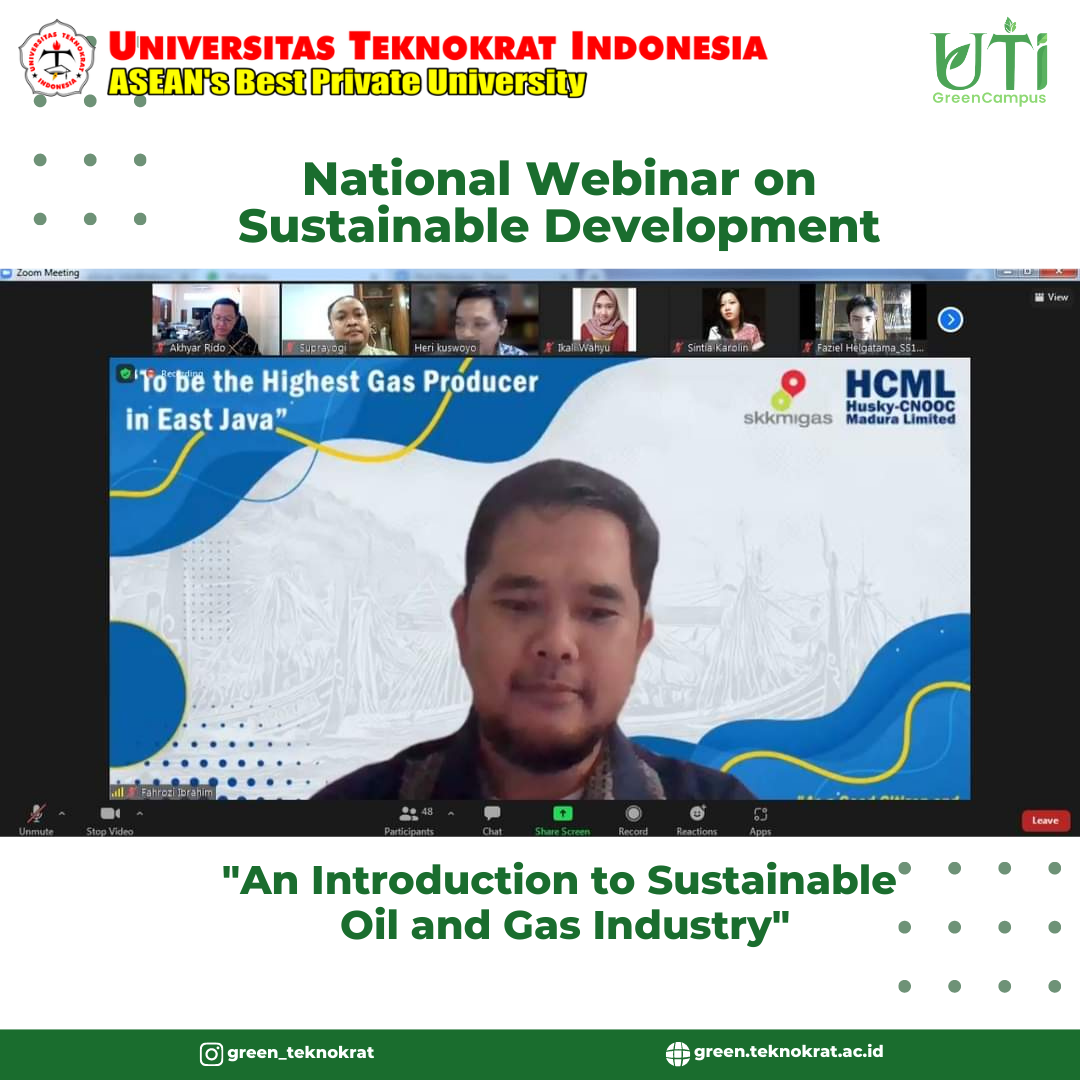
National Webinar with the theme “An Introduction to Sustainable Oil and Gas Industry”

Green Campus Universitas Teknokrat Indonesia initiated discussion on Sustainable Oil and Energy. A National Webinar with the theme “An Introduction to Sustainable Oil and Gas Industry” was conducted successfully. The speaker of this webinar is Mr. Fahrozi Ibrahim, S.S. a Senior Officer of External Relationship Communications and Media (Husky-CNOOC Madura Limited (HCML) Oil and Energy). The lecture was conducted virtually on 9 April 2022, attended by students, lecturers, and industry partners. We would like to thank All participants who support this event. Hopefully the next discussion on SDGs will run successfully as well.

Scroll to top