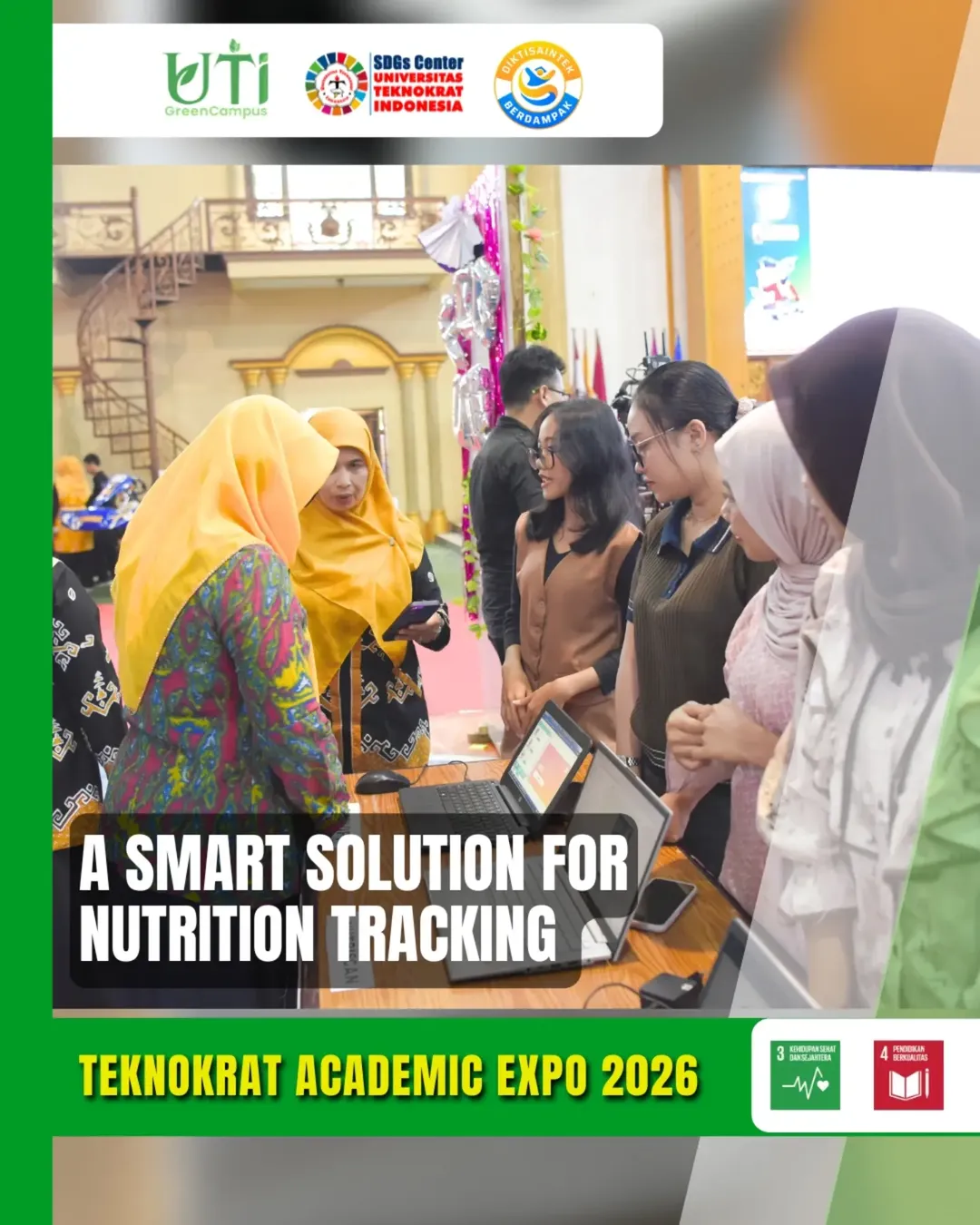
Universitas Teknokrat Indonesia Students Develop “Nutriscane,” a Smart Nutrition-Tracking Application to Promote Healthier Consumer Choices
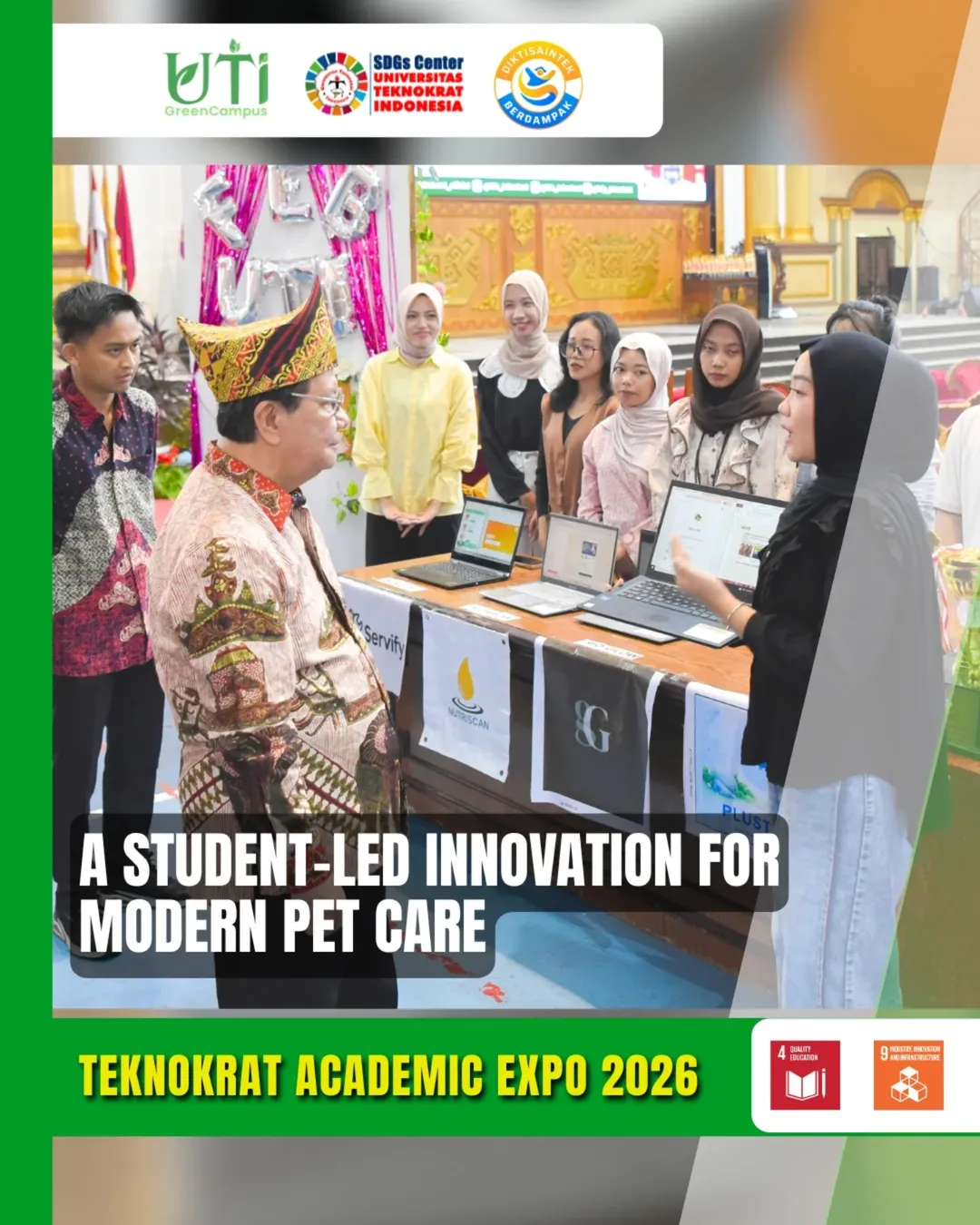
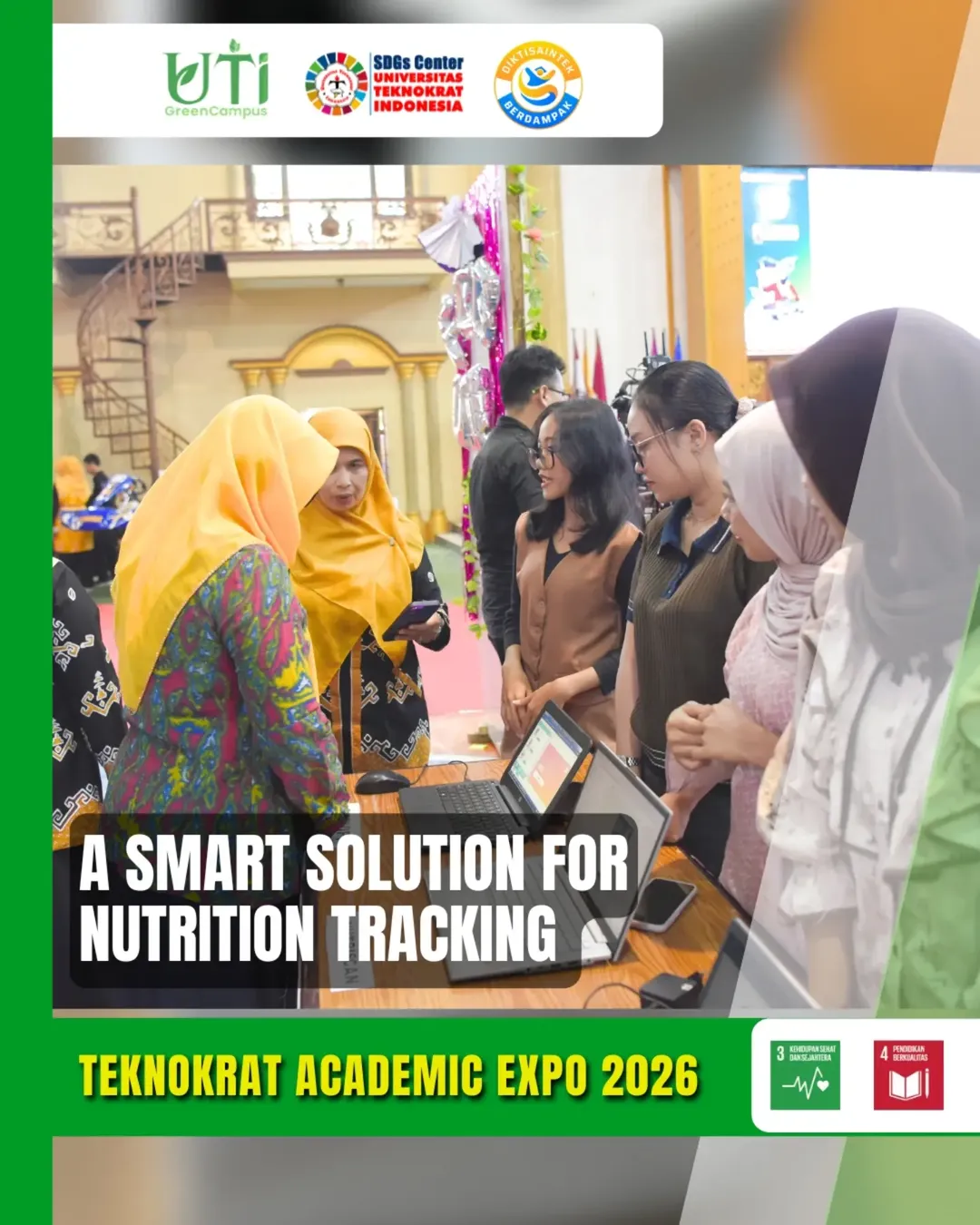
Bandar Lampung – Universitas Teknokrat Indonesia (UTI) continues to demonstrate its commitment to fostering innovation and producing impactful technological solutions through the development of Nutriscane, a smart mobile application designed to help consumers better understand the nutritional content of packaged food products. The innovation was showcased during the university’s Academic Expo, one of the institution’s flagship events highlighting student creativity, research, and entrepreneurship. Read More: Universitas Teknokrat Indonesia Students Develop “Meowgic Pet,” an Innovative Digital Platform for Modern Pet Care Services Developed by talented UTI students, Nutriscane offers a practical barcode-scanning feature that enables users to instantly access nutritional information contained in packaged foods. By simply scanning a product barcode, consumers can obtain detailed information regarding calories, sugar content, fat levels, and other essential nutritional indicators, helping them make more informed dietary decisions. The innovation reflects Universitas Teknokrat Indonesia’s educational philosophy of combining academic excellence with practical problem-solving. Through initiatives such as Nutriscane, students are encouraged to transform classroom knowledge into meaningful solutions that address contemporary societal challenges. Empowering Consumers Through Technology As public awareness of health and nutrition continues to grow, consumers are increasingly seeking accessible tools that can help them understand the nutritional value of the foods they consume. However, interpreting nutritional labels can often be confusing or time-consuming for many people. Recognizing this challenge, the student developers behind Nutriscane created a user-friendly digital platform that simplifies the process of accessing nutritional information. The application enables consumers to quickly evaluate food products and make healthier purchasing decisions based on reliable nutritional data. The innovation is expected to benefit a wide range of users, including families, students, health-conscious individuals, fitness enthusiasts, and anyone seeking to maintain a balanced and healthy lifestyle. “Nutriscane was designed to make nutritional information easier to access and understand. We hope this application can help people become more aware of what they consume and encourage healthier lifestyle choices in their daily lives,” said the student development team during the Academic Expo presentation. Supporting Quality Education Through Innovation The creation of Nutriscane serves as a tangible example of the implementation of Sustainable Development Goal (SDG) 4: Quality Education, which emphasizes the importance of providing relevant, inclusive, and future-oriented learning opportunities. Through project-based learning approaches adopted by Universitas Teknokrat Indonesia, students are encouraged to identify real-world problems and develop innovative solutions that have practical value for society. This educational model equips students not only with technical knowledge but also with critical thinking, collaboration, communication, and entrepreneurial skills. The Academic Expo serves as a platform where students can showcase these competencies while receiving valuable feedback from academics, industry practitioners, and the wider community. As a result, students gain practical experience that strengthens their readiness to enter an increasingly competitive workforce. The success of Nutriscane highlights how quality education can inspire creativity and empower students to become innovators capable of contributing to social and technological progress. Promoting Health and Well-Being Through Digital Solutions Beyond its educational significance, Nutriscane directly supports Sustainable Development Goal (SDG) 3: Good Health and Well-Being. The application addresses the growing need for accessible health information by providing consumers with tools to monitor nutritional intake more effectively. In recent years, health experts have increasingly emphasized the importance of understanding nutritional content as a key factor in preventing diet-related illnesses and promoting overall well-being. By making nutritional information more transparent and accessible, Nutriscane helps consumers make better-informed decisions that can positively impact their long-term health. The application represents a proactive approach to health education, leveraging technology to encourage preventive healthcare practices rather than reactive measures. Through simple and intuitive digital interactions, Nutriscane promotes healthier habits and greater awareness of nutritional choices among the public. A Reflection of the University’s Innovation Ecosystem The development of Nutriscane also demonstrates the strength of Universitas Teknokrat Indonesia’s innovation ecosystem. The university actively encourages interdisciplinary collaboration, technological experimentation, and entrepreneurial thinking among its students. By providing opportunities for students to develop real-world projects, UTI continues to cultivate graduates who are capable of adapting to technological change and creating solutions that generate meaningful social impact. The Academic Expo itself has become an important platform for showcasing these achievements, bringing together innovative ideas from various academic disciplines and highlighting the university’s role in advancing knowledge, technology, and community development. Vice Rector Praises Student Achievement The Vice Rector of Universitas Teknokrat Indonesia expressed appreciation for the students’ accomplishment and emphasized the importance of educational innovation in addressing contemporary societal needs. “Nutriscane is an excellent example of how our students are transforming knowledge into practical solutions that directly benefit society. This innovation reflects the creativity, technical competence, and social awareness that Universitas Teknokrat Indonesia strives to cultivate in every student,” the Vice Rector stated. He further noted that the university remains committed to supporting projects that combine technology with social impact. “We are proud to see our students developing innovations that contribute not only to technological advancement but also to public well-being. Nutriscane demonstrates how education and innovation can work hand in hand to address important challenges in modern society. We hope this achievement inspires other students to continue creating solutions that improve people’s lives,” he added. Driving Sustainable Development Through Student Innovation The emergence of Nutriscane reinforces the importance of collaboration between education, technology, and public health in achieving sustainable development goals. The application demonstrates how student innovation can extend beyond academic requirements and evolve into practical tools that support healthier communities. By empowering consumers with accessible nutritional information, Nutriscane contributes to the development of a more informed and health-conscious society. At the same time, the project highlights the role of universities as drivers of innovation and social transformation. As Universitas Teknokrat Indonesia continues to nurture future innovators, projects such as Nutriscane serve as powerful examples of how higher education can generate meaningful contributions to national development. More than just a student project, Nutriscane represents a tangible step toward building a healthier, smarter, and more sustainable future through the responsible use of technology. The success of Nutriscane at the Academic Expo stands as a