
Education and Research

Paper Bags : More Than Just a Sack, It’s a Sustainability Hack

Celebrating Paper Bag Day: A Tribute to Sustainability and Innovation We often overlook the humble paper bag, but it’s a daily unsung hero that deserves recognition! On #PaperBagDay, we’re celebrating this simple yet brilliant invention. More Than Just a Bag: A Symbol of Eco-Consciousness Did you know? The paper bag’s journey began in 1852, offering a greener alternative to non-biodegradable options. Today, it remains a powerful reminder of the small, impactful decisions we make for a more sustainable future. Paper Bag Day: A Celebration of Innovation and Responsibility Paper Bag Day isn’t just about recognizing a bag—it’s a time to celebrate innovation, environmental consciousness, and the influence of everyday choices. Whether through creative projects or awareness-raising activities, there are plenty of ways to mark the occasion: Be Part of the Movement! This Paper Bag Day, let’s make mindful choices and work together for a more sustainable tomorrow. Every little action counts, and together, we can create a positive change!

University-Industry Collaboration: The Key to a Sustainable Energy Future

The transition to clean and sustainable energy is an urgent global issue. In the effort to achieve this goal, collaboration between universities and industry plays a crucial role. Academic expertise in research and development of renewable energy technologies, combined with the resources and networks of industry, leads to significant innovations in the energy sector. Why is Collaboration Important? Examples of Successful Collaboration Challenges and Solutions Possible Solutions: University-industry collaboration is key to accelerating the transition to sustainable energy. By complementing each other’s strengths and addressing existing challenges, both parties can create innovations that will transform the energy sector in the future. Sumber : https://www.ui.ac.id/inovasi-energi-bersama-kembangkan-teknologi-dan-keahlian-untuk-masa-depan-berkelanjutan/

The Role of Universities in Renewable Energy Research and Development

In an era increasingly aware of the importance of environmental sustainability, renewable energy has become a major focus. The transition from fossil fuels to renewable energy requires continuous innovation and research. This is where the role of universities becomes crucial. As centers of learning and research, universities play a vital role in driving renewable energy research and development. Key Roles of Universities Education and Human Resource Development: Breakthrough Research: Startup Incubation: Policy Advocacy: Challenges and Opportunities Despite their important role, universities also face several challenges in renewable energy development, including: However, these challenges also present opportunities for universities to: Universities play a strategic role in advancing renewable energy research and development. Through education, research, business incubation, and policy advocacy, universities can make significant contributions to the transition to a more sustainable future. Sumber : https://www.kompas.id/baca/humaniora/2023/07/14/perguruan-tinggi-dukung-transformasi-energi-terbarukan

Renewable Energy: The Key to Achieving Sustainable Development Goals

The Sustainable Development Goals (SDGs) are a global agenda aimed at ending poverty, protecting the planet, and ensuring that all people enjoy peace and prosperity. One of the main goals of the SDGs is to provide access to affordable, reliable, sustainable, and modern energy for all. In this context, renewable energy plays a crucial role. Renewable Energy and the SDGs Renewable energy, such as solar, wind, water, and biomass, offers sustainable solutions to meet the world’s growing energy needs. The use of renewable energy can contribute to achieving several SDGs, including: Renewable Energy Potential in Indonesia Indonesia has vast renewable energy potential, including solar, wind, hydropower, and geothermal resources. This potential can be harnessed to meet SDG targets and reduce dependence on fossil fuels. Some examples of renewable energy utilization in Indonesia include: Challenges and Solutions Despite its significant potential, the development of renewable energy in Indonesia still faces several challenges, such as: To overcome these challenges, collective efforts from the government, private sector, and society are necessary. Some solutions include: Renewable energy is the key to achieving sustainable development goals. By harnessing Indonesia’s renewable energy potential, the country can reduce its dependence on fossil fuels, improve environmental quality, and create a more sustainable future. Source: Ministry of Energy and Mineral Resources: The official website of the Ministry of Energy and Mineral Resources provides up-to-date data and information on the development of renewable energy in Indonesia.

Renewable Energy in the Context of a Circular Economy: Moving Toward a Sustainable Future

In an era increasingly aware of the importance of sustainability, the concept of a circular economy is gaining traction. A circular economy emphasizes waste reduction, resource-use efficiency, and extending product life cycles. Renewable energy, as a replenishable energy source, plays a crucial role in supporting the principles of a circular economy. The Relationship Between Renewable Energy and a Circular Economy Renewable energy and a circular economy complement and strengthen each other in several key ways: Implementing Renewable Energy in a Circular Economy There are several ways to integrate renewable energy into a circular economic system: Challenges and Opportunities While renewable energy has significant potential to support a circular economy, certain challenges must be addressed, such as: Despite these challenges, substantial opportunities exist. Increasing market demand for sustainable products and services opens new business avenues in the renewable energy sector. Renewable energy and a circular economy are two mutually reinforcing concepts with great potential to create a more sustainable future. By integrating renewable energy into a circular economy system, we can reduce environmental impact, enhance resource-use efficiency, and create new job opportunities. Sumber : https://mediaindonesia.com/humaniora/626945/ekonomi-sirkular-lahirkan-energi-terbarukan-dan-cegah-kerusakan-bumi

Environmental Impacts of Geothermal Energy: Between Benefits and Challenges

Geothermal energy, as a renewable energy source, is often hailed as an environmentally friendly solution. However, like other technologies, the use of geothermal energy also has environmental impacts. Let’s take a closer look at these impacts. Positive Impacts of Geothermal Energy Low Greenhouse Gas Emissions:Compared to fossil fuel-based power plants, geothermal power plants produce significantly lower greenhouse gas emissions. This contributes to efforts to mitigate climate change. Conservation of Natural Resources:By utilizing geothermal energy, we reduce our dependence on fossil fuels, which are depleting over time. Minimal Land Use:Compared to solar or wind power plants, geothermal power plants require relatively less land. Negative Impacts of Geothermal Energy Greenhouse Gas Emissions (Not Zero):Although geothermal power plants have low emissions, they still produce some greenhouse gases, particularly during the construction and maintenance phases. Water Pollution:The drilling and steam production processes can lead to groundwater and surface water pollution if not properly managed. Dissolved substances such as boron, arsenic, and heavy metals can contaminate water sources. Induced Earthquakes:Drilling activities and steam production can trigger small earthquakes. Although this is rare, it remains a potential risk that needs to be considered. Ecosystem Disruption:The construction of geothermal infrastructure may disrupt the natural habitats of flora and fauna around the project site. Mitigating Negative Impacts To minimize the negative impacts of geothermal energy, several mitigation measures can be taken, including: Geothermal energy has great potential to become a clean and sustainable energy source. However, we must recognize that its utilization is not entirely free from environmental impacts. With proper management and the application of the right technologies, the negative effects of geothermal energy can be minimized. Source: Directorate General of New, Renewable Energy, and Energy Conservation (EBTKE): The official government website providing comprehensive information about geothermal energy in Indonesia.

Benefits of Geothermal Energy for Local Communities

Geothermal energy, or heat from the Earth, is an increasingly attractive renewable energy source. Not only is it environmentally friendly, but it also offers a range of benefits for local communities. What is Geothermal Energy? Geothermal energy is derived from the heat of the Earth’s interior. This heat originates from the Earth’s core and can be used to generate electricity or directly for various purposes. Benefits of Geothermal Energy for Local Communities Clean and Renewable Energy Source: Boosting the Local Economy: Utilization for Various Sectors: Energy Independence: Challenges and Solutions Despite its many benefits, geothermal energy development also faces several challenges, such as: To address these challenges, support from the government, private sector, and local communities is essential. Collaboration between different stakeholders is crucial to accelerate geothermal energy development in Indonesia. Geothermal energy has enormous potential to improve the well-being of communities and the environment. By harnessing this abundant natural resource, we can build a more sustainable future. Source: Directorate General of New, Renewable Energy, and Energy Conservation (EBTKE): The official government site providing comprehensive information on geothermal energy in Indonesia.

Successful Renewable Energy Projects That Are Changing the World

The transition to clean energy is becoming increasingly urgent. Various countries around the world have demonstrated their commitment by launching innovative and successful renewable energy projects. Renewable energy sources such as solar, wind, water, and biomass offer sustainable solutions to meet the growing global energy demand. Successful renewable energy projects not only generate clean energy but also have positive impacts on the economy, the environment, and society. Examples of Successful Renewable Energy Projects Key Factors for the Success of Renewable Energy Projects Challenges and Opportunities in the Future Although significant progress has been made, there are still many challenges to overcome in the development of renewable energy. These challenges include fluctuations in energy production, integration into existing power grids, and high investment costs. However, the future holds immense opportunities. The growing global demand for clean energy, declining technology costs, and increasing awareness of the importance of sustainability will drive the continued growth of the renewable energy sector. Source: IRENA – International Renewable Energy Agency (www.irena.org)

Renewable Energy and Cross-Sector Collaboration: The Key to a Sustainable Future

IntroductionClimate change and the depletion of fossil resources are driving the world to shift toward cleaner and more sustainable energy sources. Renewable energy, such as solar, wind, water, and biomass, offers promising solutions to address global energy challenges. However, the transition to renewable energy requires more than just technology. Cross-sector collaboration is key to accelerating the adoption of clean energy and achieving sustainable development goals. Why is Cross-Sector Collaboration Important? Examples of Successful Cross-Sector Collaboration Challenges and OpportunitiesAlthough cross-sector collaboration offers many benefits, several challenges need to be addressed, such as: However, these challenges also present opportunities for innovation and the development of new solutions. Cross-sector collaboration can drive the creation of innovative business models, the development of new technologies, and the creation of green jobs. ConclusionCross-sector collaboration is crucial for achieving a sustainable future. By working together, we can accelerate the transition to renewable energy, reduce greenhouse gas emissions, and create a more just and prosperous society. Source: IRENA: International Renewable Energy Agency (https://www.irena.org/)

Solar Energy: A Bright Future for Energy

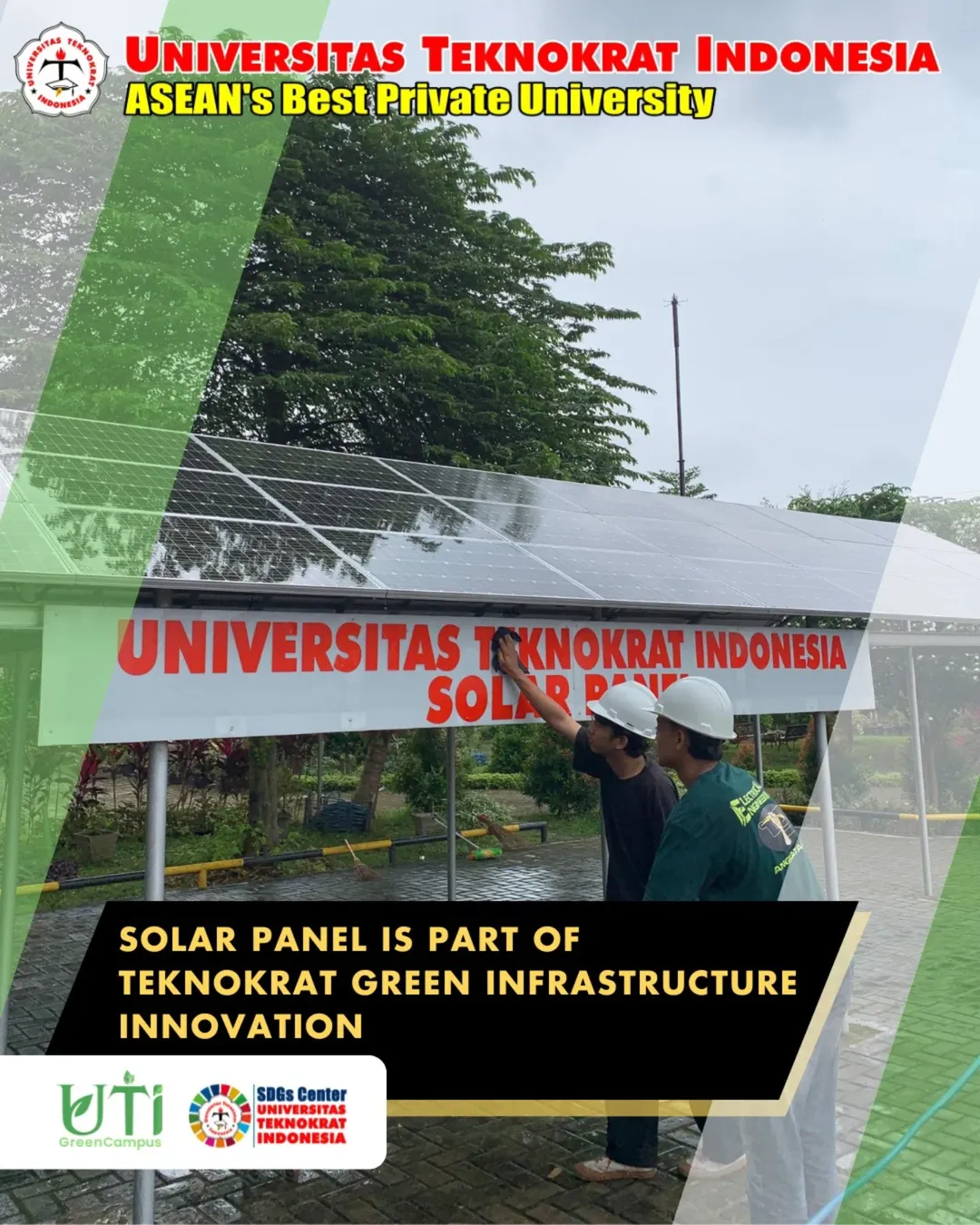
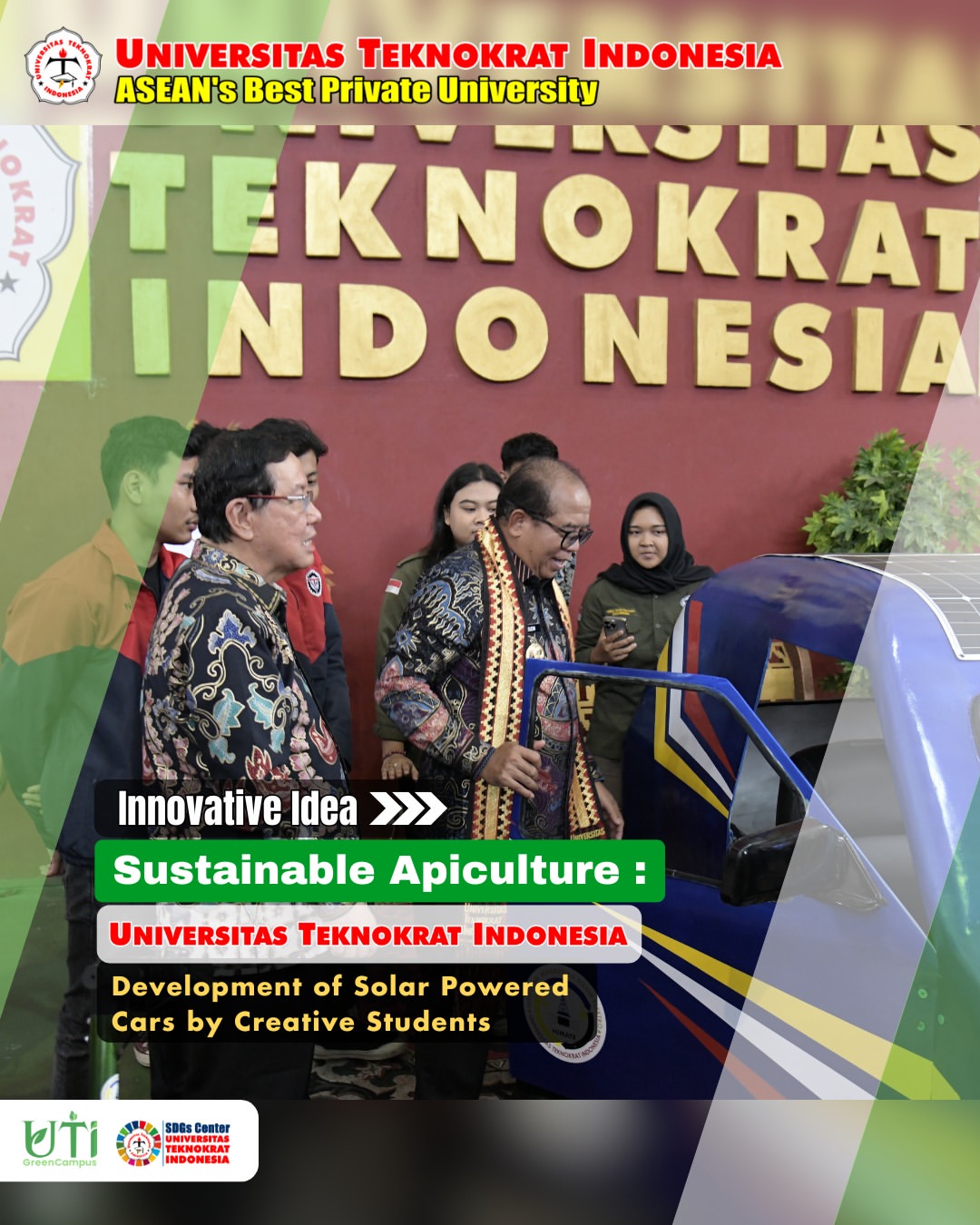
Amidst the global energy crisis and growing environmental awareness, solar energy is increasingly in the spotlight. As an abundant renewable energy source, solar power offers a sustainable solution to meet our energy needs. What is Solar Energy? Solar energy is energy obtained from sunlight. This energy is converted into electricity through solar panels containing photovoltaic cells, which directly transform light energy into electrical energy. Benefits of Solar Energy Environmentally friendly: It does not produce greenhouse gas emissions, helping to reduce the impact of climate change. Sustainable: The sun is an inexhaustible energy source, making solar power a highly sustainable energy source. Low operational costs: After the initial investment for installing solar panels, operational costs are very low. Energy independence: By utilizing solar energy, you can reduce dependence on the public power grid. Solar Energy Technology Solar Panels: The main component in solar energy systems that converts sunlight into electricity. Inverter: Converts the direct current (DC) generated by solar panels into alternating current (AC) that can be used by household electrical appliances. Battery: Stores the electricity generated by solar panels for use at night or during cloudy weather. Applications of Solar Energy Solar energy can be applied in various fields, such as: Solar Power Plants: Generates electricity on a large scale to meet the electricity needs of a region. Solar Water Heaters: Uses solar heat to warm water. Solar-Powered Electric Vehicles: Cars, motorcycles, and other vehicles that use solar energy as their power source. Street Lighting: Street lamps powered by solar energy. Challenges and the Future of Solar Energy Although it offers numerous benefits, solar energy development still faces challenges, such as the relatively high initial investment costs and dependence on weather conditions. However, with advancing technology and government support, solar energy is predicted to become a primary energy source in the future. Solar energy is one of the best solutions to address today’s energy issues. By harnessing abundant and environmentally friendly natural resources, solar energy can make a significant contribution toward creating a more sustainable future.

Scroll to top