Information Technology

Combination of Solar and Biomass Energy: The Perfect Synergy for Hybrid Power Generation

In the journey toward a more sustainable future, the use of renewable energy has become increasingly important. One particularly promising combination is integrating solar and biomass energy in a hybrid power generation system. Each has its advantages and limitations, but when combined effectively, they can produce more efficient, stable, and eco-friendly energy. Why Combine Solar and Biomass Energy? How Does a Solar-Biomass Hybrid System Work? Generally, a solar-biomass hybrid system operates as follows: Challenges and Opportunities While there is great potential, developing a solar-biomass hybrid system faces some challenges: However, with advances in technology and growing awareness of the importance of clean energy, the opportunities for hybrid system development continue to expand. Examples of Real-World Applications Several countries have successfully implemented solar-biomass hybrid systems on both small and large scales. For instance, some villages in India use these systems to meet the electricity needs of their communities. Combining solar and biomass energy in hybrid power plants is a significant step forward in renewable energy utilization. By overcoming current challenges and continually innovating, this technology holds great promise as a solution to meet the world’s growing energy demands. Sumber : Analisis Lebih Mendalam: Anda dapat melakukan analisis lebih mendalam mengenai potensi pengembangan sistem hibrida matahari-biomassa di Indonesia atau di negara lain.

AI-Based Energy Management: Key to Renewable Energy Efficiency

Renewable energy sources, like solar and wind power, have become central to the transition towards a more sustainable future. However, the natural fluctuations in renewable energy production present a challenge. This is where artificial intelligence (AI) steps in as an innovative solution to optimize the use of renewable energy. What is AI-Based Energy Management? AI-based energy management is the application of artificial intelligence technology to manage and optimize energy systems, especially in the context of renewable energy utilization. Through advanced machine learning algorithms and data analysis, AI can: Benefits of AI-Based Energy Management Examples of Implementation Challenges and the Future While AI-based energy management offers numerous benefits, it still faces several challenges, including: However, with rapid technological advancements, these challenges are expected to be overcome. The future of energy management will be increasingly dominated by AI, paving the way for a smarter, more efficient, and sustainable energy system. Sumber : PMB UNJANI: Masa Depan Energi Terbarukan: Kontribusi Elektro dan AI. https://pmb.unjani.ac.id/masa-depan-energi-terbarukan-kontribusi-elektro-dan-ai/

The Potential of Renewable Energy in the Open Seas: The Future of Clean Energy

The energy crisis and climate change are driving the world to transition to cleaner, more sustainable energy sources. One promising source is renewable energy derived from the open seas. The open ocean has vast energy potential, especially in the form of wind, wave, and ocean thermal energy. Offshore Wind Energy Offshore wind energy has gained significant attention in the development of marine renewable energy. Wind over the ocean is generally more consistent and stronger than on land, allowing offshore wind turbines to generate a larger and more stable supply of electricity. Key advantages of offshore wind energy include: Wave Energy Wave energy also has significant potential as a renewable resource. Several technologies have been developed to convert wave energy into electricity, such as: Ocean Thermal Energy Ocean Thermal Energy Conversion (OTEC) uses the temperature difference between warm surface water and deep cold water to generate electricity. Although OTEC technology is still in development, it has considerable potential, particularly in tropical regions. Challenges and Opportunities Despite its vast potential, developing renewable energy in the open seas still faces several challenges: However, with advancing technology and growing awareness of the importance of clean energy, the potential of offshore renewable energy is expanding. Some opportunities that can be leveraged include: Renewable energy in the open seas offers a promising solution to meet the world’s growing energy needs. By addressing existing challenges and taking advantage of emerging opportunities, ocean-based renewable energy can become a cornerstone in the transition to a more sustainable future. Sumber : https://journal.untar.ac.id/index.php/JSSTK/article/view/32060

Benefits and Challenges of Sodium-Ion Batteries: A New Hope for Renewable Energy Storage

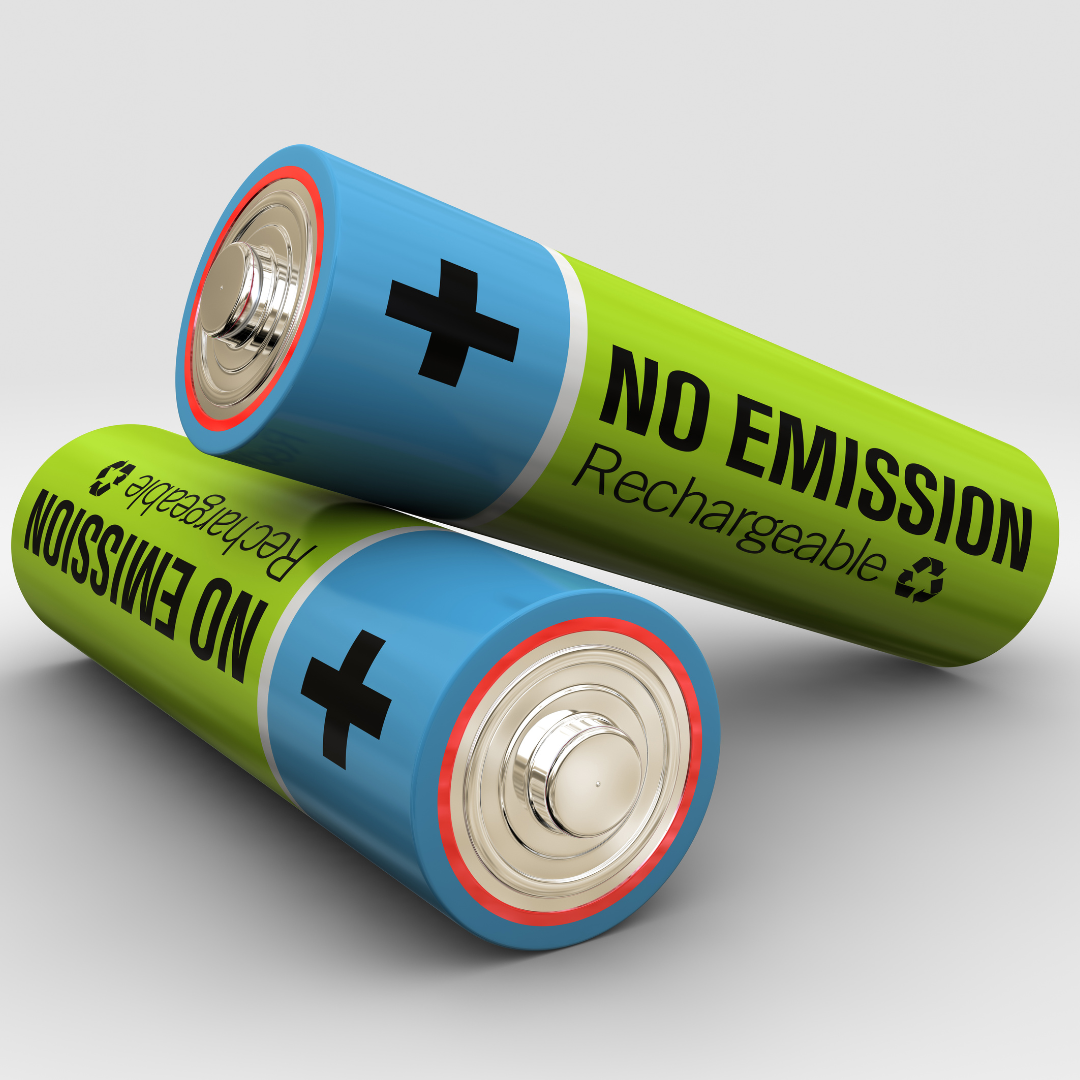
In the race toward a cleaner, more sustainable energy future, batteries play a crucial role. Lithium-ion batteries have dominated the market for decades, but limited lithium resources and high production costs are pushing researchers to find more affordable and sustainable alternatives. One promising candidate is the sodium-ion battery. What is a Sodium-Ion Battery? Sodium-ion batteries work on principles similar to lithium-ion batteries, but they use sodium ions as charge carriers. Sodium, abundant in nature, presents a more cost-effective and sustainable alternative to lithium. Benefits of Sodium-Ion Batteries Challenges Faced Despite their potential, sodium-ion batteries still face some challenges: Potential for Renewable Energy Sodium-ion batteries hold great potential to support the development of renewable energy. By integrating sodium-ion batteries into renewable energy systems, we can address the intermittency issues associated with sources like wind and solar power. Sodium-ion batteries can store excess energy generated during high production periods and release it when energy demand increases. Sodium-ion batteries offer an appealing solution to renewable energy storage challenges. Although still in development, this technology shows promising potential. With continued research and development, sodium-ion batteries could become a key technology in the transition toward a cleaner, more sustainable energy future. Sumber : https://solum.id/glosarium/baterai-sodium-ion-calon-pengganti-baterai-litium-ion/

Challenges of Integrating Renewable Energy into the Power Grid: Barriers to a Sustainable Future

The transition to clean and sustainable energy has become a pressing global issue. One of the key pillars in achieving this goal is the integration of renewable energy (RE) into the power grid. However, this integration process is not as straightforward as it may seem. There are several significant challenges that must be overcome to ensure a successful energy transition. Key Challenges in Integrating Renewable Energy Intermittency: Variability: Grid Infrastructure: Energy Storage: Cost: Policy and Regulation: Solutions and Developments To overcome these challenges, various solutions and developments are being pursued, including: Integrating renewable energy into the power grid is a critical step toward a sustainable future. While there are a number of challenges, with collaborative efforts from governments, industries, and society, we can overcome these barriers and build a cleaner, more efficient energy system. Source: Scientific journals, research reports, trusted media articles, reports from international agencies such as the IEA (International Energy Agency) or IRENA (International Renewable Energy Agency).

Renewable Energy: The Key to Achieving Sustainable Development Goals

The Sustainable Development Goals (SDGs) are a global agenda aimed at ending poverty, protecting the planet, and ensuring that all people enjoy peace and prosperity. One of the main goals of the SDGs is to provide access to affordable, reliable, sustainable, and modern energy for all. In this context, renewable energy plays a crucial role. Renewable Energy and the SDGs Renewable energy, such as solar, wind, water, and biomass, offers sustainable solutions to meet the world’s growing energy needs. The use of renewable energy can contribute to achieving several SDGs, including: Renewable Energy Potential in Indonesia Indonesia has vast renewable energy potential, including solar, wind, hydropower, and geothermal resources. This potential can be harnessed to meet SDG targets and reduce dependence on fossil fuels. Some examples of renewable energy utilization in Indonesia include: Challenges and Solutions Despite its significant potential, the development of renewable energy in Indonesia still faces several challenges, such as: To overcome these challenges, collective efforts from the government, private sector, and society are necessary. Some solutions include: Renewable energy is the key to achieving sustainable development goals. By harnessing Indonesia’s renewable energy potential, the country can reduce its dependence on fossil fuels, improve environmental quality, and create a more sustainable future. Source: Ministry of Energy and Mineral Resources: The official website of the Ministry of Energy and Mineral Resources provides up-to-date data and information on the development of renewable energy in Indonesia.

Bio-Aviation Fuel: The Future of Greener Aviation Fuel

The aviation industry has long been under scrutiny for its contribution to greenhouse gas emissions. However, with the growing awareness of environmental sustainability, innovative solutions such as bio-aviation fuel have emerged. Bio-aviation fuel, or Sustainable Aviation Fuel (SAF), is a type of aviation fuel made from renewable sources such as vegetable oils, animal fats, and organic waste. What is Bio-Aviation Fuel? Bio-aviation fuel is a blend of conventional fossil-based aviation fuel (jet fuel) with biofuel components. These biofuel components are produced through the conversion of renewable raw materials into hydrocarbons that have properties similar to jet fuel. The use of bio-aviation fuel is expected to reduce dependence on fossil fuels and significantly lower carbon emissions. Advantages of Bio-Aviation Fuel Production Process of Bio-Aviation Fuel The production of bio-aviation fuel involves several stages, including: Challenges and Opportunities Despite its great potential, the development and use of bio-aviation fuel still face several challenges, such as: However, as demand for more environmentally friendly fuels increases, efforts are being made to address these challenges. Opportunities for the future include: Bio-aviation fuel offers a promising solution to reduce the environmental impact of the aviation industry. With continued research and development, along with support from various sectors, bio-aviation fuel has the potential to become a primary fuel for aviation in the future. Sumber : https://onesolution.pertamina.com/Insight/Page/lebih-kenal-dengan-bioavtur-avtur-ramah-lingkungan

Smart Grid: Key to Renewable Energy Optimization

The development of renewable energy technologies, such as solar and wind power, has been a positive step toward reducing reliance on fossil fuels. However, the fluctuation in energy production from these renewable sources presents a unique challenge. This is where the role of the smart grid becomes crucial. A smart grid is a modern electricity network that utilizes information and communication technologies to improve the efficiency, reliability, and sustainability of the power system. What is a Smart Grid? A smart grid is an electricity network equipped with sensors, computers, and other communication devices that enable a two-way flow of energy. Unlike traditional passive electricity networks, a smart grid is active and can respond to changes in energy demand and supply in real time. The Role of Smart Grids in Renewable Energy Optimization Key Components of a Smart Grid Challenges and Opportunities Although smart grids offer many benefits, their development still faces several challenges, such as high investment costs, cybersecurity concerns, and standardization. However, with government support and increasing investments, smart grids have great potential to transform the energy landscape in the future. Smart grids are essential for achieving a more efficient, sustainable, and reliable energy system. With their ability to integrate renewable energy sources, manage demand, and enhance power quality, smart grids will play a crucial role in the transition to a greener future. Sumber : https://www.esdm.go.id/id/berita-unit/direktorat-jenderal-ketenagalistrikan/optimalisasi-sistem-tenaga-listrik-melalui-smart-grid

Hydrogen from Seawater: The Future of Clean and Renewable Energy

The global energy crisis and climate change are pushing us to seek clean and sustainable alternative energy sources. One promising candidate is hydrogen, often referred to as the “fuel of the future.” Hydrogen can be produced from various sources, one of which is seawater. Converting seawater into hydrogen offers great potential to meet the world’s growing energy demands. Why Hydrogen from Seawater? Abundant Source:Seawater covers most of the Earth’s surface, providing an almost limitless source of hydrogen. Zero Emissions:When burned, hydrogen only produces water vapor, making it a clean fuel with no harmful greenhouse gas emissions. High Energy Density:Hydrogen has a high energy density, making it efficient for storage and transportation. Versatile:Hydrogen can be used in various applications, ranging from power generation to transportation. The Process of Converting Seawater into Hydrogen The main process for converting seawater into hydrogen is electrolysis. In this process, an electric current is passed through seawater, splitting water molecules (H₂O) into hydrogen (H₂) and oxygen (O₂). The chemical reaction that takes place is:2H2O→2H2+O22H₂O → 2H₂ + O₂2H2​O→2H2​+O2​ Challenges and Solutions Despite its potential, converting seawater into hydrogen faces several challenges: Corrosion:The salt in seawater can cause corrosion on electrodes, reducing the efficiency of the process. Energy Consumption:Electrolysis requires significant electrical energy, which can limit its cost-effectiveness. Purification:Seawater contains various salts and minerals that need to be removed before the electrolysis process. Researchers and scientists are continuously working to overcome these challenges. Some of the solutions being developed include: Potential and Applications Hydrogen produced from seawater has immense potential for various applications, including: Converting seawater into hydrogen is a promising solution to address energy and environmental challenges. Although there are still several hurdles to overcome, the potential offered by this technology is vast. With continued research and development, hydrogen from seawater could become a major energy source in the future. Sumber : https://ojs.serambimekkah.ac.id/jse/article/download/5575/4117

The Impact of AI on Renewable Energy Efficiency: Towards a Smarter Energy Future

Artificial Intelligence (AI) has permeated various sectors, including energy. In the context of renewable energy, AI plays a crucial role in enhancing efficiency and optimizing energy production. With its ability to process large-scale data and identify complex patterns, AI can help maximize the potential of renewable energy and accelerate the transition to clean energy. How AI Improves Renewable Energy Efficiency Energy Production Prediction: Predictive Maintenance: Smart Grid Management: Development of New Technologies: Examples of AI Applications in Renewable Energy Challenges and the Future Despite offering many benefits, the application of AI in renewable energy still faces some challenges, such as: However, with rapid technological advancements, these challenges are expected to be overcome. In the future, AI will become increasingly integrated into energy systems, opening up opportunities for greater innovation and driving the transition to cleaner and more sustainable energy. Sumber : https://widya.ai/meningkatkan-efisiensi-penggunaan-energi-dengan-ai/

Scroll to top