
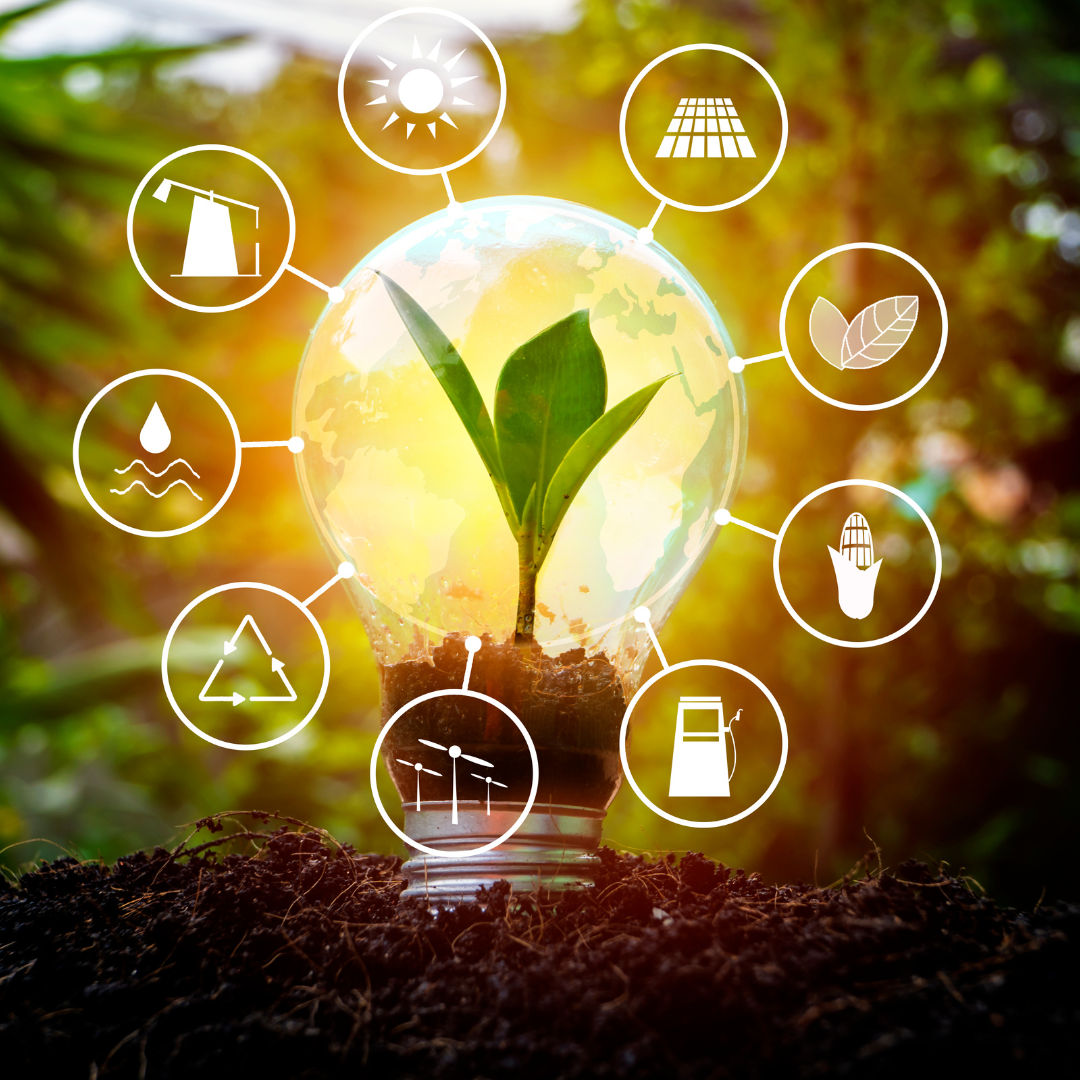
Combination of Solar and Biomass Energy: The Perfect Synergy for Hybrid Power Generation
In the journey toward a more sustainable future, the use of renewable energy has become increasingly important. One particularly promising combination is integrating solar and biomass energy in a hybrid power generation system. Each has its advantages and limitations, but when combined effectively, they can produce more efficient, stable, and eco-friendly energy.
Why Combine Solar and Biomass Energy?
- Offsetting Weaknesses: Solar energy heavily depends on weather conditions, while biomass can generate power consistently. By combining them, fluctuations in energy production can be minimized.
- Higher Efficiency: Hybrid systems allow for optimal energy use. For instance, waste heat from biomass combustion can be used to enhance the efficiency of solar panels.
- Emission Reduction: Both solar and biomass energy produce significantly lower carbon emissions compared to fossil fuels. Their combination strengthens environmental benefits.
- Resource Availability: Solar and biomass are abundant and renewable, reducing reliance on limited fossil resources.
How Does a Solar-Biomass Hybrid System Work?
Generally, a solar-biomass hybrid system operates as follows:
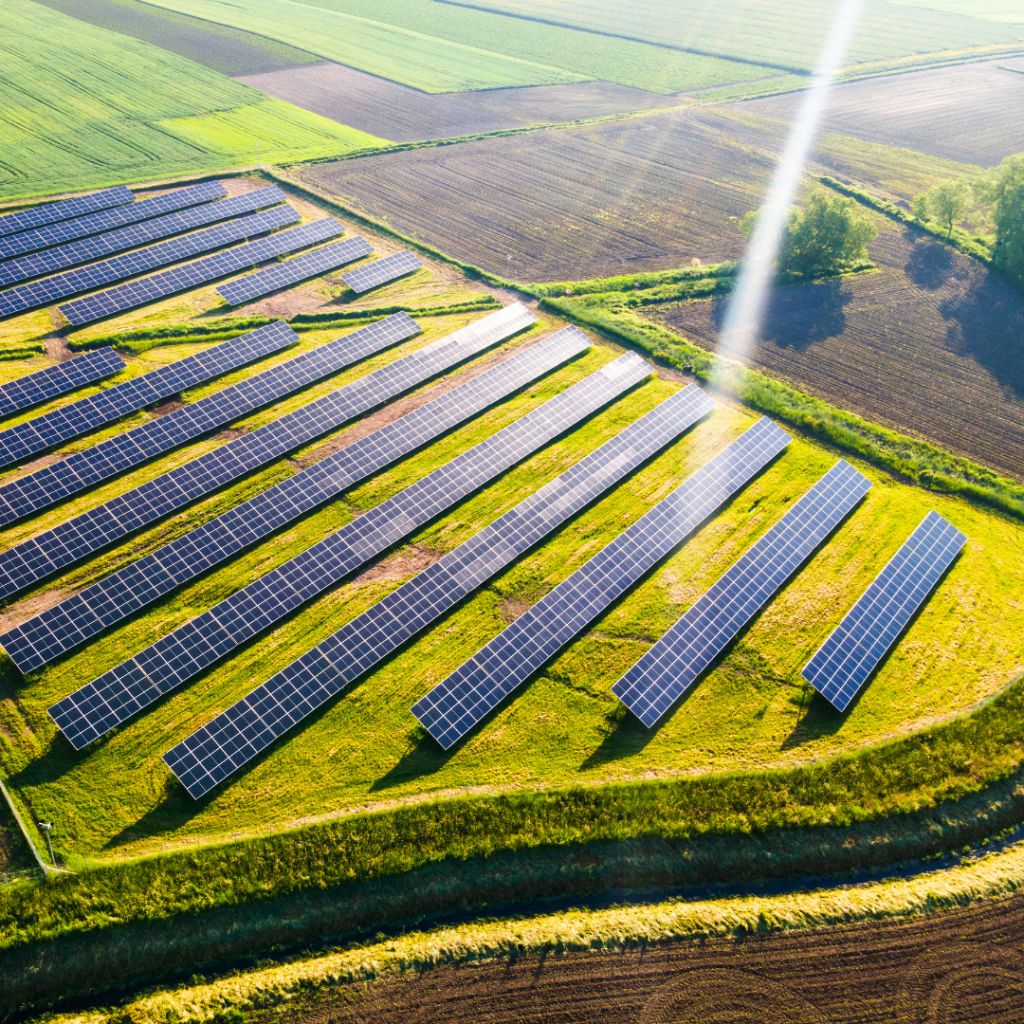
- Solar Panels: Convert sunlight into electrical energy.
- Biomass Power Plant: Burns biomass (such as wood or agricultural waste) to generate heat, which is then used to drive turbines and produce electricity.
- Storage System: The electricity generated by both sources can be stored in batteries or used immediately.
- Control System: Manages and optimizes the system’s performance for efficient and stable electricity output.
Challenges and Opportunities
While there is great potential, developing a solar-biomass hybrid system faces some challenges:
- Investment Costs: Building a hybrid system requires a significant upfront investment.
- Technology Development: More efficient and affordable technology is still being pursued.
- Biomass Availability: Ensuring a quality, sustainable biomass supply is crucial.
However, with advances in technology and growing awareness of the importance of clean energy, the opportunities for hybrid system development continue to expand.
Examples of Real-World Applications
Several countries have successfully implemented solar-biomass hybrid systems on both small and large scales. For instance, some villages in India use these systems to meet the electricity needs of their communities.
Combining solar and biomass energy in hybrid power plants is a significant step forward in renewable energy utilization. By overcoming current challenges and continually innovating, this technology holds great promise as a solution to meet the world’s growing energy demands.
Sumber : Analisis Lebih Mendalam: Anda dapat melakukan analisis lebih mendalam mengenai potensi pengembangan sistem hibrida matahari-biomassa di Indonesia atau di negara lain.