
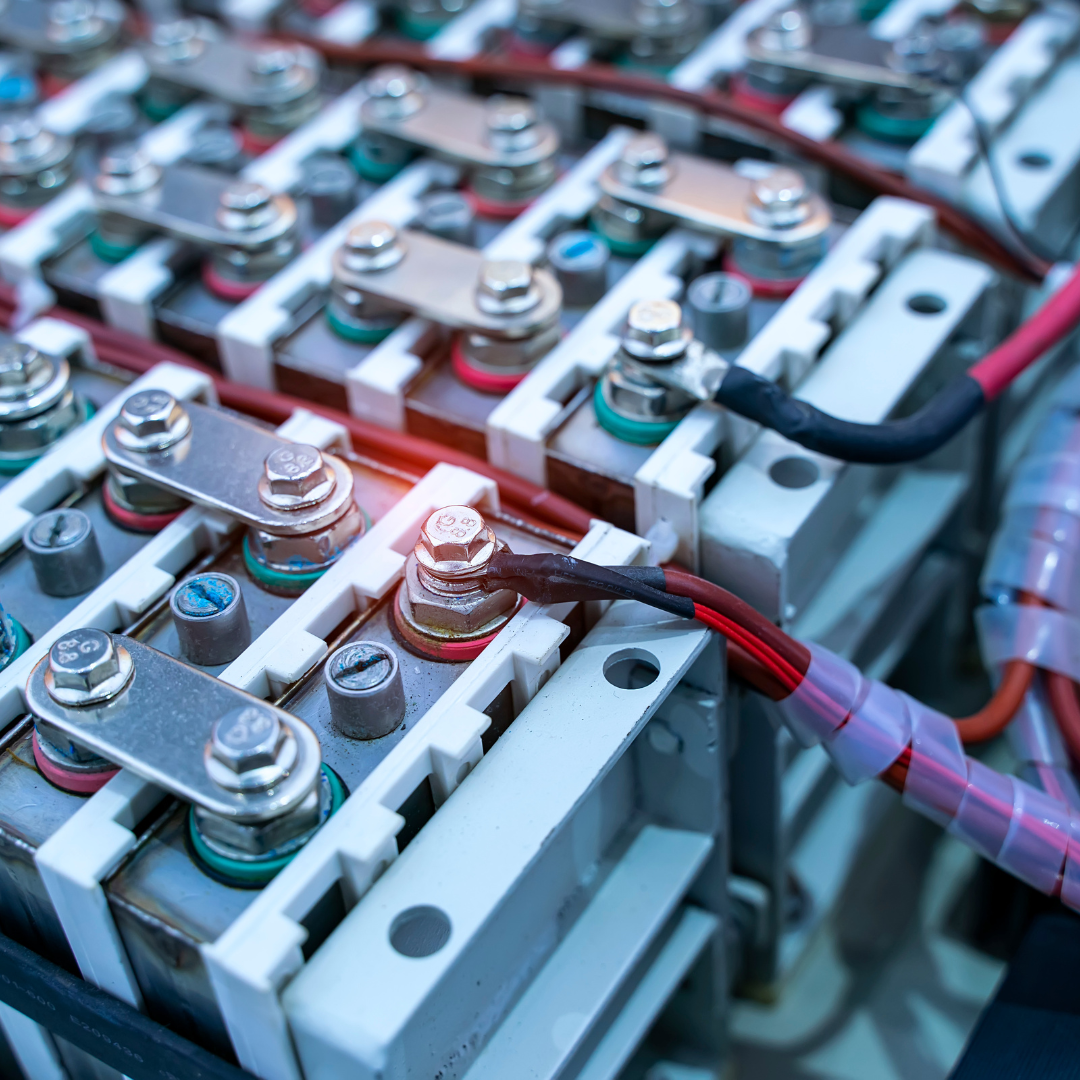
Benefits and Challenges of Sodium-Ion Batteries: A New Hope for Renewable Energy Storage
In the race toward a cleaner, more sustainable energy future, batteries play a crucial role. Lithium-ion batteries have dominated the market for decades, but limited lithium resources and high production costs are pushing researchers to find more affordable and sustainable alternatives. One promising candidate is the sodium-ion battery.
What is a Sodium-Ion Battery?
Sodium-ion batteries work on principles similar to lithium-ion batteries, but they use sodium ions as charge carriers. Sodium, abundant in nature, presents a more cost-effective and sustainable alternative to lithium.
Benefits of Sodium-Ion Batteries
- Resource Availability: Sodium is readily available in nature in the form of salt, reducing reliance on limited lithium resources.
- Cost-Effective: Lower-cost raw materials and a simpler production process could make sodium-ion batteries a more competitive option.
- Higher Safety: Sodium is generally more stable than lithium, so sodium-ion batteries carry a lower risk of fire or explosion.
- Good Durability: Sodium-ion batteries have a long cycle life, allowing for extended use.
- Potential for Large-Scale Applications: Due to sodium’s abundance, sodium-ion batteries hold potential for large-scale applications, such as grid energy storage and electric vehicles.
Challenges Faced
Despite their potential, sodium-ion batteries still face some challenges:
- Lower Energy Density: Compared to lithium-ion batteries, sodium-ion batteries have lower energy density, which means they need to be larger to store the same amount of energy.
- Efficiency Improvements Needed: The charging and discharging efficiency of sodium-ion batteries still needs to be enhanced to achieve optimal performance.
- Sustainable Material Development: Ongoing research aims to identify better electrode materials to improve the performance of sodium-ion batteries.
Potential for Renewable Energy
Sodium-ion batteries hold great potential to support the development of renewable energy. By integrating sodium-ion batteries into renewable energy systems, we can address the intermittency issues associated with sources like wind and solar power. Sodium-ion batteries can store excess energy generated during high production periods and release it when energy demand increases.
Sodium-ion batteries offer an appealing solution to renewable energy storage challenges. Although still in development, this technology shows promising potential. With continued research and development, sodium-ion batteries could become a key technology in the transition toward a cleaner, more sustainable energy future.
Sumber : https://solum.id/glosarium/baterai-sodium-ion-calon-pengganti-baterai-litium-ion/