Cybersecurity in Renewable Energy Systems: Threats and Challenges
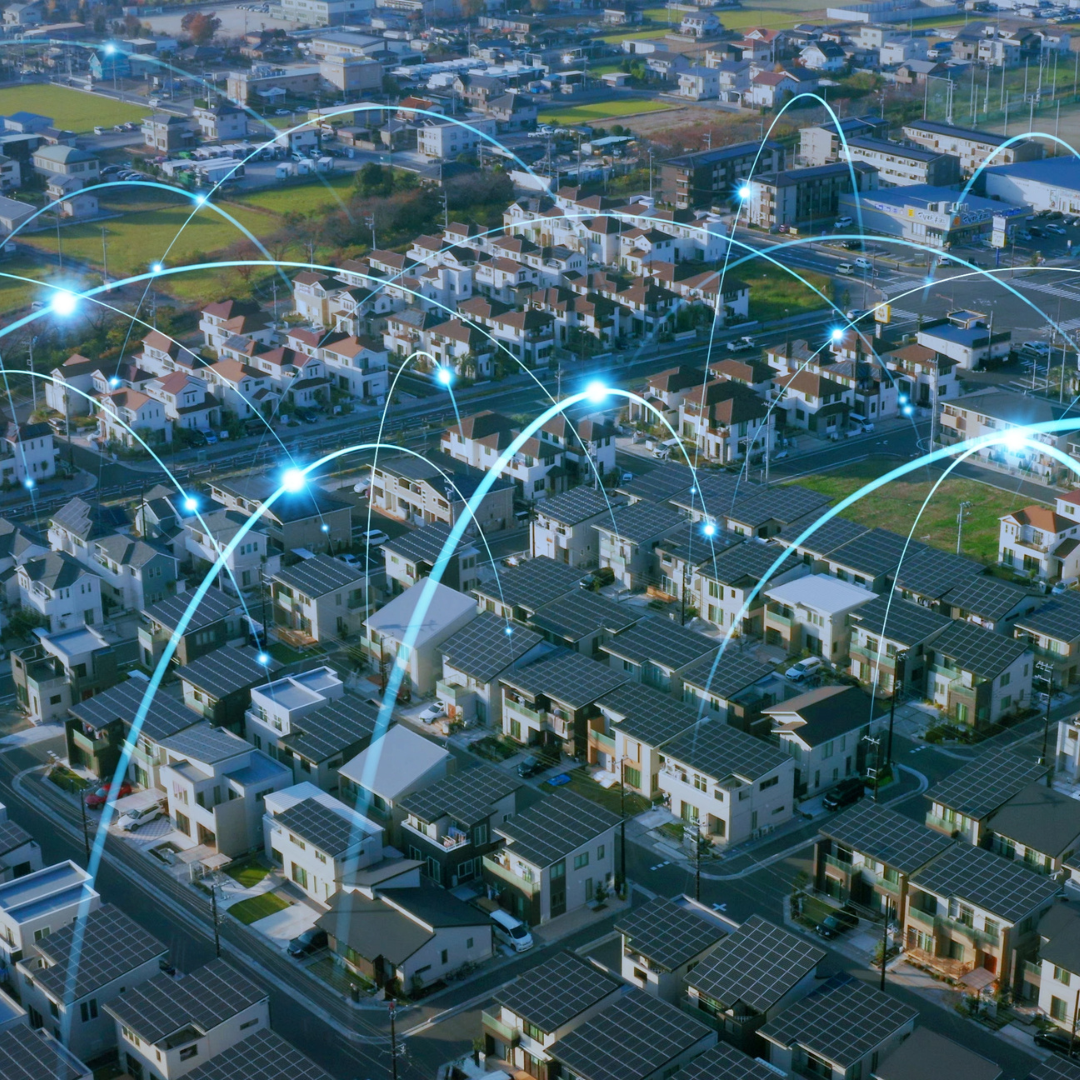
The transition to renewable energy is a crucial step in addressing climate change and achieving energy security. However, as reliance on digital technology grows in managing renewable energy systems, the risks of cybersecurity threats also increase. Cyberattacks on energy infrastructure can disrupt power supply, cause financial losses, and even pose a threat to national security. Why Are Renewable Energy Systems Vulnerable to Cyberattacks? Reliance on Digital Technology: Renewable energy systems heavily depend on information and communication technology (ICT), from sensors and controllers to communication networks. This makes them vulnerable to cyberattacks. Large Attack Surface: Renewable energy systems have a broad attack surface, including power grids, IoT devices, and industrial control systems (SCADA). Lack of Cybersecurity Awareness: A lack of awareness about the importance of cybersecurity among stakeholders in the renewable energy industry can create vulnerabilities for attackers. Cybersecurity Threats in Renewable Energy Systems Network Breach: Attackers can infiltrate the networks of renewable energy systems to steal sensitive data, spy on operations, or launch further attacks. Data Manipulation: Data collected by sensors and IoT devices can be manipulated to provide false information to system operators, leading to incorrect decisions. System Sabotage: Cyberattacks can cause disruptions in system operations, such as power outages, equipment damage, or even total system failure. Ransomware: Ransomware attacks can lock access to critical systems or data, forcing organizations to pay a ransom to restore access. Cybersecurity Risk Mitigation Enhanced Network Security: Implementing robust network security measures, such as firewalls, intrusion detection systems, and data encryption. IoT Device Protection: Ensuring that IoT devices connected to renewable energy systems are properly secured, including regular software updates and strong password usage. Cybersecurity Training: Providing cybersecurity training for all personnel involved in managing renewable energy systems. Collaboration with Stakeholders: Building partnerships with government bodies, law enforcement, and related industries to share information and develop responses to cyber threats. Cybersecurity is a challenge that must be addressed in the development and utilization of renewable energy. By increasing awareness and implementing proper security measures, we can protect renewable energy systems from cyber threats and ensure the sustainability of clean energy supply. Sumber : https://www.cnbcindonesia.com/news/20220115171644-4-307637/transisi-energi-terbarukan-rentan-serangan-cyber-bahaya