

Waste Management in Biofuel Production: Challenges and Solutions
Biofuel production, as an effort to reduce dependence on fossil fuels and lower greenhouse gas emissions, is gaining increasing attention. However, alongside its benefits, biofuel production also generates various types of waste that need to be properly managed. Effective waste management in the biofuel industry is essential to ensure environmental sustainability and public health.
Types of Waste in Biofuel Production
The waste generated during biofuel production can include:
- Solid Waste: Plant residues, ash from combustion, and catalyst residues.
- Liquid Waste: Process wastewater, which may contain organic materials, chemical compounds, and microorganisms.
- Gaseous Emissions: Combustion gases such as carbon dioxide, nitrogen oxides, and sulfur dioxide.
Negative Impacts of Biofuel Waste
If not managed effectively, biofuel waste can have several negative impacts, including:
- Environmental Pollution: Liquid waste can contaminate soil and water, while solid waste may lead to land degradation.
- Greenhouse Gas Emissions: Burning solid waste can increase greenhouse gas emissions, contributing to climate change.
- Health Hazards: Some components of biofuel waste are toxic and pose health risks to humans.
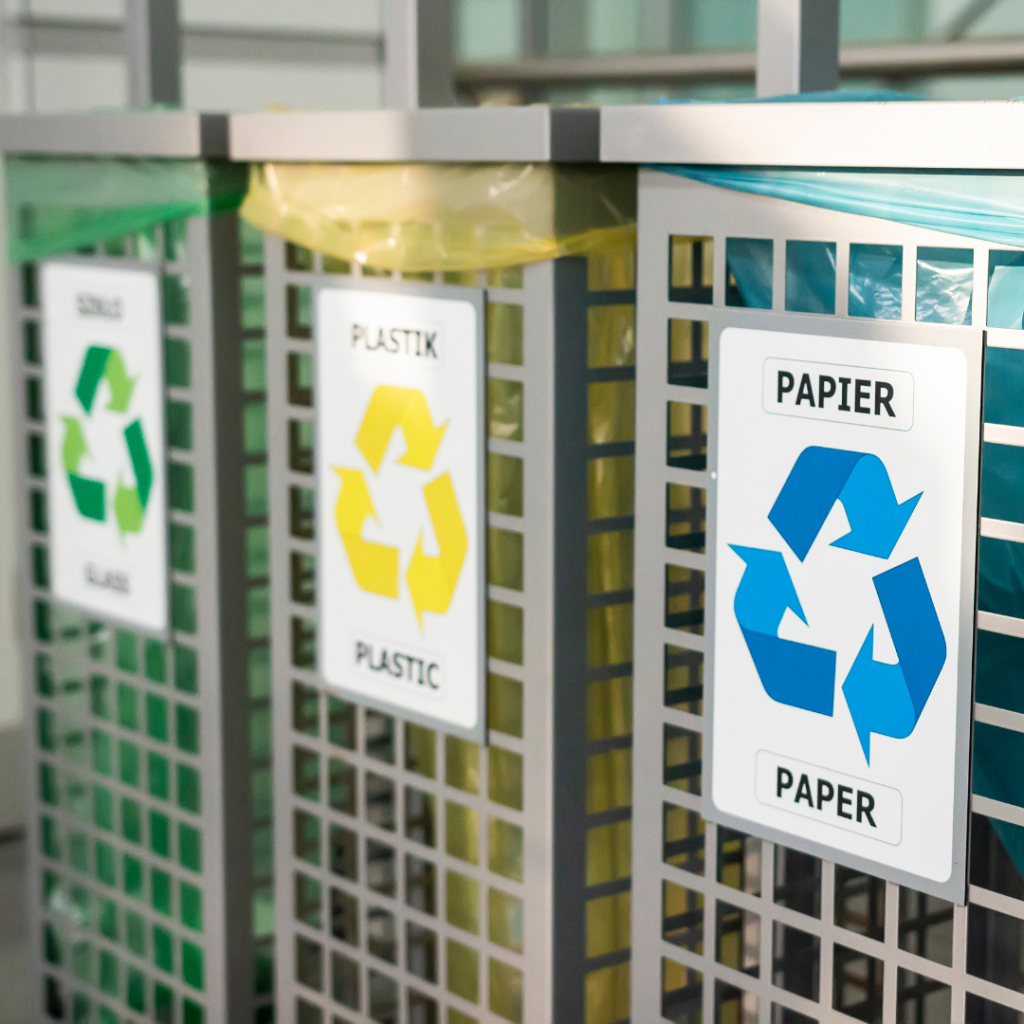
Effective Waste Management Strategies
To address waste issues in biofuel production, implementing effective waste management practices is crucial. Strategies may include:
- Waste Reduction: Optimizing production processes to minimize the amount of waste generated.
- Waste Treatment: Processing waste into useful products, such as organic fertilizer, biogas, or alternative fuels.
- Waste Disposal: Safely disposing of waste in accordance with regulations.
- Eco-friendly Technologies: Adopting technologies that minimize the environmental impact of biofuel production.
Examples of Waste Management Practices
- Liquid Waste Treatment: Utilizing biological treatment systems to break down organic materials in wastewater.
- Solid Waste Utilization: Converting plant residues into organic fertilizers or raw materials for biogas production.
- Emission Reduction: Implementing efficient combustion technologies and installing air pollution control equipment.
Waste management in biofuel production is an essential aspect that cannot be overlooked. By implementing the right strategies, biofuel waste can be managed effectively, preventing negative impacts on the environment and health. Additionally, repurposing waste can add value to the biofuel industry.
Sumber : https://unair.ac.id/potensi-limbah-pertanian-sebagai-biochar-untuk-produksi-biodiesel/