Universitas Teknokrat Indonesia Promotes Sustainability and Green Entrepreneurship Through Zero Waste Week Creative Market
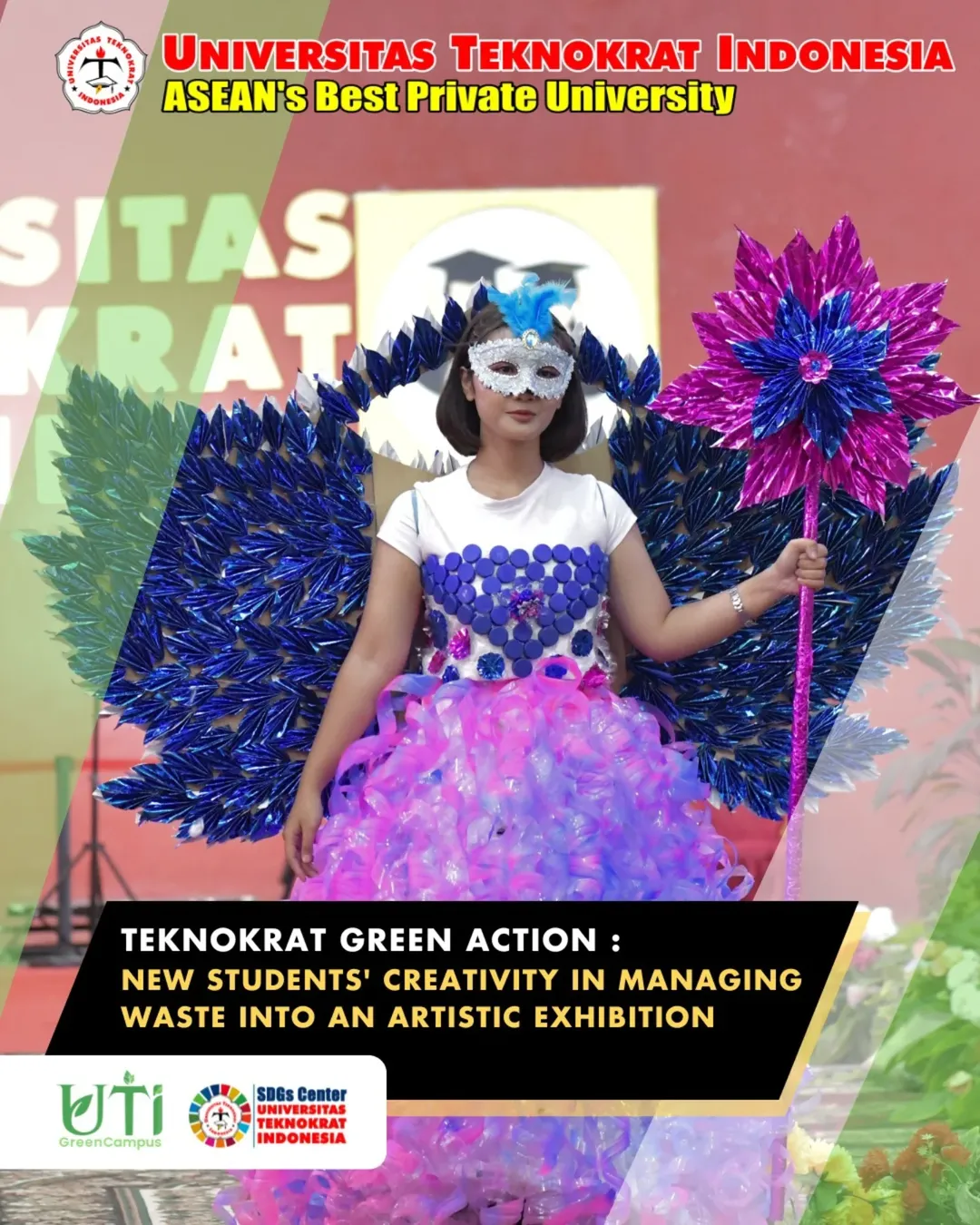
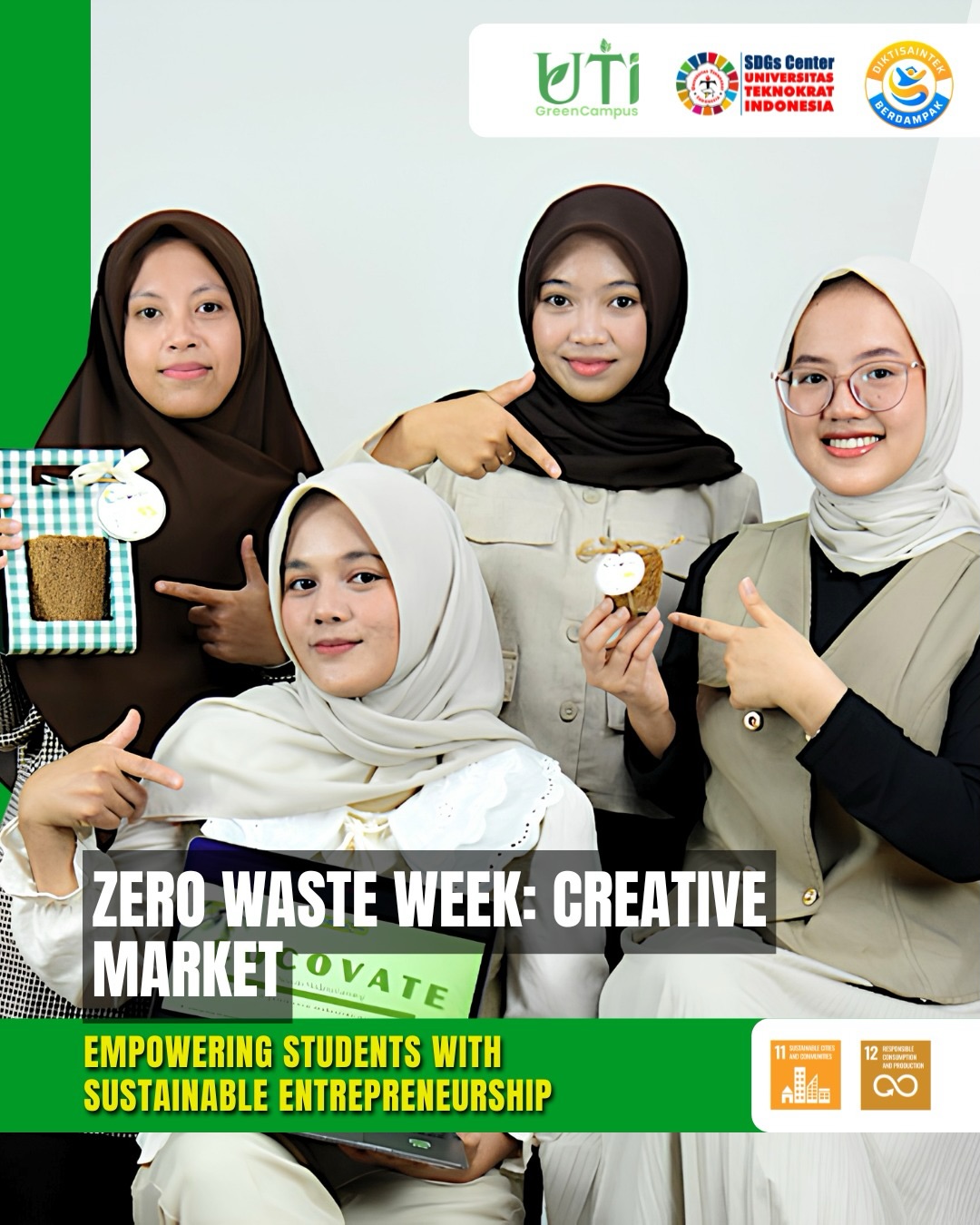
Bandar Lampung – Universitas Teknokrat Indonesia (UTI) continues to strengthen its commitment to environmental sustainability and innovation through the implementation of Zero Waste Week, a campus-wide movement designed to encourage responsible consumption and creative waste management. One of the flagship activities of this initiative is the Creative Market, where students showcase a diverse range of eco-friendly products made from recycled and repurposed materials. Read More: Universitas Teknokrat Indonesia Students Unveil AgroBot Feed, an AI-Powered Smart Collar System Transforming Livestock Farming More than just an exhibition, the Creative Market serves as a platform for students to demonstrate how creativity and innovation can transform waste into products with economic value. By converting discarded materials into functional crafts, decorative items, and environmentally friendly merchandise, students highlight the potential of sustainable practices to create positive social, environmental, and economic impact. The event attracted enthusiastic participation from students, lecturers, and visitors who explored various innovative products while learning about the importance of reducing waste and adopting sustainable lifestyles. Through this initiative, Universitas Teknokrat Indonesia reinforces its vision of creating a campus culture that integrates environmental responsibility into everyday activities. “The Creative Market is a reflection of how innovation can emerge from simple ideas. By transforming waste into useful products, students are demonstrating that sustainability is not only an environmental responsibility but also an opportunity to create value and inspire change,” said one of the event organizers. Turning Waste into Opportunity As concerns over waste management and environmental degradation continue to grow globally, educational institutions play an increasingly important role in promoting sustainable behaviors and innovative solutions. The Creative Market was established as part of Zero Waste Week to encourage students to rethink the concept of waste and explore opportunities for recycling, upcycling, and resource efficiency. Instead of viewing discarded materials as unusable items, students were challenged to transform them into products that are aesthetically appealing, functional, and marketable. The resulting products showcased remarkable creativity and demonstrated how environmental challenges can be addressed through innovation. From handcrafted accessories and home décor to practical everyday items, each creation reflected the students’ ability to combine sustainability with entrepreneurial thinking. The initiative also serves as an educational platform that encourages greater awareness about responsible waste management and the importance of reducing environmental impact through conscious consumption choices. Supporting Responsible Consumption and Production The Creative Market directly contributes to Sustainable Development Goal (SDG) 12: Responsible Consumption and Production, which promotes sustainable resource management and waste reduction. Through hands-on participation in recycling and product development activities, students gain a deeper understanding of circular economy principles, where materials are reused and repurposed rather than discarded. This approach helps reduce waste generation while maximizing the value of existing resources. By encouraging students to create products from recyclable materials, Universitas Teknokrat Indonesia demonstrates how sustainability can be integrated into education and entrepreneurship. The initiative fosters practical skills while inspiring participants to adopt more environmentally responsible lifestyles. Furthermore, the project highlights the role of innovation in addressing environmental challenges and supports broader efforts to promote sustainable production patterns within communities. Read More: Universitas Teknokrat Indonesia Accelerates Green Campus Transformation Through Solar Energy Initiative Creating a More Sustainable Campus Community Beyond waste reduction, Zero Waste Week contributes significantly to Sustainable Development Goal (SDG) 11: Sustainable Cities and Communities, which focuses on creating inclusive, safe, resilient, and sustainable environments. Through activities such as the Creative Market, sustainability becomes an integral part of campus life. Students are encouraged to actively participate in environmental initiatives, creating a culture where ecological responsibility is shared by the entire academic community. The event serves as a microcosm of sustainable urban living, demonstrating how communities can work together to reduce waste, conserve resources, and create positive environmental outcomes. By embedding sustainability principles into everyday practices, Universitas Teknokrat Indonesia helps prepare students to become responsible citizens capable of contributing to greener and more resilient communities. The initiative also strengthens collaboration among students from various disciplines, encouraging interdisciplinary approaches to environmental problem-solving and community engagement. Encouraging Green Entrepreneurship and Economic Growth In addition to its environmental benefits, the Creative Market supports Sustainable Development Goal (SDG) 8: Decent Work and Economic Growth by fostering entrepreneurial skills and encouraging the development of green businesses. Students participating in the event not only learned how to create sustainable products but also gained valuable experience in marketing, branding, customer engagement, and business management. These experiences help prepare them for future careers as entrepreneurs and innovators within the growing green economy. The event demonstrates that sustainability and economic growth are not mutually exclusive. On the contrary, environmentally responsible businesses can generate new opportunities, create value, and contribute to long-term economic resilience. By promoting green entrepreneurship, Universitas Teknokrat Indonesia empowers students to explore innovative business models that prioritize both profitability and environmental stewardship. Vice Rector Applauds Students’ Commitment to Sustainability The Vice Rector of Universitas Teknokrat Indonesia praised the enthusiasm and creativity displayed by students during Zero Waste Week and emphasized the importance of sustainability-oriented innovation. “The Creative Market is a remarkable example of how our students are transforming environmental challenges into opportunities for innovation and economic development. Their creativity demonstrates that sustainability can be both impactful and inspiring,” the Vice Rector stated. He further highlighted the university’s commitment to cultivating a campus environment that encourages responsible leadership and environmental awareness. “Universitas Teknokrat Indonesia is committed to nurturing graduates who not only excel academically but also understand their responsibility toward society and the environment. Through initiatives like Zero Waste Week, we are fostering a generation of innovators and entrepreneurs who are capable of creating sustainable solutions for the future,” he added. Inspiring Long-Term Change Through Innovation The success of the Creative Market illustrates how small actions can contribute to meaningful and lasting change. By transforming waste into valuable products, students demonstrate that sustainability is not merely a concept but a practical approach to addressing contemporary environmental and economic challenges. More importantly, the initiative encourages individuals to rethink their relationship with consumption and waste, inspiring a shift toward more sustainable habits and