

Application of Renewable Energy in Waste Treatment Facilities: Towards a Cleaner Future
Waste management has become an increasingly urgent global issue. As the population grows and human activity intensifies, the amount of waste continues to rise. However, behind this problem lies a significant opportunity to transform waste into a source of renewable energy. One approach to addressing this is by applying renewable energy technologies in waste treatment facilities.
The Potential of Renewable Energy from Waste
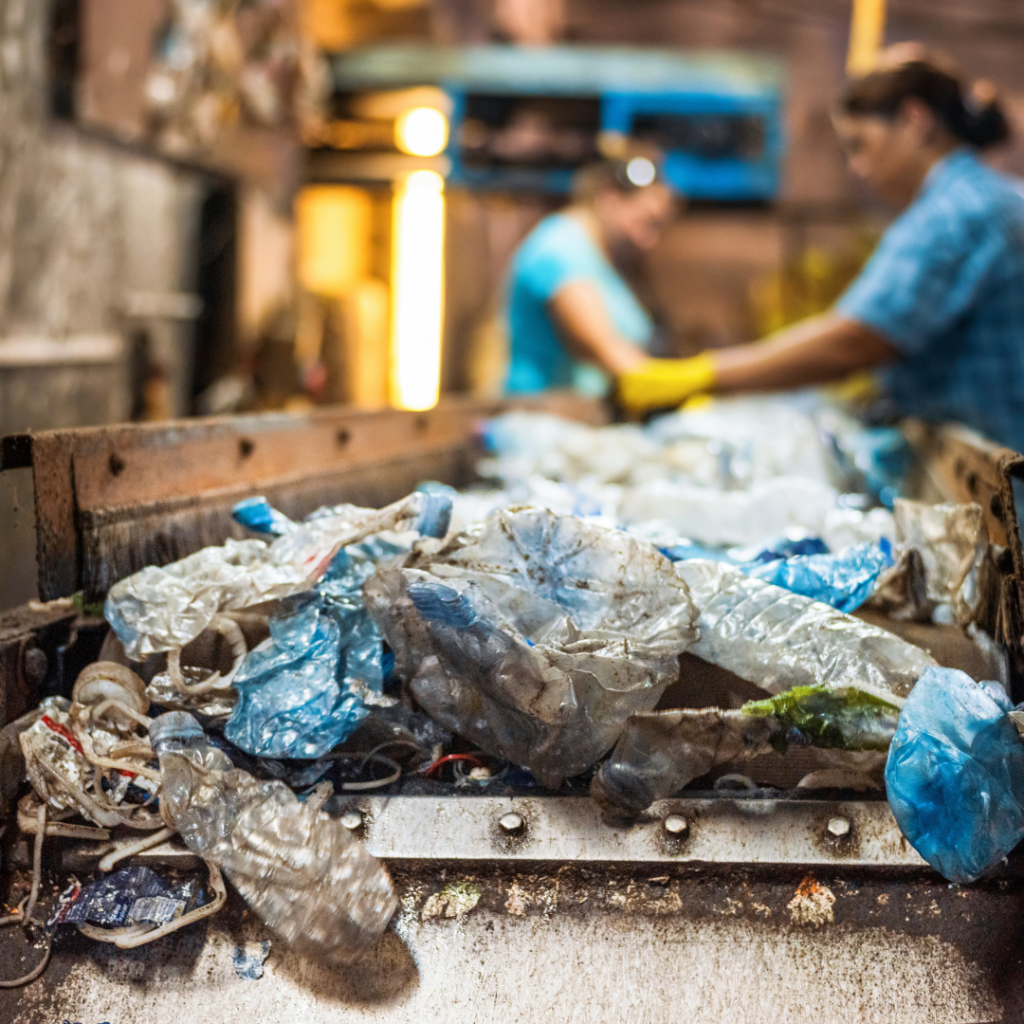
Waste contains a substantial amount of energy that can be harnessed. Through proper treatment processes, waste can be converted into various forms of renewable energy, such as:
- Methane Gas: Organic waste produces methane gas, which can be captured and used as fuel for power plants or as a raw material for industrial processes.
- Thermal Energy: The decomposition of waste generates heat, which can be used to produce steam that drives turbines and generates electricity.
- Biogas: A mixture of methane and carbon dioxide produced by the anaerobic digestion of waste can be used as fuel for cooking, heating, or electricity generation.
- Solid Fuels: Certain non-organic waste can be processed into solid fuels, such as Refuse Derived Fuel (RDF), which can be used to replace part or all of the fossil fuels in power plants.
Technologies Used
Several technologies are commonly used to convert waste into renewable energy, including:
- Landfill Gas: This technology captures methane gas produced at landfills and channels it to power plants for energy generation.
- Anaerobic Digestion: The anaerobic breakdown of organic materials produces biogas that can be utilized.
- Gasification: A process that converts solid materials into synthetic gas through heating without oxygen. This synthetic gas can be used as fuel or as a raw material for chemical production.
- Pyrolysis: A process of heating organic materials without oxygen at high temperatures to produce liquid, gas, and char.
Benefits of Applying Renewable Energy in Waste Treatment Facilities
- Reducing Greenhouse Gas Emissions: By utilizing waste as an energy source, greenhouse gas emissions can be significantly reduced.
- Reducing Waste Volume: The process of converting waste into energy helps reduce the volume of waste that needs to be disposed of in landfills.
- Generating Clean Energy: The energy produced from waste is clean and can replace the use of fossil fuels.
- Creating Jobs: The development and management of waste treatment facilities can create new job opportunities.
Challenges and Solutions
Despite its potential, the application of renewable energy in waste treatment still faces several challenges, such as:
- High Investment Costs: Building waste treatment facilities requires significant investment.
- Complex Technology: The technologies used in waste-to-energy conversion are complex and require specialized expertise.
- Incomplete Regulations: Regulations governing waste management and the use of renewable energy need to be further developed.
Solutions to address these challenges include:
- Public-Private Partnerships: Collaboration between the government and private sector can accelerate the development of infrastructure and technology.
- Fiscal Incentives: The government can offer fiscal incentives to encourage investment in this sector.
- Human Resource Development: Enhancing human capacity in waste management and renewable energy is essential.
The application of renewable energy in waste treatment facilities is a crucial step in addressing the waste problem and moving toward a more sustainable future. With ongoing technological advancements and the right policy support, the potential of renewable energy from waste can be optimized to provide greater benefits for both society and the environment.
Source: (https://dinaslh.kaltimprov.go.id/upaya-pengolahan-sampah-menjadi-energi-terbarukan/)