

Hydrogen from Seawater: The Future of Clean and Renewable Energy
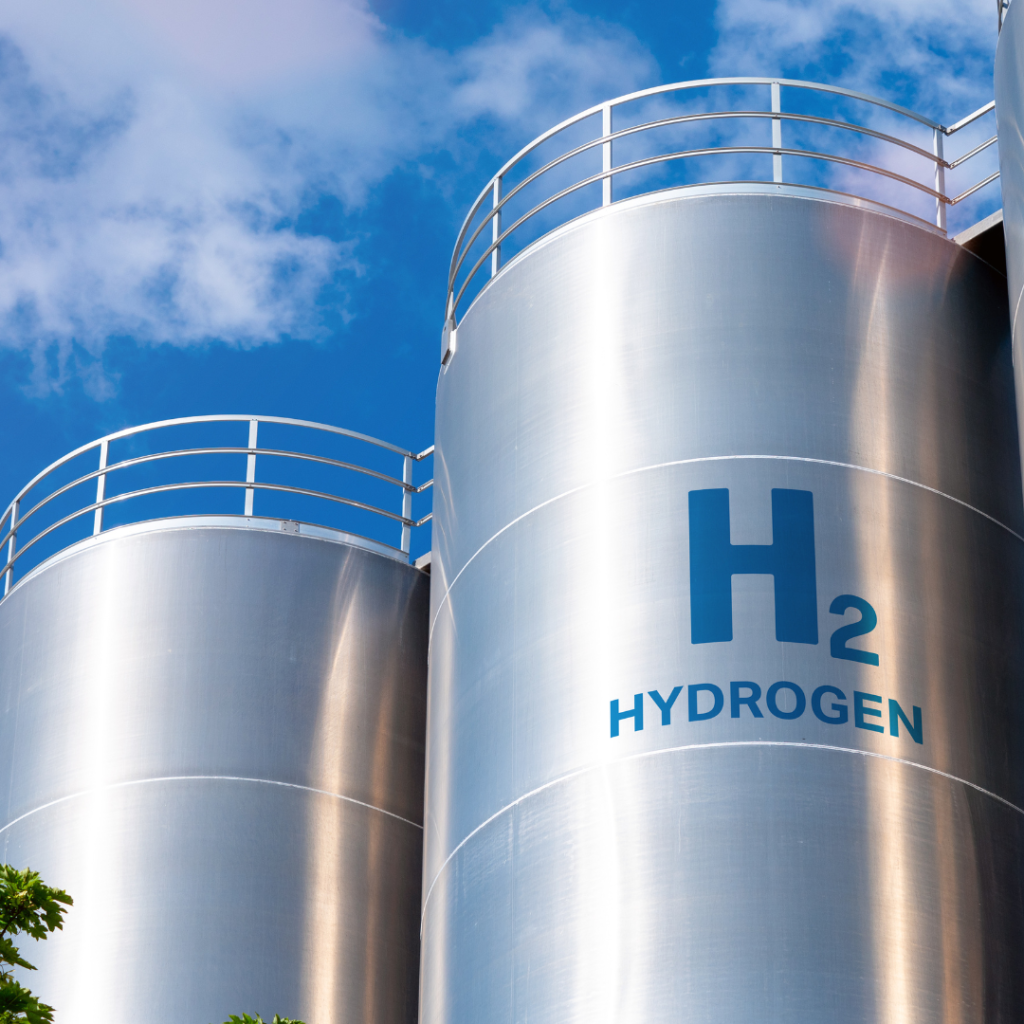
The global energy crisis and climate change are pushing us to seek clean and sustainable alternative energy sources. One promising candidate is hydrogen, often referred to as the “fuel of the future.” Hydrogen can be produced from various sources, one of which is seawater. Converting seawater into hydrogen offers great potential to meet the world’s growing energy demands.
Why Hydrogen from Seawater?
Abundant Source:
Seawater covers most of the Earth’s surface, providing an almost limitless source of hydrogen.
Zero Emissions:
When burned, hydrogen only produces water vapor, making it a clean fuel with no harmful greenhouse gas emissions.
High Energy Density:
Hydrogen has a high energy density, making it efficient for storage and transportation.
Versatile:
Hydrogen can be used in various applications, ranging from power generation to transportation.
The Process of Converting Seawater into Hydrogen
The main process for converting seawater into hydrogen is electrolysis. In this process, an electric current is passed through seawater, splitting water molecules (H₂O) into hydrogen (H₂) and oxygen (O₂). The chemical reaction that takes place is:2H2O→2H2+O22H₂O → 2H₂ + O₂2H2O→2H2+O2
Challenges and Solutions
Despite its potential, converting seawater into hydrogen faces several challenges:
Corrosion:
The salt in seawater can cause corrosion on electrodes, reducing the efficiency of the process.
Energy Consumption:
Electrolysis requires significant electrical energy, which can limit its cost-effectiveness.
Purification:
Seawater contains various salts and minerals that need to be removed before the electrolysis process.
Researchers and scientists are continuously working to overcome these challenges. Some of the solutions being developed include:
- Corrosion-Resistant Electrode Materials:
Developing electrode materials that can withstand the corrosive nature of seawater. - Renewable Energy:
Using renewable energy sources, such as solar or wind, to power the electrolysis process, making it more sustainable. - Selective Membranes:
Using selective membranes to separate hydrogen from other gases produced during the electrolysis process.
Potential and Applications
Hydrogen produced from seawater has immense potential for various applications, including:
- Power Generation:
Hydrogen can be used in fuel cells to generate electricity. - Transportation:
Hydrogen can be used as fuel for vehicles such as cars, buses, and ships. - Industry:
Hydrogen can be used in various industrial processes, such as ammonia production and fertilizer manufacturing.
Converting seawater into hydrogen is a promising solution to address energy and environmental challenges. Although there are still several hurdles to overcome, the potential offered by this technology is vast. With continued research and development, hydrogen from seawater could become a major energy source in the future.
Sumber : https://ojs.serambimekkah.ac.id/jse/article/download/5575/4117