Information Technology

Efficient Drilling Technology for Geothermal Energy: Toward a Clean Energy Future

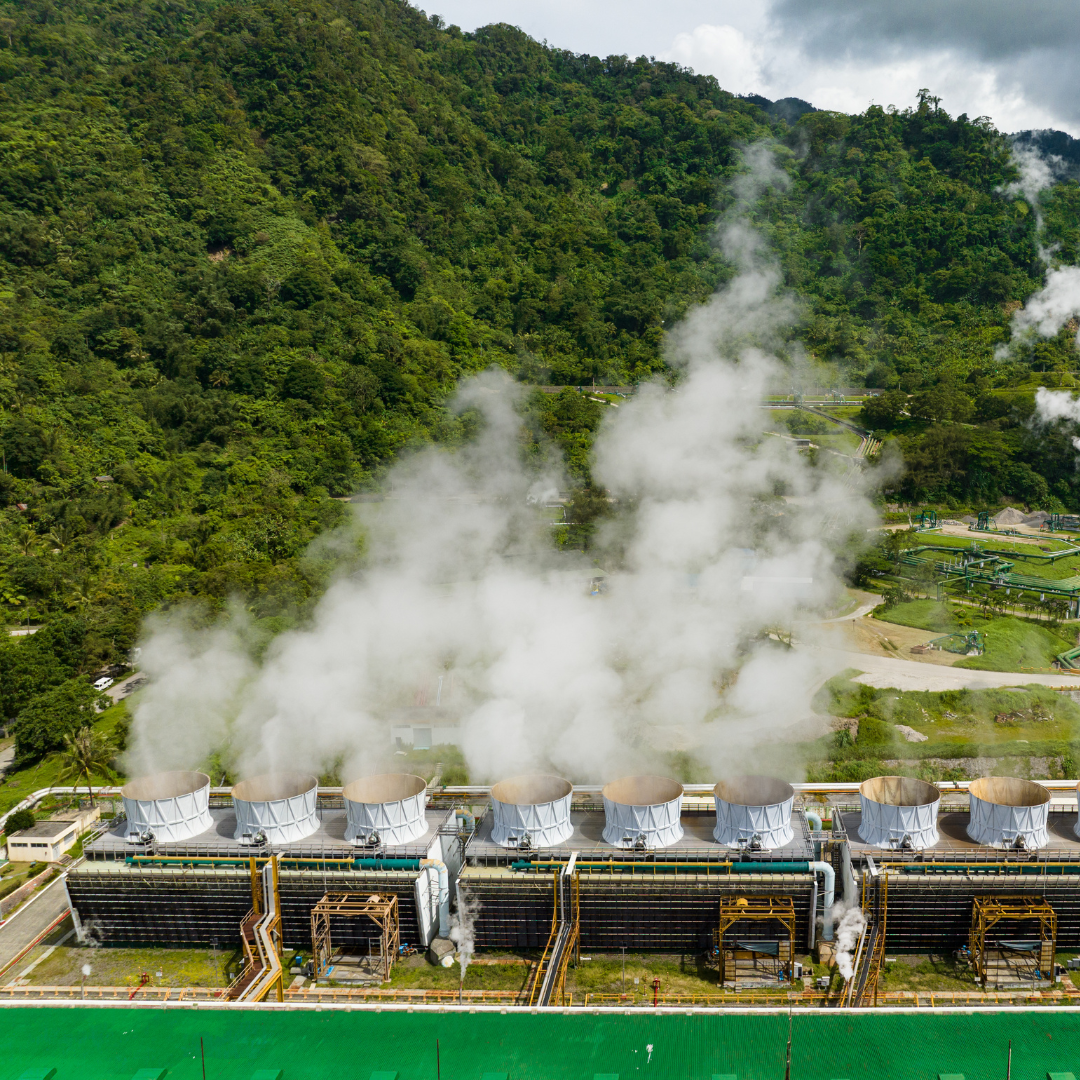
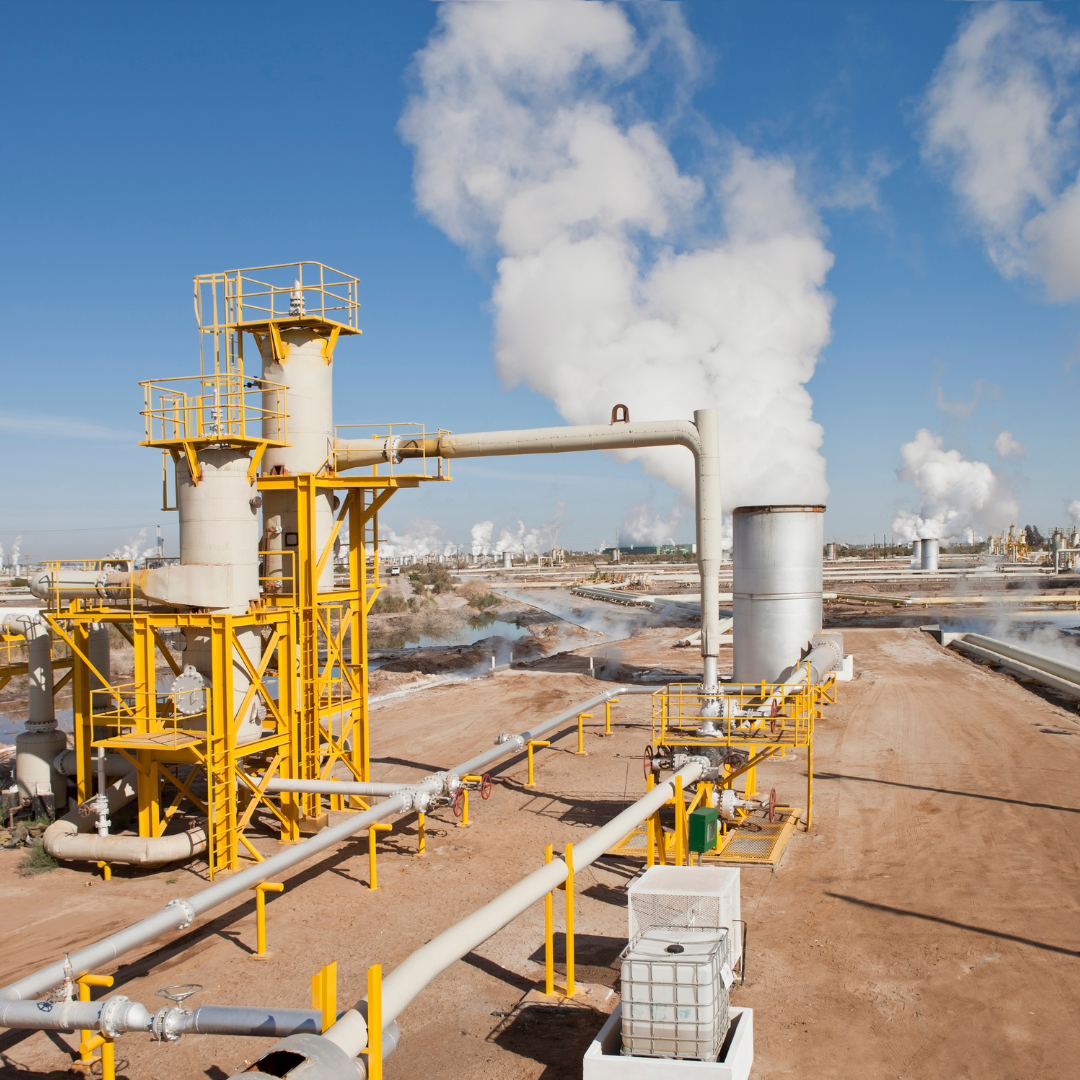
Geothermal energy, a renewable energy source derived from the Earth’s heat, is gaining interest as an alternative to fossil fuels. However, developing geothermal energy often faces challenges due to geological complexities and high drilling costs. To address these challenges, various efficient drilling technologies are continually being developed. Why Is Efficient Drilling Important? Drilling is one of the most crucial stages in geothermal energy project development. Efficiency in the drilling process can have a significant positive impact, such as: Latest Efficient Drilling Technologies Some of the efficient drilling technologies currently being developed and implemented include: Challenges and the Future Despite advancements in drilling technology, several challenges remain, such as: The future of geothermal drilling looks promising. With ongoing technological advancements and research, drilling costs are expected to decrease, and efficiency is likely to improve. This will create more opportunities for the development of geothermal energy as a clean and sustainable energy source. Sumber : https://www.esdm.go.id/id/media-center/arsip-berita/teknologi-geo-flow-imaging-tekan-biaya-eksplorasi-panas-bumi

Development of Osmosis Energy Technology: The Future of Clean Energy from the Sea

The energy crisis and climate change are driving the search for clean and sustainable alternative energy sources. One promising technology is osmosis energy. This technology harnesses the difference in salt concentration between seawater and freshwater to generate electricity. How does it work, and how far has the development of this technology come? Let’s take a closer look. What is Osmosis Energy? Osmosis energy is an energy conversion process that utilizes the difference in salt concentration between two solutions. When freshwater and seawater meet through a semipermeable membrane, freshwater flows towards the seawater to equalize the concentration. This flow of water can be used to turn a turbine and generate electricity. How Osmosis Energy Works Potential of Osmosis Energy Osmosis energy holds great potential, especially in island nations or coastal areas with significant salinity differences. Some advantages of osmosis energy include: Development of Osmosis Energy Technology While promising, the development of osmosis energy technology is still ongoing. Some of the challenges it faces include: Future Applications of Osmosis Energy In the future, osmosis energy is expected to become a significant energy source. Some potential applications include: Osmosis energy is a promising technology for the future of clean energy. Although it is still in the development stage, its potential is vast. With ongoing research and development, osmosis energy could become a key solution to the energy crisis and climate change.

The Use of Renewable Energy in the Heavy Industry Sector: Challenges and Opportunities

The heavy industry sector, traditionally known for its high fossil fuel consumption, is now beginning to shift toward cleaner and more sustainable energy sources. Using renewable energy in this sector offers significant benefits, including reducing greenhouse gas emissions and enhancing energy resilience. Challenges in Adopting Renewable Energy in Heavy Industry Despite its potential benefits, the transition to renewable energy in the heavy industry sector faces unique challenges, including: Opportunities and Solutions Despite these challenges, several opportunities and solutions can promote renewable energy adoption in the heavy industry sector: Examples of Renewable Energy Applications in Heavy Industry Some successful applications of renewable energy in the heavy industry sector include: Using renewable energy in the heavy industry sector is a critical step toward a more sustainable future. Although there are still challenges to overcome, the potential benefits are substantial. With the right policy support, technological innovation, and cross-sector collaboration, the transition to renewable energy in heavy industry can happen more rapidly. Sumber : http://www.wwf.id/id/blog/pentingnya-transisi-energi-di-sektor-industri

Tidal Energy Costs and Efficiency: A Review

Tidal energy, as a renewable energy source, offers promising potential to meet the world’s growing energy demands. However, its utilization still faces several challenges, one of which is the relatively high development and operational costs. Understanding Tidal Energy Costs The high costs associated with tidal energy development are influenced by several factors: Tidal Energy Efficiency Despite the high initial costs, tidal energy offers several advantages in terms of efficiency: Future Potential and Challenges While still facing challenges, tidal energy holds significant potential. With ongoing technological advancements and increasing awareness of the importance of clean energy, the costs of building tidal power plants are expected to continue to decrease. The key challenges that need to be addressed include: Promising Potential: Tidal energy offers great potential as a clean and renewable energy source. Although it still faces some challenges, particularly regarding costs and environmental impacts, the continued development of technology and supportive policies are expected to drive broader adoption of tidal energy in the future. Source : (https://id.wikipedia.org/wiki/Energi_pasang_surut)

Potential and Challenges of Ocean Energy in Indonesia: A New Hope for Clean Energy

With the world’s second-longest coastline, Indonesia has enormous potential for ocean energy. Ocean energy, which includes wave, tidal, and ocean current energy, offers an attractive alternative to meet the growing energy demands. However, the utilization of ocean energy in Indonesia still faces several challenges. Ocean Energy Potential in Indonesia Advantages of Ocean Energy Challenges in Harnessing Ocean Energy Efforts to Develop Ocean Energy in Indonesia The Indonesian government has demonstrated its commitment to developing ocean energy through various policies and programs. Some of the efforts include: Ocean energy offers new hope to meet Indonesia’s growing energy needs in a sustainable and environmentally friendly way. While there are still many challenges to overcome, the enormous potential of ocean energy should continue to be explored and developed. With government support, private investment, and the right technological advancements, Indonesia could become a leader in ocean energy utilization in Southeast Asia. Source : https://www.kompasiana.com/sanam/64c29c07633ebc75407cfab2/potensi-energi-laut-di-indonesia-sebagai-energi-listrik-terbarukan

Transparent Solar Panel Technology Innovation : Combining Aesthetics and Clean Energy

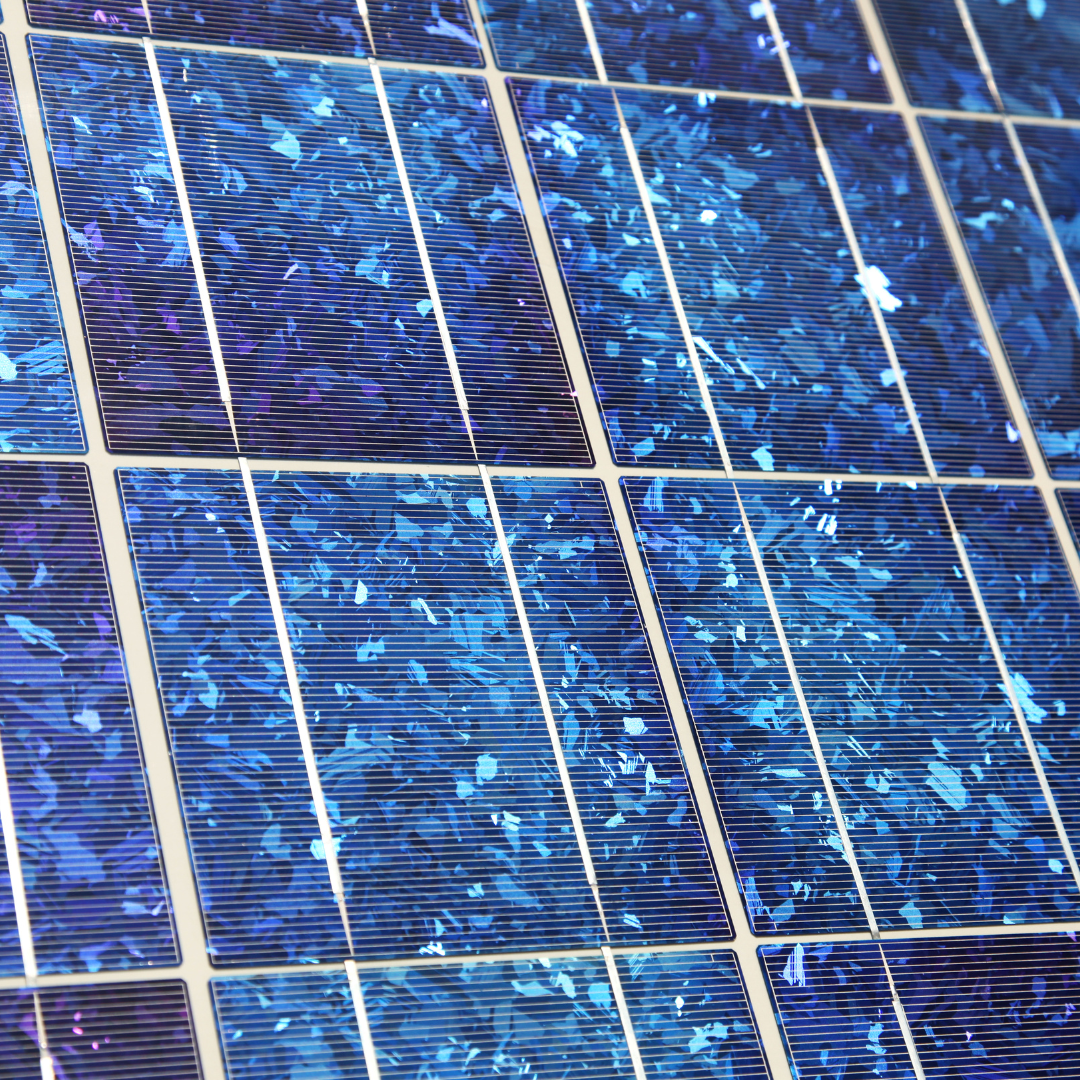
The world is becoming increasingly aware of the importance of renewable energy for a sustainable future. One intriguing innovation in solar energy is the transparent solar panel. This technology offers an aesthetic and functional solution, allowing us to generate electricity while preserving architectural beauty. What Are Transparent Solar Panels? Transparent solar panels are a type of solar panel designed to allow visible light to pass through the solar cells. Unlike conventional solar panels, typically black and installed on rooftops, transparent solar panels can be integrated into various surfaces, such as windows, ceilings, or even building facades. How They Work Transparent solar panels function similarly to conventional solar panels. When sunlight hits the solar cells, photons (light particles) release electrons, creating an electric current. The main difference lies in the materials used; transparent solar panels use semi-transparent materials that allow part of the visible light to pass through. Advantages of Transparent Solar Panels Applications of Transparent Solar Panels Transparent solar panels have a wide range of potential applications, including: Challenges and Development Despite their potential, transparent solar panels still face several challenges, such as: However, as technology advances, these challenges are expected to be overcome. Current research focuses on developing new, more efficient, and durable materials, as well as optimizing solar cell design. Transparent solar panels offer an innovative solution to harness solar energy more efficiently and aesthetically. With broad application potential, this technology plays a crucial role in creating a more sustainable future. Sumber : https://warstek.com/panel-surya-transparan/

Tidal Energy Technology: The Future of Clean Energy

In the search for clean and sustainable alternative energy sources, the world is increasingly turning its attention to the potential of ocean energy. One promising source of ocean energy is tidal energy. Tidal energy is generated from the rise and fall of sea levels caused by the gravitational forces of the moon and the sun. The kinetic energy from this movement of water can then be converted into electrical energy. How Does Tidal Energy Technology Work? In simple terms, tidal energy technology harnesses the difference in sea level height during high and low tides. There are several common methods used to capture this energy, including: Advantages of Tidal Energy Challenges and Recent Developments Despite its great potential, the development of tidal energy technology still faces several challenges, such as: However, researchers and developers continue to work on overcoming these challenges. Some recent advancements in tidal energy technology include: Tidal energy holds significant potential to become a major source of clean energy in the future. With ongoing research and development, tidal energy technology is expected to continue advancing and make a significant contribution to solving global energy challenges. Source : (https://id.wikipedia.org/wiki/Energi_pasang_surut)

Research and Development of Low-Speed Wind Energy: Potential and Challenges

Wind energy has long been highlighted as one of the most promising sources of renewable energy. However, most existing wind power plants are designed to operate optimally at relatively high wind speeds. This design limits the utilization of wind energy in areas with lower wind speeds, which, in fact, cover a large part of the world. What is Low-Speed Wind Energy? Low-speed wind energy refers to energy generated from winds with speeds lower than those required by conventional wind turbines. Typically, these low wind speeds range between 3–8 meters per second. Potential of Low-Speed Wind Energy Despite its lower speeds, low-speed wind energy has great potential, especially in urban, rural, and coastal areas. Some reasons why low-speed wind energy is attracting the interest of researchers and developers include: Challenges in Development However, developing technology to harness low-speed wind energy also faces several challenges, including: Recent Research and Development To overcome these challenges, researchers and developers are pursuing various innovations, such as: Examples of Application Examples of existing applications of low-speed wind energy include: Low-speed wind energy holds significant potential to help meet global energy needs. With continuous research and development, this technology is expected to become an effective solution for increasing wind energy utilization, especially in areas with lower wind speeds. Sumber : [https://tahtamedia.co.id/index.php/issj/article/view/90]

Ocean Wave Energy: Technology and Implementation for a Sustainable Future

As awareness of the importance of renewable energy continues to grow, ocean wave energy is gaining attention. Ocean waves, which are formed by the wind’s impact on the sea surface, contain vast amounts of potential energy. This article will explore various technologies used to convert wave energy into electricity and the potential for its implementation in the future. Wave Energy Conversion Technologies Several types of technologies have been developed to convert wave energy into electricity, including: Potential and Challenges Ocean wave energy has significant potential as a renewable energy source. Some of its advantages include: However, the use of wave energy also faces several challenges, including: Implementation in Indonesia With its long coastline, Indonesia has vast potential to develop wave energy. Several regions in Indonesia have conducted research and development related to this technology. However, to reach a commercial scale, stronger policy support and greater investment are needed. Ocean wave energy is a promising source of renewable energy. With the continued development of technology and appropriate policy support, wave energy can significantly contribute to meeting the world’s increasing energy demands. Source: https://ftmm.unair.ac.id/pemanfaatan-nanoteknologi-untuk-pembangkit-energi-listrik-tenaga-gelombang-laut/

Carbon Dioxide Separation Technology: A Step Towards a Greener Future

Climate change, which is becoming increasingly evident, is a global concern. One of the main causes of climate change is the rising concentration of greenhouse gases, particularly carbon dioxide (CO2), in the atmosphere. To address this issue, various technologies are being developed, one of which is carbon dioxide separation technology. What is Carbon Dioxide Separation? Carbon dioxide separation is the process of capturing CO2 from emission sources, such as fossil fuel power plants or industrial factories, before the gas is released into the atmosphere. The captured CO2 can then be permanently stored underground (Carbon Capture and Storage/CCS) or used for various purposes, such as the production of synthetic fuels. Why is Carbon Dioxide Separation Important? Carbon Dioxide Separation Technologies Several key technologies used for CO2 separation include: Challenges and Potential While CO2 separation technology offers great promise, there are still several challenges to overcome, such as: Carbon dioxide separation technology is a crucial solution to address climate change issues. With ongoing research and development, this technology is expected to become more efficient and affordable, making it feasible for widespread application across various industrial sectors. Source: IEA, 2021: Technology Roadmap: Carbon Capture and Storage.

Scroll to top