UIGreenmetric

Can Ocean Waves Become Electricity? Cool!

Have you ever played at the beach and felt the big waves? It turns out that these ocean waves contain a huge amount of energy! This energy can be used to generate electricity. How does that work? Let’s find out! What is a Wave Power Plant? A wave power plant (WPP) is a technology that harnesses energy from ocean waves to generate electricity. Imagine, the rising and falling waves can move turbines and generate electricity, just like wind moves windmills. How Does It Work? There are many ways to convert wave energy into electricity, but generally, the working principle is as follows: Why Do We Need Wave Power Plants? Challenges in Developing WPP Although it has great potential, the development of WPP still faces some challenges, such as: Examples of WPP Around the World Countries like Portugal, Scotland, and Japan have already started developing WPP. They use various types of technology, from simple to very complex systems. The Future of WPP WPP has enormous potential to meet future energy needs. With the continuous development of technology and support from various parties, WPP could become one of the world’s primary energy sources. What Can We Do? Let’s support the development of clean energy to keep our planet healthy! References: Got any other questions? Just ask! Topics you might find interesting to discuss next:

Energy from Nature: Why is it Important for Our Country?

Energy from Nature: Why is it Important for Our Country? Have you ever heard of solar panels or wind turbines? These are examples of renewable energy. Renewable energy is energy that comes from nature and never runs out, like sunlight, wind, or water. So why is renewable energy important, especially for developing countries? Let’s find out! Why is Renewable Energy Important? Challenges in Developing Countries Despite the many benefits, there are some challenges that make developing renewable energy in developing countries a bit difficult: Big Opportunities for Our Country But don’t be discouraged! There are many opportunities that renewable energy can bring: Examples of Renewable Energy Around Us What Can We Do? Let’s work together to protect our earth by using clean and eco-friendly energy! References: Got more questions? Just ask! Let’s learn together to make the world a better place! Topics that might be interesting to discuss next: The importance of saving energyEnergy from Nature: Why is it Important for Our Country? Have you ever heard of solar panels or wind turbines? These are examples of renewable energy. Renewable energy is energy that comes from nature and never runs out, like sunlight, wind, or water. So why is renewable energy important, especially for developing countries? Let’s find out! Why is Renewable Energy Important? Challenges in Developing Countries Despite the many benefits, there are some challenges that make developing renewable energy in developing countries a bit difficult: Big Opportunities for Our Country But don’t be discouraged! There are many opportunities that renewable energy can bring: Examples of Renewable Energy Around Us What Can We Do? Let’s work together to protect our earth by using clean and eco-friendly energy! References: Got more questions? Just ask! Let’s learn together to make the world a better place! Topics that might be interesting to discuss next: The importance of saving energyHave you ever heard of solar panels or wind turbines? These are examples of renewable energy. Renewable energy is energy that comes from nature and never runs out, like sunlight, wind, or water. So why is renewable energy important, especially for developing countries? Let’s find out! Animals that help process waste How to make your own compost at home Animals that help process waste How to make your own compost at home Why is Renewable Energy Important? Challenges in Developing Countries Despite the many benefits, there are some challenges that make developing renewable energy in developing countries a bit difficult: Big Opportunities for Our Country But don’t be discouraged! There are many opportunities that renewable energy can bring: Examples of Renewable Energy Around Us What Can We Do? Let’s work together to protect our earth by using clean and eco-friendly energy! References: Got more questions? Just ask! Let’s learn together to make the world a better place! Topics that might be interesting to discuss next:

Waste-Based Energy: Innovation for a Greener Future

Have you ever thought that the waste we throw away every day could be transformed into a source of energy? It turns out this is already a reality! Waste-based energy is an innovation that uses leftover materials like organic waste, industrial waste, and agricultural waste to generate energy. Why is Waste-Based Energy Important? How is Waste Converted into Energy? There are several ways to convert waste into energy, including: Examples of Waste-Based Energy Applications in Indonesia Challenges and Opportunities Although waste-based energy has great potential, its development still faces several challenges, such as: Opportunities: Waste-based energy is a highly promising solution to address environmental and energy issues. With ongoing technological advancements and support from various parties, we can achieve a more sustainable future.

The Latest Generation of Nuclear Energy: A Safer and More Efficient Future of Energy

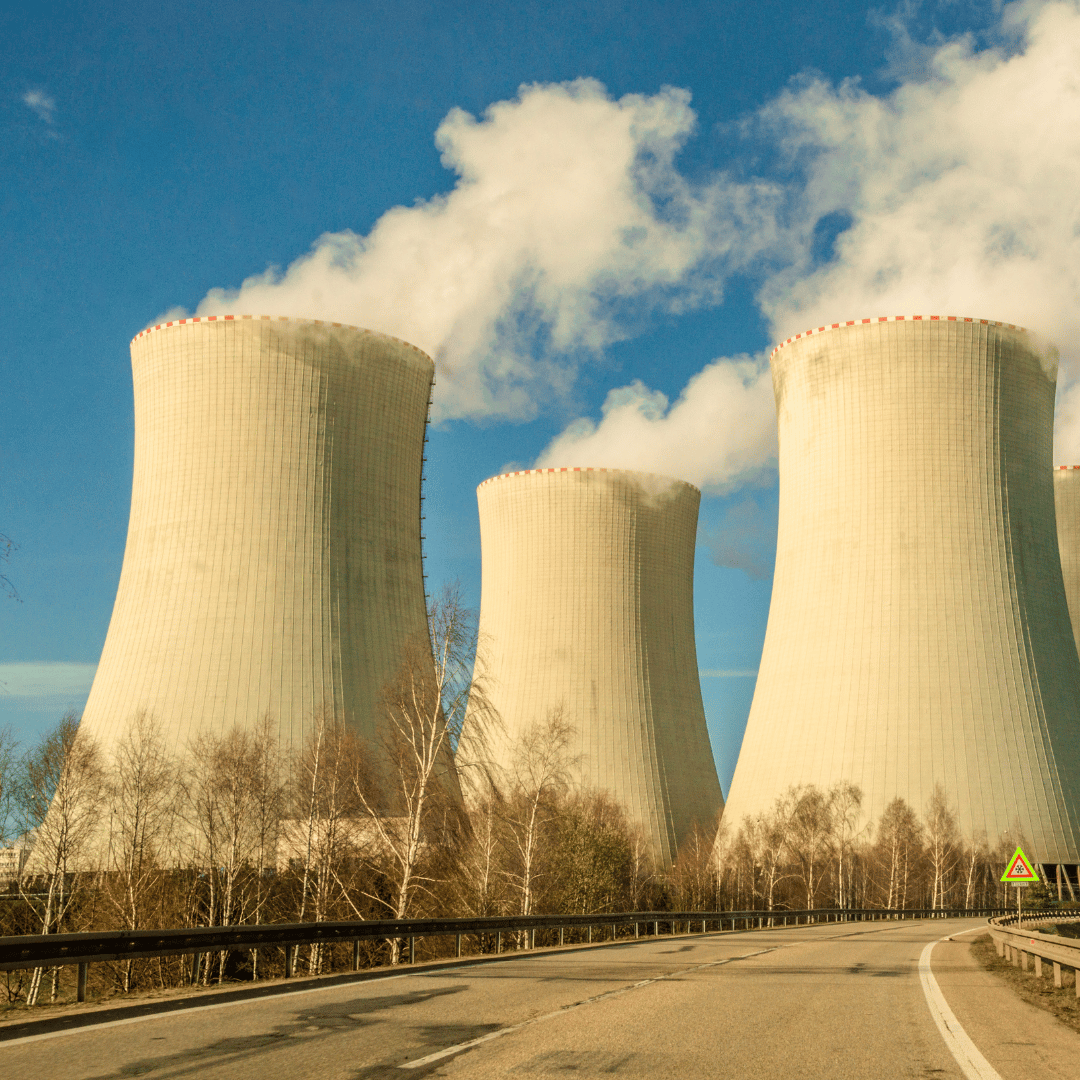
Nuclear energy has long been a controversial topic. However, with rapid technological advancements, the latest generation of nuclear energy comes with promises of greater safety and efficiency. Let’s explore this technology in depth. What is the Latest Generation of Nuclear Energy? The latest generation of nuclear energy refers to modern and innovative nuclear reactor designs compared to previous generations. These reactors are designed with various factors in mind, including safety, efficiency, and minimizing environmental impact. Key Differences from Previous Generations: Why is the Latest Generation of Nuclear Energy Safer? Why is the Latest Generation of Nuclear Energy More Efficient? Challenges That Remain Despite offering many advantages, the development and implementation of new-generation nuclear energy still face several challenges, such as: The latest generation of nuclear energy offers tremendous potential to meet the world’s growing energy needs. With significant improvements in safety and efficiency, nuclear energy can play a key role in the future energy mix. However, it is essential to remember that nuclear energy development and implementation must be undertaken carefully, considering all aspects, including safety, environmental impact, and social concerns. Source : BRIN Strengthens the Role of Nuclear Energy for the Nation’s Future: https://www.brin.go.id/news/114271/brin-perkuat-peran-energi-nuklir-untuk-masa-depan-bangsa

Green Hydrogen: The Future of Clean Energy

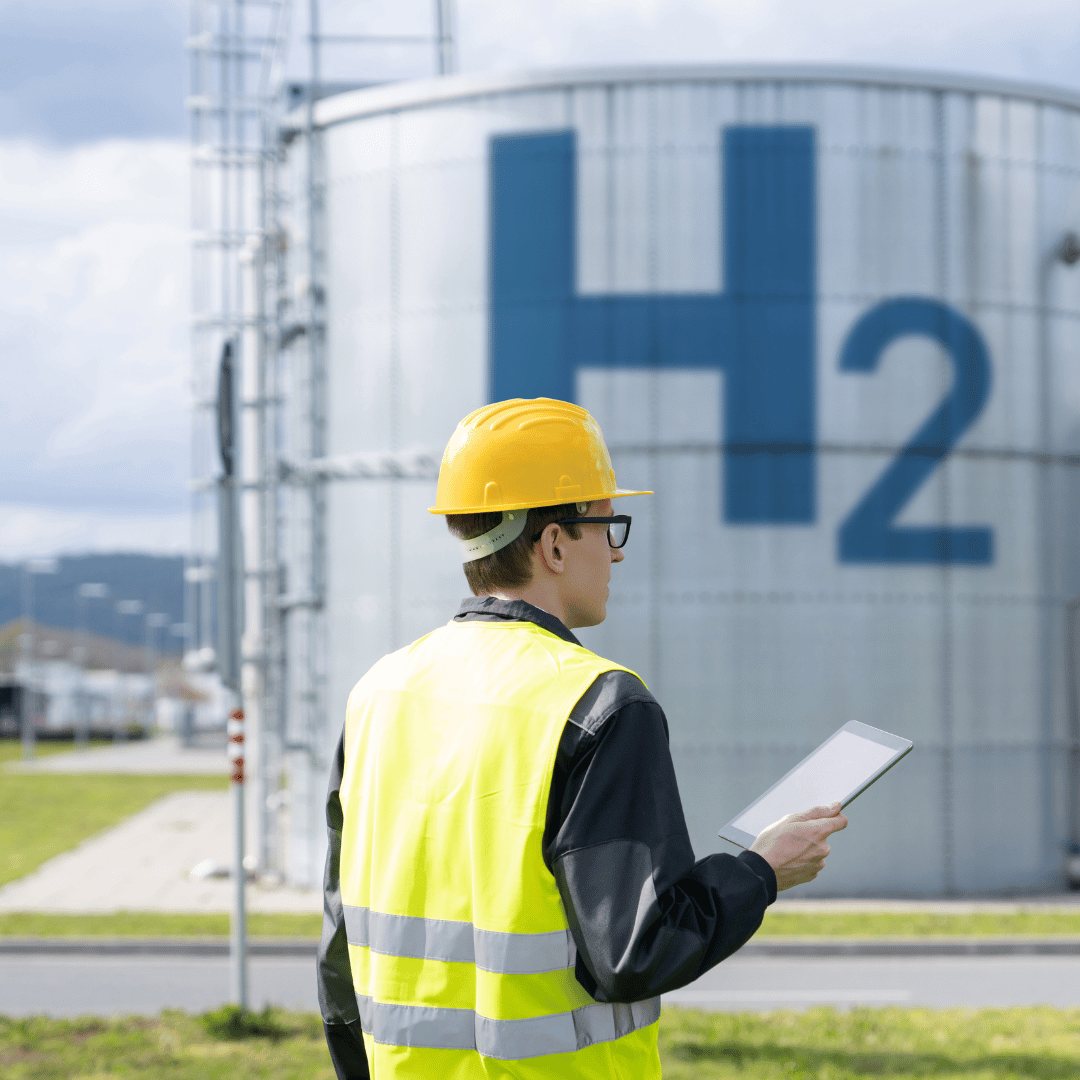
Green hydrogen is hydrogen produced through the process of water electrolysis, using electricity sourced from renewable energy like solar, wind, or hydroelectric power. This process yields pure hydrogen with no carbon emissions, which is why it is referred to as “green.” The Process of Making Green Hydrogen Advantages of Green Hydrogen Uses of Green Hydrogen Challenges of Green Hydrogen The Future of Green Hydrogen Green hydrogen has great potential to become a clean energy source in the future. With ongoing advancements in technology and government support, the production cost of green hydrogen is expected to decrease, and the necessary infrastructure will become more developed. Comparison with Other Types of Hydrogen Green hydrogen is a promising solution for achieving carbon neutrality. With its various advantages, green hydrogen could become the backbone of the future energy system. Source: Wikipedia: https://id.wikipedia.org/wiki/Hidrogen_hijau

Geothermal Energy: Earth’s Heat for Electricity

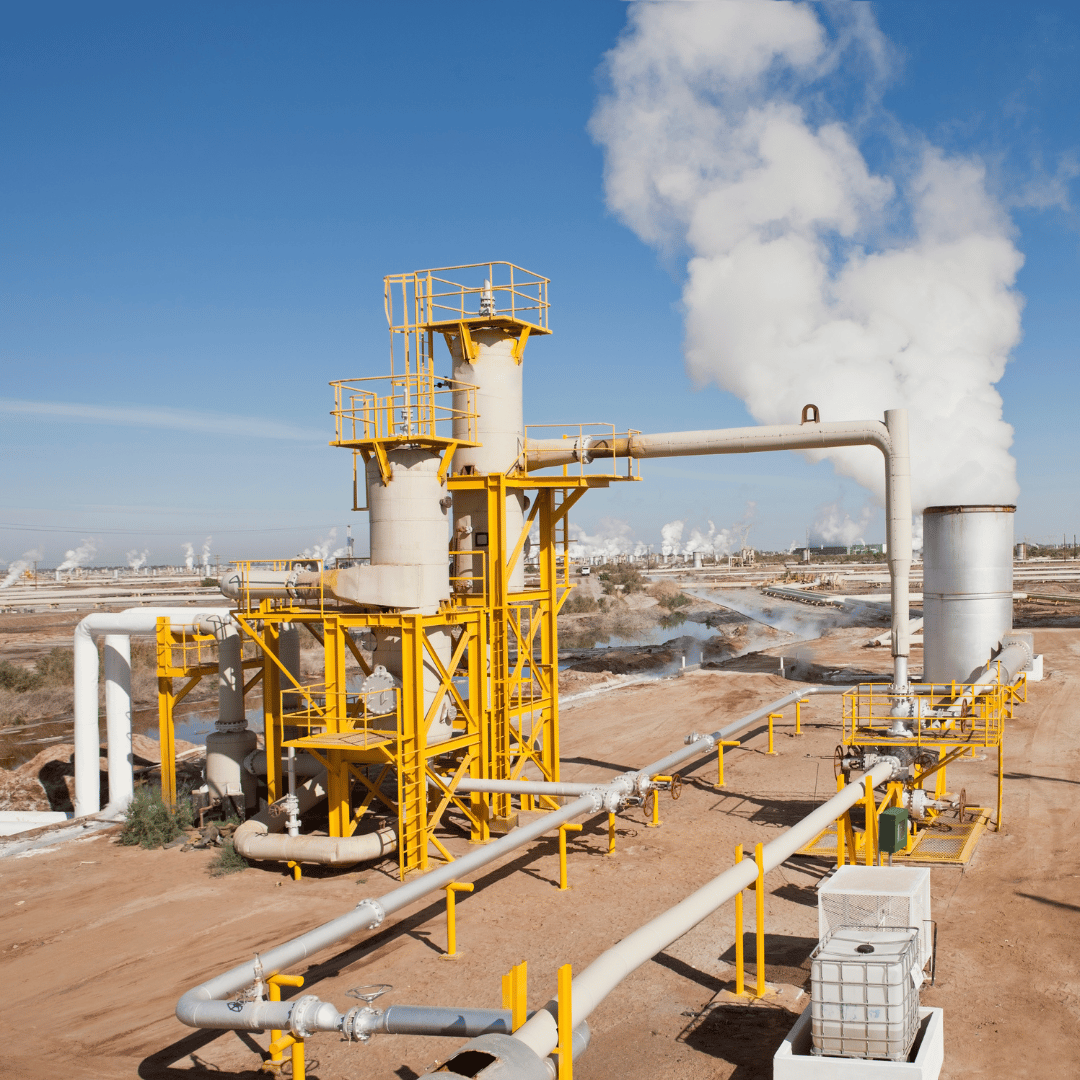
Geothermal energy is heat energy derived from within the Earth. This heat is generated by the radioactive decay of elements in the Earth’s core. Geothermal energy can be utilized to generate electricity or to heat water or spaces. How Geothermal Energy WorksTo generate electricity, geothermal energy utilizes steam from beneath the Earth’s surface. This steam can be accessed by drilling wells to reach the geothermal layers. The steam is then directed to a turbine, which generates electricity. Advantages of Geothermal Energy Challenges of Geothermal Energy Applications of Geothermal EnergyIn addition to generating electricity, geothermal energy can also be used for: The Future of Geothermal EnergyWith ongoing technological development and research, the potential of geothermal energy is increasing. Many countries around the world have developed large-scale projects to harness geothermal energy. Geothermal energy is a clean and sustainable energy source with great potential. By overcoming existing challenges, geothermal energy can make a significant contribution to reducing dependence on fossil fuels and addressing climate change issues. Source : Ministry of Energy and Mineral Resources: Seeking information on geothermal projects in Indone

Bioenergy: Energy from Nature

Bioenergy is energy derived from organic materials such as plants, animals, and organic waste. These organic materials contain stored energy from the process of photosynthesis. Through various processes, this energy can be converted into more usable forms, such as electricity or heat. Biomass Sources Biomass is organic material that can be used to produce bioenergy. Some examples of biomass include: Bioenergy Production Processes There are several ways to convert biomass into energy, including: Advantages of Bioenergy Challenges of Bioenergy The Future of Bioenergy Bioenergy has great potential to become an important part of the future energy system. With ongoing technological advances and research, bioenergy production efficiency can be improved, and production costs can be reduced. Examples of Bioenergy Applications source : Wikipedia: [https://id.wikipedia.org/wiki/Bioenergi]

Wind Energy: A New Hope for Clean Energy

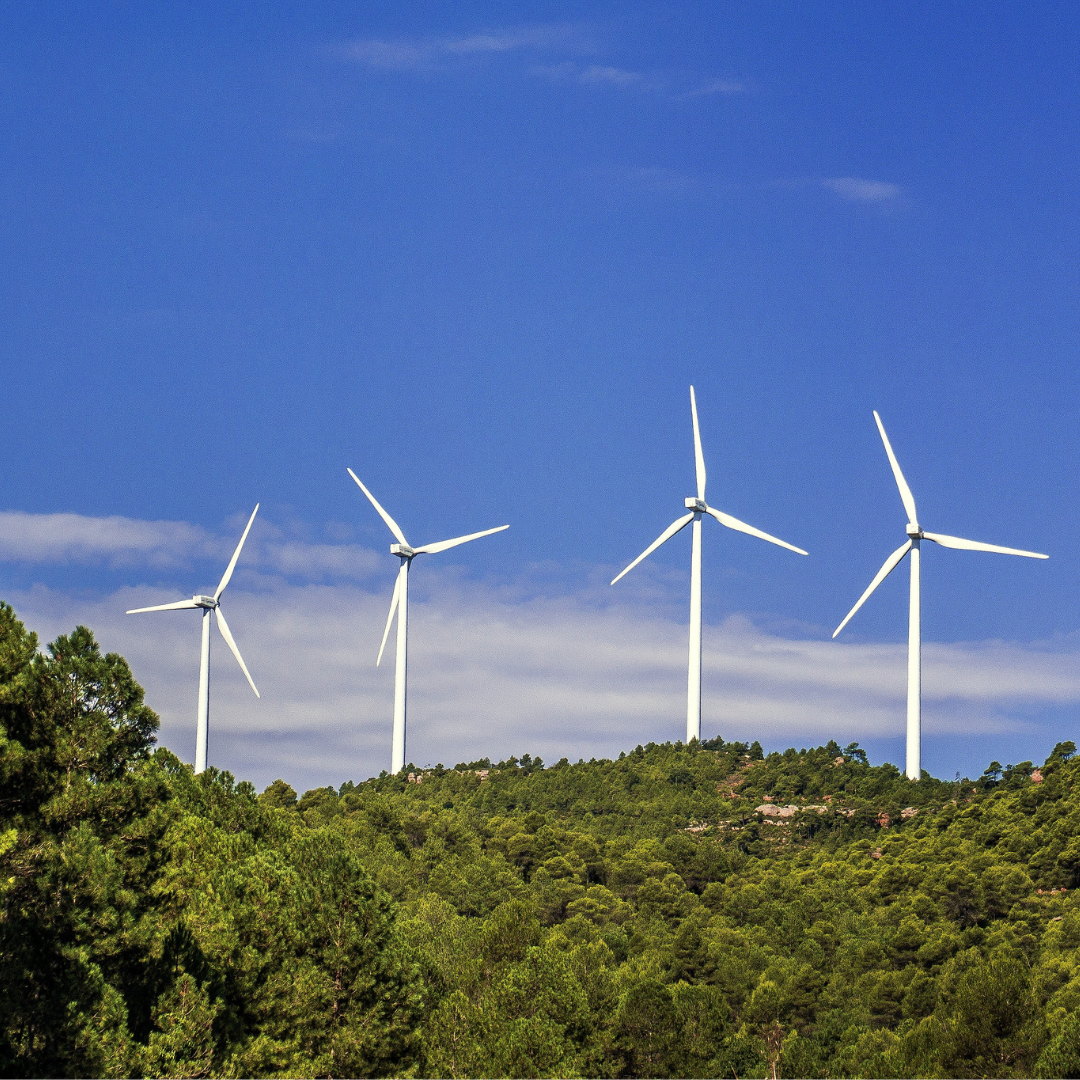
Wind energy is energy generated from the movement of air or wind. Wind is formed due to differences in air pressure in various regions. These pressure differences can be caused by uneven heating of the Earth’s surface by the sun. How Does Wind Energy Work? Wind energy is harnessed using wind turbines. Wind turbines have large blades that spin when hit by wind. This blade rotation is then converted into mechanical energy, which is further converted into electrical energy by a generator. Advantages of Wind Energy Applications of Wind Energy Wind energy can be applied in various fields, such as: Challenges of Wind Energy Despite its many advantages, wind energy development still faces several challenges, such as: The Future of Wind Energy With advancing technology and government support, wind energy is predicted to become one of the primary energy sources in the future. Many countries around the world have developed large projects to harness wind energy. Wind energy is a highly promising source of clean and sustainable energy. By overcoming the existing challenges, wind energy can make a significant contribution to reducing dependence on fossil fuels and addressing climate change issues. source :  Wikipedia: [https://id.wikipedia.org/wiki/Tenaga_angin]

Solar Energy: A Bright Future for Energy

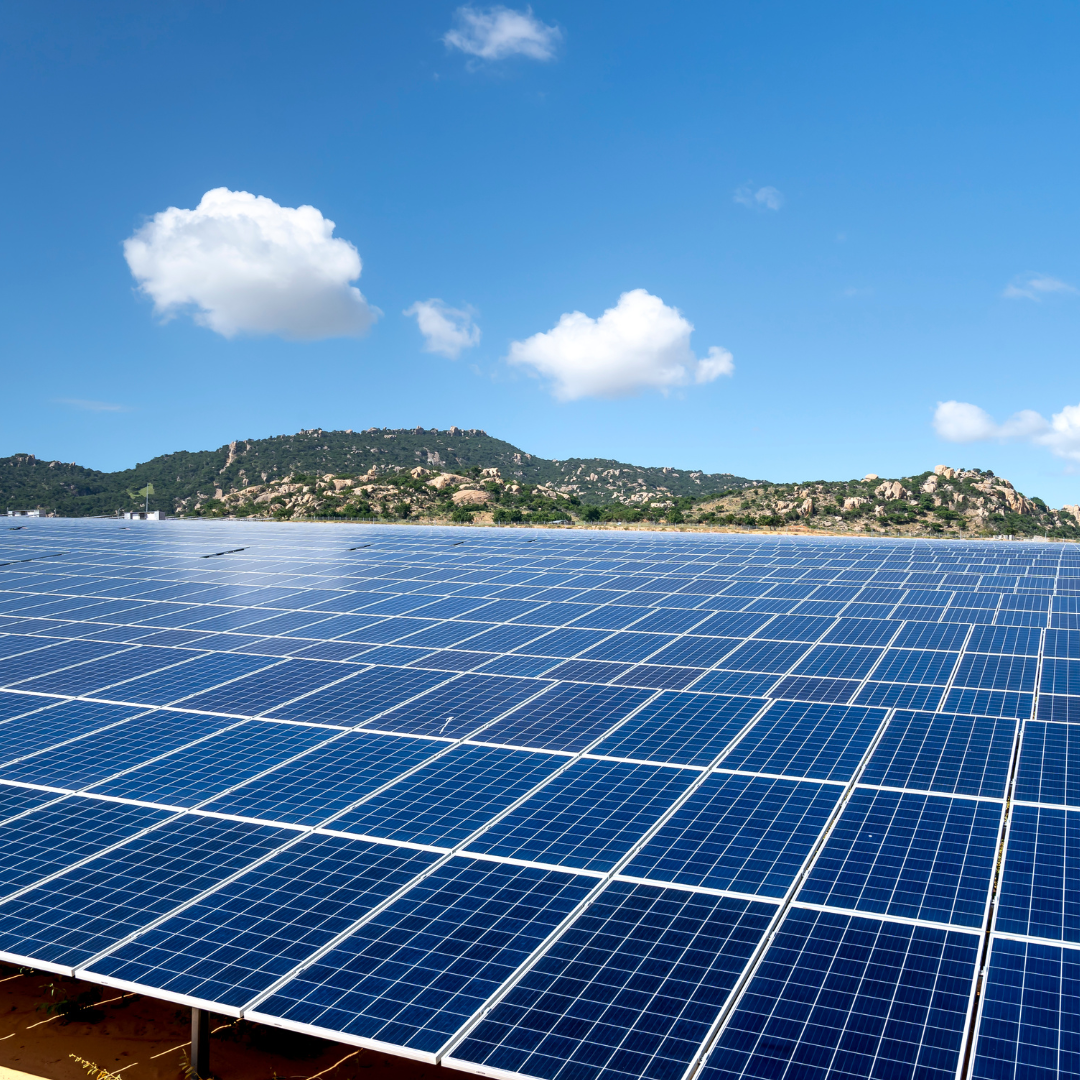
Amidst the global energy crisis and growing environmental awareness, solar energy is increasingly in the spotlight. As an abundant renewable energy source, solar power offers a sustainable solution to meet our energy needs. What is Solar Energy? Solar energy is energy obtained from sunlight. This energy is converted into electricity through solar panels containing photovoltaic cells, which directly transform light energy into electrical energy. Benefits of Solar Energy Environmentally friendly: It does not produce greenhouse gas emissions, helping to reduce the impact of climate change. Sustainable: The sun is an inexhaustible energy source, making solar power a highly sustainable energy source. Low operational costs: After the initial investment for installing solar panels, operational costs are very low. Energy independence: By utilizing solar energy, you can reduce dependence on the public power grid. Solar Energy Technology Solar Panels: The main component in solar energy systems that converts sunlight into electricity. Inverter: Converts the direct current (DC) generated by solar panels into alternating current (AC) that can be used by household electrical appliances. Battery: Stores the electricity generated by solar panels for use at night or during cloudy weather. Applications of Solar Energy Solar energy can be applied in various fields, such as: Solar Power Plants: Generates electricity on a large scale to meet the electricity needs of a region. Solar Water Heaters: Uses solar heat to warm water. Solar-Powered Electric Vehicles: Cars, motorcycles, and other vehicles that use solar energy as their power source. Street Lighting: Street lamps powered by solar energy. Challenges and the Future of Solar Energy Although it offers numerous benefits, solar energy development still faces challenges, such as the relatively high initial investment costs and dependence on weather conditions. However, with advancing technology and government support, solar energy is predicted to become a primary energy source in the future. Solar energy is one of the best solutions to address today’s energy issues. By harnessing abundant and environmentally friendly natural resources, solar energy can make a significant contribution toward creating a more sustainable future.

Sustainable Strides: Health Walk and Fun Run Celebrates Green Living and SDGs

Hello Indonesian Golden Generation..In a bid to foster healthy lifestyles and contribute to a sustainable future, the local community came together for an exciting Fun Run and Health Walk event. The event, which was held last weekend, not only encouraged physical well-being but also highlighted the importance of green living and the Sustainable Development Goals (SDGs).Participants of all ages gathered at the starting line, eager to take part in the Fun Run and Health Walk. The event featured various categories, catering to both seasoned runners and families looking to enjoy a leisurely stroll in the fresh air. Beyond promoting green living, the event was a platform to raise awareness about the SDGs.With the success of this year’s Fun Run and Health Walk, organizers are already planning next year’s event, with even more green initiatives and educational opportunities to further the community’s commitment to sustainable living and the SDGs.

Scroll to top