
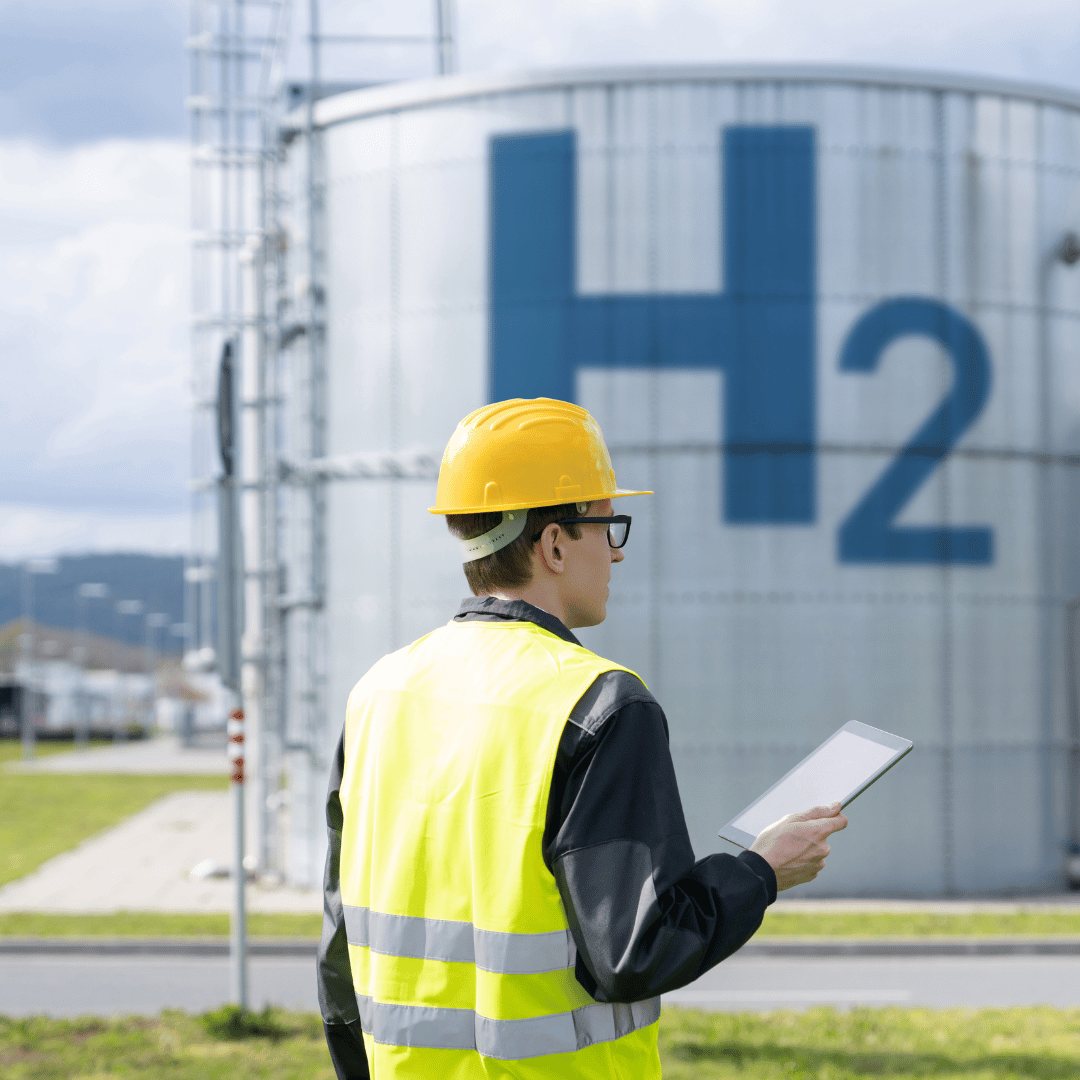
Green Hydrogen: The Future of Clean Energy
Green hydrogen is hydrogen produced through the process of water electrolysis, using electricity sourced from renewable energy like solar, wind, or hydroelectric power. This process yields pure hydrogen with no carbon emissions, which is why it is referred to as “green.”
The Process of Making Green Hydrogen
- Water Electrolysis: Water is broken down into hydrogen and oxygen using electricity from renewable energy sources.
- Purification: The hydrogen produced is then purified to remove contaminants.
Advantages of Green Hydrogen
- Environmentally Friendly: The production and use of green hydrogen do not generate carbon emissions, making it highly eco-friendly.
- Versatile: Green hydrogen can be used in various applications, such as power generation, transportation, and industry.
- Energy Storage: Green hydrogen can be stored and used when needed, helping to solve the intermittency issues of renewable energy.
Uses of Green Hydrogen
- Power Generation: Green hydrogen can be burned in fuel cells to generate electricity.
- Transportation: Green hydrogen can be used as fuel for vehicles like cars and buses.
- Industry: Green hydrogen can be used in industrial processes, such as ammonia and steel production.
Challenges of Green Hydrogen
- Production Cost: The cost of producing green hydrogen is still relatively high compared to fossil fuels.
- Infrastructure: Adequate infrastructure is needed for the production, storage, and distribution of green hydrogen.
- Efficiency: The overall efficiency of the production and use of green hydrogen still needs improvement.

The Future of Green Hydrogen
Green hydrogen has great potential to become a clean energy source in the future. With ongoing advancements in technology and government support, the production cost of green hydrogen is expected to decrease, and the necessary infrastructure will become more developed.
Comparison with Other Types of Hydrogen
- Gray Hydrogen: Produced from natural gas using steam reforming, generating carbon emissions.
- Blue Hydrogen: Produced from natural gas with steam reforming, but the carbon emissions are captured and stored.
Green hydrogen is a promising solution for achieving carbon neutrality. With its various advantages, green hydrogen could become the backbone of the future energy system.
Source: Wikipedia: https://id.wikipedia.org/wiki/Hidrogen_hijau