
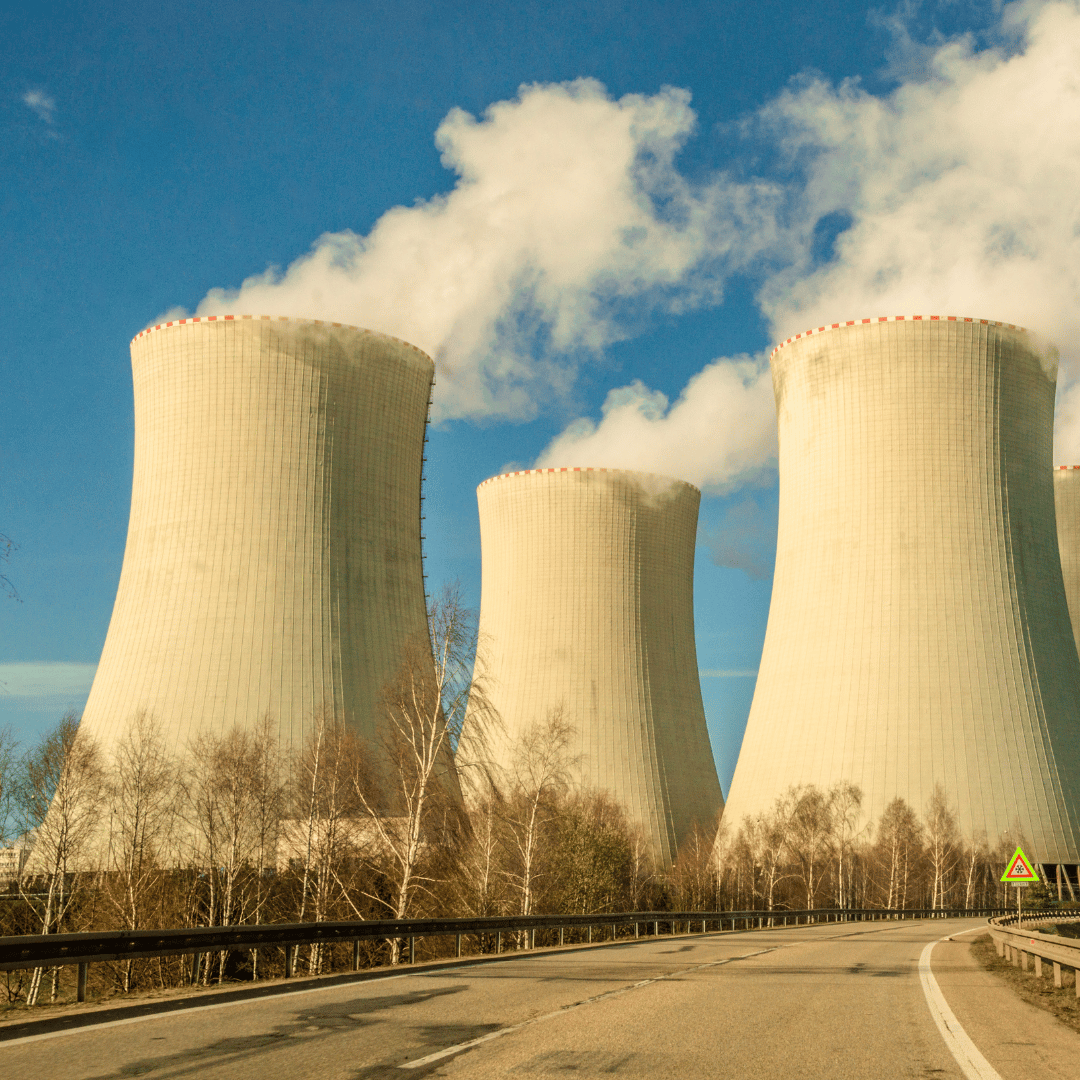
The Latest Generation of Nuclear Energy: A Safer and More Efficient Future of Energy
Nuclear energy has long been a controversial topic. However, with rapid technological advancements, the latest generation of nuclear energy comes with promises of greater safety and efficiency. Let’s explore this technology in depth.
What is the Latest Generation of Nuclear Energy?
The latest generation of nuclear energy refers to modern and innovative nuclear reactor designs compared to previous generations. These reactors are designed with various factors in mind, including safety, efficiency, and minimizing environmental impact.
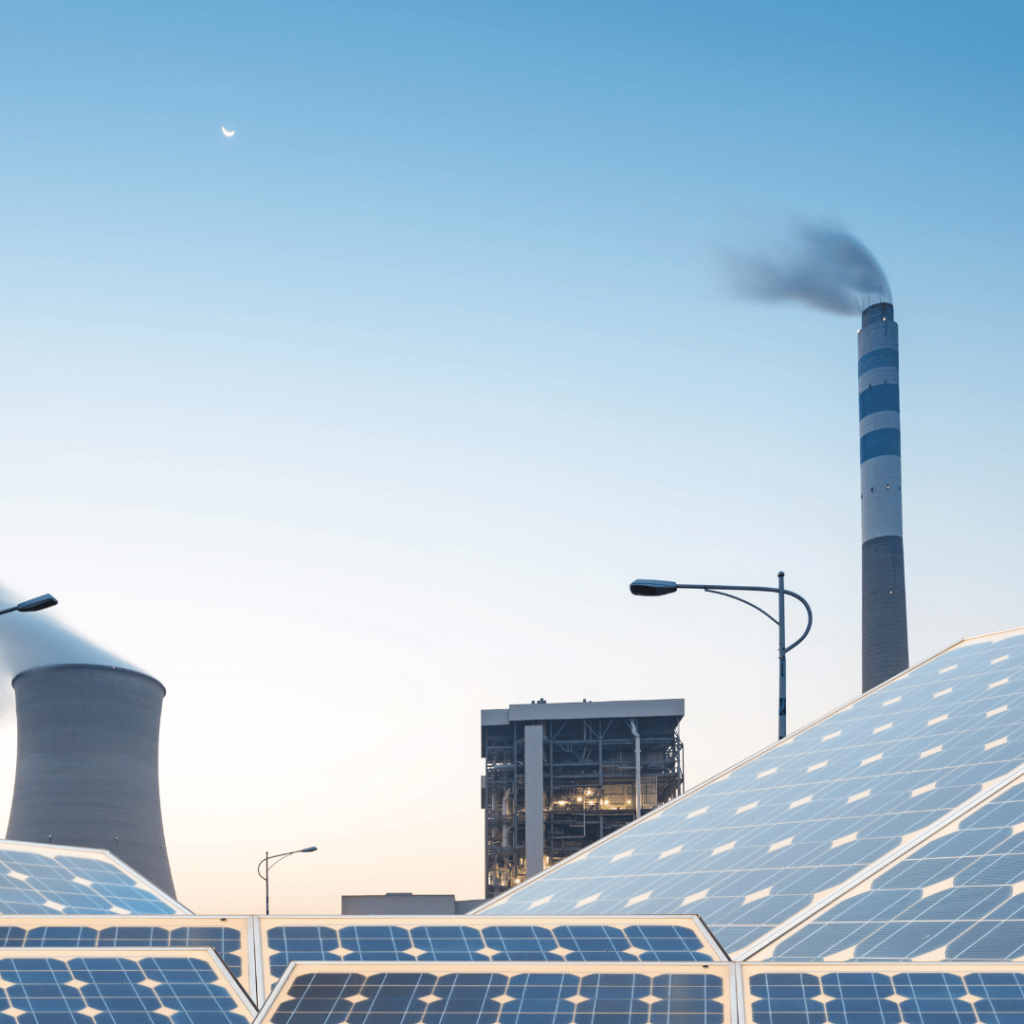
Key Differences from Previous Generations:
- Simplified Design: New generation reactors tend to have a simpler design, reducing the potential for human error and increasing reliability.
- Passive Cooling: Many of these reactors are equipped with passive cooling systems that operate without additional electricity, making them safer in emergencies.
- More Efficient Fuel Use: The use of more efficient nuclear fuel allows for greater energy production with less fuel.
- Reduced Radioactive Waste: Fuel recycling technology and improved reactor design help reduce the amount of radioactive waste generated.
- Resilience to Natural Disasters: New generation reactors are designed to withstand earthquakes, tsunamis, and other natural disasters.
Why is the Latest Generation of Nuclear Energy Safer?
- Layered Safety Systems: New generation reactors are equipped with multiple layers of protection to prevent nuclear accidents.
- Early Detection Systems: Advanced monitoring systems allow for early detection of potential issues, enabling swift preventative action.
- Strict Safety Standards: The construction and operation of new generation nuclear reactors always adhere to rigorous international safety standards.
Why is the Latest Generation of Nuclear Energy More Efficient?
- Better Energy Conversion: New generation reactors can convert nuclear energy to electricity with higher efficiency.
- Optimal Fuel Usage: Improved reactor designs allow for optimal use of nuclear fuel, reducing energy production costs.
- Closed Fuel Cycle: With nuclear fuel recycling technology, the fuel cycle is more closed, reducing dependence on natural resources.
Challenges That Remain
Despite offering many advantages, the development and implementation of new-generation nuclear energy still face several challenges, such as:
- High Construction Costs: Building new-generation nuclear reactors still requires significant investment.
- Public Resistance: Public concerns about nuclear risks remain a barrier to nuclear energy development.
- Radioactive Waste Management: Although the amount of radioactive waste is reduced, managing this waste remains an important issue.
The latest generation of nuclear energy offers tremendous potential to meet the world’s growing energy needs. With significant improvements in safety and efficiency, nuclear energy can play a key role in the future energy mix. However, it is essential to remember that nuclear energy development and implementation must be undertaken carefully, considering all aspects, including safety, environmental impact, and social concerns.
Source : BRIN Strengthens the Role of Nuclear Energy for the Nation’s Future: https://www.brin.go.id/news/114271/brin-perkuat-peran-energi-nuklir-untuk-masa-depan-bangsa