UIGreenmetric World University Ranking

Renewable Energy: A Sustainable Solution for the Food Processing Industry

The food processing industry is one of the sectors that consumes the most energy. However, with the growing awareness of the importance of sustainability and environmental impact, many food industries are beginning to shift towards more environmentally friendly energy sources—renewable energy. Why is Renewable Energy Important for the Food Industry? Renewable Energy Applications in the Food Industry There are several ways the food industry can utilize renewable energy, including: Successful Implementation Examples Challenges and Solutions While the potential for renewable energy in the food industry is vast, several challenges need to be addressed, including: Renewable energy offers a sustainable solution for the food processing industry. By leveraging the potential of renewable energy, the food industry can reduce environmental impacts, increase energy efficiency, and build a better company image. Sumber : https://foodreview.co.id/blog-5669627-Sistem-Energi-Biomassa-Bagi-Industri-Pengolahan-Pangan.html

Geothermal Energy Exploration and Development Process: Steps Towards Clean Energy

Geothermal energy, or heat from the Earth, is gaining increasing attention as an environmentally friendly renewable energy source. The process of harnessing this energy is complex and involves several stages of exploration and development. Let’s dive deeper into the necessary steps. Exploration Phase Surface Reconnaissance: Exploration Drilling: Feasibility Study: Development Phase Infrastructure Development: Production Drilling: Power Plant Construction: Reinjection: This detailed process highlights the steps required to develop geothermal energy as a viable and sustainable clean energy source.

Financing Challenges for Renewable Energy Projects in Developing Countries

The transition to cleaner and more sustainable energy sources has become an urgent global issue. Renewable energy (RE) offers a promising solution to address climate change and reduce dependence on fossil fuels. However, the implementation of RE projects in developing countries is often hindered by various challenges, particularly in terms of financing. Key Challenges Impact of Financing Challenges Potential Solutions Financing is one of the biggest challenges in renewable energy development in developing countries. To overcome this, collaborative efforts from various stakeholders, including governments, the private sector, international financial institutions, and civil society, are essential. With the right solutions, financing challenges can be addressed, and the energy transition to a more sustainable future can be realized. Sumber : https://www.dml.or.id/kesenjangan-investasi-energi-terbarukan-di-negara-berkembang-tantangan-dan-peluang/

Geothermal Power Plant Technology: Clean Energy from the Earth

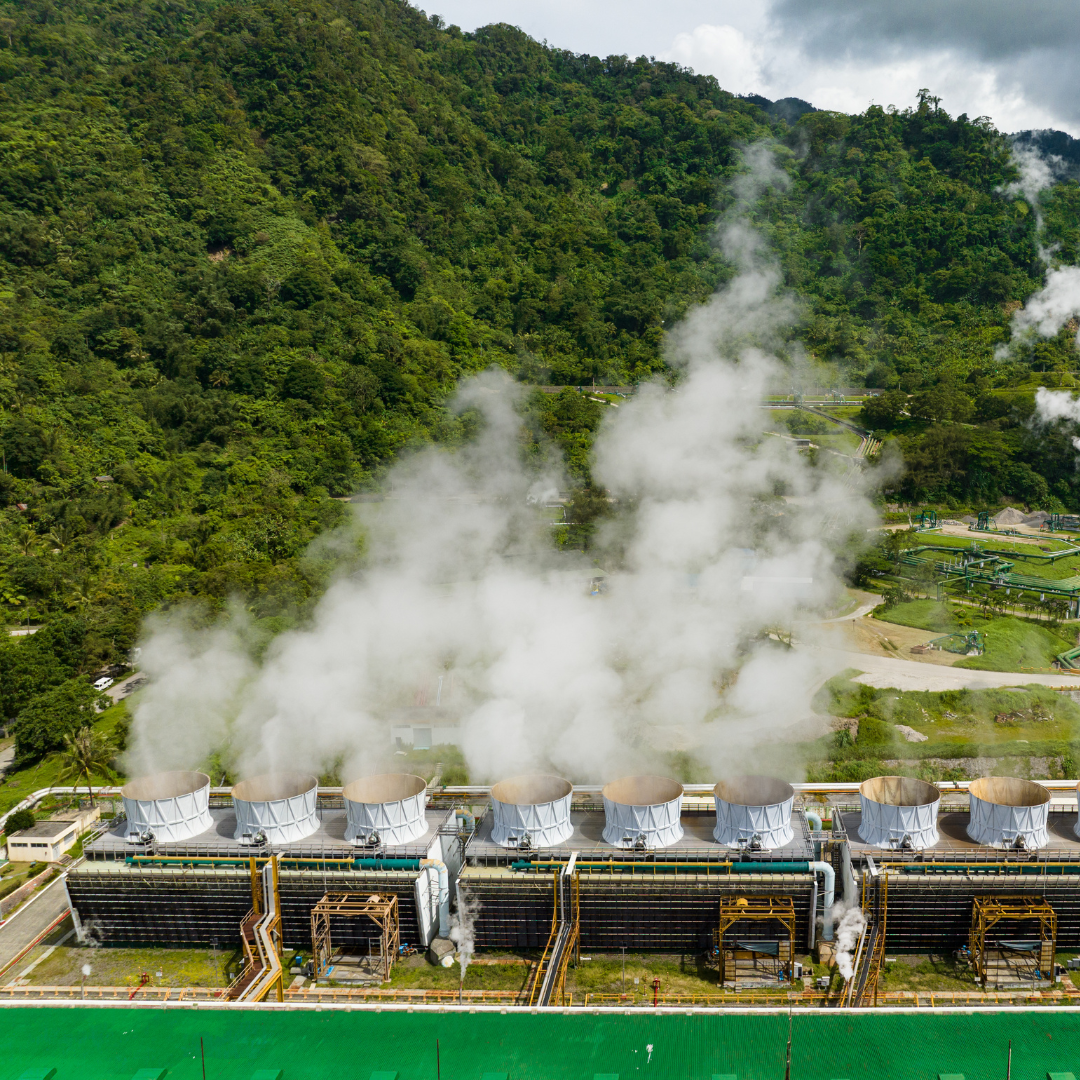
Amid the energy crisis and climate change, the search for clean and sustainable energy sources has become increasingly urgent. One promising alternative is geothermal energy. Geothermal power plant (PLTP) technology harnesses the heat stored inside the Earth to generate electricity. This geothermal energy originates from the Earth’s core and is stored in the form of steam or hot water beneath the surface. How Does a Geothermal Power Plant Work? In simple terms, the process of a geothermal power plant can be described as follows: Types of Geothermal Power Plants There are several types of geothermal power plants based on the conditions of the geothermal fluids being used: Advantages of Geothermal Power Plants Challenges and Development of Geothermal Power Plants Despite its many advantages, the development of geothermal power plants still faces some challenges, including: To overcome these challenges, various efforts are underway, including: Geothermal power plant technology is a highly promising solution for meeting future clean energy demands. With its numerous advantages, geothermal power can serve as the backbone of a sustainable energy system. Source: Ministry of Energy and Mineral Resources (ESDM) of the Republic of Indonesia: [Add link to the official ESDM website regarding geothermal power plants]

The Potential of Ocean Energy for Small Islands: A Sustainable Energy Solution

Small islands often face challenges in meeting their energy needs. Limited access to main power grids and reliance on costly fossil fuels are major obstacles. However, nature provides a highly promising solution: ocean energy. Understanding Ocean Energy Ocean energy is derived from various movements in the sea, such as: The Potential of Ocean Energy for Small Islands Challenges and Solutions While ocean energy has great potential, several challenges must be addressed, such as: Addressing these challenges requires collaborative efforts among government, private sectors, and local communities. Potential solutions include: Conclusion Ocean energy offers great potential to meet the energy needs of small islands. With the right policy support and sustainable technological advancements, ocean energy can become a clean, sustainable, and independent energy solution. Sumber : Jurnal Ilmiah Kelautan dan Perikanan: POTENSI ENERGI ARUS LAUT UNTUK PEMBANGKIT TENAGA LISTRIK DI PULAU-PULAU KECIL (Studi :Pulau Mantang di Bintan, Pulau Abang di Batam, dan Pulau Sugi di Karimun, Propinsi Kepulauan Riau)

The Potential of Geothermal Energy in Indonesia: A Promising Hidden Treasure

Indonesia: The World’s Geothermal Paradise Indonesia, located along the Pacific Ring of Fire, has an enormous geothermal energy potential. The country is blessed with abundant natural resources, one of which is geothermal energy. This potential makes Indonesia one of the countries with the largest geothermal reserves in the world, estimated to account for approximately 40% of the global total. What is Geothermal Energy? Geothermal energy is heat energy derived from the Earth’s interior. This heat is generated by the radioactive decay of elements in the Earth’s core. The steam produced from heating underground water by geothermal heat can then be harnessed to generate electricity. Geothermal Potential in Indonesia According to data from the Ministry of Energy and Mineral Resources (ESDM), Indonesia’s geothermal potential reaches 23,766 Gigawatts (GW). This potential is spread across various regions of Indonesia, including Sumatra, Java, Bali, Nusa Tenggara, Kalimantan, Sulawesi, Maluku, and Papua. Advantages of Geothermal Energy Challenges and Opportunities Despite its enormous potential, the development of geothermal energy in Indonesia still faces several challenges, including: However, the geothermal energy potential in Indonesia also presents significant opportunities, such as: Geothermal energy is one of the solutions to meet Indonesia’s growing energy needs. With its immense potential and various benefits, the development of geothermal energy should continue to be promoted. The government, private sector, and society need to collaborate to overcome the existing challenges and maximize the potential of geothermal energy in Indonesia. Source: Ministry of Energy and Mineral Resources (ESDM): [Add link to the official ESDM website containing geothermal potential data in Indonesia]

The Use of Renewable Energy in the Tourism Sector: Moving Towards More Sustainable Destinations

Tourism, as one of the fastest-growing sectors, has a significant impact on the environment. With increasing awareness of the importance of sustainability, the tourism sector is shifting towards more eco-friendly practices. A crucial step in this direction is the adoption of renewable energy. Why is Renewable Energy Important in the Tourism Sector? Examples of Renewable Energy Use in Tourist Destinations Challenges and Solutions Solutions: The use of renewable energy in the tourism sector is a crucial step toward a more sustainable future. With its many benefits, renewable energy is not only good for the environment but can also enhance the appeal of tourist destinations. Sumber : Solarkita.com: Energi Terbarukan di Sektor Pariwisata: Menuju Destinasi Ramah Lingkungan

The Clean Energy Revolution: The Role of the Sun in Building Smart Cities

Defining a Smart City A smart city is an urban area that uses digital technology and data-driven solutions to enhance the quality of life for its residents, optimize urban services, and promote sustainability. The goal of building a smart city is to create a more efficient, livable, and sustainable environment by integrating technologies such as renewable energy, transportation systems, and IoT-based infrastructure. Urban Challenges Cities around the world are facing several pressing challenges, including: Renewable Energy Solutions: Why Solar Energy is a Promising Solution Solar energy stands out as a promising solution to these urban challenges for several reasons: 1. The Potential of Solar Energy for Smart Cities Availability of Resources Sunlight is an abundant, inexhaustible source of energy. The amount of solar energy that reaches the Earth every day is more than enough to meet the world’s energy needs, and this is especially true for many cities that enjoy abundant sunlight throughout the year. Solar Panel Technology Advancements in solar panel technology have significantly improved efficiency and reduced costs. Modern solar panels can capture more sunlight and convert it into electricity with greater effectiveness, making solar energy increasingly accessible for urban infrastructure. Energy Storage Solutions Since solar energy is intermittent (only available during the day), efficient energy storage solutions are needed to ensure a constant supply of power. Technologies like lithium-ion batteries and hydrogen storage are helping to overcome these challenges, storing excess energy generated during the day for use at night or during periods of low sunlight. 2. The Application of Solar Energy in Smart Cities Solar Power Generation Solar panels can be installed on rooftops or large-scale solar farms to generate electricity for city-wide needs, reducing reliance on grid power and decreasing urban pollution. Solar power can be used for public lighting, water pumping, and electricity in homes and businesses. Solar-Powered Buildings Green buildings designed with solar energy in mind can optimize energy use by incorporating solar panels for water heating, lighting, and cooling. These buildings can significantly reduce their carbon footprint and energy costs. Solar-Powered Transportation Electric vehicles (EVs) powered by solar energy are an excellent solution for reducing urban carbon emissions. Solar energy can be used to charge EVs, and solar-powered charging stations can be installed across cities, contributing to a cleaner transportation system. Solar Infrastructure Solar energy can be applied to various urban infrastructure projects, such as solar street lights, EV charging stations, and public buildings, creating a more sustainable and energy-efficient city environment. 3. Benefits of Solar Energy for Smart Cities Reduction of Greenhouse Gas Emissions The widespread use of solar energy helps reduce greenhouse gas emissions, improving air quality and mitigating climate change. By transitioning from fossil fuels to clean energy, cities can lower their carbon footprints and support global efforts to fight climate change. Energy Efficiency Solar energy enables cities to reduce dependency on fossil fuels, lowering operational costs and creating a more efficient energy system. This efficiency can help reduce electricity costs, which is especially important for urban populations and municipal governments. Energy Independence Solar power offers energy independence for cities, allowing them to generate their own electricity locally. This reduces reliance on external energy sources and enhances a city’s energy security, especially during power outages or emergencies. Economic Growth The solar energy industry has significant economic potential, creating new jobs in solar panel manufacturing, installation, and maintenance. Additionally, the development of solar infrastructure can drive investment and innovation, stimulating local economies. Recap of Key Points Solar energy plays a critical role in the development of smart cities by: Challenges and Opportunities While solar energy holds immense potential for transforming urban energy systems, there are still challenges to overcome, such as: However, the opportunities are vast: Call to Action We must all support the growth of solar energy and contribute to building more sustainable cities. By investing in solar technology, advocating for policies that support renewable energy, and participating in local solar initiatives, we can help pave the way for a cleaner, smarter future for generations to come. Source: Scholarly Article: For further reading, refer to scientific articles that discuss the deeper implications and advancements in solar energy applications for smart cities.


Community-Based Renewable Energy Development in Rural Areas: Towards Energy-Independent Villages

In the pursuit of sustainable energy goals, community-based renewable energy development in rural areas has become a primary focus. This model not only provides clean energy access for rural communities but also promotes energy self-sufficiency and empowers local populations. This article explores the potential, challenges, and steps that can be taken to develop community-based renewable energy in rural areas. Renewable Energy Potential in Rural Areas Rural regions hold significant potential for renewable energy development, including: Benefits of Community-Based Renewable Energy Development Challenges and Obstacles Steps for Development Case Study [Include case studies of successful community-based renewable energy projects in Indonesia or other countries, such as a micro-hydro project in Village A or a solar power plant in Village B. Describe project details, benefits achieved, and challenges encountered.] Community-based renewable energy development in rural areas is a crucial step towards energy-independent villages. With support from the government, private sector, and communities, the renewable energy potential in rural areas can be optimized to improve community welfare and protect the environment. Sumber : https://www.panda.id/pemberdayaan-masyarakat-desa-melalui-energi-terbarukan/

The Development of Solar Panel Efficiency: Towards a Future of Clean Energy

Solar panels have become one of the most promising solutions to address the global energy crisis and reduce the impacts of climate change. As awareness of the importance of clean energy grows, solar panel technology continues to evolve rapidly. One of the most crucial aspects of this development is the improvement of solar panel efficiency. What is Solar Panel Efficiency? Solar panel efficiency refers to the ability of a panel to convert sunlight into electricity. The higher the efficiency, the more electricity can be generated from the same amount of sunlight. Factors Affecting Solar Panel Efficiency Several factors affect the efficiency of solar panels, including: Recent Developments in Solar Panel Efficiency In recent years, there have been significant developments in improving the efficiency of solar panels. Some of these advancements include: Challenges and the Future Although rapid progress has been made, several challenges remain in achieving even higher solar panel efficiency, including: The future of solar panels looks very promising. With continuous technological advancements and research, it is expected that solar panel efficiency will continue to rise, enabling solar energy to become a primary energy source in the future. Sumber : E-journal.uniflor.ac.id: KAJIAN PERUBAHAN IKLIM TERHADAP EFISIENSI PANEL SURYA SEBAGAI SUMBER ENERGI ALTERNATIF DI INDONESIA

Scroll to top