water

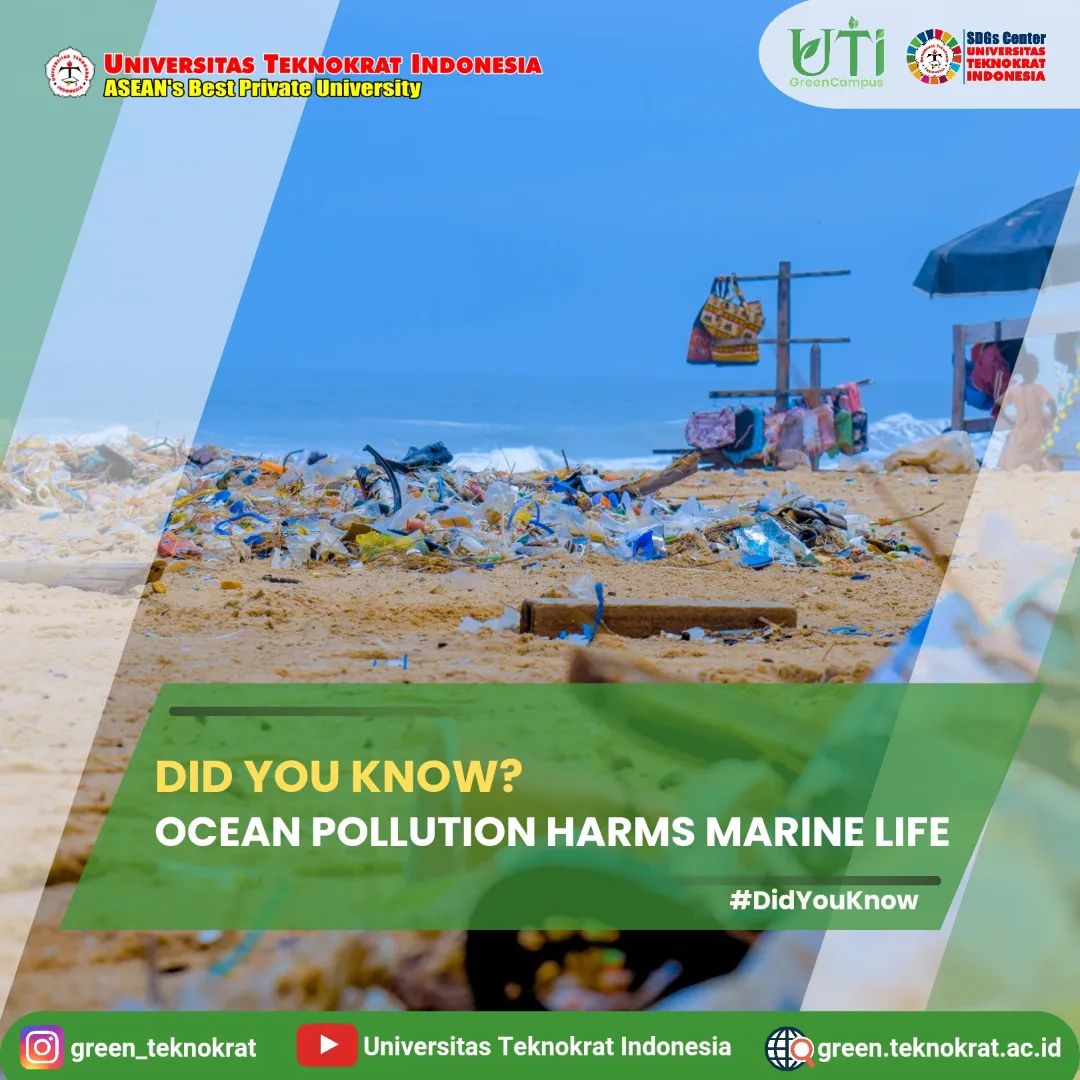
Did You Know? Ocean Pollution Harms Marine Life

Plastic waste is one of the most prevalent pollutants in our oceans, with an estimated 8 million tons of plastic entering the sea each year. Wastewater pollution also harms coral reefs, which are vital ecosystems for various marine species. To protect our oceans and marine life, we can all take steps to reduce pollution. Here are some actions you can take: By working together, we can make a real impact!

The Potential of Ocean Energy for Small Islands: A Sustainable Energy Solution

Small islands often face challenges in meeting their energy needs. Limited access to main power grids and reliance on costly fossil fuels are major obstacles. However, nature provides a highly promising solution: ocean energy. Understanding Ocean Energy Ocean energy is derived from various movements in the sea, such as: The Potential of Ocean Energy for Small Islands Challenges and Solutions While ocean energy has great potential, several challenges must be addressed, such as: Addressing these challenges requires collaborative efforts among government, private sectors, and local communities. Potential solutions include: Conclusion Ocean energy offers great potential to meet the energy needs of small islands. With the right policy support and sustainable technological advancements, ocean energy can become a clean, sustainable, and independent energy solution. Sumber : Jurnal Ilmiah Kelautan dan Perikanan: POTENSI ENERGI ARUS LAUT UNTUK PEMBANGKIT TENAGA LISTRIK DI PULAU-PULAU KECIL (Studi :Pulau Mantang di Bintan, Pulau Abang di Batam, dan Pulau Sugi di Karimun, Propinsi Kepulauan Riau)

Tidal Energy Technology: The Future of Clean Energy

In the search for clean and sustainable alternative energy sources, the world is increasingly turning its attention to the potential of ocean energy. One promising source of ocean energy is tidal energy. Tidal energy is generated from the rise and fall of sea levels caused by the gravitational forces of the moon and the sun. The kinetic energy from this movement of water can then be converted into electrical energy. How Does Tidal Energy Technology Work? In simple terms, tidal energy technology harnesses the difference in sea level height during high and low tides. There are several common methods used to capture this energy, including: Advantages of Tidal Energy Challenges and Recent Developments Despite its great potential, the development of tidal energy technology still faces several challenges, such as: However, researchers and developers continue to work on overcoming these challenges. Some recent advancements in tidal energy technology include: Tidal energy holds significant potential to become a major source of clean energy in the future. With ongoing research and development, tidal energy technology is expected to continue advancing and make a significant contribution to solving global energy challenges. Source : (https://id.wikipedia.org/wiki/Energi_pasang_surut)

Scroll to top