
Community-Based Renewable Energy Development in Rural Areas: Towards Energy-Independent Villages
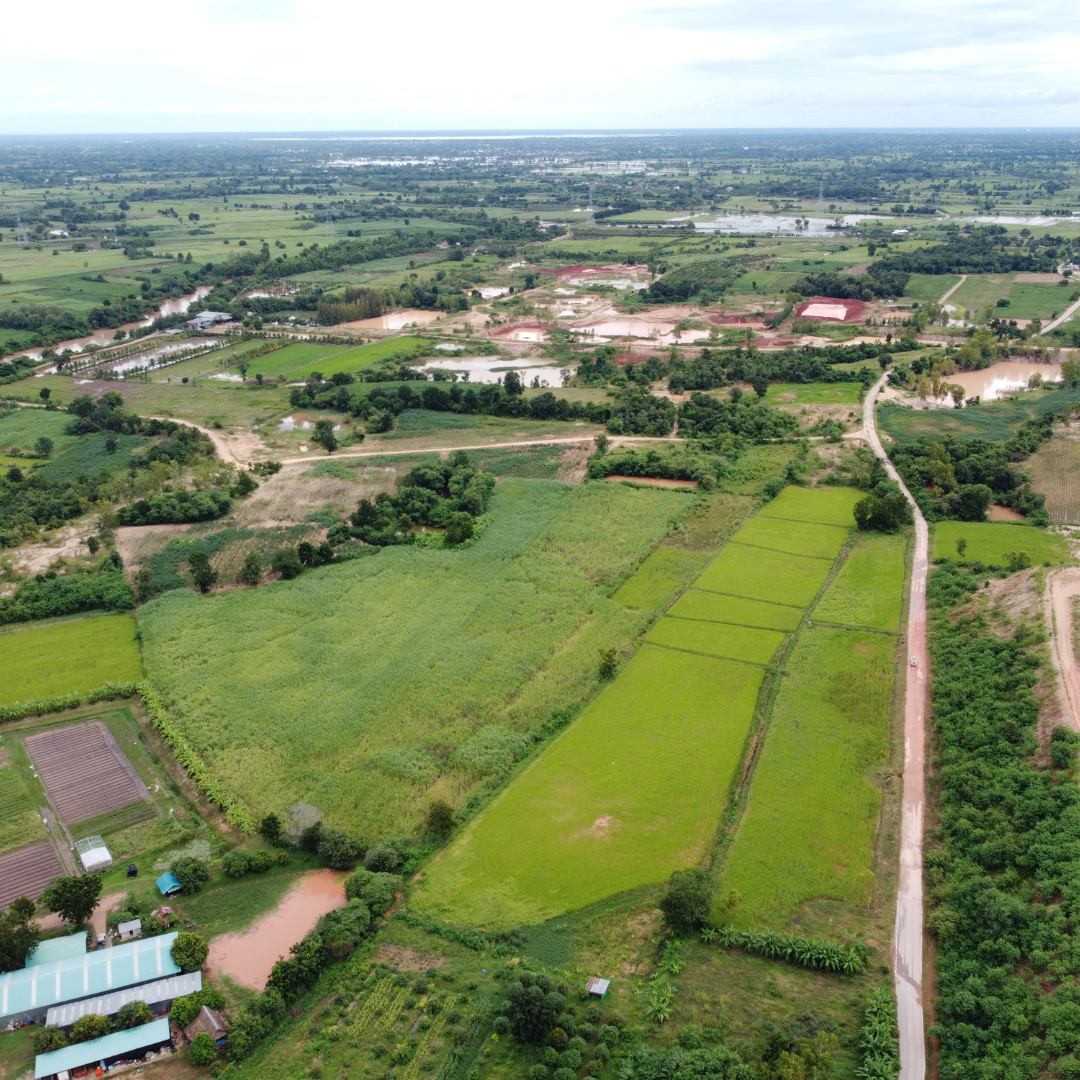
In the pursuit of sustainable energy goals, community-based renewable energy development in rural areas has become a primary focus. This model not only provides clean energy access for rural communities but also promotes energy self-sufficiency and empowers local populations. This article explores the potential, challenges, and steps that can be taken to develop community-based renewable energy in rural areas.
Renewable Energy Potential in Rural Areas
Rural regions hold significant potential for renewable energy development, including:
- Natural Resources: Many villages have abundant natural resources such as sunlight, wind, water, and biomass, which can be harnessed to produce energy.
- Energy Needs: Energy demands in rural areas, particularly for lighting and household appliances, are relatively lower than in urban areas, making renewable sources more feasible.
- Limited Access to Power Grids: Many rural areas still lack full access to electricity grids, making renewable energy a highly relevant solution.
Benefits of Community-Based Renewable Energy Development
- Energy Independence: Villages can reduce dependency on main electricity grids and gain control over their energy supply.
- Economic Improvement: Renewable energy projects can create new job opportunities and boost local income.
- Environmental Preservation: Using renewable energy reduces greenhouse gas emissions and minimizes negative environmental impacts.
- Community Empowerment: Involving community members in the planning, building, and management of renewable energy projects fosters a sense of ownership and responsibility.
Challenges and Obstacles
- Capital: The initial investment required for renewable energy infrastructure is often a significant barrier.
- Technology: Limited knowledge and access to appropriate technology can impede progress.
- Policy: Government policies supporting community-based renewable energy development still need enhancement.
- Awareness: Communities need to be well-informed about the benefits of renewable energy and how to make the best use of it.
Steps for Development
- Identify Potential: Conduct resource mapping to assess renewable energy potential in each village.
- Community Empowerment: Through training and education, equip residents with the knowledge and skills needed.
- Partnerships: Build collaborations among government, private sector, and community to overcome various challenges.
- Funding: Seek sustainable funding sources, such as creative financing schemes or partnerships with financial institutions.
- Infrastructure Development: Build supporting infrastructure, such as renewable energy distribution networks.
Case Study
[Include case studies of successful community-based renewable energy projects in Indonesia or other countries, such as a micro-hydro project in Village A or a solar power plant in Village B. Describe project details, benefits achieved, and challenges encountered.]
Community-based renewable energy development in rural areas is a crucial step towards energy-independent villages. With support from the government, private sector, and communities, the renewable energy potential in rural areas can be optimized to improve community welfare and protect the environment.
Sumber : https://www.panda.id/pemberdayaan-masyarakat-desa-melalui-energi-terbarukan/