UIGreenmetric World University Ranking

Smart Grid: Key to Renewable Energy Optimization

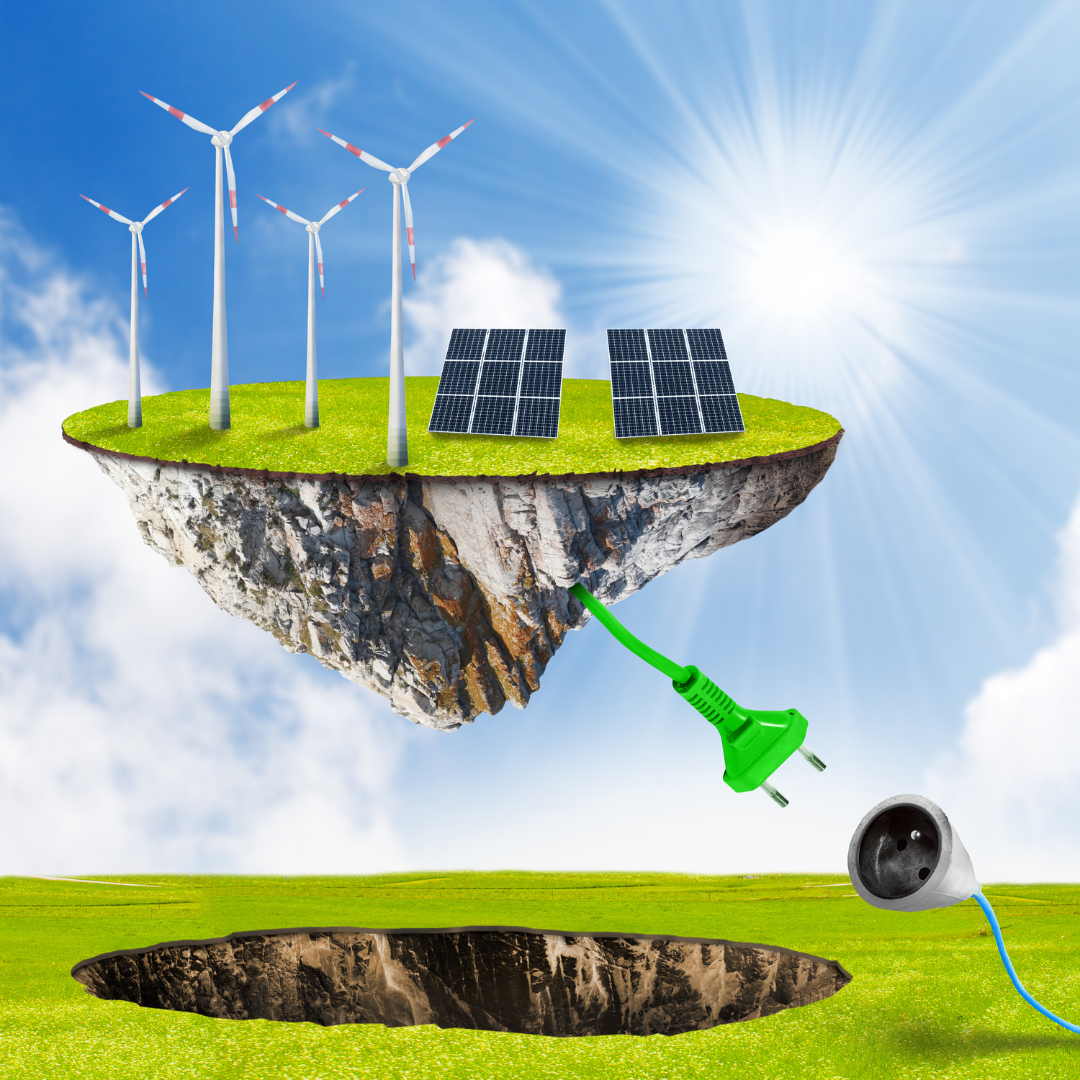
The development of renewable energy technologies, such as solar and wind power, has been a positive step toward reducing reliance on fossil fuels. However, the fluctuation in energy production from these renewable sources presents a unique challenge. This is where the role of the smart grid becomes crucial. A smart grid is a modern electricity network that utilizes information and communication technologies to improve the efficiency, reliability, and sustainability of the power system. What is a Smart Grid? A smart grid is an electricity network equipped with sensors, computers, and other communication devices that enable a two-way flow of energy. Unlike traditional passive electricity networks, a smart grid is active and can respond to changes in energy demand and supply in real time. The Role of Smart Grids in Renewable Energy Optimization Key Components of a Smart Grid Challenges and Opportunities Although smart grids offer many benefits, their development still faces several challenges, such as high investment costs, cybersecurity concerns, and standardization. However, with government support and increasing investments, smart grids have great potential to transform the energy landscape in the future. Smart grids are essential for achieving a more efficient, sustainable, and reliable energy system. With their ability to integrate renewable energy sources, manage demand, and enhance power quality, smart grids will play a crucial role in the transition to a greener future. Sumber : https://www.esdm.go.id/id/berita-unit/direktorat-jenderal-ketenagalistrikan/optimalisasi-sistem-tenaga-listrik-melalui-smart-grid

Solar Energy in the Mining Sector: A Sustainable Future

The mining sector, traditionally associated with high fossil energy consumption, is now shifting towards cleaner and more sustainable energy sources. One promising alternative is solar energy. With abundant sunlight, solar energy can serve as a solution to reduce carbon emissions and improve operational efficiency in the mining industry. Why is Solar Energy Suitable for Mining? Applications of Solar Energy in Mining Solar energy can be applied in various aspects of mining operations, including: Benefits of Solar Energy in the Mining Sector Challenges and Solutions Despite its great potential, the adoption of solar energy in the mining sector faces several challenges, such as: To address these challenges, several solutions can be implemented, including: Solar energy holds great potential to revolutionize the mining sector. With its numerous benefits, the use of solar energy is not only environmentally beneficial but also has the potential to increase efficiency and profitability for mining companies. Sumber : https://www.viva.co.id/bisnis/1512617-intip-inovasi-energi-surya-di-sektor-pertambangan

A Ray of Hope from Green Energy: Lighting the Path to Peace in Conflict Zones

Overview of Armed Conflict and Its Impact on Energy Access Energy plays a crucial role in daily life and development, but access to energy is often severely disrupted in conflict zones. Armed conflicts not only destroy infrastructure but also restrict access to vital resources like fossil fuels, making energy access unreliable and expensive. This lack of stable energy supply creates additional challenges for communities, further exacerbating the effects of the conflict. The Importance of Energy in Daily Life and Development Access to energy is essential for various aspects of human life, including health, education, and economic growth. Without reliable energy, communities cannot develop sustainably, and individuals may suffer from poor living conditions and limited opportunities. In conflict zones, the need for a stable energy supply is even more pressing as it can directly influence the prospects for rebuilding and long-term peace. Introduction to Green Energy and Its Potential to Address Challenges in Conflict Areas Green energy, sourced from renewable and sustainable technologies, has the potential to provide solutions to the energy crisis in conflict-affected regions. These technologies can help rebuild energy infrastructure, reduce dependency on fossil fuels, and empower local communities to take control of their energy resources. Energy Access Challenges in Conflict Areas The Potential of Green Energy as a Solution Advantages of Green Energy: Relevant Types of Green Energy: Case Studies Successful Examples:Green energy projects in conflict-affected countries have shown significant promise in providing sustainable energy solutions. These projects have had a positive impact on local communities and helped to stabilize regions by providing energy access to essential services. Positive Impact:In some cases, green energy has helped to reduce the environmental impact of traditional energy sources, contributed to economic recovery, and supported peacebuilding efforts. Challenges Faced:While green energy offers many benefits, projects in conflict zones face challenges such as security risks, lack of funding, and technological limitations. These barriers need to be addressed to fully unlock the potential of green energy. The Need for Multi-Stakeholder Support:Successful green energy projects in conflict zones often require cooperation between governments, non-governmental organizations (NGOs), the private sector, and local communities. Benefits of Green Energy for Conflict Areas Challenges and Recommendations Challenges: Recommendations: Source: Reports from international organizations: UNDP, World Bank, IRENA.


Renewable Energy in the Context of a Circular Economy: Moving Toward a Sustainable Future

In an era increasingly aware of the importance of sustainability, the concept of a circular economy is gaining traction. A circular economy emphasizes waste reduction, resource-use efficiency, and extending product life cycles. Renewable energy, as a replenishable energy source, plays a crucial role in supporting the principles of a circular economy. The Relationship Between Renewable Energy and a Circular Economy Renewable energy and a circular economy complement and strengthen each other in several key ways: Implementing Renewable Energy in a Circular Economy There are several ways to integrate renewable energy into a circular economic system: Challenges and Opportunities While renewable energy has significant potential to support a circular economy, certain challenges must be addressed, such as: Despite these challenges, substantial opportunities exist. Increasing market demand for sustainable products and services opens new business avenues in the renewable energy sector. Renewable energy and a circular economy are two mutually reinforcing concepts with great potential to create a more sustainable future. By integrating renewable energy into a circular economy system, we can reduce environmental impact, enhance resource-use efficiency, and create new job opportunities. Sumber : https://mediaindonesia.com/humaniora/626945/ekonomi-sirkular-lahirkan-energi-terbarukan-dan-cegah-kerusakan-bumi

Hydrogen from Seawater: The Future of Clean and Renewable Energy

The global energy crisis and climate change are pushing us to seek clean and sustainable alternative energy sources. One promising candidate is hydrogen, often referred to as the “fuel of the future.” Hydrogen can be produced from various sources, one of which is seawater. Converting seawater into hydrogen offers great potential to meet the world’s growing energy demands. Why Hydrogen from Seawater? Abundant Source:Seawater covers most of the Earth’s surface, providing an almost limitless source of hydrogen. Zero Emissions:When burned, hydrogen only produces water vapor, making it a clean fuel with no harmful greenhouse gas emissions. High Energy Density:Hydrogen has a high energy density, making it efficient for storage and transportation. Versatile:Hydrogen can be used in various applications, ranging from power generation to transportation. The Process of Converting Seawater into Hydrogen The main process for converting seawater into hydrogen is electrolysis. In this process, an electric current is passed through seawater, splitting water molecules (H₂O) into hydrogen (H₂) and oxygen (O₂). The chemical reaction that takes place is:2H2O→2H2+O22H₂O → 2H₂ + O₂2H2​O→2H2​+O2​ Challenges and Solutions Despite its potential, converting seawater into hydrogen faces several challenges: Corrosion:The salt in seawater can cause corrosion on electrodes, reducing the efficiency of the process. Energy Consumption:Electrolysis requires significant electrical energy, which can limit its cost-effectiveness. Purification:Seawater contains various salts and minerals that need to be removed before the electrolysis process. Researchers and scientists are continuously working to overcome these challenges. Some of the solutions being developed include: Potential and Applications Hydrogen produced from seawater has immense potential for various applications, including: Converting seawater into hydrogen is a promising solution to address energy and environmental challenges. Although there are still several hurdles to overcome, the potential offered by this technology is vast. With continued research and development, hydrogen from seawater could become a major energy source in the future. Sumber : https://ojs.serambimekkah.ac.id/jse/article/download/5575/4117

The Impact of AI on Renewable Energy Efficiency: Towards a Smarter Energy Future

Artificial Intelligence (AI) has permeated various sectors, including energy. In the context of renewable energy, AI plays a crucial role in enhancing efficiency and optimizing energy production. With its ability to process large-scale data and identify complex patterns, AI can help maximize the potential of renewable energy and accelerate the transition to clean energy. How AI Improves Renewable Energy Efficiency Energy Production Prediction: Predictive Maintenance: Smart Grid Management: Development of New Technologies: Examples of AI Applications in Renewable Energy Challenges and the Future Despite offering many benefits, the application of AI in renewable energy still faces some challenges, such as: However, with rapid technological advancements, these challenges are expected to be overcome. In the future, AI will become increasingly integrated into energy systems, opening up opportunities for greater innovation and driving the transition to cleaner and more sustainable energy. Sumber : https://widya.ai/meningkatkan-efisiensi-penggunaan-energi-dengan-ai/

Environmental Impacts of Geothermal Energy: Between Benefits and Challenges

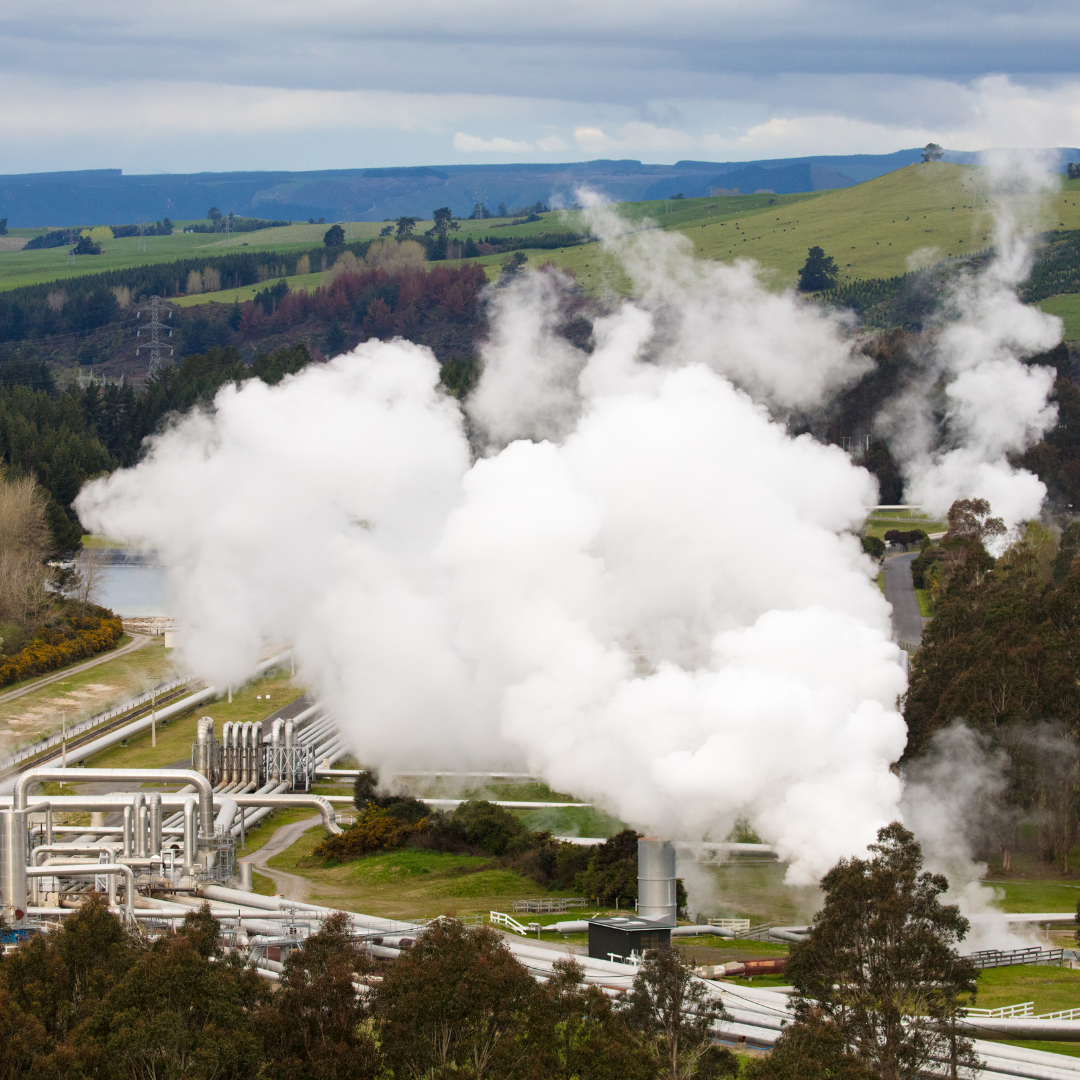
Geothermal energy, as a renewable energy source, is often hailed as an environmentally friendly solution. However, like other technologies, the use of geothermal energy also has environmental impacts. Let’s take a closer look at these impacts. Positive Impacts of Geothermal Energy Low Greenhouse Gas Emissions:Compared to fossil fuel-based power plants, geothermal power plants produce significantly lower greenhouse gas emissions. This contributes to efforts to mitigate climate change. Conservation of Natural Resources:By utilizing geothermal energy, we reduce our dependence on fossil fuels, which are depleting over time. Minimal Land Use:Compared to solar or wind power plants, geothermal power plants require relatively less land. Negative Impacts of Geothermal Energy Greenhouse Gas Emissions (Not Zero):Although geothermal power plants have low emissions, they still produce some greenhouse gases, particularly during the construction and maintenance phases. Water Pollution:The drilling and steam production processes can lead to groundwater and surface water pollution if not properly managed. Dissolved substances such as boron, arsenic, and heavy metals can contaminate water sources. Induced Earthquakes:Drilling activities and steam production can trigger small earthquakes. Although this is rare, it remains a potential risk that needs to be considered. Ecosystem Disruption:The construction of geothermal infrastructure may disrupt the natural habitats of flora and fauna around the project site. Mitigating Negative Impacts To minimize the negative impacts of geothermal energy, several mitigation measures can be taken, including: Geothermal energy has great potential to become a clean and sustainable energy source. However, we must recognize that its utilization is not entirely free from environmental impacts. With proper management and the application of the right technologies, the negative effects of geothermal energy can be minimized. Source: Directorate General of New, Renewable Energy, and Energy Conservation (EBTKE): The official government website providing comprehensive information about geothermal energy in Indonesia.

Cybersecurity in Renewable Energy Systems: Threats and Challenges

The transition to renewable energy is a crucial step in addressing climate change and achieving energy security. However, as reliance on digital technology grows in managing renewable energy systems, the risks of cybersecurity threats also increase. Cyberattacks on energy infrastructure can disrupt power supply, cause financial losses, and even pose a threat to national security. Why Are Renewable Energy Systems Vulnerable to Cyberattacks? Reliance on Digital Technology: Renewable energy systems heavily depend on information and communication technology (ICT), from sensors and controllers to communication networks. This makes them vulnerable to cyberattacks. Large Attack Surface: Renewable energy systems have a broad attack surface, including power grids, IoT devices, and industrial control systems (SCADA). Lack of Cybersecurity Awareness: A lack of awareness about the importance of cybersecurity among stakeholders in the renewable energy industry can create vulnerabilities for attackers. Cybersecurity Threats in Renewable Energy Systems Network Breach: Attackers can infiltrate the networks of renewable energy systems to steal sensitive data, spy on operations, or launch further attacks. Data Manipulation: Data collected by sensors and IoT devices can be manipulated to provide false information to system operators, leading to incorrect decisions. System Sabotage: Cyberattacks can cause disruptions in system operations, such as power outages, equipment damage, or even total system failure. Ransomware: Ransomware attacks can lock access to critical systems or data, forcing organizations to pay a ransom to restore access. Cybersecurity Risk Mitigation Enhanced Network Security: Implementing robust network security measures, such as firewalls, intrusion detection systems, and data encryption. IoT Device Protection: Ensuring that IoT devices connected to renewable energy systems are properly secured, including regular software updates and strong password usage. Cybersecurity Training: Providing cybersecurity training for all personnel involved in managing renewable energy systems. Collaboration with Stakeholders: Building partnerships with government bodies, law enforcement, and related industries to share information and develop responses to cyber threats. Cybersecurity is a challenge that must be addressed in the development and utilization of renewable energy. By increasing awareness and implementing proper security measures, we can protect renewable energy systems from cyber threats and ensure the sustainability of clean energy supply. Sumber : https://www.cnbcindonesia.com/news/20220115171644-4-307637/transisi-energi-terbarukan-rentan-serangan-cyber-bahaya

Innovation in Solar Panel Design: Bringing New Aesthetics to Buildings

Solar panels, once considered unattractive additions to buildings, have evolved into aesthetically pleasing and functional design components. With the growing awareness of the importance of clean and sustainable energy, innovations in solar panel design continue to progress rapidly. Why is Solar Panel Design Important? Integrating solar panels into architecture not only provides environmental benefits but also opens opportunities to create more modern and visually appealing building designs. Here are some reasons why solar panel design has become crucial: Latest Innovations in Solar Panel Design Several recent innovations in solar panel design are worth noting, including: Examples of Solar Panel Integration in Architectural Design Many architects and designers have successfully integrated solar panels into their projects. Some interesting examples include: Challenges and Opportunities in the Future While significant progress has been made, there are still challenges to address in the development of solar panel designs, such as the relatively high production costs and design limitations for certain types of buildings. However, as technology continues to evolve and market demand increases, the opportunities for innovation in solar panel design will continue to expand. Sumber : https://zonaebt.com/panel-surya/panel-surya-dan-desain-arsitektur-estetika-dan-fungsionalitas/

Benefits of Geothermal Energy for Local Communities

Geothermal energy, or heat from the Earth, is an increasingly attractive renewable energy source. Not only is it environmentally friendly, but it also offers a range of benefits for local communities. What is Geothermal Energy? Geothermal energy is derived from the heat of the Earth’s interior. This heat originates from the Earth’s core and can be used to generate electricity or directly for various purposes. Benefits of Geothermal Energy for Local Communities Clean and Renewable Energy Source: Boosting the Local Economy: Utilization for Various Sectors: Energy Independence: Challenges and Solutions Despite its many benefits, geothermal energy development also faces several challenges, such as: To address these challenges, support from the government, private sector, and local communities is essential. Collaboration between different stakeholders is crucial to accelerate geothermal energy development in Indonesia. Geothermal energy has enormous potential to improve the well-being of communities and the environment. By harnessing this abundant natural resource, we can build a more sustainable future. Source: Directorate General of New, Renewable Energy, and Energy Conservation (EBTKE): The official government site providing comprehensive information on geothermal energy in Indonesia.

Scroll to top