

Energy and Climate Change

Advancements in Graphene Battery Technology: Toward a Better Energy Future

Battery technology has been advancing rapidly in recent years, driven by the growing demand for portable electronic devices and electric vehicles. One promising material for enhancing battery performance is graphene. Graphene, a two-dimensional material made of a single layer of carbon atoms, has unique properties that make it ideal for use in batteries. What is Graphene?Graphene is an extremely strong, lightweight material with exceptional electrical conductivity. These properties make it highly attractive for a variety of applications, including batteries. Its unique hexagonal lattice structure provides graphene with a very large surface area, allowing for better interaction with the electrolytes in batteries. Advantages of Graphene in BatteriesUsing graphene in batteries offers several significant benefits, including: Graphene Applications in BatteriesGraphene can be used in various components of a battery, including: Challenges and the FutureWhile the potential of graphene in battery technology is enormous, there are still several challenges to overcome, such as: However, as research and development continue to progress, it is hoped that the cost of graphene production can be reduced and its integration into batteries can be optimized. Graphene holds tremendous potential to revolutionize battery technology. With its unique properties, graphene can enhance battery performance in various aspects, such as longevity, charging speed, and energy capacity. Although there are still some challenges to address, the development of graphene-based battery technology is ongoing and is expected to lead us toward a brighter energy future. Sumber : (https://ravelware.wordpress.com/2024/07/18/graphene-untuk-pengembangan-teknologi-baterai-yang-lebih-efisien/)

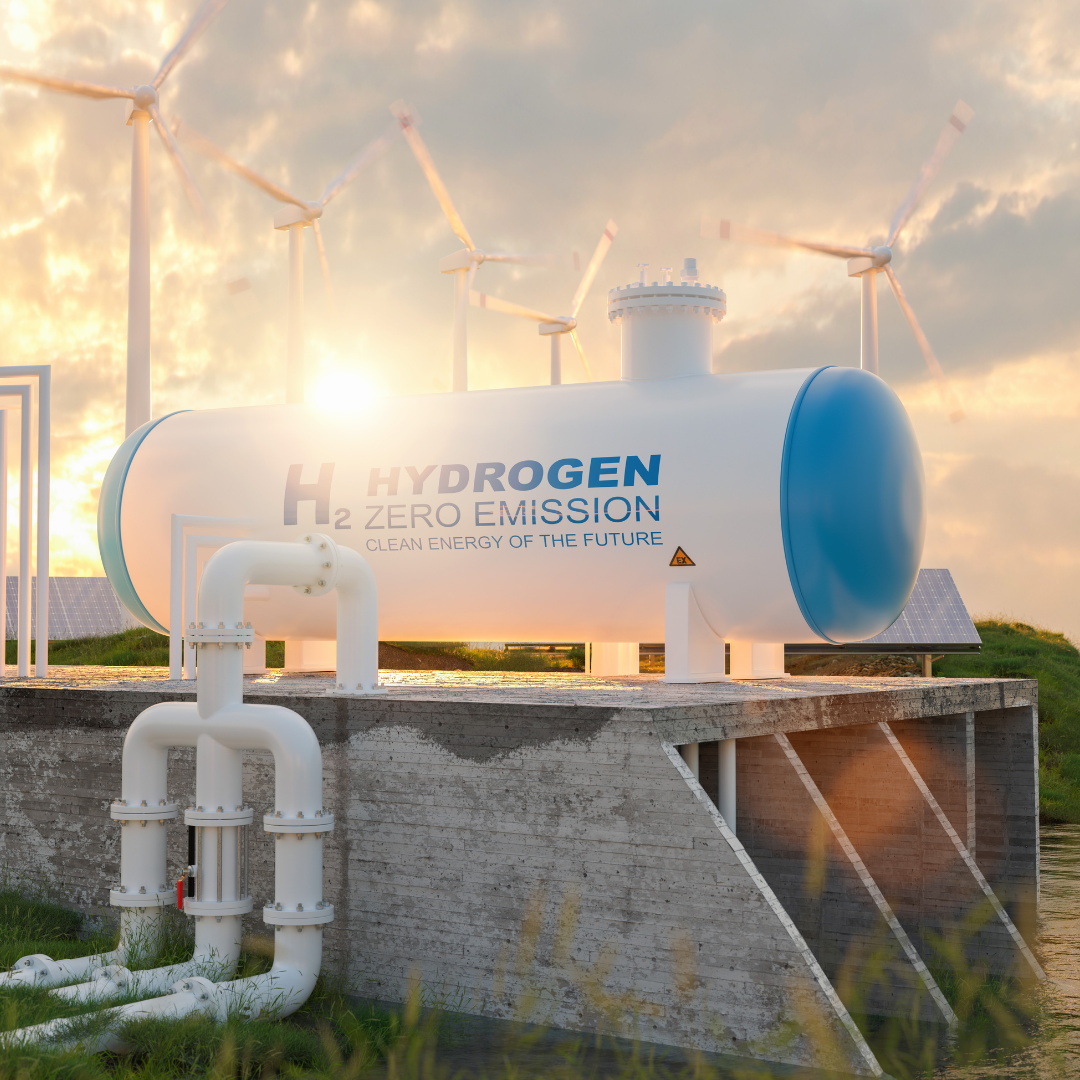
Challenges of Using Hydrogen Fuel for Vehicles

Hydrogen is often touted as the fuel of the future due to its clean and efficient potential. However, the use of hydrogen as a fuel for vehicles still faces several significant challenges. Despite the potential of hydrogen as a clean energy source, these challenges must be addressed before it can become a viable alternative to traditional and electric vehicles on a large scale. Sumber : https://transisienergiberkeadilan.id/news/main/detail/kelebihan-dan-kekurangan-kendaraan-hidrogen

Wind and Solar-Powered Ships: Sustainable Sailing for the Future The maritime industry is currently undergoing a transformation towards a more sustainable era. One promising innovation is the development of ships powered by renewable energy sources, such as wind and solar. These vessels are not only environmentally friendly but also offer increasing efficiency and reliability. How Do Wind and Solar-Powered Ships Work? Wind and solar-powered ships adopt technologies that allow them to convert energy from natural sources into propulsion power. Generally, their systems work as follows: Advantages of Wind and Solar-Powered Ships Challenges and Technological Development Despite their many advantages, the development of wind and solar-powered ships still faces some challenges, such as: However, researchers and engineers continue to work on overcoming these challenges. Some promising technological advancements include: Examples of Wind and Solar-Powered Ships Several examples of wind and solar-powered ships have already been developed, including: Wind and solar-powered ships represent a significant step forward in achieving sustainable maritime transportation. With continuous technological advancements, these vessels have great potential to shape the future of sailing. Sumber :  https://www.energy-observer.org/

Battery Technology for Public Transportation: Towards a Greener Future

The development of battery technology in recent decades has paved the way for a revolution in the transportation sector. One of the sectors most impacted by this is public transportation. The use of batteries as an energy source in buses, trains, and other electric vehicles offers several significant advantages, from reducing greenhouse gas emissions to lowering operational costs. Why Batteries for Public Transportation? Battery Technologies in Use Several types of batteries are commonly used in public transportation, including: Challenges and Solutions Despite the numerous benefits, the use of batteries in public transportation still faces some challenges, such as: To address these challenges, various solutions have been developed, including: Examples of Implementation Worldwide Many cities around the world have successfully implemented battery-powered public transportation systems. Some examples include: Battery technology has created significant opportunities to transform public transportation into a more sustainable and environmentally friendly system. Although challenges remain, the future of public transportation looks bright, with an increasing number of cities transitioning to battery-powered electric vehicles. Sumber : https://www.sciencedirect.com/science/article/pii/S2352484722005716

Biofuel Trend in the Aviation Industry: Towards Greener Skies

The aviation industry, as one of the major sectors contributing to greenhouse gas emissions, continues to search for ways to reduce its environmental impact. One increasingly attractive solution is the use of biofuels. Biofuels, alternative fuels derived from biological sources, offer significant potential to reduce dependence on fossil fuels and lower emissions. What is Biofuel? Biofuel is fuel produced through the conversion of biomass into energy. Biomass itself consists of organic materials derived from plants or animals, such as vegetable oils, agricultural waste, and other organic materials. Biofuels can be used to replace some or all fossil fuels across various sectors, including transportation. Why Biofuel for Aviation? Types of Biofuels for Aviation Challenges and Opportunities While biofuels have great potential, their use in aviation still faces several challenges, such as: However, there are also several promising opportunities: Recent Trends Biofuels offer hope for the aviation industry to meet its emission reduction targets. With the right policy support, sustained investment, and technological innovation, biofuel use in aviation will continue to expand and contribute to a more sustainable future for air travel. Sumber : https://www.aprobi.or.id/id/biofuel-bagi-penerbangan-sangat-beragam/

Solar-Powered Trains in Developing Countries: An Eco-Friendly Transportation Solution

In an era where environmental concerns are growing, the shift to renewable energy sources has become increasingly urgent. One sector with significant potential for adopting renewable energy is transportation. Trains, as an efficient mode of mass transit, can be pioneers in the use of clean energy. One interesting innovation is solar-powered trains, which offer an environmentally friendly transportation solution, especially for developing countries. The Potential of Solar-Powered Trains in Developing Countries Developing countries often experience high levels of sunlight throughout the year. This abundant solar energy makes it an attractive source of power. Solar-powered trains offer several advantages for developing countries, including: Challenges and Solutions Despite their great potential, the development of solar-powered trains in developing countries faces several challenges, such as: To address these challenges, several solutions can be implemented: Global Examples of Implementation Several countries have already launched solar-powered train projects. For example, India has rolled out pilot projects for solar-powered trains in several regions. Other countries such as China and Japan are also actively involved in research and development of solar-powered train technology. Solar-powered trains present an exciting solution to transportation challenges in developing countries. With abundant solar energy potential and the right policy support, solar-powered trains could become the backbone of sustainable transportation systems in the future. Sumber : Analisis Biaya-Manfaat: Lakukan analisis biaya-manfaat dari pengembangan kereta api bertenaga surya untuk menunjukkan keuntungan jangka panjangnya.

The Use of Renewable Energy in Ports: Towards Green Ports

Ports, as the heart of maritime activities, play a crucial role in the economy of a country. However, conventional port operations often result in significant carbon emissions due to the use of fossil fuels. To address this issue, more and more ports around the world are transitioning to the use of renewable energy. Why Use Renewable Energy in Ports? Types of Renewable Energy Used in Ports Several types of renewable energy are commonly used in ports, including: Renewable Energy Applications in Ports Examples of Implementation in Indonesia Challenges and Opportunities The use of renewable energy in ports is an important step towards more sustainable port operations. With its many benefits, the adoption of renewable energy in ports will make a positive contribution to both the environment and the economy. Sumber : https://maritimnews.com/2022/11/konsep-ecoport-pelabuhan-tanjung-priok-butuh-energi-terbarukan/

The Role of Universities in Renewable Energy Research and Development

In an era that is increasingly aware of the importance of environmental sustainability, renewable energy has become a key focus. The transition from fossil fuels to renewable energy requires continuous innovation and research. This is where the role of universities becomes critical. As centers of learning and research, universities play an essential role in driving the research and development of renewable energy. Key Roles of Universities Education and Human Resource Development: Breakthrough Research: Startup Incubation: Policy Advocacy: Challenges and Opportunities While universities play a crucial role, they also face several challenges in the development of renewable energy, including: However, these challenges also present opportunities for universities to: Universities play a strategically important role in advancing renewable energy research and development. Through education, research, business incubation, and policy advocacy, universities can make significant contributions to the transition to a more sustainable future. Sumber : https://www.kompas.id/baca/humaniora/2023/07/14/perguruan-tinggi-dukung-transformasi-energi-terbarukan

The Role of Universities in Renewable Energy Research and Development

In an era increasingly aware of the importance of environmental sustainability, renewable energy has become a major focus. The transition from fossil fuels to renewable energy requires continuous innovation and research. This is where the role of universities becomes crucial. As centers of learning and research, universities play a vital role in driving renewable energy research and development. Key Roles of Universities Education and Human Resource Development: Breakthrough Research: Startup Incubation: Policy Advocacy: Challenges and Opportunities Despite their important role, universities also face several challenges in renewable energy development, including: However, these challenges also present opportunities for universities to: Universities play a strategic role in advancing renewable energy research and development. Through education, research, business incubation, and policy advocacy, universities can make significant contributions to the transition to a more sustainable future. Sumber : https://www.kompas.id/baca/humaniora/2023/07/14/perguruan-tinggi-dukung-transformasi-energi-terbarukan

Combination of Solar and Biomass Energy: The Perfect Synergy for Hybrid Power Generation

In the journey toward a more sustainable future, the use of renewable energy has become increasingly important. One particularly promising combination is integrating solar and biomass energy in a hybrid power generation system. Each has its advantages and limitations, but when combined effectively, they can produce more efficient, stable, and eco-friendly energy. Why Combine Solar and Biomass Energy? How Does a Solar-Biomass Hybrid System Work? Generally, a solar-biomass hybrid system operates as follows: Challenges and Opportunities While there is great potential, developing a solar-biomass hybrid system faces some challenges: However, with advances in technology and growing awareness of the importance of clean energy, the opportunities for hybrid system development continue to expand. Examples of Real-World Applications Several countries have successfully implemented solar-biomass hybrid systems on both small and large scales. For instance, some villages in India use these systems to meet the electricity needs of their communities. Combining solar and biomass energy in hybrid power plants is a significant step forward in renewable energy utilization. By overcoming current challenges and continually innovating, this technology holds great promise as a solution to meet the world’s growing energy demands. Sumber : Analisis Lebih Mendalam: Anda dapat melakukan analisis lebih mendalam mengenai potensi pengembangan sistem hibrida matahari-biomassa di Indonesia atau di negara lain.

Scroll to top