Energy and Climate Change

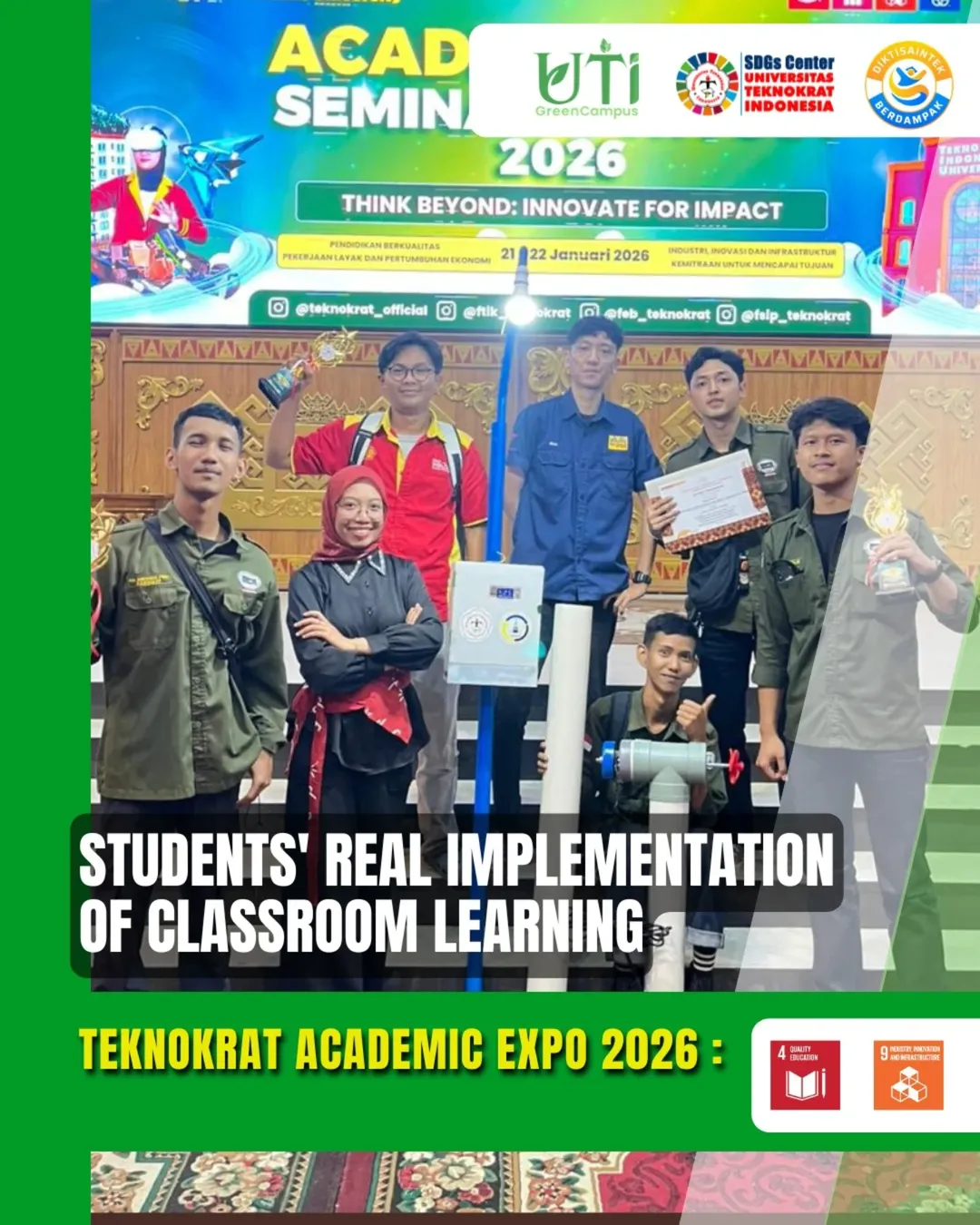
Civil Engineering Students of Universitas Teknokrat Indonesia Showcase Dam Scale Model at Academic Expo 2026

Bandar Lampung – Civil Engineering students from Universitas Teknokrat Indonesia (UTI) once again demonstrated their academic excellence and engineering capabilities at the Academic Expo 2026 by presenting a detailed dam scale model. The project represents the successful integration of theoretical knowledge and practical application gained through the Advanced Water Structures course. Baca Juga: River Clean Up Activities by students of Universitas Teknokrat Indonesia The scale model, designed as a concrete gravity dam, features essential structural components, including a spillway and diversion channels. This project reflects the students’ ability to translate classroom concepts into tangible engineering solutions, highlighting both technical competence and creativity in civil engineering design. The model serves not only as an exhibition piece but also as a practical learning outcome. Through this hands-on project, students gained deeper insights into hydrology, structural stability, and water flow management. They learned how dam systems function in real-world conditions, including their critical roles in flood control, irrigation systems, and hydroelectric power generation. “This project allowed us to directly apply the theories we studied in class into a realistic engineering model. We were able to better understand structural stability, water flow mechanisms, and the importance of each dam component,” said one of the participating Civil Engineering students during the exhibition. Academic Expo is an annual event organized by Universitas Teknokrat Indonesia to showcase student innovation, academic achievements, and creative works. The event provides a platform for students to present their projects to the academic community and the public, while also enhancing their communication, presentation, and problem-solving skills. In addition to its academic value, the dam scale model also serves as an educational tool for visitors. It helps increase public awareness about the importance of water infrastructure in supporting sustainable development and improving quality of life. Infrastructure such as dams plays a vital role in water resource management, agricultural productivity, and renewable energy production. A lecturer of the Advanced Water Structures course emphasized that the project is designed to encourage students to think critically, creatively, and practically. According to the lecturer, the ability to design and visualize infrastructure systems is an essential competency for future civil engineers. “Students are expected not only to understand engineering theory but also to apply it through design and visualization. This project reflects our commitment to preparing graduates who are ready to contribute professionally to infrastructure development,” the lecturer stated. The participation of Civil Engineering students in Academic Expo 2026 demonstrates Universitas Teknokrat Indonesia’s strong commitment to producing competent, innovative, and competitive graduates. The university continues to uphold its “Sang Juara” (Champion) spirit by encouraging students to create meaningful innovations that address real-world construction and infrastructure challenges. Through initiatives like this, Universitas Teknokrat Indonesia aims to empower students to become future engineers who are capable of contributing to sustainable national infrastructure development and advancing the engineering profession. Baca Juga: Maintaining the campus as a comfortable and beautiful learning environtment Support for SDGS:

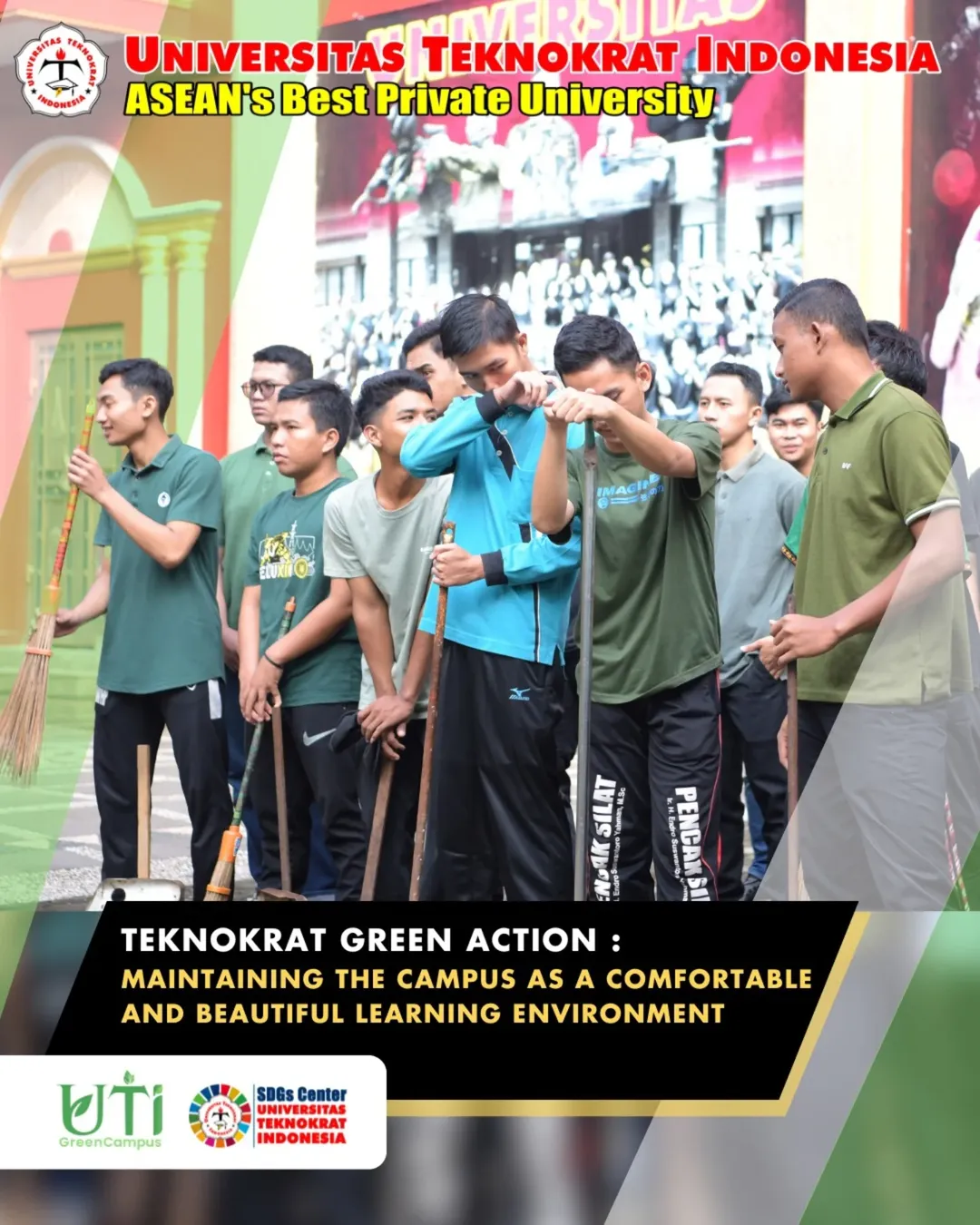
Maintaining the campus as a comfortable and beautiful learning environtment

Students of Universitas Teknokrat Indonesia organized a campus clean-up movement as a form of care for cleanliness and shared health. This activity is a real contribution from students to maintain a fresh and comfortable environment for the entire academic community. Through this movement, participants are encouraged to take responsibility for cleanliness and raise awareness that a clean environment is a shared responsibility, not just the janitors’ duty. A healthy environment supports a more effective and enjoyable teaching and learning process. Universitas Teknokrat Indonesia also fully supports this effort by providing the necessary equipment and facilities. With this spirit of togetherness, we hope our campus remains clean and becomes a model of a healthy environment for the wider community. Looking ahead, the campus clean-up initiative is expected to become a regular agenda, fostering a long-term culture of environmental stewardship among students. By involving student organizations, faculty members, and administrative staff, Universitas Teknokrat Indonesia aims to build a united movement that inspires other educational institutions to adopt similar practices. This consistent commitment to environmental care not only enhances the university’s image as a Green Campus but also instills lifelong values of discipline, responsibility, and social awareness in its students.

River Clean Up Activities by students of Universitas Teknokrat Indonesia

Students of Universitas Teknokrat Indonesia (UTI) have demonstrated their commitment to environmental sustainability through a river cleanup event held last weekend. With great enthusiasm, they took action by cleaning up the nearby river, collecting trash, and tidying up the surrounding area. This initiative is not just a social activity, but a real effort to protect the river ecosystem, which is increasingly threatened by pollution. The event was attended by hundreds of students from various programs, all working together to ensure the river remains clean and healthy. Additionally, the cleanup served as an educational opportunity for the local community, raising awareness about the importance of maintaining a clean environment and preventing pollution that can harm the ecosystem. By taking direct action, UTI students aim to foster collective awareness about the significance of environmental sustainability. Through this event, Universitas Teknokrat Indonesia demonstrates that young generations play a crucial role in preserving and protecting the environment. The river cleanup, though a small step, is a meaningful effort to safeguard the ecosystems that support life. It is hoped that this spirit will continue to inspire others to actively participate in protecting the cleanliness and sustainability of our rivers. The university’s strong support for such student-led initiatives reflects its broader commitment to fostering environmental responsibility as part of its Green Campus vision. In collaboration with local authorities and environmental organizations, UTI plans to expand these efforts through ongoing river monitoring programs, environmental education campaigns, and sustainable waste management initiatives. By embedding these values into campus culture, Universitas Teknokrat Indonesia not only empowers students to lead change but also sets a powerful example of how academic institutions can contribute to solving environmental challenges at both local and global levels.

UTI Academicians Established Solar Powered Lamps At The Stated Owned Mosque AL-Hijrah, Kota Baru

Solar-powered lamps have now been installed at Al-Hijrah Mosque Park, Kota Baru, Lampung! This innovative project was created by students from Universitas Teknokrat Indonesia, combining eco-friendly technology with the community’s need for safe, sustainable public lighting. By harnessing sunlight as the main energy source, these lamps are not only cost-efficient but also support the movement toward clean and renewable energy. They provide reliable illumination at night without relying on conventional electricity. This is real proof that young minds can offer smart solutions for the future. May this small step spark bigger inspiration for others to innovate and care for the environment! The installation of these solar-powered lamps not only improves safety and comfort for local residents and visitors at night, but also serves as a tangible step in promoting environmental awareness within the community. Many local residents have expressed appreciation for the project, noting the positive impact it has had on the mosque area’s atmosphere and accessibility after sunset. Supported by faculty mentors and campus resources, the student team collaborated closely with community leaders and local officials to ensure the success of the initiative. The project is also in line with Universitas Teknokrat Indonesia’s commitment to community service and sustainable innovation. Moving forward, the university plans to replicate similar projects in other public spaces, parks, and rural areas that lack proper lighting infrastructure. By empowering students to lead these initiatives, Universitas Teknokrat Indonesia continues to bridge academic knowledge with real-world application—proving that sustainable change can begin with simple, well-executed ideas.

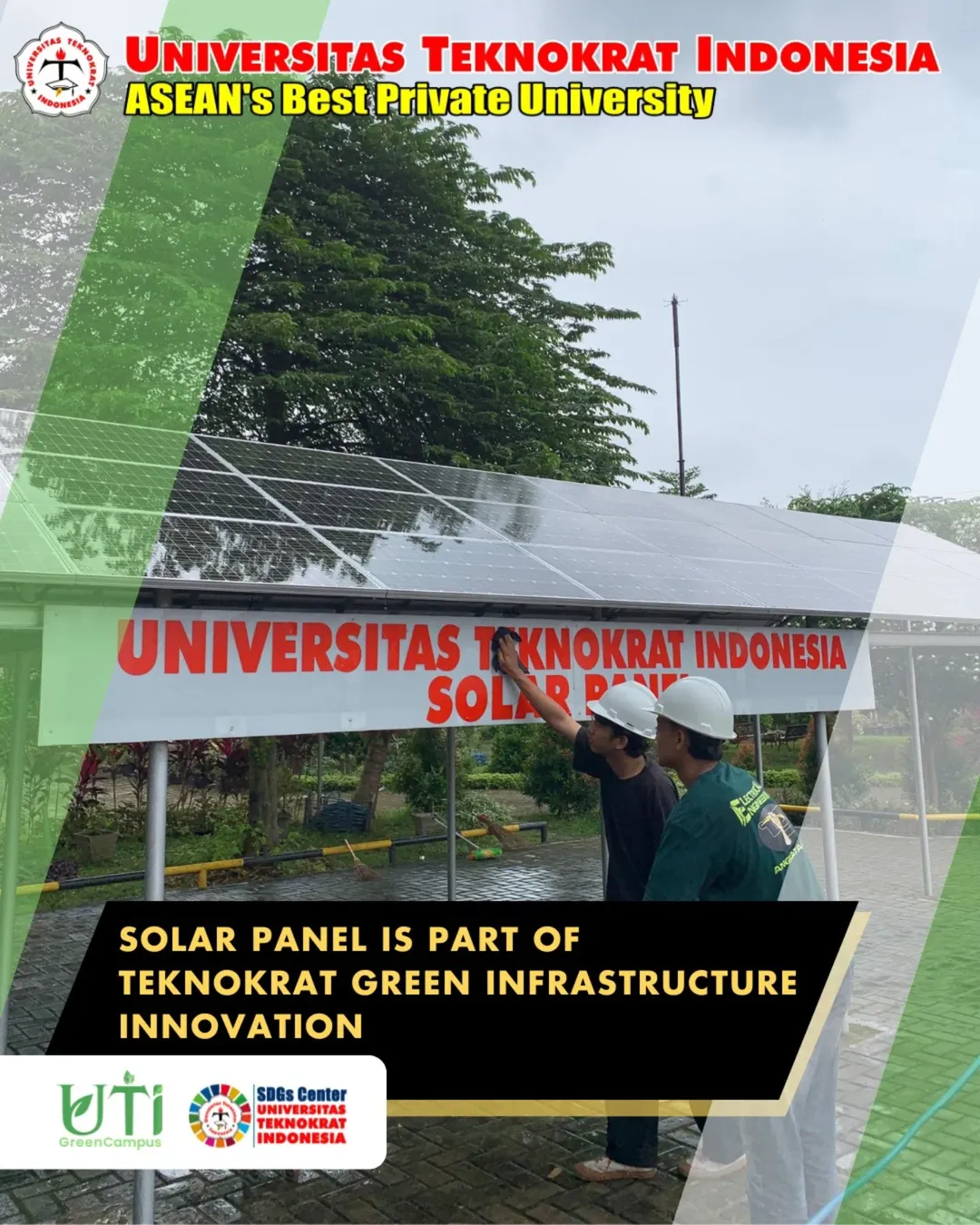
Solar Panel is Part of Teknokrat Green Infrastructure Innovation

At the Universitas Teknokrat Indonesia, the utilization of solar panels as an alternative energy source plays a crucial role in supporting environmental sustainability and reducing energy costs. By harnessing abundant sunlight, solar panels generate electricity to meet the energy needs of various campus facilities, such as classrooms, laboratories, and common areas. This initiative not only reduces dependence on fossil energy sources but also contributes to the reduction of carbon emissions that harm the environment. The use of solar panels is also part of Universitas Teknokrat Indonesia’s commitment to implementing environmentally friendly technologies and creating a greener campus. Furthermore, this technology provides an opportunity for students to directly learn about the application of renewable energy in everyday life, supporting research and innovation in the field of renewable energy, and raising awareness about the importance of clean energy for the future. With the installation of solar panels, Universitas Teknokrat Indonesia not only serves as an educational institution but also as an example of efforts to create a more sustainable environment. This step demonstrates that, with the right use of technology, a campus can reduce operational costs while making a positive impact on the surrounding community and the planet as a whole. This initiative serves as an inspiration for other institutions to adopt renewable energy in support of more sustainable development. This solar energy initiative has been made possible through strong institutional commitment and collaboration with energy experts and government agencies. Universitas Teknokrat Indonesia continues to explore opportunities for expanding its renewable energy infrastructure, including plans to install more solar panels and introduce energy-efficient systems across campus buildings. These developments are aligned with national and global goals for climate action and sustainable development. Moreover, the presence of solar technology on campus has encouraged the integration of sustainability topics into various academic programs. Students from engineering, environmental science, and information technology departments are increasingly involved in related research, innovation projects, and community outreach programs. By turning the campus into a living laboratory, Universitas Teknokrat Indonesia empowers students not only to understand the science behind renewable energy but also to become active contributors in advancing sustainable practices in society.

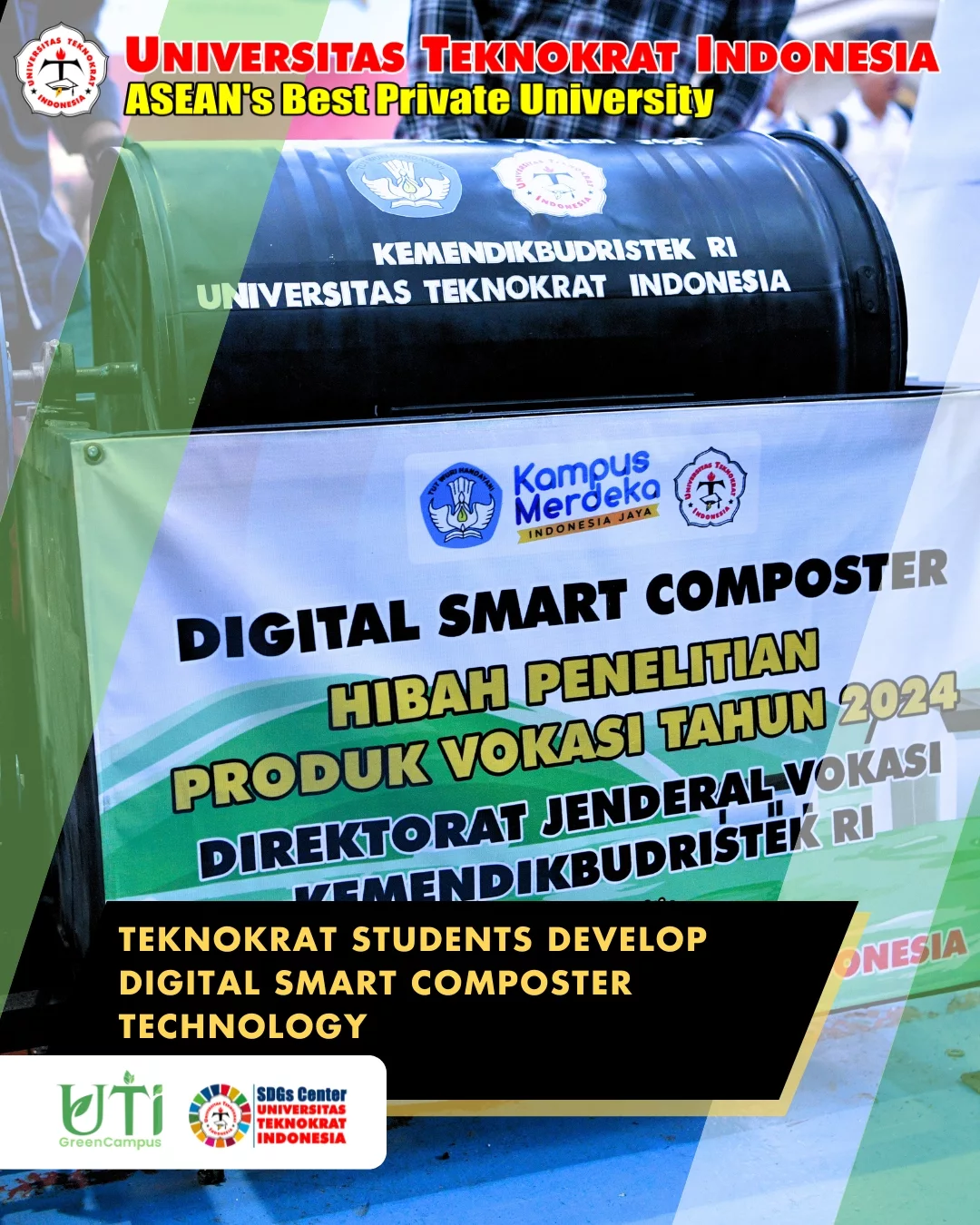
Teknokrat students develop digital smart composter technology

Universitas Teknokrat Indonsia have presented extraordinary innovations in organic waste management by creating a digital compost processing tool that is efficient and environmentally friendly. By combining modern technology and a natural composting process, this tool makes it easier for people to process organic waste practically at home. Equipped with automatic sensors to regulate temperature, humidity and stirring, this tool ensures the decomposition process runs optimally without requiring much maintenance. This innovation not only provides a solution to the problem of organic waste, but also plays a role in supporting environmental sustainability. With faster and more efficient processing, organic waste that was previously wasted can now be converted into quality compost that can be used to fertilize the soil. This opens up opportunities to reduce dependence on chemical fertilizers, as well as having a positive impact on the agricultural sector and urban gardens. This work shows the commitment of Universitas Teknokrat Indonsia students to contribute to the development of technology that is beneficial to society and the country. Apart from providing a solution to the waste problem, this digital compost processing tool also inspires the younger generation to continue to innovate in creating environmentally friendly and sustainable technology. “With enthusiasm and creativity, these students prove that technology can be a tool to create a greener and better world.” The development of this digital composting tool has also received strong support from Universitas Teknokrat Indonesia through research funding, mentoring from lecturers, and collaboration with industry partners. The university believes that student-led innovations like this are essential in addressing real-world environmental challenges while fostering a spirit of entrepreneurship and problem-solving. Currently, the team behind the tool is working on scaling the technology for broader use, including in schools, communities, and rural areas where organic waste management remains a pressing issue. Several local governments and environmental NGOs have also expressed interest in adopting the innovation, seeing its potential to contribute to cleaner environments and sustainable waste solutions. By bridging academic research with practical applications, Universitas Teknokrat Indonesia continues to position itself as a leading institution in promoting eco-conscious innovation. As awareness of environmental issues grows globally, initiatives like this reflect the pivotal role of universities in shaping a generation that not only thinks critically but also acts responsibly for the future of the planet.

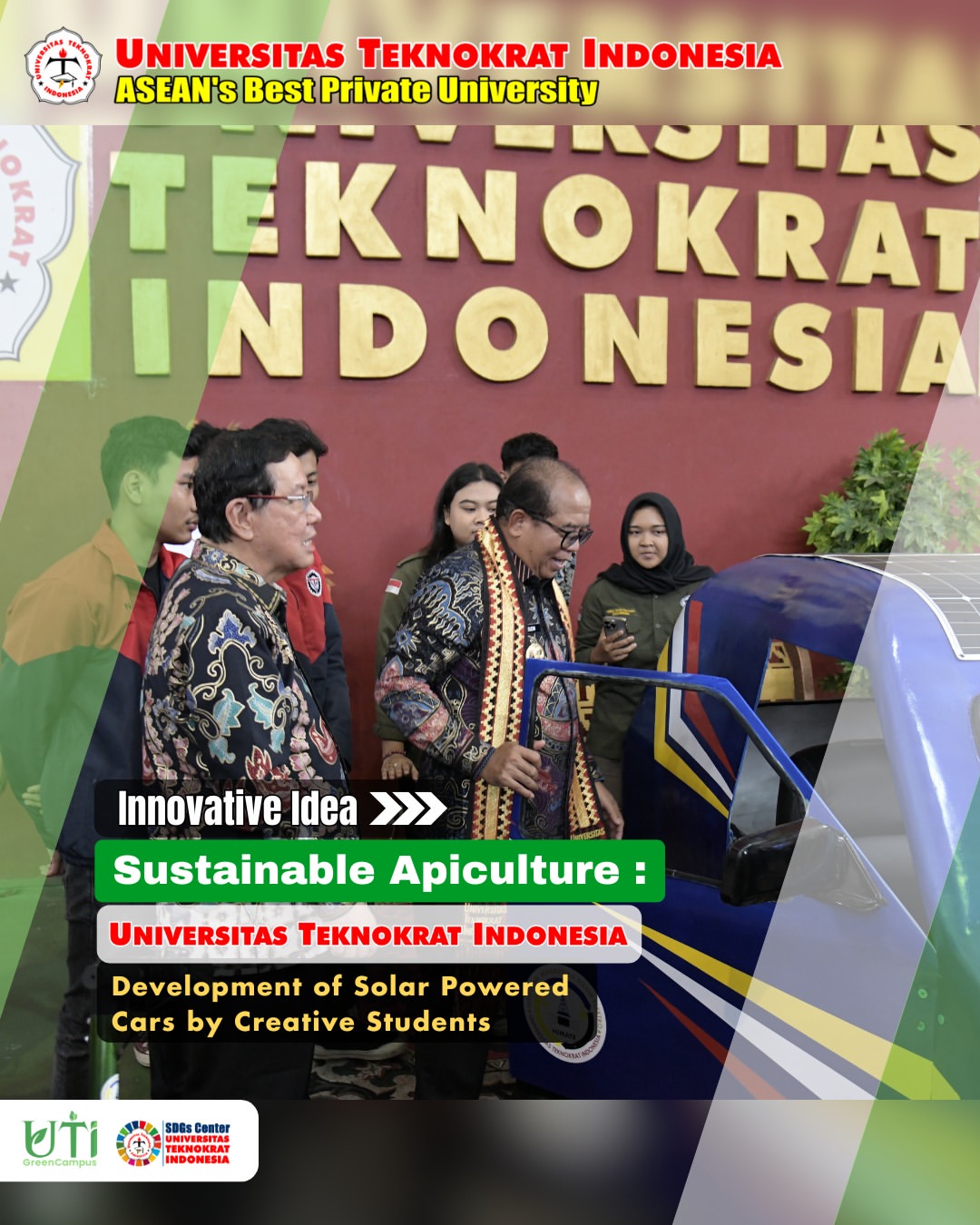
Development of solar powered cars by creative student

Students from Universitas Teknokrat Indonesia have once again demonstrated their creativity and commitment to the environment by creating a solar-powered car that is eco-friendly! This innovation is proof that the younger generation of Indonesia is ready to contribute to positive change in the automotive and renewable energy sectors. By harnessing solar energy, this car not only reduces carbon emissions but also offers a sustainable transportation solution for the future. This outstanding achievement was directly appreciated by the Acting Governor of Lampung, Dr. Drs. Samsudin, S.H., M.H., M.Pd., who expressed his pride and support for the work of Universitas Teknokrat Indonesia’s students. He emphasized that innovations like this are a real example of how technology can be applied to address global challenges, such as climate change and dependence on fossil fuels. With this recognition, it is hoped that this project will continue to develop and inspire more young people to create innovative solutions for the planet’s sustainability. Universitas Teknokrat Indonesia remains committed to nurturing an innovative generation that is not only academically brilliant but also cares about the future of the world. The development of the solar-powered car was supported by dedicated faculty members and equipped with resources from the university’s engineering and environmental science departments. The project not only serves as a practical learning experience for students but also showcases the university’s commitment to fostering research and innovation in renewable energy technologies. Moving forward, the student team plans to refine the car’s design and performance, aiming to compete in national and international competitions focused on green technology. The university is also exploring partnerships with local industries and government agencies to promote the commercialization and wider adoption of solar-powered vehicles in Indonesia. By pioneering such forward-thinking projects, Universitas Teknokrat Indonesia is setting a strong example for educational institutions nationwide. This initiative highlights the vital role of young innovators in driving sustainable development and reducing the environmental impact of transportation, paving the way toward a cleaner and greener future.

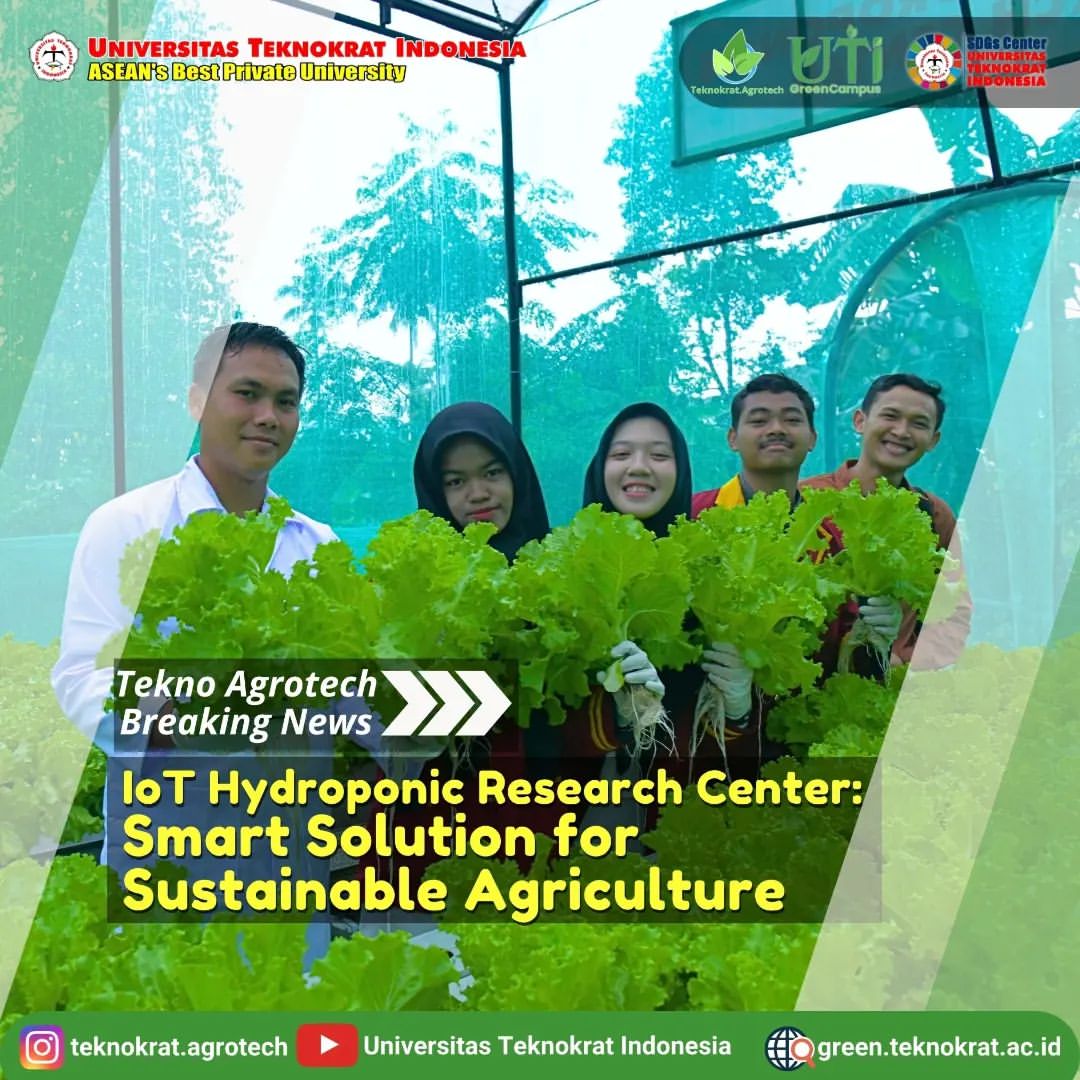
IoT Hydroponic Research Center : Smart Solution for Sustainable Agriculture

Universitas Teknokrat Indonesia, through its Agrotech startup, is advancing research on IoT-based hydroponics to support the university’s Sustainable Development Goals (SDGs) Center. This research is being led by a team of experts from the university, focusing on hydroponic techniques, environmental conservation policies, and the integration of IoT technology. The goal is to uncover the key factors behind the success of IoT hydroponics systems. Additionally, the team is investigating the life cycle of plants grown in IoT hydroponic systems and exploring best practices for utilizing IoT technology to optimize these systems. Dr. Mahathir Muhammad, SE., MM., Vice Rector of Universitas Teknokrat Indonesia, shared that the IoT Hydroponic Research Center is dedicated to providing a space for faculty and students to conduct research, all while promoting sustainability and producing high-quality food. “We believe IoT hydroponics is a promising technology for sustainable agriculture,” Dr. Mahathir said. “This research will enable us to develop more efficient, productive, and environmentally friendly IoT hydroponics systems.” The research is ongoing, and the team looks forward to sharing their results with the broader community.

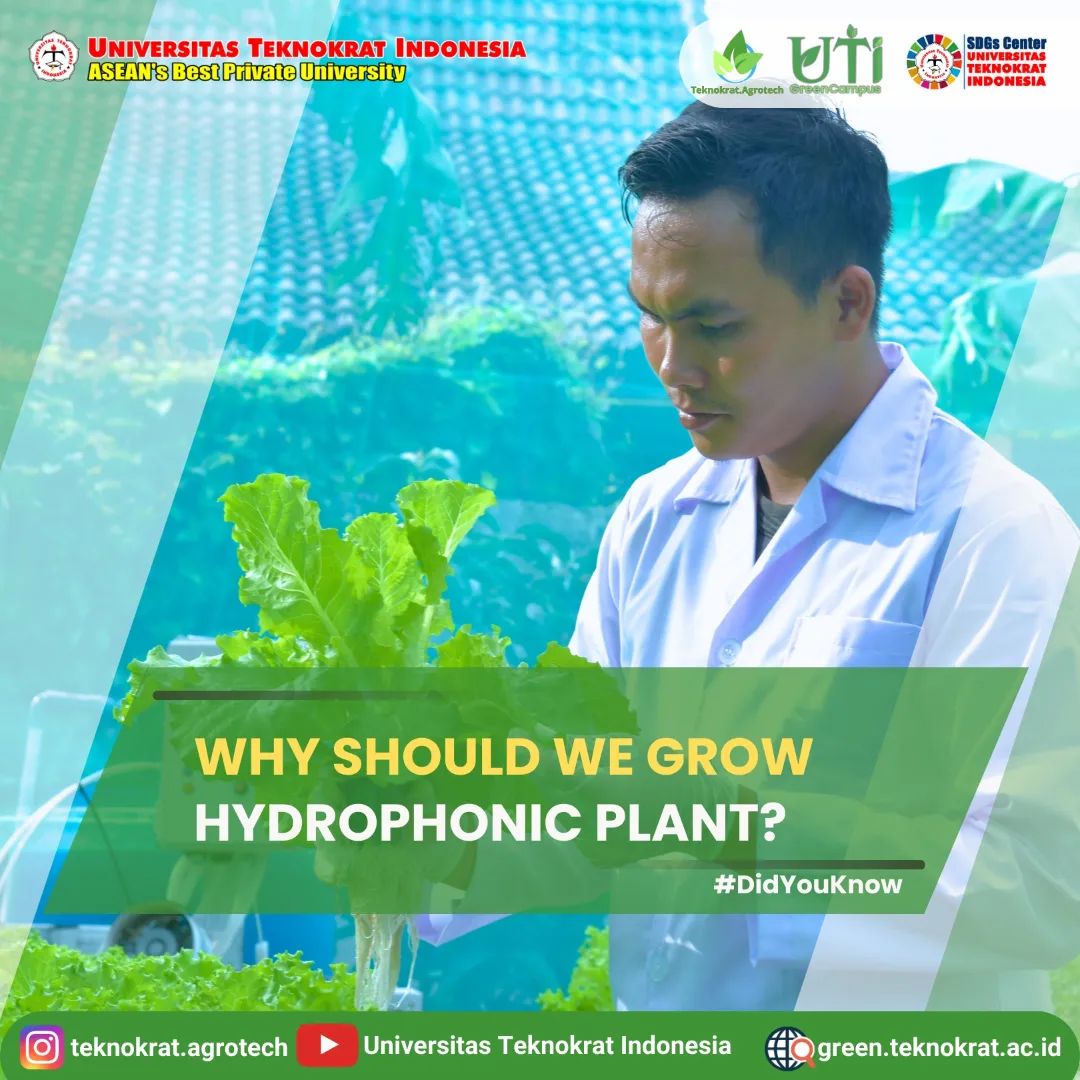
Why Should We Grow Hydroponic Plant?

Hydroponics is a method of growing plants without soil, using only water and nutrients. This approach offers several benefits over traditional farming, including: Universitas Teknokrat Indonesia is actively promoting sustainability on campus by creating green spaces and adopting eco-friendly technologies. One such initiative is the development of hydroponic systems on campus. The university has set up a special garden for hydroponic cultivation, managed by students and faculty from the Agrotechnology program. By advancing hydroponics, Universitas Teknokrat Indonesia is helping to protect the environment by conserving water and reducing pesticide and herbicide use. Interested in learning more about hydroponics?

Did You Know How To Face Climate Change?

Climate change is one of the most pressing challenges the world is currently facing, with serious consequences such as rising sea levels, droughts, and extreme storms. So, what can we do to help tackle climate change? Here are some practical steps we can take! Tip 1: Raise awareness The first step is to become more aware of climate change—its causes, effects, and potential impacts on the planet. Tip 2: Cut down on greenhouse gas emissions Greenhouse gases are a major driver of climate change. To combat this, we can: Tip 3: Adapt to climate change We are already seeing the impacts of climate change, such as flooding, droughts, and storms. It’s important to adapt to these changes by taking steps like building homes on higher ground in flood-prone areas or securing flood insurance. Tip 4: Advocate for eco-friendly policies Governments play a key role in addressing climate change, and we can help by supporting policies that promote environmental sustainability, reduce emissions, and protect natural resources. By taking small, everyday actions, we can all contribute to a significant positive change in the fight against climate change. Let’s start today!

Scroll to top