Energy and Climate Change

Geothermal Energy: An Environmentally Friendly Solution for Home Heating and Cooling

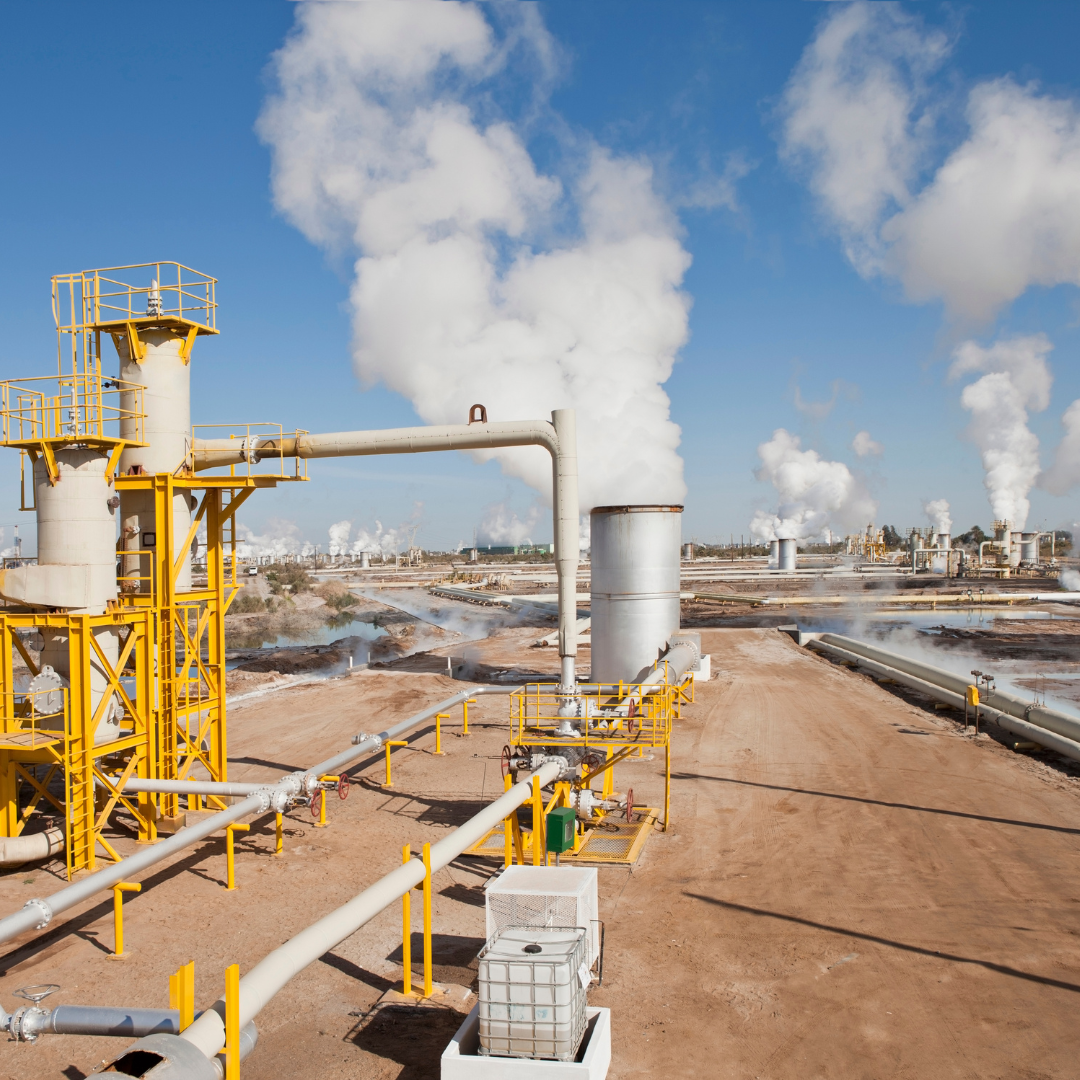
In efforts to reduce dependence on fossil fuels and mitigate the impacts of climate change, more people are seeking alternative clean and sustainable energy sources. One promising energy source is geothermal energy. This energy comes from the heat stored within the Earth and can be used for various purposes, including heating and cooling homes. What is Geothermal Energy? Geothermal energy is derived from the heat originating from the Earth’s core. This heat can be harnessed by drilling wells to reach the hot rock layers beneath the Earth’s surface. Water or other fluids are then pumped into the wells to absorb the heat, which is brought to the surface for use. Utilizing Geothermal Energy for Heating and Cooling Geothermal-based heating and cooling systems work on the principle of heat exchange. Hot water extracted from the Earth is used to warm the air inside a home during the winter. Conversely, in the summer, the hot water is used to absorb heat from the air inside the home, cooling the rooms. Advantages of Using Geothermal Energy Challenges in Implementing Geothermal Energy Geothermal energy offers a very attractive solution for meeting household heating and cooling needs. While there are some challenges to overcome, the potential of geothermal energy as a clean and sustainable energy source is immense. With continued research and development, it is expected that the use of geothermal energy will become more widespread and affordable. Source : https://solum.id/glosarium/apa-itu-energi-panas-bumi-pengertian-pemanfaatan-dan-cara-kerjanya/

Potential of Flywheel Technology in Energy Storage

In the era of the urgent energy transition, energy storage technology becomes key to ensuring a stable and efficient electricity supply. One promising technology is the flywheel. This technology has gained attention from experts and industries due to its significant potential in addressing energy storage challenges. What is a Flywheel? A flywheel is a mechanical device consisting of a heavy wheel that spins on its axis. When energy is applied, the wheel spins faster and stores energy in the form of kinetic energy. This energy can later be released back into the electrical system when needed. How Does a Flywheel Work? The working principle of a flywheel is based on the law of conservation of energy. As the wheel spins faster, the kinetic energy stored increases. Conversely, when the wheel slows down, the kinetic energy is released in the form of electrical energy. This process can be repeated multiple times, allowing the flywheel to function as a mechanical battery. Advantages of Flywheel Technology Potential Applications of Flywheels Challenges and Development of Flywheel Technology Despite its great potential, flywheel technology still faces some challenges, such as high production costs and energy storage capacity that is not yet on par with chemical batteries. However, with ongoing research and development, these challenges are expected to be overcome. Flywheel technology offers an exciting solution to the challenges of energy storage. With high efficiency, long lifespan, and broad application potential, flywheels could become an essential part of future energy systems. Source: Pullen K.R. Gravity Energy Storage

Impact of Renewable Energy on Climate Change: Solution or Just a Trend?

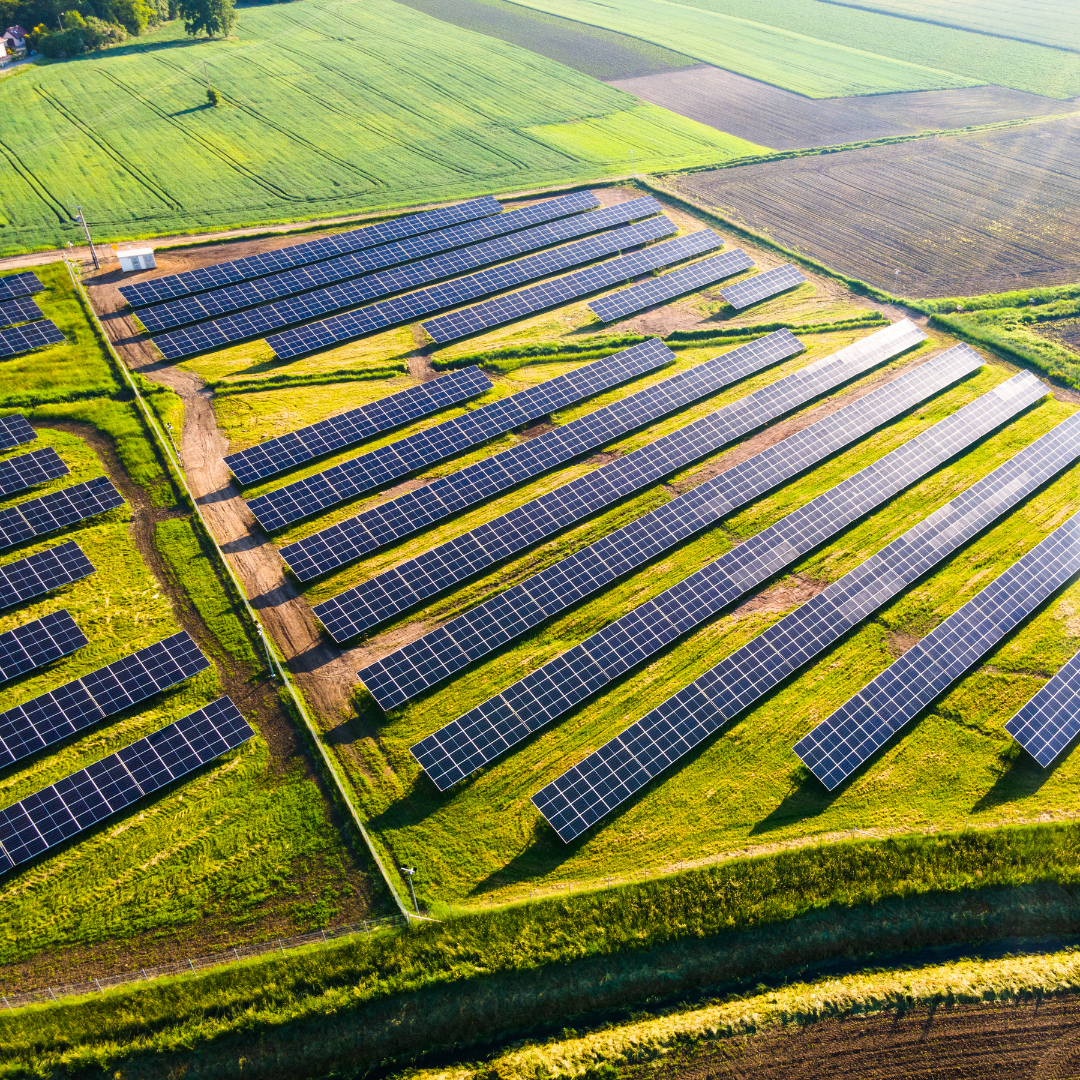
Climate change has become an increasingly urgent global issue. Global warming, rising sea levels, and extreme weather are some of the tangible impacts we face today. One approach to tackling this problem is to shift to renewable energy sources. But how significant is the positive impact of renewable energy on climate change? Let’s explore this further. Understanding Renewable Energy Renewable energy is derived from natural sources that can be replenished continuously. Some common examples of renewable energy include: Positive Impacts of Renewable Energy on Climate Change Renewable energy use has several positive impacts in efforts to combat climate change: Challenges and Considerations Despite its many benefits, renewable energy faces several challenges: The use of renewable energy is a crucial step in addressing climate change. By reducing greenhouse gas emissions and improving air quality, renewable energy offers hope for a more sustainable future. However, achieving this goal requires collaborative efforts from governments, industries, and communities. Source: International Energy Agency (IEA): [Insert link to IEA report or data on renewable energy].

Bright Prospects for Renewable Energy in Tropical Countries: Potential and Challenges

Tropical countries, with abundant sunlight and other natural resources, have great opportunities to harness renewable energy. This potential has drawn increasing attention as awareness grows about the importance of clean and sustainable energy. Renewable Energy Potential in Tropical Countries Challenges in Developing Renewable Energy Future Prospects With substantial potential and supportive policies, renewable energy could become the backbone of energy systems in tropical countries. Key benefits include: Renewable energy holds bright prospects in tropical countries. By harnessing their abundant natural resources, these countries can build a more sustainable future. Source: Central Bureau of Statistics (BPS): Data on natural resources and economic potential in tropical countries.

Environmental Impact of Wind Energy Infrastructure Development: A Review

Wind energy, one of the most promising sources of renewable energy, is increasingly being developed worldwide. The construction of wind energy infrastructure, such as large wind turbines, is expected to reduce dependence on fossil fuels and minimize greenhouse gas emissions. However, like any technology, wind energy infrastructure development also has environmental impacts that need to be considered. Positive Impacts Before discussing the negative impacts, it is important to highlight some positive effects of wind energy infrastructure development: Negative Impacts Despite its many benefits, the development of wind energy infrastructure also has some negative environmental impacts, including: Mitigating Negative Impacts To minimize the negative impacts of wind energy infrastructure development, several mitigation measures can be implemented, including: The development of wind energy infrastructure is an important step in the transition to clean energy. However, it is essential to recognize that every technology has environmental impacts that need consideration. With careful planning and appropriate mitigation measures, we can maximize the benefits of wind energy while minimizing its negative effects on the environment. Source : https://environment-indonesia.com/dampak-lingkungan-pembangkit-listrik-tenaga-angin/

Successful Renewable Energy Projects That Are Changing the World

The transition to clean energy is becoming increasingly urgent. Various countries around the world have demonstrated their commitment by launching innovative and successful renewable energy projects. Renewable energy sources such as solar, wind, water, and biomass offer sustainable solutions to meet the growing global energy demand. Successful renewable energy projects not only generate clean energy but also have positive impacts on the economy, the environment, and society. Examples of Successful Renewable Energy Projects Key Factors for the Success of Renewable Energy Projects Challenges and Opportunities in the Future Although significant progress has been made, there are still many challenges to overcome in the development of renewable energy. These challenges include fluctuations in energy production, integration into existing power grids, and high investment costs. However, the future holds immense opportunities. The growing global demand for clean energy, declining technology costs, and increasing awareness of the importance of sustainability will drive the continued growth of the renewable energy sector. Source: IRENA – International Renewable Energy Agency (www.irena.org)

The Role of Technological Innovation in Enhancing Energy Efficiency

The global energy crisis and growing awareness of the importance of environmental sustainability are driving rapid technological innovation in the energy sector. One of the main focuses of this innovation is improving energy efficiency. By leveraging the latest technologies, we can optimize energy usage, reduce greenhouse gas emissions, and create a more sustainable future. Article Body Technological innovation plays a crucial role in improving energy efficiency. By utilizing the latest technologies, we can reduce dependence on fossil fuels, lower greenhouse gas emissions, and create a more sustainable future. Source: International Energy Agency (IEA)

Renewable Energy in the Context of Electric Mobility: Toward a Greener Future

Climate change and the limitations of fossil resources have driven the world to seek cleaner and more sustainable energy alternatives. One sector that has undergone significant transformation is the transportation sector. Electric mobility, powered by renewable energy, has emerged as a promising solution to reduce greenhouse gas emissions and improve air quality. What is Electric Mobility? Electric mobility refers to the use of electric vehicles powered by batteries. Electric vehicles no longer rely on fossil fuels, thus reducing the exhaust emissions that are the primary cause of air pollution and climate change. The Role of Renewable Energy in Electric Mobility Renewable energy, such as solar, wind, and hydroelectric power, plays a crucial role in supporting electric mobility. Here are some reasons why: Challenges and Opportunities Although electric mobility offers many benefits, there are still several challenges that need to be addressed, such as: However, alongside these challenges, there are numerous opportunities: Electric mobility powered by renewable energy represents the future of cleaner and more sustainable transportation. By continuing to develop technology, improve infrastructure, and raise public awareness, we can achieve a transition to a more environmentally friendly transportation system. Source : https://metiires.or.id/pengembangan-mobilitas-et/bergerak-menuju-masa-depan-berkelanjutan-pentingnya-mobilitas-dengan-energi-terbarukan/

Comparison of Renewable Energy Policies: Developed vs Developing Countries, Who is Ahead?

Background: The importance of the energy transition toward more sustainable resources.Article Objective: To compare renewable energy policies in developed and developing countries, identify differences, challenges, and opportunities.Research Question: What are the key differences in renewable energy policies between developed and developing countries? What factors influence these differences? Definition of Renewable Energy and Policy Differences in Renewable Energy Policies Factors Influencing the Differences Case Studies Opportunities and Challenges Summary of Findings: Concludes the key differences between renewable energy policies in developed and developing countries.Recommendations: Provides policy recommendations to promote the development of renewable energy in developing countries.Future Directions: Discusses the prospects for renewable energy development in the future. Source: IEA Report: The International Renewable Energy Agency (IRENA) publishes an annual report on the development of renewable energy worldwide.

Wastewater Treatment Technology for Energy: A Greener Future

Why Can Wastewater Become Energy? Wastewater contains large amounts of organic matter that can be broken down by microorganisms. This decomposition process produces methane gas, which is the main component of biogas. Biogas can be harnessed as a fuel to generate electricity or heat. The Process of Turning Wastewater into Energy In general, the process of converting wastewater into energy involves several stages: Supporting Technologies Several technologies play a key role in the conversion of wastewater into energy, including: Benefits of Wastewater-to-Energy Treatment Challenges and the Future Despite its great potential, wastewater-to-energy technology still faces some challenges, such as high initial investment costs, suboptimal efficiency, and limitations in scaling up. However, with ongoing research and development, it is expected that this technology will continue to advance and make a significant contribution to addressing energy and environmental issues. Sumber : https://www.esdm.go.id/id/media-center/arsip-berita/pengolahan-limbah-menjadi-sumber-energi

Scroll to top