

Impact of Renewable Energy on Climate Change: Solution or Just a Trend?
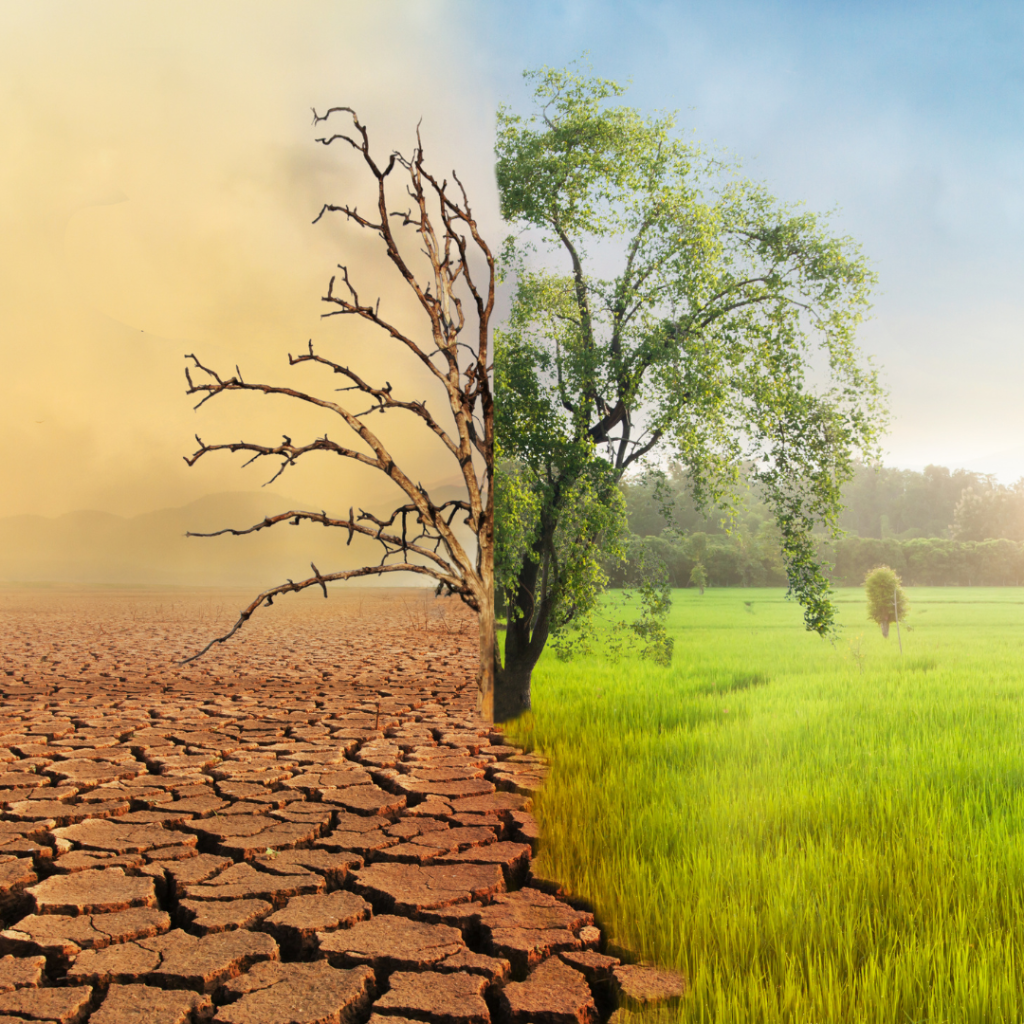
Climate change has become an increasingly urgent global issue. Global warming, rising sea levels, and extreme weather are some of the tangible impacts we face today. One approach to tackling this problem is to shift to renewable energy sources. But how significant is the positive impact of renewable energy on climate change? Let’s explore this further.
Understanding Renewable Energy
Renewable energy is derived from natural sources that can be replenished continuously. Some common examples of renewable energy include:
- Solar energy: Converting sunlight into electricity.
- Wind energy: Converting wind power into electricity.
- Hydropower: Converting the kinetic energy of water into electricity (e.g., hydropower plants).
- Geothermal energy: Harnessing heat from within the Earth to generate electricity.
- Biomass: Converting organic materials into energy.
Positive Impacts of Renewable Energy on Climate Change
Renewable energy use has several positive impacts in efforts to combat climate change:
- Low Greenhouse Gas Emissions: Unlike fossil fuels, renewable energy produces far lower or even zero greenhouse gas emissions, helping reduce the greenhouse effect and slowing global warming.
- Improved Air Quality: Fossil fuel power plants are a major source of air pollution. Shifting to renewable energy can reduce air pollution and improve the quality of the air we breathe.
- Energy Independence: Renewable energy reduces dependence on fossil fuel imports, increasing a country’s energy security.
- Economic Stimulation: The development of the renewable energy sector can create new jobs and drive economic growth.
Challenges and Considerations
Despite its many benefits, renewable energy faces several challenges:
- High Initial Investment: Building infrastructure for renewable energy requires substantial upfront investment.
- Weather Dependence: Some renewable sources, like solar and wind power, are highly dependent on weather conditions.
- Energy Storage: Finding efficient ways to store renewable energy remains a challenge.
The use of renewable energy is a crucial step in addressing climate change. By reducing greenhouse gas emissions and improving air quality, renewable energy offers hope for a more sustainable future. However, achieving this goal requires collaborative efforts from governments, industries, and communities.
Source: International Energy Agency (IEA): [Insert link to IEA report or data on renewable energy].