
Energy and Climate Change

The Benefits of Ocean Energy for Island Regions: A More Sustainable Energy Future

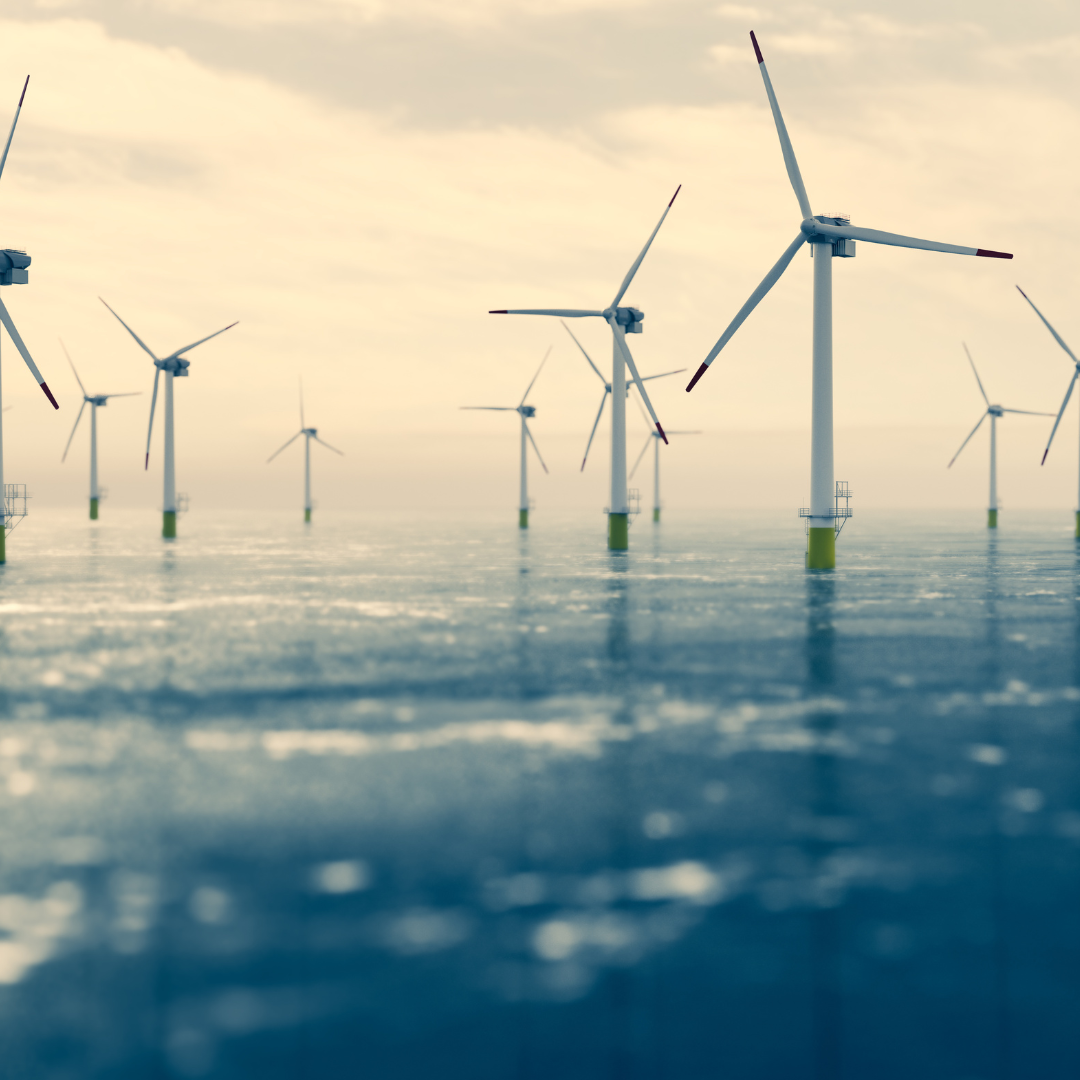
As the world’s largest archipelagic country, Indonesia has enormous potential for ocean energy. Ocean energy, which includes wave, tidal, ocean current, and ocean thermal energy, offers promising solutions to meet energy needs in island regions. Not only is ocean energy environmentally friendly, but it can also enhance energy security and drive economic growth. Benefits of Ocean Energy for Island Regions Energy Sustainability: Enhancing Energy Independence: Driving Economic Growth: Environmental Preservation: Challenges and Solutions Despite the enormous potential of ocean energy, there are several challenges to overcome, such as: Solutions: Ocean energy offers a brighter future for island regions. By harnessing existing potential, we can create a more sustainable, independent, and environmentally friendly energy system. The challenges can be overcome with commitment and cooperation from various stakeholders. Source: Ministry of Energy and Mineral Resources, Indonesia

Renewable Energy Ecosystems in Urban Areas: Toward More Sustainable Cities

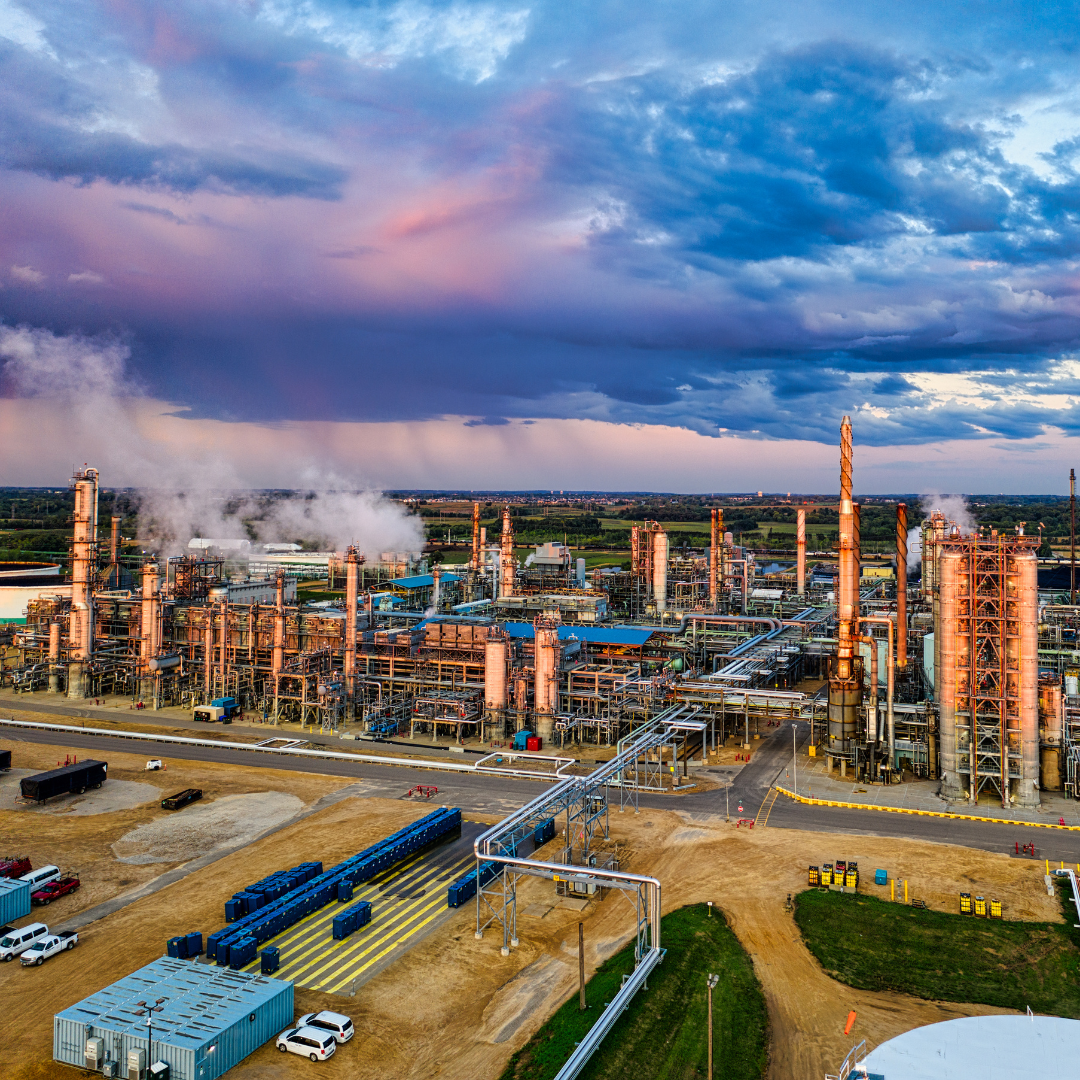
The rapid urbanization worldwide has driven an increase in energy demand. However, dependence on fossil fuels has led to environmental challenges, including climate change and air pollution. In response to these issues, the concept of a renewable energy ecosystem in urban areas has emerged as a promising solution. What Is an Urban Renewable Energy Ecosystem? An urban renewable energy ecosystem is an integrated system in which various renewable energy sources, such as solar, wind, and biomass, are optimally utilized to meet urban energy needs. This system encompasses multiple components, including electricity generation technologies, energy storage systems, distribution networks, and supportive policies. Benefits of an Urban Renewable Energy Ecosystem Key Components of an Urban Renewable Energy Ecosystem Challenges and Solutions Despite its benefits, developing urban renewable energy ecosystems faces several challenges, such as high investment costs, limited space, and low public awareness. Overcoming these challenges requires collaboration between government, private sectors, and communities to create a conducive environment for renewable energy development. Examples of Implementation Several cities around the world have successfully developed renewable energy ecosystems, including Copenhagen (Denmark), Amsterdam (Netherlands), and Singapore. These cities have shown that with careful planning and strong commitment, transitioning to renewable energy in urban areas is achievable. Urban renewable energy ecosystems are essential steps toward creating more sustainable cities. By harnessing the potential of available renewable energy, we can build cleaner, healthier, and more resilient urban environments. Sumber : https://atonergi.com/penerapan-energi-terbarukan-di-perkotaan/

The Health Benefits of Renewable Energy

Renewable energy sources, such as solar, wind, and hydro power, are gaining popularity as alternatives to conventional energy sources. Besides being environmentally friendly, renewable energy also offers significant health benefits for communities. How Does Renewable Energy Impact Health? Examples of Health Benefits from Renewable Energy: The transition to renewable energy is not only about protecting the environment but also about enhancing public health. By reducing air pollution, stabilizing the climate, and creating a healthier environment, renewable energy significantly contributes to human well-being. Sumber : Badan Kesehatan Dunia (WHO): Laporan-laporan WHO mengenai dampak polusi udara terhadap kesehatan.

Research and Development of Low-Speed Wind Energy: Potential and Challenges

Wind energy has long been highlighted as one of the most promising sources of renewable energy. However, most existing wind power plants are designed to operate optimally at relatively high wind speeds. This design limits the utilization of wind energy in areas with lower wind speeds, which, in fact, cover a large part of the world. What is Low-Speed Wind Energy? Low-speed wind energy refers to energy generated from winds with speeds lower than those required by conventional wind turbines. Typically, these low wind speeds range between 3–8 meters per second. Potential of Low-Speed Wind Energy Despite its lower speeds, low-speed wind energy has great potential, especially in urban, rural, and coastal areas. Some reasons why low-speed wind energy is attracting the interest of researchers and developers include: Challenges in Development However, developing technology to harness low-speed wind energy also faces several challenges, including: Recent Research and Development To overcome these challenges, researchers and developers are pursuing various innovations, such as: Examples of Application Examples of existing applications of low-speed wind energy include: Low-speed wind energy holds significant potential to help meet global energy needs. With continuous research and development, this technology is expected to become an effective solution for increasing wind energy utilization, especially in areas with lower wind speeds. Sumber : [https://tahtamedia.co.id/index.php/issj/article/view/90]

Design and Implementation of Solar Panels in Buildings: Towards Sustainable Structures

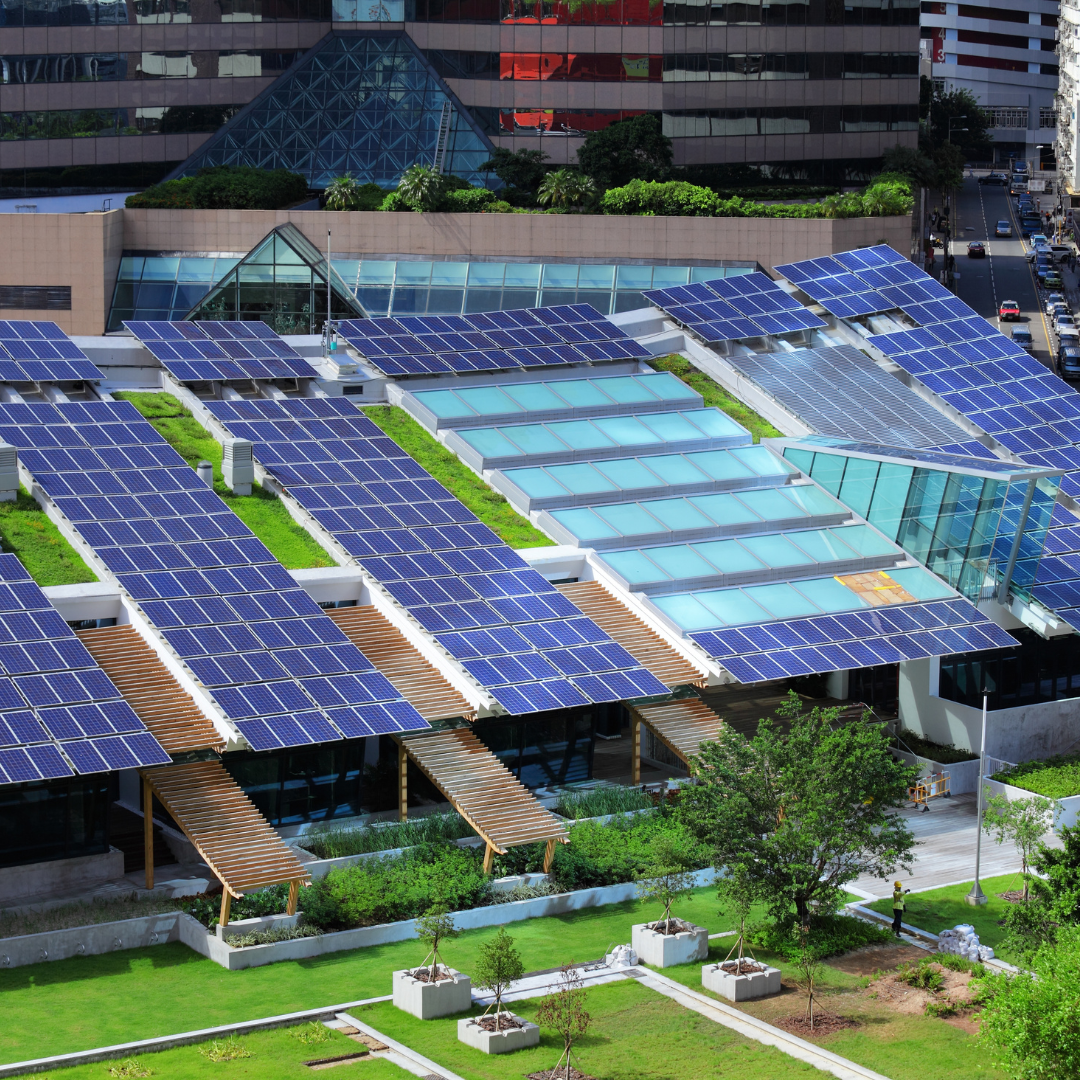
The rapid development of renewable energy technologies, especially solar panels, is increasingly becoming a viable solution for reducing dependence on fossil fuels and creating more sustainable buildings. The use of solar panels in buildings is growing in popularity as a way to reduce energy costs and promote sustainability. This article will discuss the design and implementation of solar panels in buildings, from planning to the benefits that can be gained. Why Choose Solar Panels for Buildings? Design and Implementation Phases for Solar Panels Factors to Consider Benefits of Implementing Solar Panels in Buildings Examples of Solar Panel Implementation in Indonesia The implementation of solar panels in buildings is a crucial step toward creating more sustainable structures. With proper planning and the selection of appropriate technology, solar panels can provide significant benefits for both building owners and the environment. Source: Directorate General of New, Renewable Energy, and Energy Conservation. (2023). Potentials and Challenges of Solar Energy Development in Indonesia. Jakarta: Ministry of Energy and Mineral Resources.

The Potential of Solar Energy in the Agricultural Sector: Towards Sustainable Farming

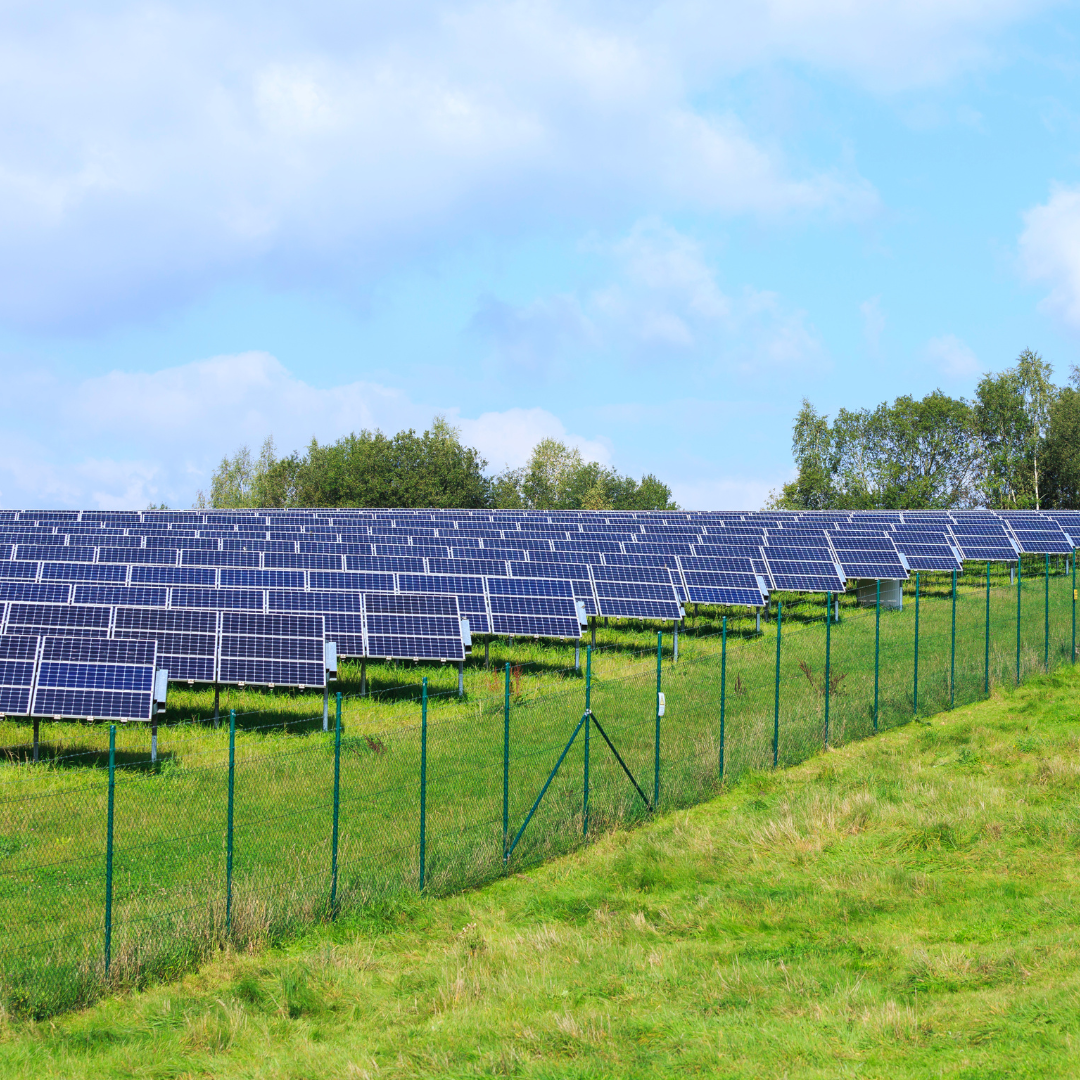
Solar energy, as an abundant and environmentally friendly energy source, offers a promising solution to enhance productivity and sustainability in the agricultural sector. By utilizing solar technology, farmers can reduce dependency on fossil fuels, increase production efficiency, and contribute to environmental conservation. Utilization of Solar Energy in Agriculture Solar energy can be applied in various agricultural aspects, including: Advantages of Using Solar Energy in Agriculture Challenges and Solutions Despite its significant potential, using solar energy in agriculture still faces several challenges, such as: To overcome these challenges, support from the government, research institutions, and private sector is essential, including supportive policies, affordable technology development, and training programs for farmers. Solar energy has enormous potential to revolutionize the agricultural sector. By adopting solar technology, farmers can improve productivity, reduce production costs, and contribute to sustainable agricultural development. Sumber : https://gokomodo.com/blog/keuntungan-penggunaan-tenaga-surya-pada-sektor-pertanian

Algae: A New Hope for Sustainable Energy

The energy crisis and climate change are driving the search for alternative energy sources that are more environmentally friendly. One promising candidate is algae. These microscopic organisms have great potential to become a source of biofuel for the future. Why Algae? Biofuel Production Process from Algae In general, the process of producing biofuel from algae involves several stages: Challenges and Potential Although algae’s potential as a source of biofuel is vast, there are still several challenges that need to be addressed: However, with ongoing research and development, it is hoped that these challenges can be overcome. The potential of algae as a renewable energy source is very promising, especially in the long term. Algae have significant potential to become a sustainable biofuel source in the future. With its various advantages, algae can contribute to addressing energy and environmental challenges. Although there are still some hurdles to overcome, the development of algae-based biofuel technology continues, and it is expected to bring positive changes to the world. Sumber : Demirbas, M. F. (2010). Microalgae as a feedstock for biodiesel. Energy Education Science and Technology Part A-Energy Science and Research, 25(1-2).

Energy Security and Renewable Energy: A Sustainable Solution for the Future

Energy security is a growing global issue as energy demand rises and fossil fuel resources become limited. Reliance on fossil energy sources not only drives climate change but also exposes us to price fluctuations and geopolitical instability. In this context, renewable energy emerges as a promising solution to enhance energy security and achieve sustainable development. What is Energy Security? Energy security refers to the availability of adequate, reliable, and affordable energy to meet the needs of society and the economy of a nation. The dimensions of energy security include: The Role of Renewable Energy in Enhancing Energy Security Renewable energy sources, such as solar, wind, hydro, and biomass, offer several benefits for improving energy security: Challenges and Solutions Despite its great potential, renewable energy development faces several challenges, including: To address these challenges, several actions are needed, such as: Energy security is a strategic issue that is vital for every country. Renewable energy offers a sustainable solution to enhance energy security and reduce negative environmental impacts. With appropriate policy support and technological innovation, we can build a more sustainable future with clean and affordable energy. Sumber : International Renewable Energy Agency (IRENA): Organisasi internasional yang fokus pada pengembangan energi terbarukan.

The Challenges of Renewable Energy in Extreme Climates: Seeking Solutions Amid Climate Change

Renewable energy is increasingly seen as a solution to address the climate crisis. However, its implementation is not without various challenges, especially in regions with extreme climates. The growing unpredictability of climate change is making reliance on renewable energy sources more complex. This article will discuss some of the main challenges faced by renewable energy in extreme climate conditions, as well as efforts that can be made to overcome them. Main Challenges of Renewable Energy in Extreme Climates Efforts to Address These Challenges Renewable energy has great potential to address climate change, but the challenges it faces—especially in regions with extreme climates—must not be overlooked. Through technological development, improved weather forecasting, better energy system integration, and appropriate policy support, we can overcome these challenges and ensure a successful energy transition. Sumber : IPCC, 2021: Climate Change 2021: The Physical Science Basis.

Wind Energy Conversion to Hydrogen: The Future of Energy Storage

Wind energy, as one of the abundant renewable energy sources, has become a central focus in the global energy transition efforts. However, one of the main challenges in utilizing wind energy is the fluctuation in production due to weather conditions. To address this, the technology of converting wind energy into hydrogen has emerged as a promising solution. Hydrogen, being the lightest and most abundant element in the universe, holds great potential as an energy storage medium. The Conversion Process The process of converting wind energy into hydrogen involves several key stages: Advantages of Storing Energy in the Form of Hydrogen Challenges and Technological Development Although it holds great potential, the technology for converting wind energy to hydrogen still faces several challenges, including: However, ongoing research and development are continuously addressing these challenges. Some promising technological advancements include: Converting wind energy to hydrogen offers an attractive solution to address the intermittency challenges associated with wind energy utilization. With the continuous advancement of technology and appropriate policy support, this technology has the potential to become an integral part of a sustainable future energy system. Source : http://zulfikar.blog.uma.ac.id/2024/01/20/energi-hidrogen/

Scroll to top