Water

Ocean Energy Conversion Technology: The Future of Clean Energy

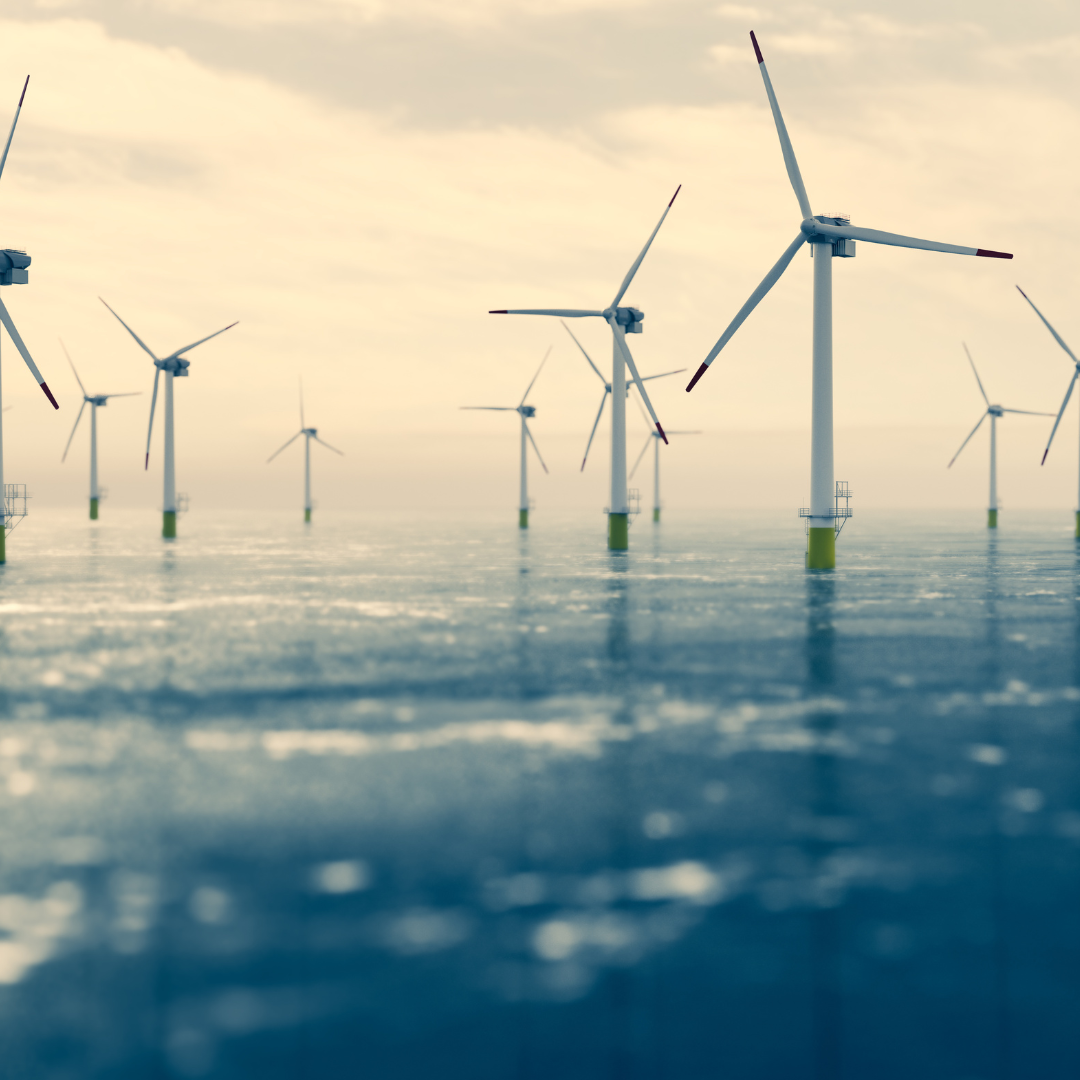
As the demand for energy grows and the impacts of climate change intensify, the search for clean and sustainable energy sources has become increasingly urgent. One promising source of energy is ocean energy. Ocean energy conversion technologies offer significant potential to generate electricity from various marine energy sources such as waves, currents, tides, and ocean thermal energy. What is Ocean Energy Conversion Technology? Ocean energy conversion technology is the process of transforming the mechanical energy from the movement of seawater into electrical energy. This mechanical energy can come from waves, currents, tides, or the temperature difference between the surface ocean and deeper waters. The electricity generated can then be used to meet the power needs of communities. Types of Ocean Energy Conversion Technologies There are several types of ocean energy conversion technologies currently under development, including: Potential and Challenges Ocean energy has vast potential as a renewable energy source. Some of the advantages of ocean energy include: However, the development of ocean energy conversion technologies also faces several challenges, such as: Ocean energy conversion technology offers a new hope for meeting the growing energy needs of the world. While there are still many challenges to overcome, the potential of ocean energy is highly promising. With ongoing research and development, ocean energy could become one of the main energy sources of the future. Source : https://journal.upy.ac.id/index.php/pkn/article/view/3050

Potential and Challenges of Ocean Energy in Indonesia: A New Hope for Clean Energy

With the world’s second-longest coastline, Indonesia has enormous potential for ocean energy. Ocean energy, which includes wave, tidal, and ocean current energy, offers an attractive alternative to meet the growing energy demands. However, the utilization of ocean energy in Indonesia still faces several challenges. Ocean Energy Potential in Indonesia Advantages of Ocean Energy Challenges in Harnessing Ocean Energy Efforts to Develop Ocean Energy in Indonesia The Indonesian government has demonstrated its commitment to developing ocean energy through various policies and programs. Some of the efforts include: Ocean energy offers new hope to meet Indonesia’s growing energy needs in a sustainable and environmentally friendly way. While there are still many challenges to overcome, the enormous potential of ocean energy should continue to be explored and developed. With government support, private investment, and the right technological advancements, Indonesia could become a leader in ocean energy utilization in Southeast Asia. Source : https://www.kompasiana.com/sanam/64c29c07633ebc75407cfab2/potensi-energi-laut-di-indonesia-sebagai-energi-listrik-terbarukan

The Benefits of Ocean Energy for Island Regions: A More Sustainable Energy Future

As the world’s largest archipelagic country, Indonesia has enormous potential for ocean energy. Ocean energy, which includes wave, tidal, ocean current, and ocean thermal energy, offers promising solutions to meet energy needs in island regions. Not only is ocean energy environmentally friendly, but it can also enhance energy security and drive economic growth. Benefits of Ocean Energy for Island Regions Energy Sustainability: Enhancing Energy Independence: Driving Economic Growth: Environmental Preservation: Challenges and Solutions Despite the enormous potential of ocean energy, there are several challenges to overcome, such as: Solutions: Ocean energy offers a brighter future for island regions. By harnessing existing potential, we can create a more sustainable, independent, and environmentally friendly energy system. The challenges can be overcome with commitment and cooperation from various stakeholders. Source: Ministry of Energy and Mineral Resources, Indonesia

Tidal Energy Technology: The Future of Clean Energy

In the search for clean and sustainable alternative energy sources, the world is increasingly turning its attention to the potential of ocean energy. One promising source of ocean energy is tidal energy. Tidal energy is generated from the rise and fall of sea levels caused by the gravitational forces of the moon and the sun. The kinetic energy from this movement of water can then be converted into electrical energy. How Does Tidal Energy Technology Work? In simple terms, tidal energy technology harnesses the difference in sea level height during high and low tides. There are several common methods used to capture this energy, including: Advantages of Tidal Energy Challenges and Recent Developments Despite its great potential, the development of tidal energy technology still faces several challenges, such as: However, researchers and developers continue to work on overcoming these challenges. Some recent advancements in tidal energy technology include: Tidal energy holds significant potential to become a major source of clean energy in the future. With ongoing research and development, tidal energy technology is expected to continue advancing and make a significant contribution to solving global energy challenges. Source : (https://id.wikipedia.org/wiki/Energi_pasang_surut)

Ocean Wave Energy: Technology and Implementation for a Sustainable Future

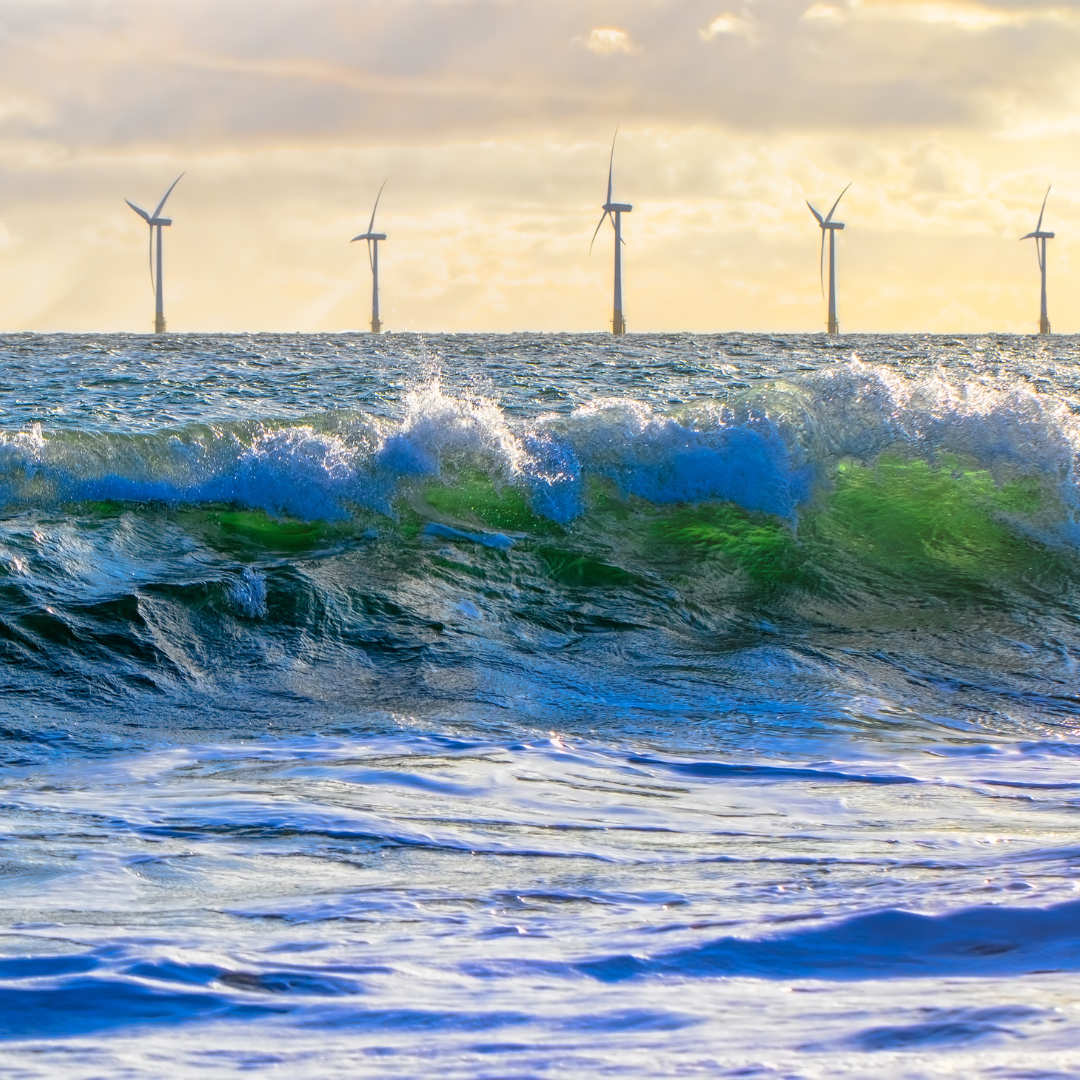
As awareness of the importance of renewable energy continues to grow, ocean wave energy is gaining attention. Ocean waves, which are formed by the wind’s impact on the sea surface, contain vast amounts of potential energy. This article will explore various technologies used to convert wave energy into electricity and the potential for its implementation in the future. Wave Energy Conversion Technologies Several types of technologies have been developed to convert wave energy into electricity, including: Potential and Challenges Ocean wave energy has significant potential as a renewable energy source. Some of its advantages include: However, the use of wave energy also faces several challenges, including: Implementation in Indonesia With its long coastline, Indonesia has vast potential to develop wave energy. Several regions in Indonesia have conducted research and development related to this technology. However, to reach a commercial scale, stronger policy support and greater investment are needed. Ocean wave energy is a promising source of renewable energy. With the continued development of technology and appropriate policy support, wave energy can significantly contribute to meeting the world’s increasing energy demands. Source: https://ftmm.unair.ac.id/pemanfaatan-nanoteknologi-untuk-pembangkit-energi-listrik-tenaga-gelombang-laut/

Benefits of Floating Solar Panels on Water

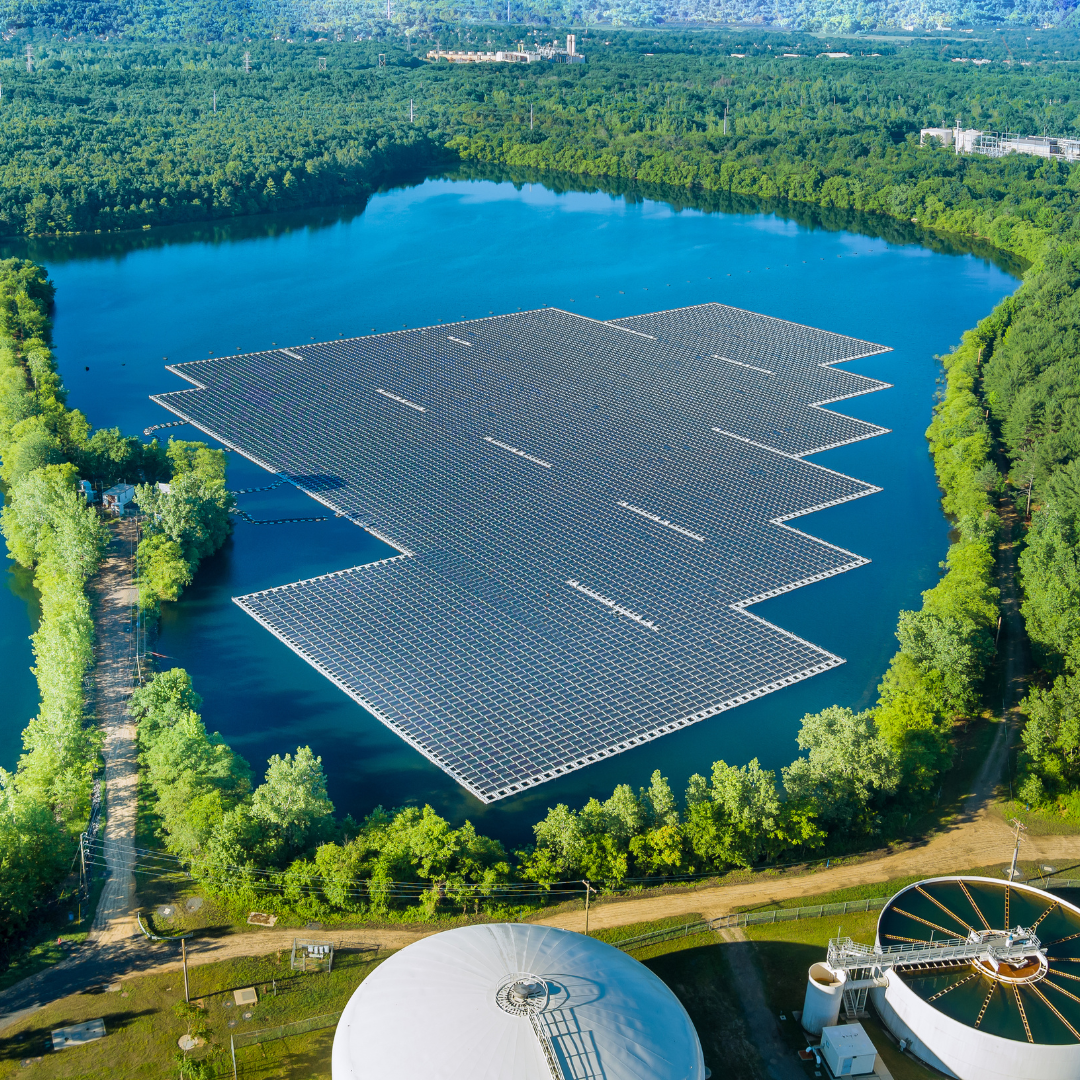
Floating solar panels are a recent innovation in solar energy use that is gaining popularity. By installing solar panels on water surfaces like lakes, reservoirs, or seas, we can maximize solar energy potential while offering multiple environmental and societal benefits. What are Floating Solar Panels? Floating solar panels are solar power generation systems installed on floating structures above water surfaces. These solar modules capture sunlight and convert it into electricity. Benefits of Floating Solar Panels High Efficiency: Environmentally Friendly: Disaster Resilience: Economic Potential: Challenges and Considerations Despite many benefits, floating solar panel development faces several challenges, including: Floating solar panels provide an innovative and sustainable solution to meet growing energy demands. With the numerous benefits offered, this technology has significant potential to transform how we produce and consume energy. Source : https://universitaspertamina.ac.id/berita/detail/panel-surya-terapung-terobosan-baru-untuk-energi-bersih

Wastewater Treatment Technology for Energy: A Greener Future

Why Can Wastewater Become Energy? Wastewater contains large amounts of organic matter that can be broken down by microorganisms. This decomposition process produces methane gas, which is the main component of biogas. Biogas can be harnessed as a fuel to generate electricity or heat. The Process of Turning Wastewater into Energy In general, the process of converting wastewater into energy involves several stages: Supporting Technologies Several technologies play a key role in the conversion of wastewater into energy, including: Benefits of Wastewater-to-Energy Treatment Challenges and the Future Despite its great potential, wastewater-to-energy technology still faces some challenges, such as high initial investment costs, suboptimal efficiency, and limitations in scaling up. However, with ongoing research and development, it is expected that this technology will continue to advance and make a significant contribution to addressing energy and environmental issues. Sumber : https://www.esdm.go.id/id/media-center/arsip-berita/pengolahan-limbah-menjadi-sumber-energi

Renewable Energy and Behavior Change: The Key to a Sustainable Future

The Importance of Behavior Change Behavior Change Strategies Challenges and Solutions Sumber : Krisis Energi Global: Singkat mengenai permasalahan energi fosil yang semakin menipis dan dampaknya terhadap lingkungan.

Can Ocean Waves Become Electricity? Cool!

Have you ever played at the beach and felt the big waves? It turns out that these ocean waves contain a huge amount of energy! This energy can be used to generate electricity. How does that work? Let’s find out! What is a Wave Power Plant? A wave power plant (WPP) is a technology that harnesses energy from ocean waves to generate electricity. Imagine, the rising and falling waves can move turbines and generate electricity, just like wind moves windmills. How Does It Work? There are many ways to convert wave energy into electricity, but generally, the working principle is as follows: Why Do We Need Wave Power Plants? Challenges in Developing WPP Although it has great potential, the development of WPP still faces some challenges, such as: Examples of WPP Around the World Countries like Portugal, Scotland, and Japan have already started developing WPP. They use various types of technology, from simple to very complex systems. The Future of WPP WPP has enormous potential to meet future energy needs. With the continuous development of technology and support from various parties, WPP could become one of the world’s primary energy sources. What Can We Do? Let’s support the development of clean energy to keep our planet healthy! References: Got any other questions? Just ask! Topics you might find interesting to discuss next:

UI Greenmetric 2021: Universitas Teknokrat Indonesia The Best Private Universities in Sumatera

Universitas Teknokrat Indonesia undoubtedly performed very well in its first participation on UI-Greenmetric World University Ranking in 2021. Universitas Teknokrat Indonesia so-called UTI, has been ranked 45th as the best Indonesian University and the 2nd best Private Universities in Sumatera. This ranking is calculated based on the total performance score of six aspects including setting and infrastructure, energy and climate change, waste, water, transportation, education and research. UI-Greenmetric World University Rank is a world university rank focusing on universities’ performance on achieving sustainable development goals. While the whole number of universities participated in this rank is 957, UTI has successfully claimed the 477th position as the best university in the world based on this ranking system. The Vice Rector, Dr. Mahathir Muhammad said that Universitas Teknokrat Indonesia will strive to build academic system that supports research and education done by lecturers and students to achieve the global sustainable development goals. UTI has now been expanding its area and establish green environment to reduce both air and water pollution. In this pandemic situation, it is also worth noticing that UTI has supported local government to reduce the widespread of COVID-19 and become the center of vaccination for people in Bandar Lampung. In addition, UTI has established strategic policy to create system to reduce the use of plastic and paper at campus. With the implementation of “green campus” UTI has started to plant hundreds of new trees every year. View overall UIGreenmetric World University Ranking here

Scroll to top