
Ocean Wave Energy: Technology and Implementation for a Sustainable Future
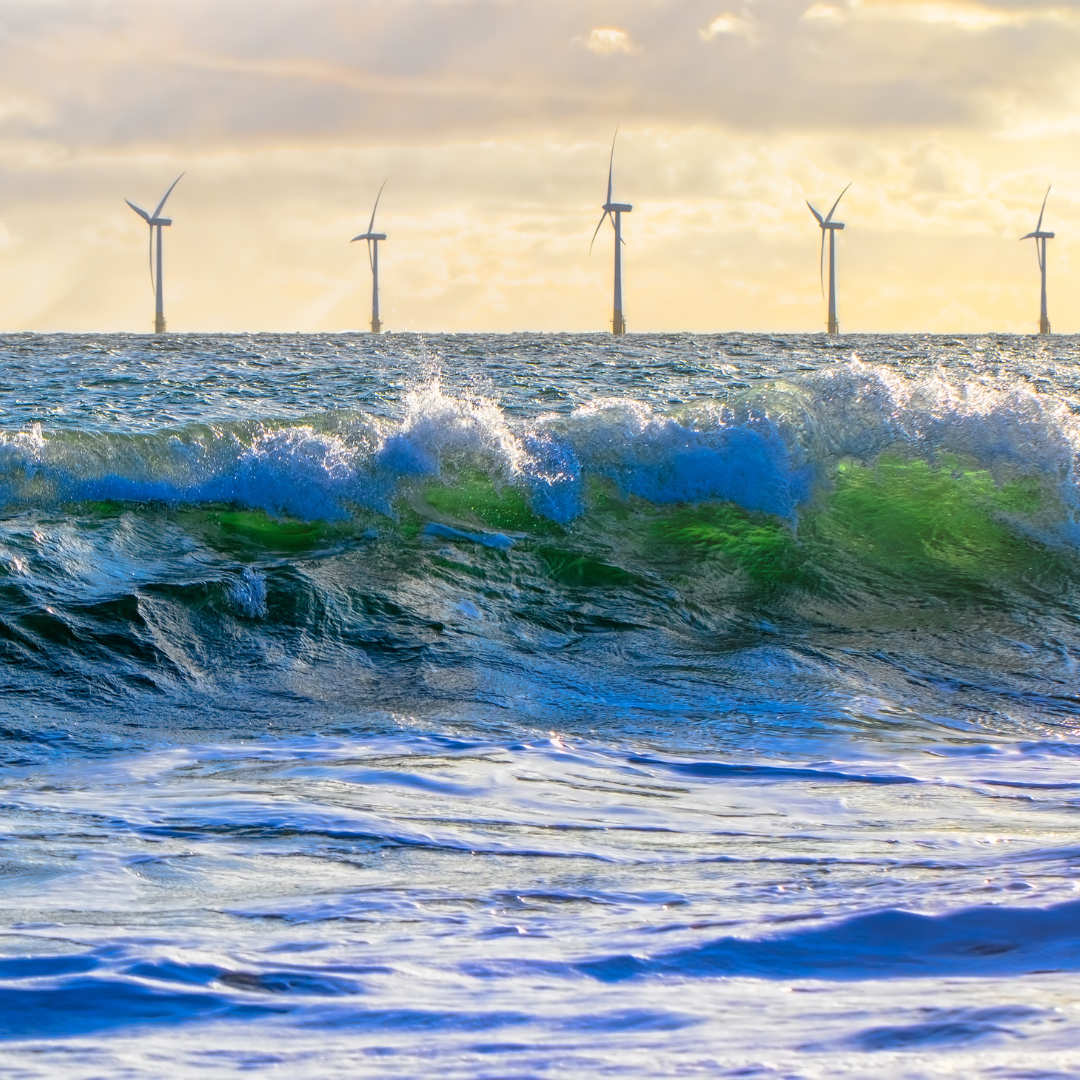
As awareness of the importance of renewable energy continues to grow, ocean wave energy is gaining attention. Ocean waves, which are formed by the wind’s impact on the sea surface, contain vast amounts of potential energy. This article will explore various technologies used to convert wave energy into electricity and the potential for its implementation in the future.
Wave Energy Conversion Technologies
Several types of technologies have been developed to convert wave energy into electricity, including:
- Overtopping Devices: These devices use the waves to funnel seawater into a reservoir located above sea level. The height difference between the water levels is then used to drive a turbine and generate electricity.
- Buoy: A buoy or floating device equipped with mechanical systems moves up and down with the waves. This motion is then converted into electrical energy through a generator.
- Oscillating Water Columns: This technology uses air cavities within a partially submerged structure. Waves cause the air to compress and expand, driving turbines to generate electricity.
- Linear Devices: These devices resemble long buoys that move up and down with the waves. The motion is converted into electrical energy through a mechanical system.
Potential and Challenges
Ocean wave energy has significant potential as a renewable energy source. Some of its advantages include:
- Availability: Wave energy is available continuously in coastal regions.
- Sustainability: Wave energy does not produce greenhouse gas emissions.
- Predictability: Wave patterns can be predicted with reasonable accuracy.
However, the use of wave energy also faces several challenges, including:
- Cost: The initial investment required to build wave energy power plants is still relatively high.
- Corrosion: Devices exposed to seawater continuously are vulnerable to corrosion.
- Environmental Impact: Installing devices in the ocean can potentially disrupt marine ecosystems.
Implementation in Indonesia
With its long coastline, Indonesia has vast potential to develop wave energy. Several regions in Indonesia have conducted research and development related to this technology. However, to reach a commercial scale, stronger policy support and greater investment are needed.
Ocean wave energy is a promising source of renewable energy. With the continued development of technology and appropriate policy support, wave energy can significantly contribute to meeting the world’s increasing energy demands.