

Tidal Energy Technology: The Future of Clean Energy
In the search for clean and sustainable alternative energy sources, the world is increasingly turning its attention to the potential of ocean energy. One promising source of ocean energy is tidal energy. Tidal energy is generated from the rise and fall of sea levels caused by the gravitational forces of the moon and the sun. The kinetic energy from this movement of water can then be converted into electrical energy.
How Does Tidal Energy Technology Work?
In simple terms, tidal energy technology harnesses the difference in sea level height during high and low tides. There are several common methods used to capture this energy, including:
- Tidal Barrage: This method involves building a large dam at the mouth of a river or bay. During high tide, water fills the area behind the dam. When the tide recedes, the water flows through turbines installed on the dam, generating electricity.
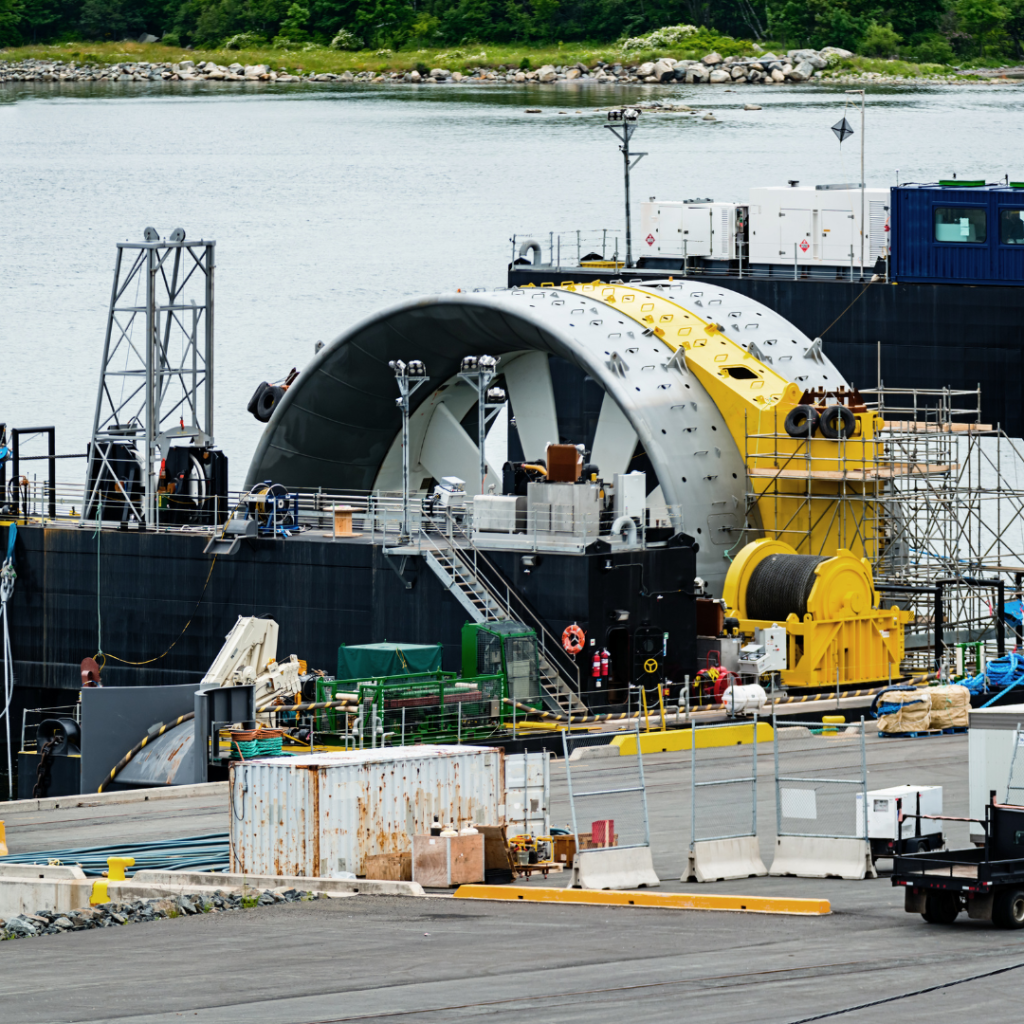
- Tidal Turbine: These turbines are placed beneath the surface of the water and rotate when tidal currents flow through them. The design is similar to windmills, but they are adapted to operate underwater.
- Tidal Fence: A tidal fence consists of a series of vertically mounted turbines along the coastline. As the tide rises or falls, water flows through these turbines, causing them to rotate and generate power.
Advantages of Tidal Energy
- Renewable: Tidal energy is a renewable energy source that will not run out.
- Predictability: The timing of tides is highly predictable, making energy production easy to plan.
- Reliability: Tidal energy can be generated continuously as long as there is a difference in sea level.
- Environmentally Friendly: Tidal power plants do not produce greenhouse gas emissions.
Challenges and Recent Developments
Despite its great potential, the development of tidal energy technology still faces several challenges, such as:
- High Investment Costs: The construction of infrastructure such as dams and turbines requires substantial investment.
- Environmental Impact: Building tidal barrages can disrupt marine ecosystems and fish migration patterns.
- Location Limitations: Not all coastal areas have sufficient tidal energy potential.
However, researchers and developers continue to work on overcoming these challenges. Some recent advancements in tidal energy technology include:
- Improved Turbine Efficiency: Turbine designs are continually being developed to enhance energy conversion efficiency.
- Corrosion-Resistant Materials: The use of materials resistant to seawater corrosion is crucial to ensure the longevity of turbines.
- Energy Storage Systems: The development of energy storage systems will allow for more flexible use of tidal energy.
Tidal energy holds significant potential to become a major source of clean energy in the future. With ongoing research and development, tidal energy technology is expected to continue advancing and make a significant contribution to solving global energy challenges.
Source : (https://id.wikipedia.org/wiki/Energi_pasang_surut)