Author : green Teknokrat

Wastewater Treatment Technology for Energy: A Greener Future

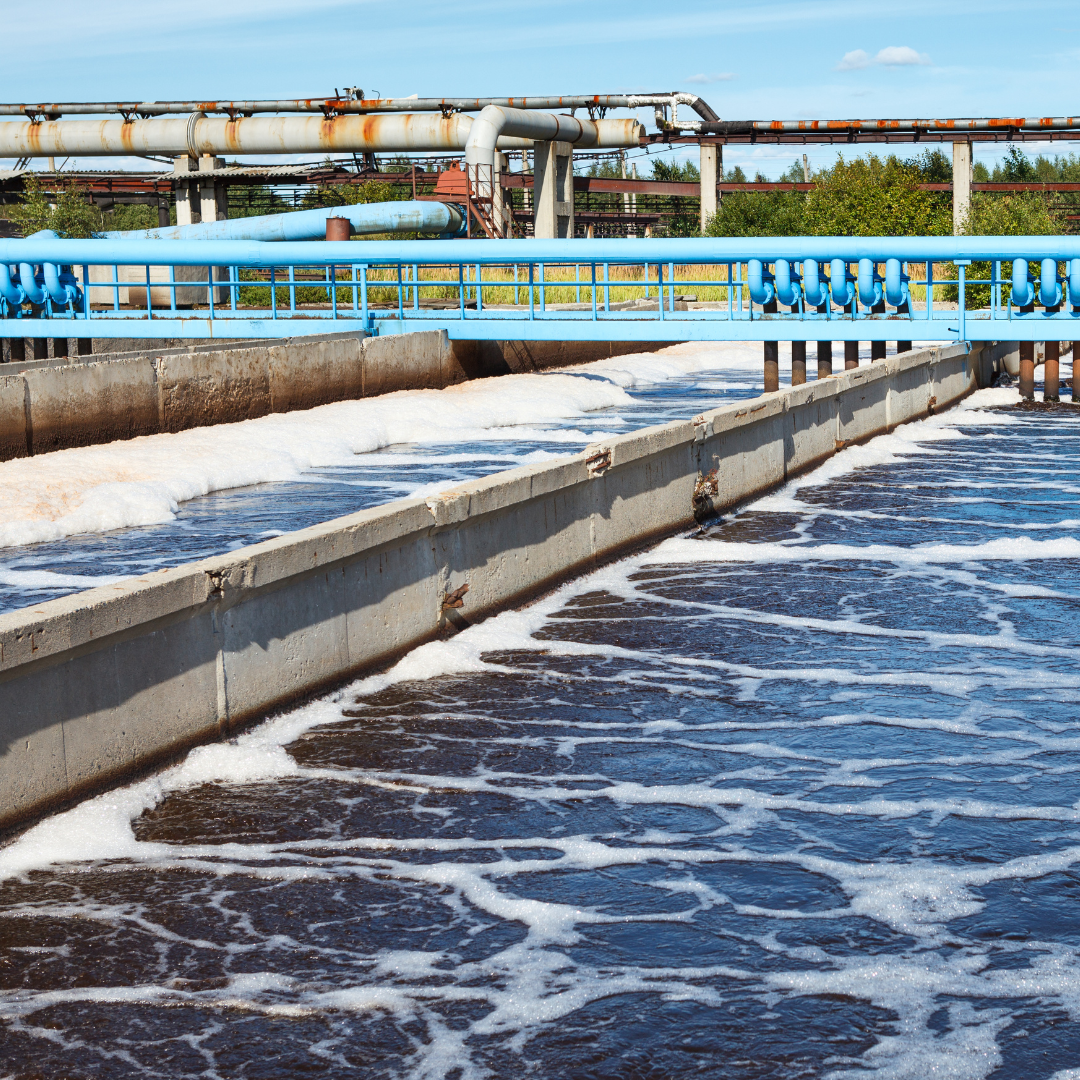
Why Can Wastewater Become Energy? Wastewater contains large amounts of organic matter that can be broken down by microorganisms. This decomposition process produces methane gas, which is the main component of biogas. Biogas can be harnessed as a fuel to generate electricity or heat. The Process of Turning Wastewater into Energy In general, the process of converting wastewater into energy involves several stages: Supporting Technologies Several technologies play a key role in the conversion of wastewater into energy, including: Benefits of Wastewater-to-Energy Treatment Challenges and the Future Despite its great potential, wastewater-to-energy technology still faces some challenges, such as high initial investment costs, suboptimal efficiency, and limitations in scaling up. However, with ongoing research and development, it is expected that this technology will continue to advance and make a significant contribution to addressing energy and environmental issues. Sumber : https://www.esdm.go.id/id/media-center/arsip-berita/pengolahan-limbah-menjadi-sumber-energi

Carbon Emission Reduction Strategies: Concrete Steps Toward a Greener Future

What are Carbon Emissions? Carbon emissions refer to the release of carbon dioxide (CO2) gas into the atmosphere. This CO2 acts as a blanket that traps the sun’s heat in the atmosphere, causing the Earth’s temperature to rise. Why is Reducing Carbon Emissions Important? Reducing carbon emissions is crucial for: Carbon Emission Reduction Strategies There are many ways to reduce carbon emissions, both on an individual and industrial scale. Here are some strategies that can be implemented: What Can You Do? Sumber : Kementerian Lingkungan Hidup dan Kehutanan Republik Indonesia

Renewable Energy and Behavior Change: The Key to a Sustainable Future

The Importance of Behavior Change Behavior Change Strategies Challenges and Solutions Sumber : Krisis Energi Global: Singkat mengenai permasalahan energi fosil yang semakin menipis dan dampaknya terhadap lingkungan.

Applying Circular Principles in Energy: Moving Towards a Sustainable Future

The global energy and environmental crises are urging us to seek innovative and sustainable solutions. One promising approach is the application of circular economy principles in the energy sector. This concept focuses on maximizing the value of energy resources throughout their lifecycle, from extraction to disposal. Understanding Circular Principles in Energy Circular principles in energy revolve around three main pillars: Applying Circular Principles in Practice Benefits of Applying Circular Principles in Energy Challenges and Solutions Applying circular principles in energy is a crucial step towards a more sustainable future. By using energy resources efficiently, developing renewable energy technologies, and recycling energy, we can tackle the increasingly complex energy and environmental challenges. Sumber : Laporan IEA: International Energy Agency (IEA) secara rutin menerbitkan laporan tentang tren dan perkembangan energi global, termasuk penerapan prinsip sirkular.

Government Initiatives Towards Clean Energy: A Step Forward for Indonesia

The increasingly urgent climate crisis has driven various countries, including Indonesia, to shift towards cleaner and more sustainable energy sources. The Indonesian government has taken several significant steps to promote this energy transition. This article reviews some of the key initiatives that the government has undertaken and is currently pursuing to create a greener energy future. State-Owned Enterprises (SOEs) as Pioneers Supporting Government Policies Flagship Programs Challenges and OpportunitiesAlthough significant progress has been made, there are still several challenges to overcome, such as limited infrastructure, high investment costs, and a shortage of skilled human resources. On the other hand, the energy transition also opens up enormous business opportunities for the private sector. The government’s efforts to promote the transition to cleaner and more sustainable energy sources are crucial steps in addressing climate change and achieving sustainable development goals. With support from all stakeholders, Indonesia has significant potential to become a leader in the energy transition in Southeast Asia. Sumber : Kementerian Energi dan Sumber Daya Mineral (ESDM)

Renewable Energy and Cross-Sector Collaboration: The Key to a Sustainable Future

IntroductionClimate change and the depletion of fossil resources are driving the world to shift toward cleaner and more sustainable energy sources. Renewable energy, such as solar, wind, water, and biomass, offers promising solutions to address global energy challenges. However, the transition to renewable energy requires more than just technology. Cross-sector collaboration is key to accelerating the adoption of clean energy and achieving sustainable development goals. Why is Cross-Sector Collaboration Important? Examples of Successful Cross-Sector Collaboration Challenges and OpportunitiesAlthough cross-sector collaboration offers many benefits, several challenges need to be addressed, such as: However, these challenges also present opportunities for innovation and the development of new solutions. Cross-sector collaboration can drive the creation of innovative business models, the development of new technologies, and the creation of green jobs. ConclusionCross-sector collaboration is crucial for achieving a sustainable future. By working together, we can accelerate the transition to renewable energy, reduce greenhouse gas emissions, and create a more just and prosperous society. Source: IRENA: International Renewable Energy Agency (https://www.irena.org/)

Renewable Energy: Investment for Future Generations

Climate Change and the Urgency of Clean Energy Climate change has become a real threat to life on Earth. Rising global temperatures, extreme weather events, and rising sea levels are just some of the impacts we are already experiencing. One of the main causes of climate change is greenhouse gas emissions from the burning of fossil fuels. To address this issue, the transition to clean energy has become increasingly urgent. Renewable energy, such as solar, wind, water, and biomass, offers a sustainable solution. Not only is renewable energy environmentally friendly, but it also has the potential to create new jobs and drive economic growth. Why Investing in Renewable Energy is So Important? Renewable Energy Potential in Indonesia Indonesia has enormous renewable energy potential, including solar, wind, water, geothermal, and biomass. Several regions in Indonesia, such as East Nusa Tenggara and South Sulawesi, have high wind energy potential. Meanwhile, Java and Bali have significant solar energy potential. Challenges and Solutions Despite the vast renewable energy potential in Indonesia, there are still several challenges to overcome, including: To address these challenges, collaboration between the government, private sector, and the public is necessary. The government can provide support through policies that encourage renewable energy development, while the private sector can play a role as investors and project developers. The public can also contribute by adopting renewable energy in their homes. Investing in renewable energy is an investment in a better future. By harnessing its renewable energy potential, Indonesia can contribute to global efforts to combat climate change and build a more sustainable future. Source: Research reports from universities and research institutions: Latest findings on renewable energy technologies and potential. Sumber : Laporan-laporan penelitian dari universitas dan lembaga penelitian: Temuan-temuan terbaru mengenai teknologi dan potensi energi terbarukan.

Energy and National Resilience: Strategies and Policies

The Relationship between Energy and National Resilience Energy as an Engine of Economic Growth: Energy is a critical input across various economic sectors, from industry and transportation to households. Economic dependence on energy means that disruptions in energy supply can have a significant impact on economic growth. Energy and Political Stability: Insufficient energy supply or high fluctuations in energy prices can trigger social and political instability. History has recorded numerous instances of conflicts driven by the competition for energy resources. Energy and National Security: Dependence on energy imports can make a country vulnerable to political pressure from energy-producing nations. Additionally, vital energy infrastructure can become a target during armed conflicts. Strategies to Enhance Energy Resilience National Energy Policy Challenges and Opportunities Sumber : Direktorat Jenderal EBTKE: https://ebtke.esdm.go.id/

Current Energy: Public Awareness and Education for a Sustainable Future

The Importance of Public AwarenessPublic awareness of the importance of renewable energy and the impact of fossil fuel use is the foundation for the changes we hope to achieve. By understanding energy issues, the public can: Education as the KeyEducation plays a crucial role in raising public awareness. Some educational efforts that can be undertaken include: Challenges and SolutionsAlthough public awareness is growing, there are still several challenges that need to be addressed, such as: To overcome these challenges, cooperation between the government, the private sector, and the public is necessary. Some solutions that can be implemented include: Sumber : https://www.umy.ac.id/kesadaran-masyarakat-indonesia-akan-krisis-energi-masih-kurang

Current Energy: Public Awareness and Education for a Sustainable Future

The Importance of Public AwarenessPublic awareness of the importance of renewable energy and the impact of fossil fuel use is the foundation for the changes we hope to see. By understanding energy issues, the public can: Education as the KeyEducation plays a crucial role in raising public awareness. Some educational efforts that can be made include: Challenges and SolutionsAlthough public awareness is growing, several challenges still need to be addressed, such as: To overcome these challenges, collaboration between the government, private sector, and society is needed. Some solutions that can be implemented include: Sumber : https://www.umy.ac.id/kesadaran-masyarakat-indonesia-akan-krisis-energi-masih-kurang

Scroll to top