

Applying Circular Principles in Energy: Moving Towards a Sustainable Future
The global energy and environmental crises are urging us to seek innovative and sustainable solutions. One promising approach is the application of circular economy principles in the energy sector. This concept focuses on maximizing the value of energy resources throughout their lifecycle, from extraction to disposal.
Understanding Circular Principles in Energy
Circular principles in energy revolve around three main pillars:
- Energy Efficiency:
- Smart Energy Use: Implementing energy-saving technologies in various sectors, such as buildings, industry, and transportation.
- Optimization of Production Processes: Enhancing the efficiency of energy production processes to reduce waste and emissions.
- Renewable Energy:
- Utilization of Natural Resources: Harnessing renewable energy sources like solar, wind, water, and biomass.
- Technology Development: Supporting the development of more efficient and affordable renewable energy technologies.
- Energy Recycling:
- Energy Recovery from Waste: Converting industrial and domestic waste into new energy sources.
- Geothermal Utilization: Using geothermal heat as a sustainable energy source.
Applying Circular Principles in Practice
- Electricity Generation Sector:
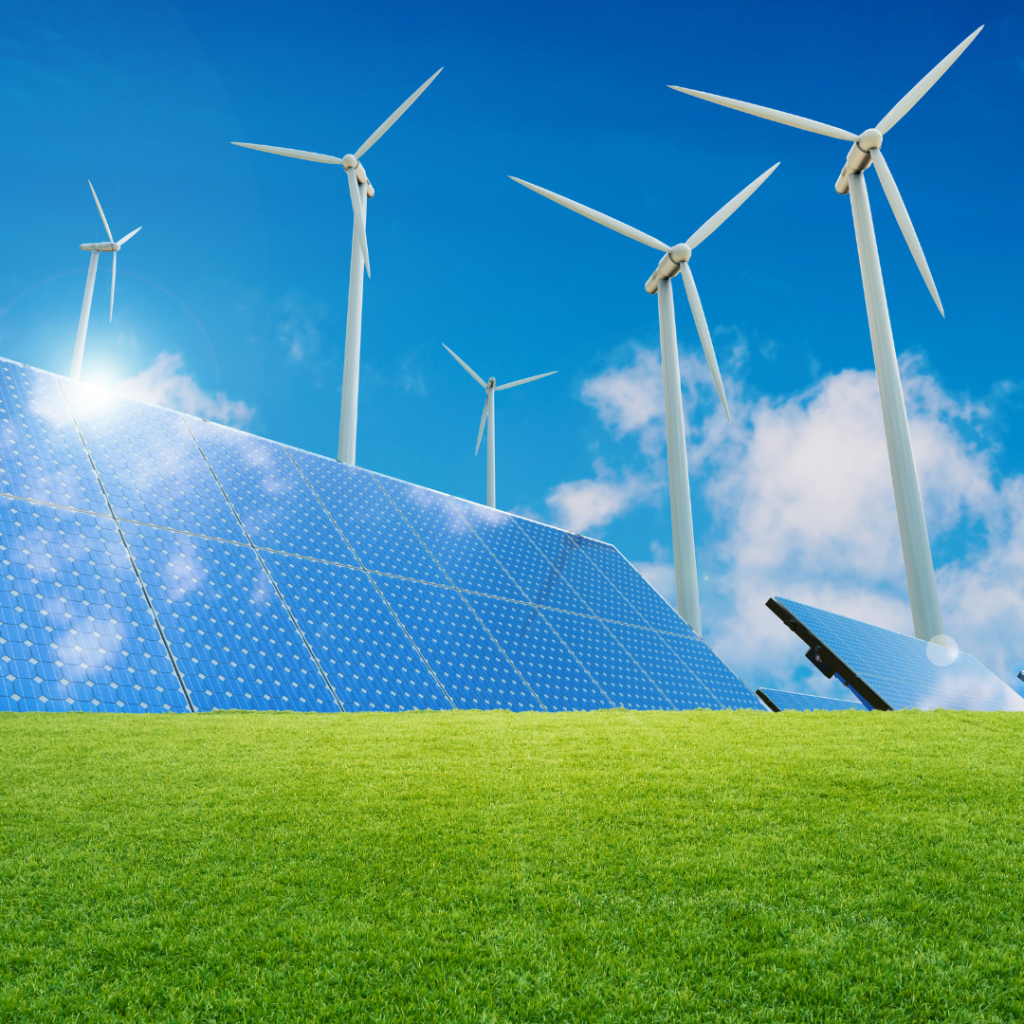
- Solar Power Plants: Utilizing solar panels to generate electricity.
- Wind Power Plants: Using wind turbines to produce electricity.
- Hydropower Plants: Harnessing kinetic energy from water to generate electricity.
- Transportation Sector:
- Electric Vehicles: Replacing fossil fuel vehicles with electric ones.
- Public Transportation: Encouraging the use of efficient public transport.
- Building Sector:
- Green Buildings: Designing energy-efficient buildings that utilize renewable energy.
- Efficient Heating and Cooling Systems: Using more efficient technologies to control indoor temperatures.
Benefits of Applying Circular Principles in Energy
- Climate Change Mitigation: Reducing greenhouse gas emissions and slowing global warming.
- Energy Independence: Reducing reliance on limited fossil fuel resources.
- Economic Growth Stimulation: Creating new jobs and driving technological innovation.
- Improved Quality of Life: Providing access to clean and affordable energy for communities.
Challenges and Solutions
- High Initial Investment Costs: Implementing renewable energy technologies often requires significant investment.
- Infrastructure Limitations: Adequate infrastructure development is needed to support renewable energy use.
- Government Policies: Supportive policies and attractive incentives are necessary to promote the adoption of circular principles.
Applying circular principles in energy is a crucial step towards a more sustainable future. By using energy resources efficiently, developing renewable energy technologies, and recycling energy, we can tackle the increasingly complex energy and environmental challenges.
Sumber : Laporan IEA: International Energy Agency (IEA) secara rutin menerbitkan laporan tentang tren dan perkembangan energi global, termasuk penerapan prinsip sirkular.