
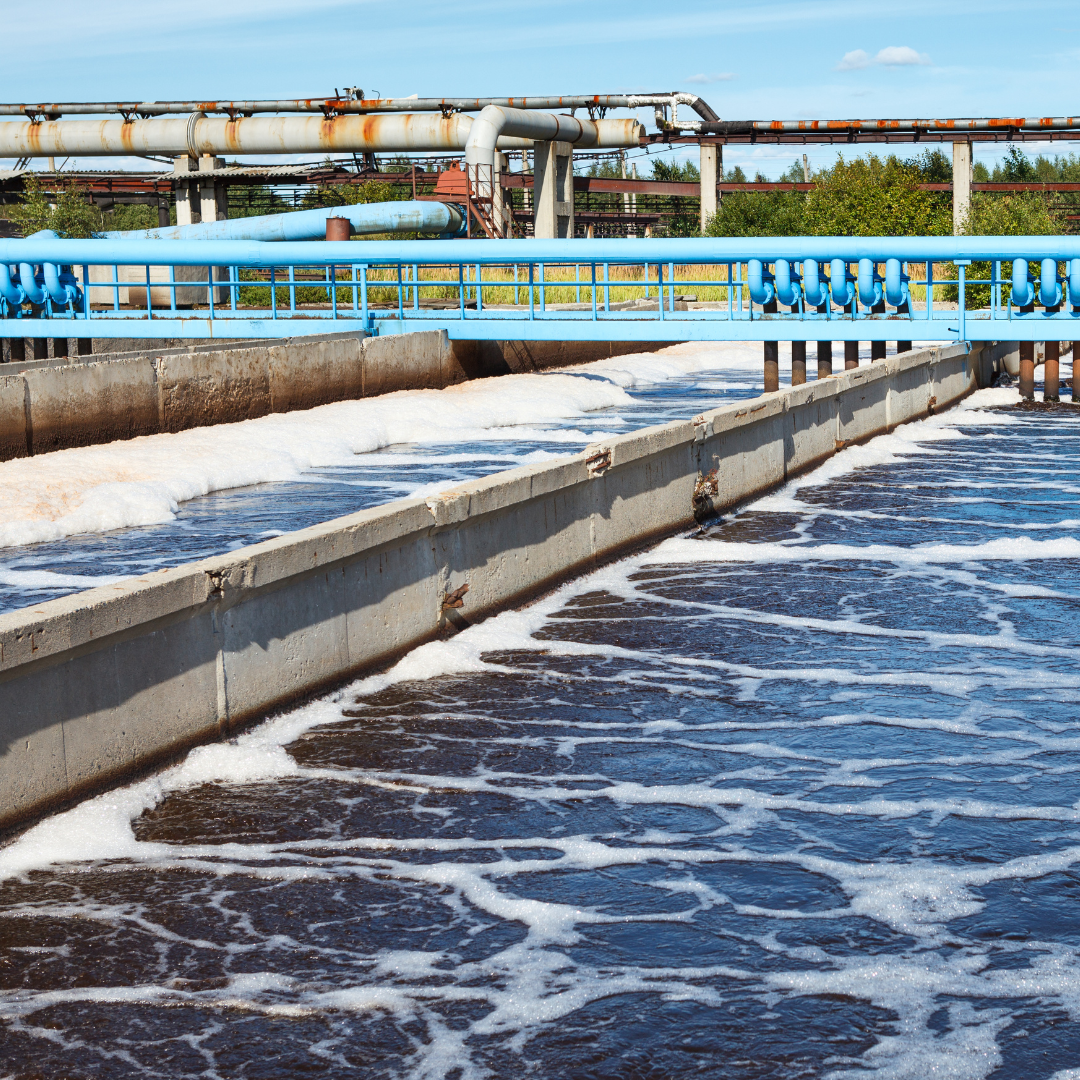
Wastewater Treatment Technology for Energy: A Greener Future
Why Can Wastewater Become Energy?
Wastewater contains large amounts of organic matter that can be broken down by microorganisms. This decomposition process produces methane gas, which is the main component of biogas. Biogas can be harnessed as a fuel to generate electricity or heat.
The Process of Turning Wastewater into Energy
In general, the process of converting wastewater into energy involves several stages:
- Collection and Preliminary Treatment: Wastewater is collected and initially treated to remove large solid materials.
- Anaerobic Digestion: The treated wastewater is then introduced into an anaerobic reactor. In the reactor, anaerobic bacteria break down organic matter in the absence of oxygen, producing biogas.
- Biogas Processing: The produced biogas is then processed to remove impurities and increase its methane content.
- Utilization of Biogas: Cleaned biogas can be used for various purposes, such as:
- Power Generation: Biogas is burned in power generators to produce electricity.
- Vehicle Fuel: Biogas can be used as an alternative fuel for vehicles.
- Heating: Biogas can be used to generate heat for domestic or industrial purposes.
Supporting Technologies
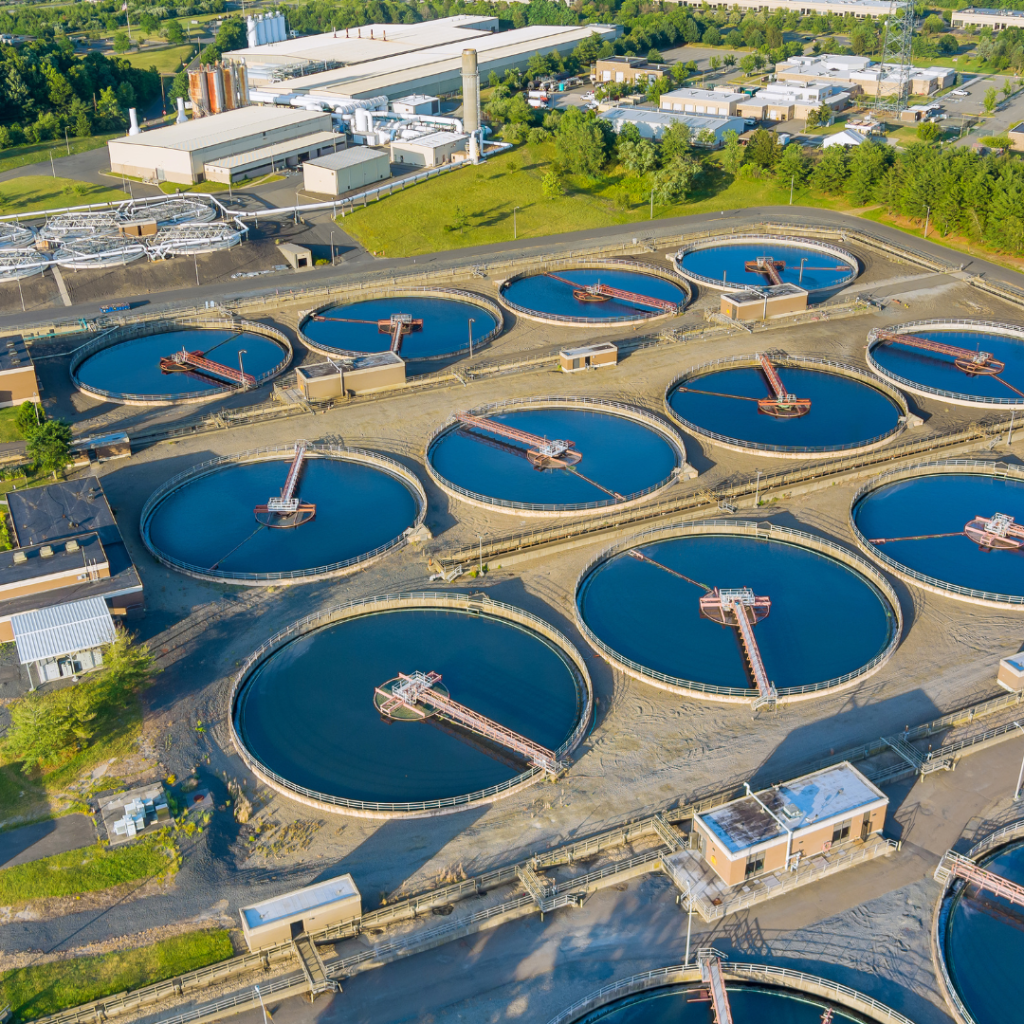
Several technologies play a key role in the conversion of wastewater into energy, including:
- Anaerobic Reactors: There are different types of anaerobic reactors, such as Continuous Stirred Tank Reactors (CSTR), Plug Flow Reactors (PFR), and Anaerobic Membrane Reactors (AMR).
- Digesters: A digester is a closed container where the anaerobic digestion process takes place.
- Generators: A generator converts the mechanical energy from biogas combustion into electrical energy.
- Biogas Purification Systems: These systems clean the biogas of impurities and enhance its quality.
Benefits of Wastewater-to-Energy Treatment
- Clean Energy: Biogas is a renewable, clean, and environmentally friendly energy source.
- Reduction of Greenhouse Gas Emissions: By using biogas, we can reduce greenhouse gas emissions that are generated from the combustion of fossil fuels.
- Effective Waste Treatment: The process of converting wastewater into energy helps reduce the environmental pollution burden.
- Energy Independence: Communities or industries can generate their own energy from the waste they produce.
Challenges and the Future
Despite its great potential, wastewater-to-energy technology still faces some challenges, such as high initial investment costs, suboptimal efficiency, and limitations in scaling up. However, with ongoing research and development, it is expected that this technology will continue to advance and make a significant contribution to addressing energy and environmental issues.
Sumber : https://www.esdm.go.id/id/media-center/arsip-berita/pengolahan-limbah-menjadi-sumber-energi