
Author : green Teknokrat

Potential of Flywheel Technology in Energy Storage

In the era of the urgent energy transition, energy storage technology becomes key to ensuring a stable and efficient electricity supply. One promising technology is the flywheel. This technology has gained attention from experts and industries due to its significant potential in addressing energy storage challenges. What is a Flywheel? A flywheel is a mechanical device consisting of a heavy wheel that spins on its axis. When energy is applied, the wheel spins faster and stores energy in the form of kinetic energy. This energy can later be released back into the electrical system when needed. How Does a Flywheel Work? The working principle of a flywheel is based on the law of conservation of energy. As the wheel spins faster, the kinetic energy stored increases. Conversely, when the wheel slows down, the kinetic energy is released in the form of electrical energy. This process can be repeated multiple times, allowing the flywheel to function as a mechanical battery. Advantages of Flywheel Technology Potential Applications of Flywheels Challenges and Development of Flywheel Technology Despite its great potential, flywheel technology still faces some challenges, such as high production costs and energy storage capacity that is not yet on par with chemical batteries. However, with ongoing research and development, these challenges are expected to be overcome. Flywheel technology offers an exciting solution to the challenges of energy storage. With high efficiency, long lifespan, and broad application potential, flywheels could become an essential part of future energy systems. Source: Pullen K.R. Gravity Energy Storage

Impact of Renewable Energy on Climate Change: Solution or Just a Trend?

Climate change has become an increasingly urgent global issue. Global warming, rising sea levels, and extreme weather are some of the tangible impacts we face today. One approach to tackling this problem is to shift to renewable energy sources. But how significant is the positive impact of renewable energy on climate change? Let’s explore this further. Understanding Renewable Energy Renewable energy is derived from natural sources that can be replenished continuously. Some common examples of renewable energy include: Positive Impacts of Renewable Energy on Climate Change Renewable energy use has several positive impacts in efforts to combat climate change: Challenges and Considerations Despite its many benefits, renewable energy faces several challenges: The use of renewable energy is a crucial step in addressing climate change. By reducing greenhouse gas emissions and improving air quality, renewable energy offers hope for a more sustainable future. However, achieving this goal requires collaborative efforts from governments, industries, and communities. Source: International Energy Agency (IEA): [Insert link to IEA report or data on renewable energy].

Bright Prospects for Renewable Energy in Tropical Countries: Potential and Challenges

Tropical countries, with abundant sunlight and other natural resources, have great opportunities to harness renewable energy. This potential has drawn increasing attention as awareness grows about the importance of clean and sustainable energy. Renewable Energy Potential in Tropical Countries Challenges in Developing Renewable Energy Future Prospects With substantial potential and supportive policies, renewable energy could become the backbone of energy systems in tropical countries. Key benefits include: Renewable energy holds bright prospects in tropical countries. By harnessing their abundant natural resources, these countries can build a more sustainable future. Source: Central Bureau of Statistics (BPS): Data on natural resources and economic potential in tropical countries.

Benefits of Floating Solar Panels on Water

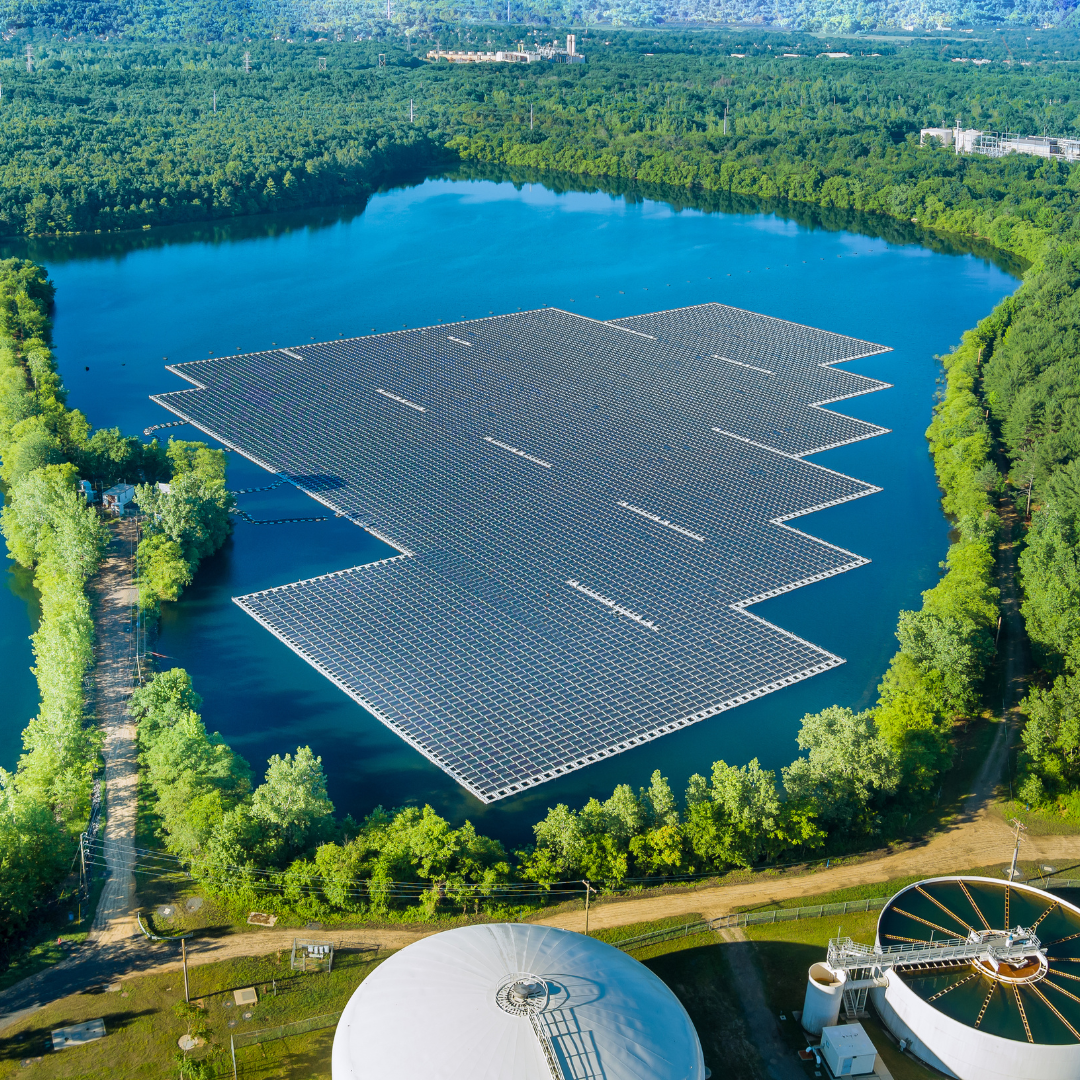
Floating solar panels are a recent innovation in solar energy use that is gaining popularity. By installing solar panels on water surfaces like lakes, reservoirs, or seas, we can maximize solar energy potential while offering multiple environmental and societal benefits. What are Floating Solar Panels? Floating solar panels are solar power generation systems installed on floating structures above water surfaces. These solar modules capture sunlight and convert it into electricity. Benefits of Floating Solar Panels High Efficiency: Environmentally Friendly: Disaster Resilience: Economic Potential: Challenges and Considerations Despite many benefits, floating solar panel development faces several challenges, including: Floating solar panels provide an innovative and sustainable solution to meet growing energy demands. With the numerous benefits offered, this technology has significant potential to transform how we produce and consume energy. Source : https://universitaspertamina.ac.id/berita/detail/panel-surya-terapung-terobosan-baru-untuk-energi-bersih

Environmental Impact of Wind Energy Infrastructure Development: A Review

Wind energy, one of the most promising sources of renewable energy, is increasingly being developed worldwide. The construction of wind energy infrastructure, such as large wind turbines, is expected to reduce dependence on fossil fuels and minimize greenhouse gas emissions. However, like any technology, wind energy infrastructure development also has environmental impacts that need to be considered. Positive Impacts Before discussing the negative impacts, it is important to highlight some positive effects of wind energy infrastructure development: Negative Impacts Despite its many benefits, the development of wind energy infrastructure also has some negative environmental impacts, including: Mitigating Negative Impacts To minimize the negative impacts of wind energy infrastructure development, several mitigation measures can be implemented, including: The development of wind energy infrastructure is an important step in the transition to clean energy. However, it is essential to recognize that every technology has environmental impacts that need consideration. With careful planning and appropriate mitigation measures, we can maximize the benefits of wind energy while minimizing its negative effects on the environment. Source : https://environment-indonesia.com/dampak-lingkungan-pembangkit-listrik-tenaga-angin/

Advancements in Perovskite Solar Cell Technology: The Future of Renewable Energy

Perovskite solar cells have emerged as one of the most promising innovations in renewable energy. With continually improving efficiency and increasingly affordable production costs, this technology has the potential to revolutionize how we generate electricity from sunlight. What is a Perovskite Solar Cell? A perovskite solar cell is a semiconductor device that converts sunlight into electrical energy. Its active material is perovskite, which has a specific crystal structure. This type of solar cell offers several advantages over traditional silicon solar cells, such as: Recent Advances in Perovskite Solar Cell Technology Significant progress has been made in developing perovskite solar cells in recent years, including: Future Challenges and Opportunities Despite rapid advancements, perovskite solar cell technology still faces some challenges, such as: However, with continued research and development, it is expected that these challenges can be overcome. The vast market potential for renewable energy will be a major driver for the advancement of perovskite solar cell technology in the future. Source : https://www.jgc-indonesia.com/id/news/218/sel-surya-jenis-perovskite-masa-depan-teknologi-fotovoltaik

Emission Reduction Policies for the Transportation Sector: Towards Sustainable Transportation

The transportation sector is one of the largest contributors to greenhouse gas emissions worldwide. Emissions from motor vehicles, both private and public, significantly contribute to climate change and air pollution. To address this issue, various countries around the world have implemented emission reduction policies specific to the transportation sector. Challenges in the Transportation Sector Emission Reduction Policies for the Transportation Sector To tackle the above challenges, various policies have been implemented, including: Policy Examples in Several Countries Opportunities and Future Challenges Implementing emission reduction policies in the transportation sector still faces various challenges, such as high costs, public resistance, and infrastructure limitations. However, there are also significant opportunities to develop the electric vehicle industry, create new jobs, and improve the quality of life. Reducing emissions in the transportation sector is an essential step in combating climate change. By implementing comprehensive and sustainable policies, we can achieve a cleaner and healthier future. Source: Ministry of Transportation of the Republic of Indonesia: [Add link to the relevant Ministry of Transportation website on transportation policies]

Utilization of Recycled Batteries in Energy Storage: A Greener Future

Battery technology is advancing rapidly, especially with the rise of electric vehicles and portable electronic devices. However, alongside this progress comes a new issue: battery waste. If not properly managed, used batteries can pollute the environment. But did you know that old batteries hold significant potential for reuse? One of the most promising applications is as energy storage media. Why Are Recycled Batteries Important? Utilization of Recycled Batteries in Energy Storage Recycled batteries still retain considerable energy storage capacity. Some of their applications include: Challenges and Opportunities While recycled batteries have great potential, several challenges must be addressed: However, as awareness of sustainability grows, new opportunities continue to emerge. Some tech companies have developed energy storage systems that utilize recycled batteries. Additionally, governments in various countries are issuing policies that support the development of the battery recycling industry. The use of recycled batteries in energy storage is a crucial step toward a more sustainable future. By continually developing technology and raising public awareness, we can maximize the potential of used batteries and reduce negative environmental impacts. Source : https://green.katadata.co.id/infografik/66e3e62064990/peluang-dan-tantangan-daur-ulang-baterai-ev

Solar Energy in Commercial Buildings: Moving Towards More Sustainable Structures

The use of solar energy in commercial buildings is becoming increasingly popular as a step towards more sustainable structures. By utilizing sunlight as the primary energy source, commercial buildings can reduce dependence on fossil fuels, lower operational costs, and contribute to environmental preservation. Benefits of Solar Energy Use in Commercial Buildings Challenges in Solar Energy Implementation Potential for Solar Energy Development in Commercial Buildings Case Study [Add case studies on the implementation of solar energy in commercial buildings in Indonesia or other countries. For example, look for information on office buildings or shopping centers that have successfully adopted this technology.] Solar energy offers a promising solution to reduce environmental impact and increase energy efficiency in commercial buildings. With support from the government, businesses, and the public, the use of solar energy in the commercial sector will continue to grow, contributing significantly to a more sustainable future. Source : https://properti.kompas.com/read/2017/09/29/175546721/pemanfaatan-energi-surya-di-gedung-komersial-masih-terbatas

Utilization of Energy from Waste Heat Systems: Untapped Potential

In an era where energy is becoming an increasingly valuable commodity and environmental issues are becoming more pressing, efficient energy utilization is becoming more important. One often overlooked source of energy is waste heat. Waste heat is generated from various industrial processes, power plants, and daily activities. However, this waste heat contains vast energy potential that can be utilized for various purposes. What is Waste Heat? Waste heat is the heat energy produced from a process but not directly used. This heat is then released into the environment, either through the air, water, or soil. Examples of sources of waste heat include: Potential of Waste Heat Utilization There are many potential uses for waste heat, including: Technologies for Waste Heat Utilization Some technologies that can be used to harness waste heat include: Challenges and Opportunities Although waste heat utilization has great potential, it still faces several challenges, such as: However, behind these challenges, there are significant opportunities. The utilization of waste heat can make a significant contribution to reducing greenhouse gas emissions, improving energy efficiency, and creating new jobs. Utilizing energy from waste heat systems is an important step towards a more sustainable future. By continuing to develop supporting technologies and policies, the potential of waste heat energy can be optimized to meet the growing energy demand. Source : https://www.atlascopco.com/id-id/compressors/air-compressor-blog/sumber-energi-panas

Scroll to top