Author : green Teknokrat

Bioenergy Potential from Industrial Plantation Forests: The Future of Sustainable Energy

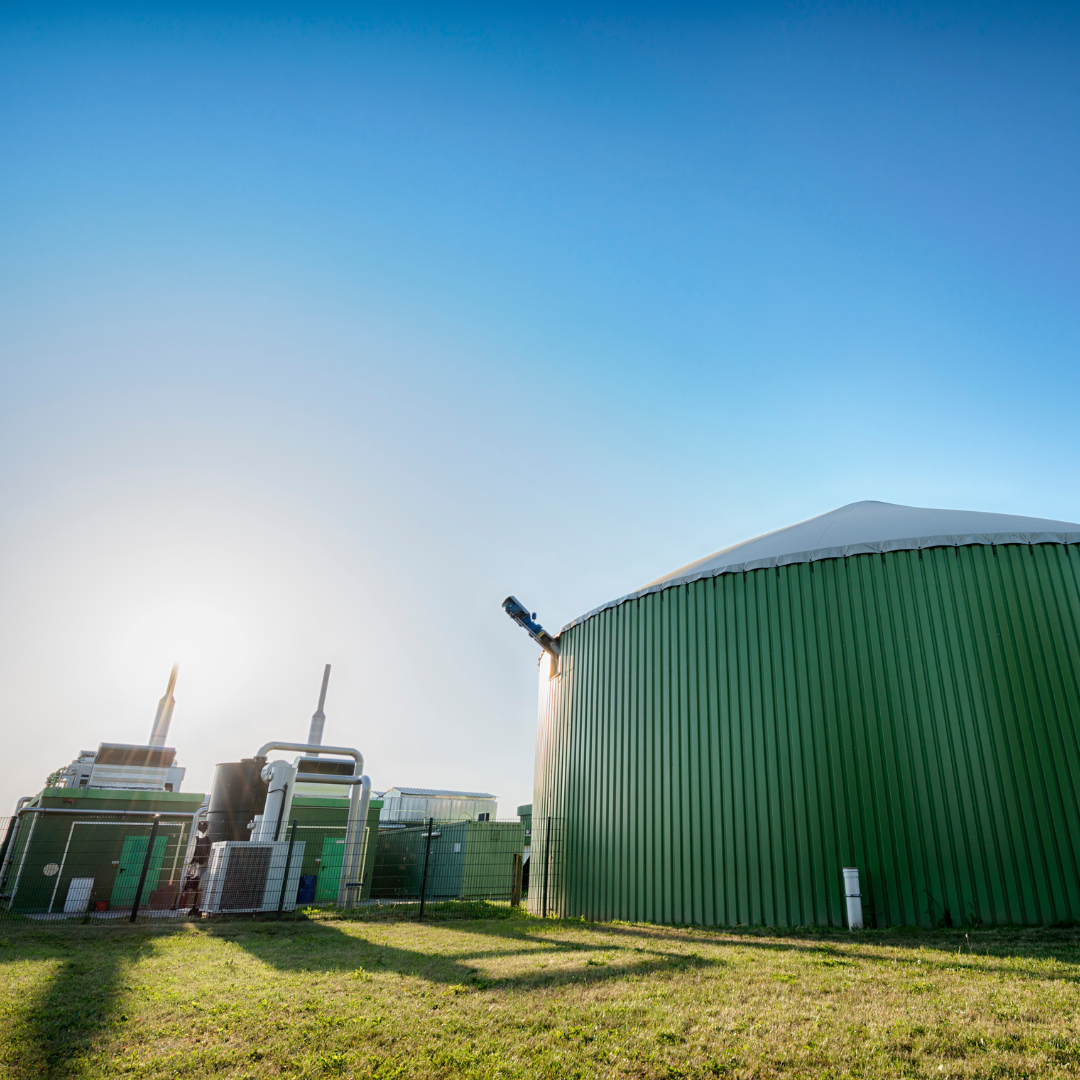
Amid the global energy crisis and growing awareness of environmental importance, the search for alternative energy sources has become increasingly urgent. One promising energy source is bioenergy, which is derived from biomass or organic materials. Industrial plantation forests (IPFs) have emerged as a significant biomass source for bioenergy development. What are Industrial Plantation Forests? Industrial plantation forests are intensively managed forest areas that produce wood and wood-based products. The species planted in IPFs are typically fast-growing and have short rotation cycles, allowing them to produce large amounts of biomass sustainably. Bioenergy Potential from IPFs Challenges in Developing Bioenergy from IPFs Industrial plantation forests hold great potential as a biomass source for bioenergy development. With proper management and supportive policies, IPF-based bioenergy can become a key component of sustainable energy solutions in the future. Source : http://pojokiklim.menlhk.go.id/read/biomassa-dari-hutan-tanaman-industri-sebagai-sumber-pembangkit-untuk-energi-bersih-di-indonesia

Renewable Energy: A Defense Against Disasters

Natural disasters are becoming more frequent and severe, with human-induced climate change being a major contributing factor. Amid this situation, renewable energy presents a promising solution to reduce disaster risk and build a more sustainable future. The Link Between Renewable Energy and Disaster Risk Reduction Examples of Renewable Energy in Disaster Risk Reduction Challenges and Opportunities While renewable energy has great potential for disaster risk reduction, several challenges remain, such as: Renewable energy plays a crucial role in disaster risk reduction efforts. By harnessing the potential of renewable energy, we can build more resilient and sustainable communities. Source: Solarkita. Understanding the Impact of Renewable Energy Utilization for a Healthier and More Sustainable Society.

Research on Renewable Energy Applications in the Healthcare Sector: Towards a More Sustainable Future

The healthcare sector, known as one of the largest energy consumers, is currently undergoing a transformation. Growing awareness of environmental sustainability has encouraged researchers and practitioners to seek innovative solutions, one of which is the use of renewable energy. This article will discuss various studies on renewable energy applications in healthcare, as well as the potential benefits. Challenges in the Healthcare Sector Potential for Renewable Energy in Healthcare Recent Research and Applications Benefits of Implementing Renewable Energy in Healthcare Challenges and Barriers Implementing renewable energy in the healthcare sector is a crucial step toward a more sustainable future. Although there are still challenges to overcome, the potential benefits are substantial. With support from the government, industry, and society, the healthcare sector can lead the transition to clean energy. Source: Scientific journals – Look up scientific articles discussing case studies of renewable energy applications in hospitals or healthcare facilities.

Renewable Energy and Habitat Restoration: Synergy for a Better Future

The escalating climate crisis urges us to seek sustainable solutions. One promising approach is the development of renewable energy alongside habitat restoration. These efforts complement each other and can create a powerful synergy for environmental conservation. Renewable Energy: More Than Just Electricity Renewable energy sources like solar, wind, and hydro offer clean, sustainable alternatives to fossil fuels. Beyond generating electricity, renewable energy development can contribute to habitat restoration. Habitat Restoration: Restoring Nature’s Balance Habitat restoration aims to return degraded ecosystems to their original or near-original conditions. This is crucial for preserving biodiversity, regulating microclimates, and protecting water resources. Synergy Between Renewable Energy and Habitat Restoration Renewable energy and habitat restoration have a mutually beneficial relationship. Challenges and Opportunities Although the potential synergy between renewable energy and habitat restoration is substantial, there are some challenges to overcome, such as: Renewable energy and habitat restoration are two sides of the same coin. Together, they create a strong synergy for environmental conservation. With the right policy support and active participation from all stakeholders, we can build a more sustainable future for generations to come. Source: IPCC Report: The Intergovernmental Panel on Climate Change report provides scientific data and analysis on climate change and its impacts.

Development of Renewable Energy Distribution Networks: Towards a Sustainable Future

Technological advancements and growing environmental awareness are driving the world to shift toward cleaner, more sustainable energy sources. Renewable energy, such as solar, wind, and hydro, is increasingly used to meet energy demands. However, the optimal utilization of renewable energy depends not only on resource availability but also on the adequacy of distribution network infrastructure. Challenges in Developing Renewable Energy Distribution Networks Developing renewable energy distribution networks faces several challenges, including: Opportunities and Solutions Despite these challenges, developing renewable energy distribution networks presents many opportunities: Some solutions to address the challenges in developing renewable energy distribution networks include: Building renewable energy distribution networks is a crucial step toward a more sustainable future. Despite the challenges, this sector offers immense opportunities. With the right investments, technological innovation, and robust policy support, Indonesia can become a leader in renewable energy development in Southeast Asia. Source : https://www.irena.org/

Innovation in Renewable Energy System Design: Towards a Greener Future

Climate change and the limitations of fossil resources are driving the world to shift towards cleaner and more sustainable energy sources. Renewable energy, such as solar, wind, and hydroelectric power, presents a promising solution. However, to fully harness the potential of renewable energy, continuous innovation in the design of energy systems is essential. Challenges in Developing Renewable Energy Systems Innovations in Renewable Energy System Design To address these challenges, various innovations are being developed, including: Innovation in renewable energy system design continues to advance rapidly, creating opportunities for a more sustainable future. By addressing current challenges and leveraging the latest technologies, we can accelerate the transition to clean energy and mitigate the effects of climate change. Source: Academic Journals: IEEE Transactions on Power Systems, Renewable and Sustainable Energy Reviews, Energy

Wind Energy Potential Research in Indonesia: A New Hope for Clean Energy

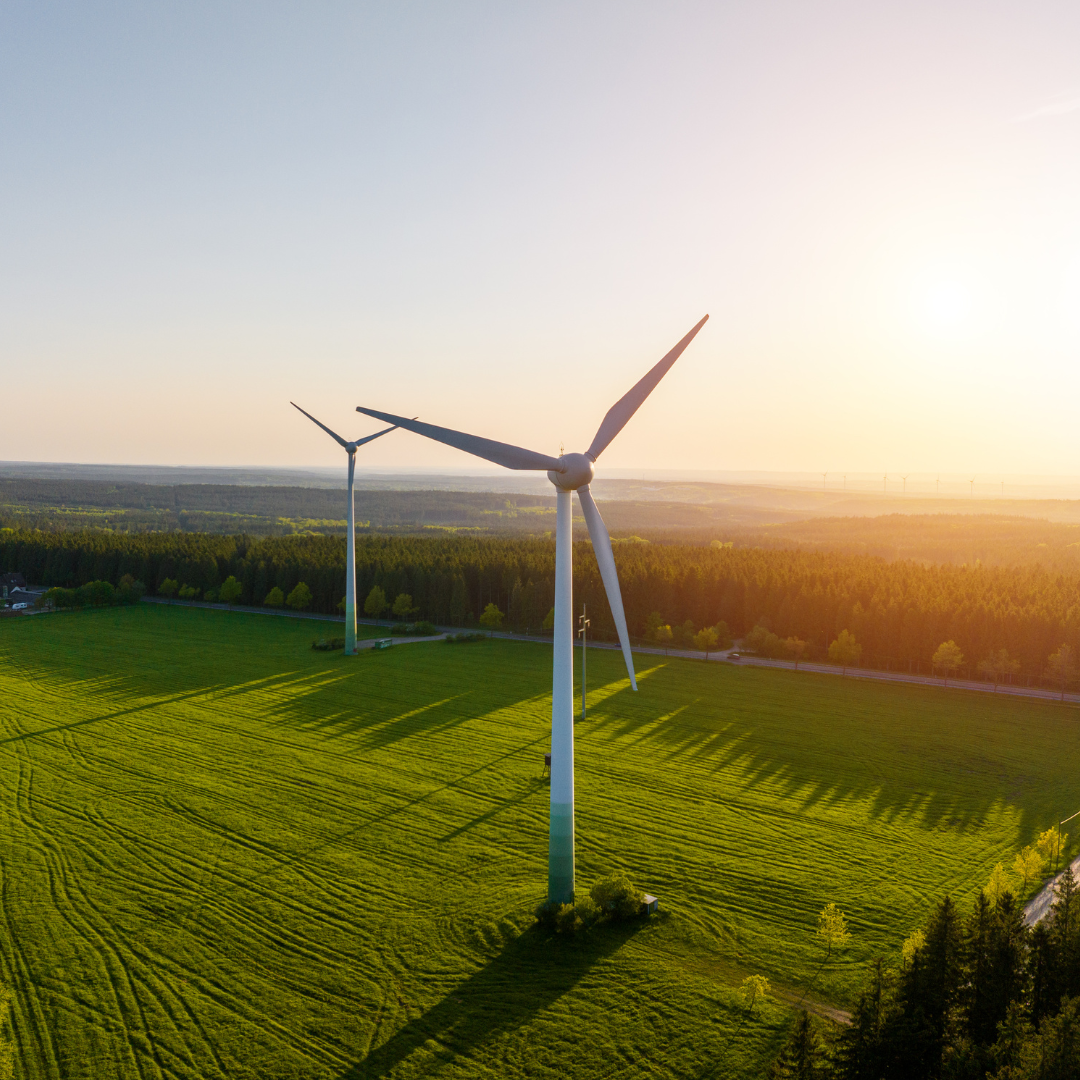
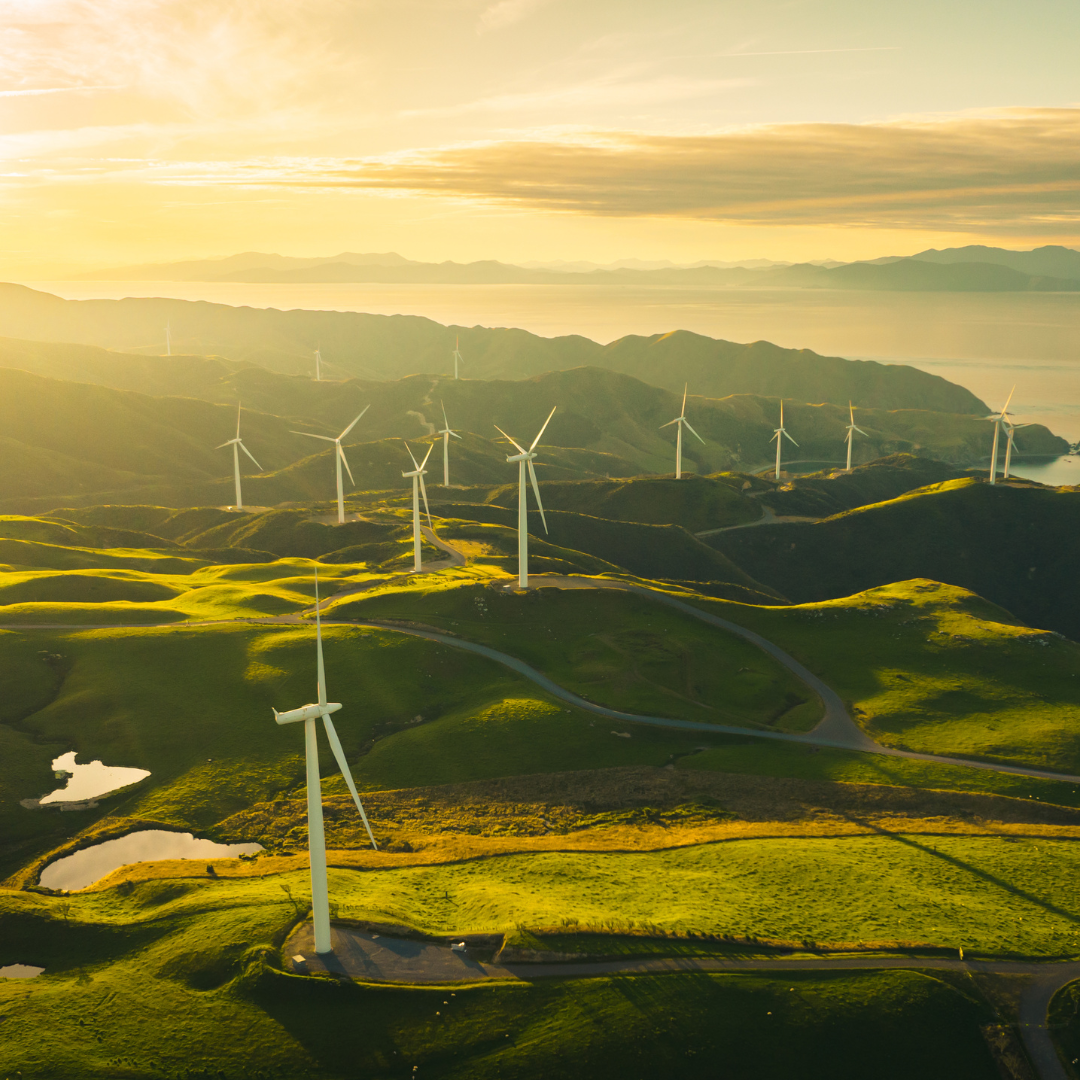
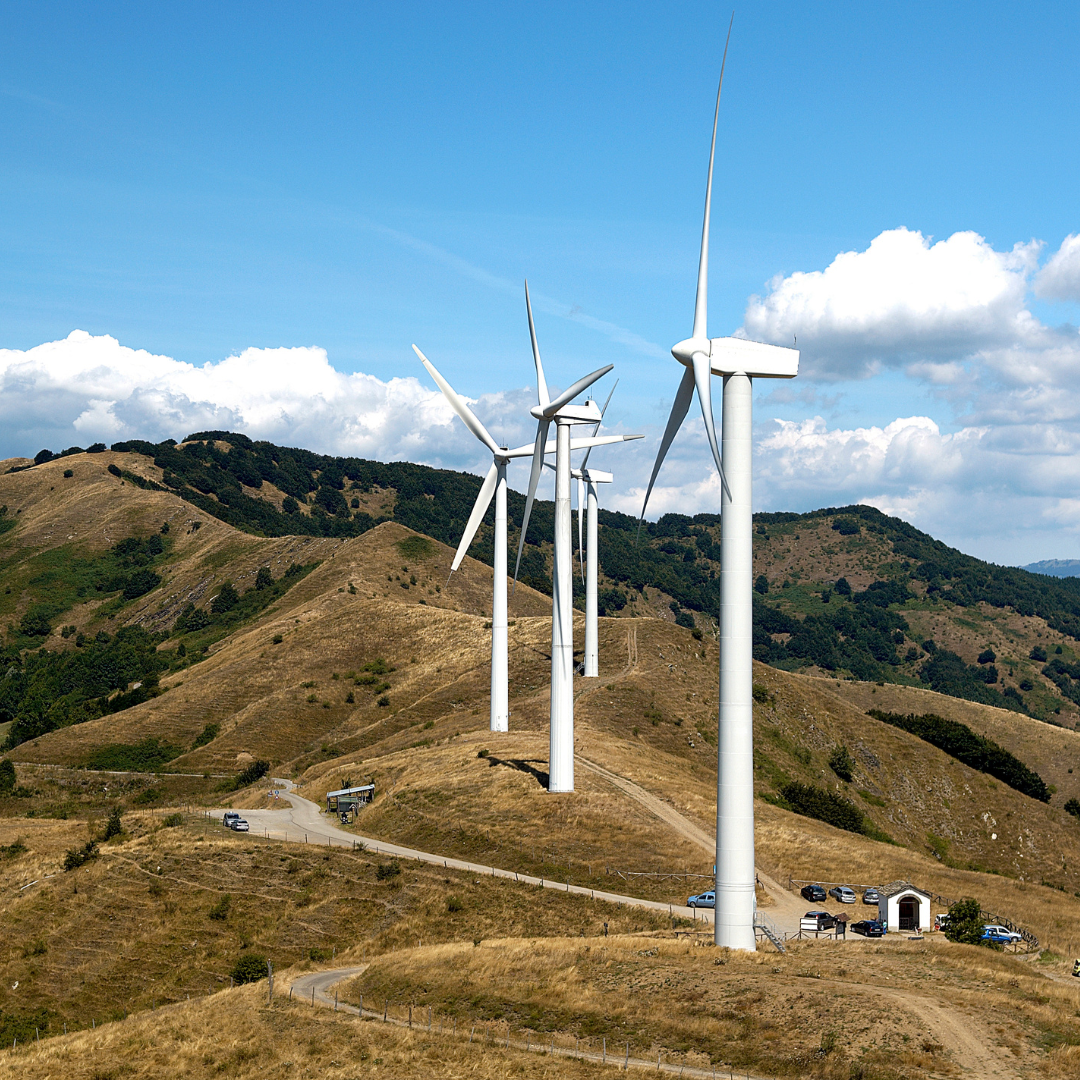
Indonesia, with its vast archipelagic area and unique geographical conditions, holds great potential for wind energy. Several studies have been conducted to explore this potential further, paving the way for more extensive renewable energy development in our country. Promising Potential Various studies show that Indonesia has abundant wind resources, particularly in coastal and offshore areas. Some regions considered to have high wind potential include: Factors that support the wind energy potential in Indonesia include: Challenges and Opportunities Despite Indonesia’s substantial wind energy potential, its development still faces several challenges, such as: However, there are significant opportunities to be leveraged, including: The potential for wind energy in Indonesia is a valuable asset that should be managed wisely. With the right support in research, investment, and policy, wind energy could become a primary solution for meeting the nation’s growing energy needs while also reducing the impacts of climate change. Source: Energy and Mineral Resources Management Agency: Report on wind energy potential in various regions of Indonesia.

Toward a Sustainable Future: The Synergy of Renewable Energy and Digital Technology

Background: The global energy crisis, the impacts of climate change, and the importance of transitioning to clean energy.Definition of Renewable Energy: Energy sources that are naturally renewable.The Role of Information Technology: How information technology serves as a catalyst in the development and utilization of renewable energy. Article Content Strong Synergy: Information technology and renewable energy complement and drive each other forward.A Bright Future: Significant potential for future renewable energy development.The Importance of Collaboration: Cooperation among government, industry, academia, and society is essential to achieve energy transition goals. Source: Scientific Journals: IEEE Transactions on Power Systems, Renewable and Sustainable Energy Reviews, Energy Policy.

Renewable Energy Projects in Urban Areas: The Future of Sustainable Energy

The rapid urbanization worldwide has brought about various challenges, one of which is the increasing energy consumption. To address this issue and reduce environmental impact, many major cities are transitioning to cleaner, more sustainable energy sources, specifically renewable energy. This article discusses various renewable energy projects that have been and are being implemented in urban areas, along with the associated challenges and opportunities. Renewable Energy Projects in Urban Areas Some common renewable energy projects found in urban areas include: Challenges in Implementation Despite its potential, renewable energy development in urban areas also faces several challenges, such as: Opportunities and Benefits Behind the challenges, renewable energy development in urban areas offers various opportunities and benefits, including: Case Studies Several cities around the world have successfully implemented large-scale renewable energy projects. For example, Copenhagen has set an ambitious target to become a carbon-neutral city by 2025. The city has undertaken various initiatives, such as building offshore wind power plants and increasing the use of environmentally friendly public transportation. Developing renewable energy in urban areas is an important step toward a more sustainable future. Although there are still many challenges to overcome, the potential benefits offered by renewable energy are substantial. With support from the government, private sector, and community, we can create greener, more sustainable cities. Source: IEA Report: The International Energy Agency (IEA) regularly publishes reports on the development of renewable energy in various countries and cities.

Renewable Energy and Business Innovation: Building a Sustainable Future

Climate change and the depletion of fossil resources are pushing the world to transition to cleaner and more sustainable energy sources. Renewable energy, such as solar, wind, hydro, and biomass, offers a promising solution to meet global energy demands. As awareness of the importance of clean energy grows, business innovation in the renewable energy sector is rapidly advancing. Challenges and Opportunities Despite the vast potential of renewable energy, its development still faces several challenges, such as: However, behind these challenges lie great opportunities for businesses to capitalize on: Business Innovation in the Renewable Energy Sector Business innovation in the renewable energy sector spans several areas, including: Examples of Business Innovation Some examples of business innovation in the renewable energy sector include: Renewable energy and business innovation are two complementary forces in building a sustainable future. By continually driving innovation and addressing existing challenges, the renewable energy sector has tremendous potential to reshape the global energy landscape. Source: IEA Report: The International Energy Agency (IEA) regularly publishes reports on the development of the renewable energy sector.

Scroll to top