
UIGreenmetric

Toward a Sustainable Future: The Synergy of Renewable Energy and Digital Technology

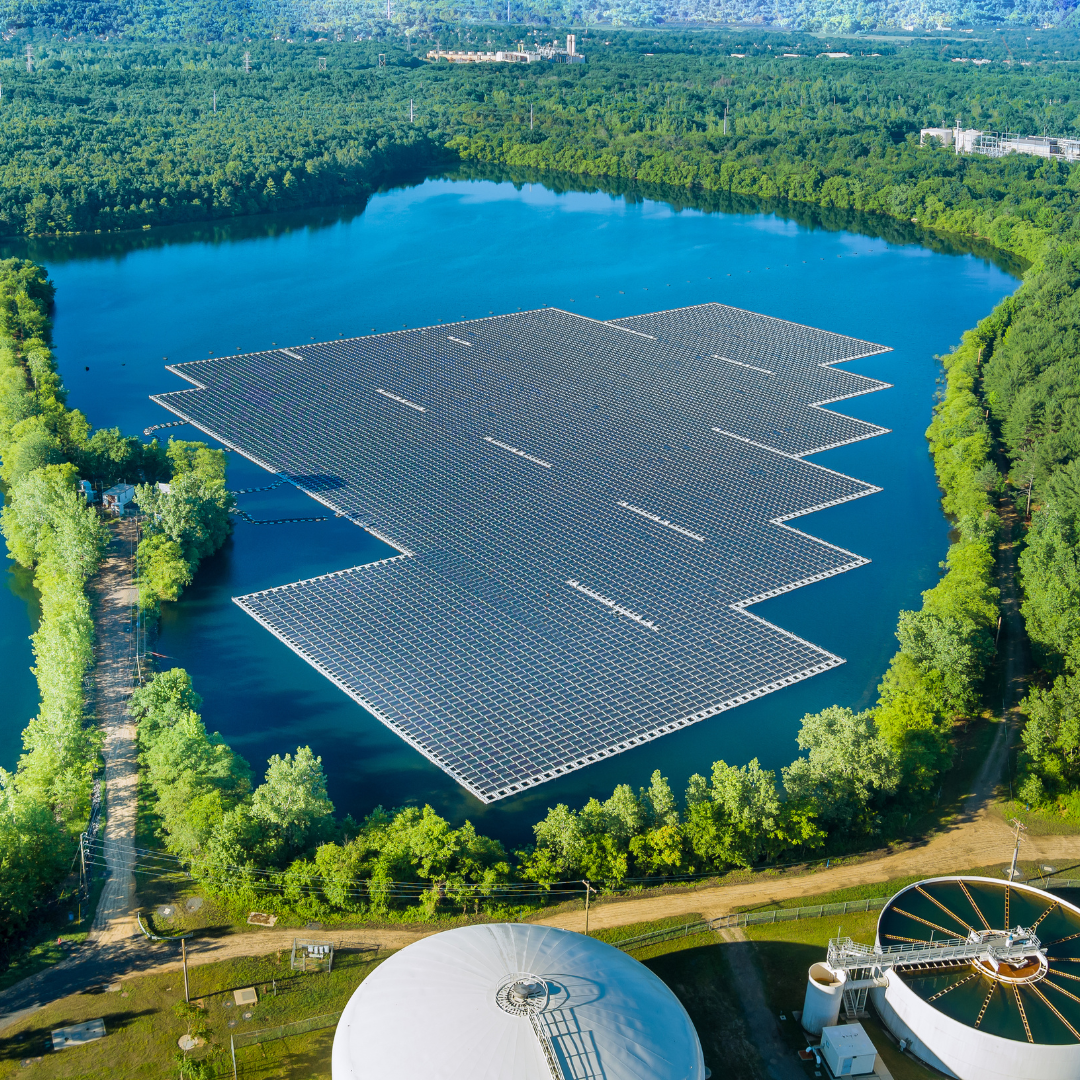
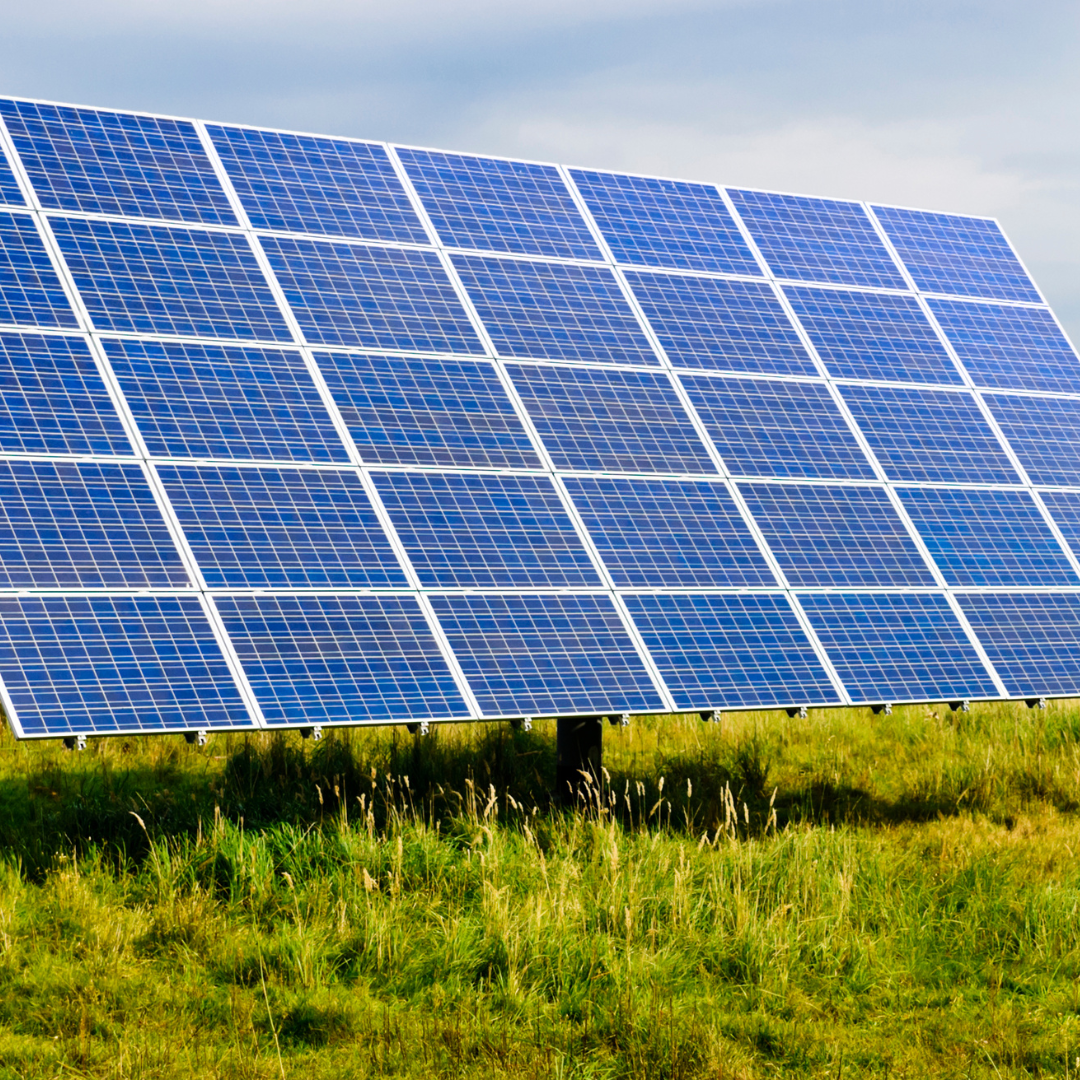
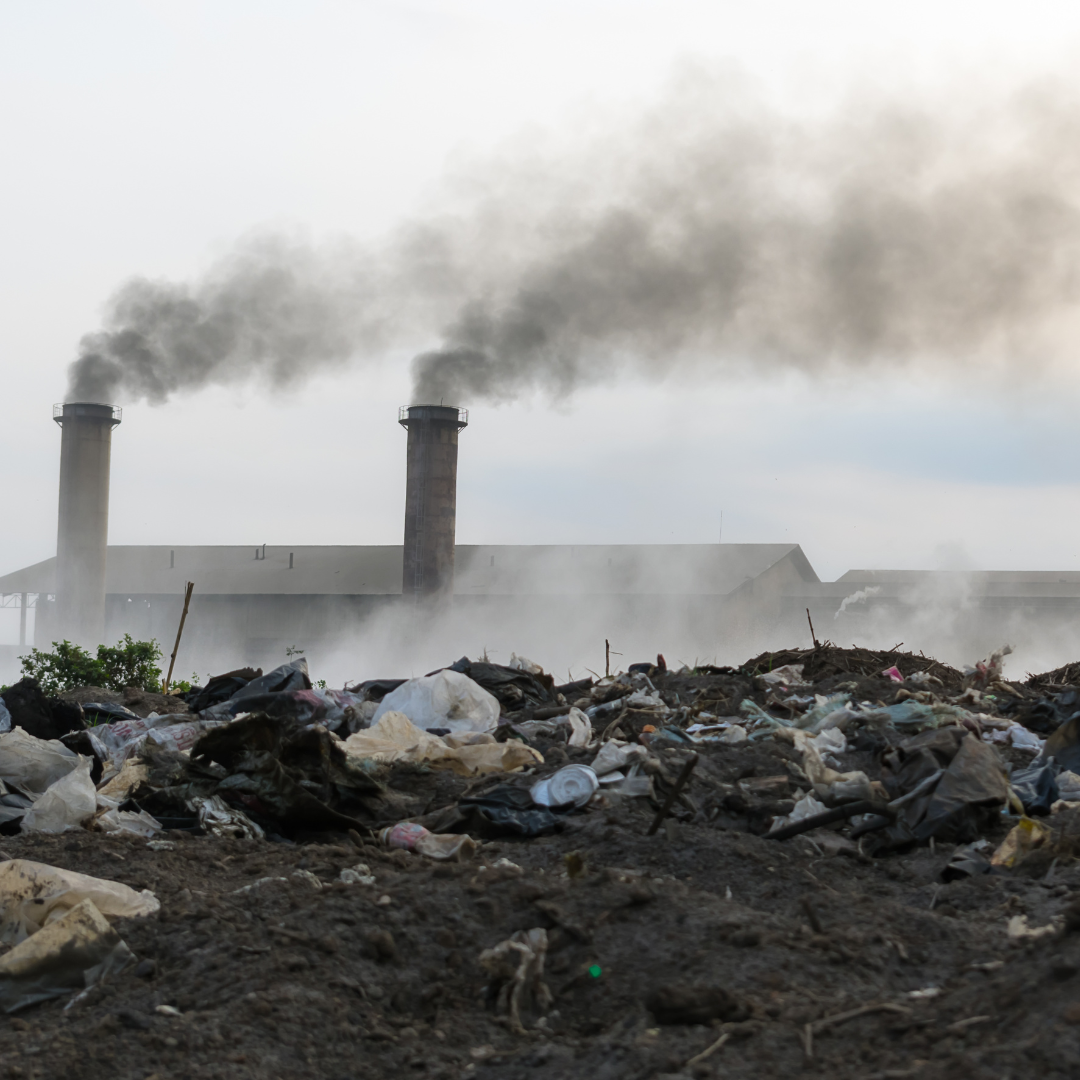
Background: The global energy crisis, the impacts of climate change, and the importance of transitioning to clean energy.Definition of Renewable Energy: Energy sources that are naturally renewable.The Role of Information Technology: How information technology serves as a catalyst in the development and utilization of renewable energy. Article Content Strong Synergy: Information technology and renewable energy complement and drive each other forward.A Bright Future: Significant potential for future renewable energy development.The Importance of Collaboration: Cooperation among government, industry, academia, and society is essential to achieve energy transition goals. Source: Scientific Journals: IEEE Transactions on Power Systems, Renewable and Sustainable Energy Reviews, Energy Policy.

Renewable Energy Projects in Urban Areas: The Future of Sustainable Energy

The rapid urbanization worldwide has brought about various challenges, one of which is the increasing energy consumption. To address this issue and reduce environmental impact, many major cities are transitioning to cleaner, more sustainable energy sources, specifically renewable energy. This article discusses various renewable energy projects that have been and are being implemented in urban areas, along with the associated challenges and opportunities. Renewable Energy Projects in Urban Areas Some common renewable energy projects found in urban areas include: Challenges in Implementation Despite its potential, renewable energy development in urban areas also faces several challenges, such as: Opportunities and Benefits Behind the challenges, renewable energy development in urban areas offers various opportunities and benefits, including: Case Studies Several cities around the world have successfully implemented large-scale renewable energy projects. For example, Copenhagen has set an ambitious target to become a carbon-neutral city by 2025. The city has undertaken various initiatives, such as building offshore wind power plants and increasing the use of environmentally friendly public transportation. Developing renewable energy in urban areas is an important step toward a more sustainable future. Although there are still many challenges to overcome, the potential benefits offered by renewable energy are substantial. With support from the government, private sector, and community, we can create greener, more sustainable cities. Source: IEA Report: The International Energy Agency (IEA) regularly publishes reports on the development of renewable energy in various countries and cities.

Renewable Energy and Business Innovation: Building a Sustainable Future

Climate change and the depletion of fossil resources are pushing the world to transition to cleaner and more sustainable energy sources. Renewable energy, such as solar, wind, hydro, and biomass, offers a promising solution to meet global energy demands. As awareness of the importance of clean energy grows, business innovation in the renewable energy sector is rapidly advancing. Challenges and Opportunities Despite the vast potential of renewable energy, its development still faces several challenges, such as: However, behind these challenges lie great opportunities for businesses to capitalize on: Business Innovation in the Renewable Energy Sector Business innovation in the renewable energy sector spans several areas, including: Examples of Business Innovation Some examples of business innovation in the renewable energy sector include: Renewable energy and business innovation are two complementary forces in building a sustainable future. By continually driving innovation and addressing existing challenges, the renewable energy sector has tremendous potential to reshape the global energy landscape. Source: IEA Report: The International Energy Agency (IEA) regularly publishes reports on the development of the renewable energy sector.

Renewable Energy Policy in the Caribbean: Challenges and Opportunities

The Caribbean region, with its stunning natural beauty and high dependence on fossil fuels, is undergoing a transformation towards a more sustainable future. Climate change and the limitations of fossil fuel resources are pushing countries in this region to invest in renewable energy. This article will discuss renewable energy policies in the Caribbean, the challenges faced, and the opportunities available. Renewable Energy Potential in the Caribbean The Caribbean has immense potential for renewable energy, especially in the following areas: Renewable Energy Policies at the Regional and National Levels Several Caribbean countries have taken significant steps in developing renewable energy, such as: Challenges in Renewable Energy Development Despite the substantial renewable energy potential in the Caribbean, development still faces several challenges, including: Opportunities and the Future Despite facing challenges, renewable energy development in the Caribbean also presents significant opportunities, such as: Renewable energy policy in the Caribbean is an important step toward a more sustainable future. Although there are still several challenges, the region’s renewable energy potential is vast and can be leveraged to achieve sustainable development goals. Source: International Renewable Energy Agency (IRENA): IRENA provides up-to-date data and analysis on renewable energy developments worldwide, including the Caribbean region.

Protect Your Investment: Risk Management Strategies in Renewable Energy

Why is Risk Management Important? Explain the importance of risk management in investments, particularly in the renewable energy sector, which has unique characteristics (price volatility, weather dependency, dynamic regulations). Link this to the global trend towards clean energy and the significant investment opportunities. Article Objectives Provide an overview of the topics covered in the article, including various types of risks in renewable energy investments and effective mitigation strategies. Article Body Understanding Risks in Renewable Energy Investment Technological Risk Current technology limitations, costs of developing new technology, project failure risk. Market Risk Energy price volatility, demand fluctuations, competition from other energy sources. Policy Risk Regulation changes, government incentives, political support. Environmental Risk Environmental impact of renewable energy projects, natural disasters. Risk Management Strategies In-Depth Risk Analysis Identify, evaluate, and prioritize risks. Investment Diversification Spread investments across different types of renewable energy technologies and geographic locations. Insurance Protect assets and income from unexpected risks. Strategic Partnerships Collaborate with companies with expertise and experience in renewable energy. Regular Monitoring and Evaluation Continuously monitor investment performance and make adjustments as needed. Case Study Successful risk management example in renewable energy projects. Showcase real-life examples of companies or projects that have successfully managed risks and achieved success. Summary of Key Points Reaffirm the importance of risk management in renewable energy investments. Sources: Research reports from institutions such as the International Renewable Energy Agency (IRENA), World Bank, or other leading energy research organizations.

Renewable Energy: A Key to Adaptation Amid Climate Change

Climate change has become an increasingly urgent global challenge. Rising temperatures, extreme weather, and rising sea levels are some of the impacts we are already experiencing. To face this challenge, the transition to renewable energy has become a crucial step. Why is Renewable Energy Important for Climate Change Adaptation? Examples of Renewable Energy Applications for Adaptation Challenges and Solutions Renewable energy is not only a solution for mitigating climate change but also a key to adapting to its impacts. By harnessing the abundant potential of renewable energy, we can build a more sustainable and resilient future. Source: IPCC Report: The Intergovernmental Panel on Climate Change (IPCC) report provides the latest data and projections on climate change.

University and Industry Collaboration: The Key to a Sustainable Energy Future

The energy crisis and climate change are urgent global challenges. To address these issues, innovation and revolutionary solutions in the energy sector are necessary. Collaboration between the academic world (universities) and industry is crucial to accelerating the development of clean and efficient energy technologies. Why is Collaboration Important? Examples of Successful Collaboration Challenges and Solutions Collaboration between universities and industries is a strategic step toward accelerating the transition to sustainable energy. By complementing each other’s resources and expertise, both parties can create innovations that benefit society and the environment. Source : https://www.ui.ac.id/inovasi-energi-bersama-kembangkan-teknologi-dan-keahlian-untuk-masa-depan-berkelanjutan/

The Positive Effects of Renewable Energy on Mental Health: More Than Just Power

We often hear about the environmental benefits of renewable energy. However, did you know that the use of clean energy can also have a significant positive impact on our mental health? Let’s delve into the fascinating correlation between renewable energy and mental well-being. How Does Renewable Energy Affect Mental Health? The positive effects of renewable energy on mental health cannot be ignored. By reducing stress, improving sleep quality, and enhancing mood, clean energy can significantly contribute to our well-being. Additionally, participating in renewable energy initiatives can provide a sense of fulfillment and meaning in life. Source: American Psychological Association

The Use of Renewable Energy in Schools: Towards a Greener Future

Climate change and the energy crisis are global concerns. Schools, as centers of education and community, play a crucial role in addressing these challenges. One concrete step that can be taken is adopting renewable energy usage. This article will discuss the importance of renewable energy in schools, its benefits, and examples of its implementation. Why is Renewable Energy Important in Schools? Examples of Renewable Energy Implementation in Schools Challenges and Solutions Despite its many benefits, implementing renewable energy in schools also faces challenges, such as high initial investment costs and technical limitations. However, with support from the government, non-governmental organizations, and energy companies, these challenges can be overcome. The use of renewable energy in schools is an essential step toward creating a more sustainable future. In addition to providing environmental benefits, renewable energy implementation can also enhance learning quality and set a practical example for the community. Source: Ministry of Education and Culture

Successful Renewable Energy Projects That Are Changing the World

The transition to clean energy is becoming increasingly urgent. Various countries around the world have demonstrated their commitment by launching innovative and successful renewable energy projects. Renewable energy sources such as solar, wind, water, and biomass offer sustainable solutions to meet the growing global energy demand. Successful renewable energy projects not only generate clean energy but also have positive impacts on the economy, the environment, and society. Examples of Successful Renewable Energy Projects Key Factors for the Success of Renewable Energy Projects Challenges and Opportunities in the Future Although significant progress has been made, there are still many challenges to overcome in the development of renewable energy. These challenges include fluctuations in energy production, integration into existing power grids, and high investment costs. However, the future holds immense opportunities. The growing global demand for clean energy, declining technology costs, and increasing awareness of the importance of sustainability will drive the continued growth of the renewable energy sector. Source: IRENA – International Renewable Energy Agency (www.irena.org)

Scroll to top