UIGreenmetric World University Ranking

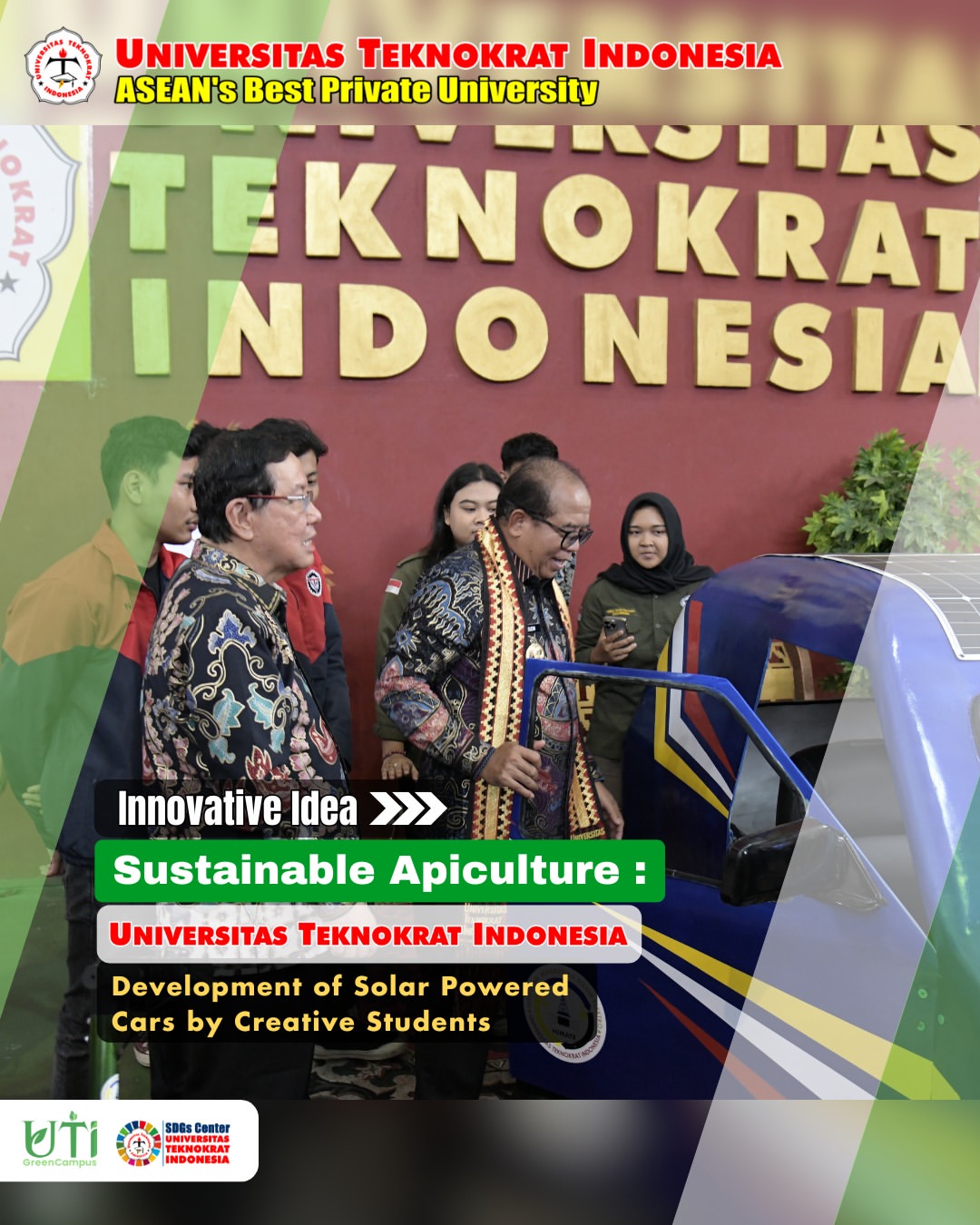
Development of solar powered cars by creative student

Students from Universitas Teknokrat Indonesia have once again demonstrated their creativity and commitment to the environment by creating a solar-powered car that is eco-friendly! This innovation is proof that the younger generation of Indonesia is ready to contribute to positive change in the automotive and renewable energy sectors. By harnessing solar energy, this car not only reduces carbon emissions but also offers a sustainable transportation solution for the future. This outstanding achievement was directly appreciated by the Acting Governor of Lampung, Dr. Drs. Samsudin, S.H., M.H., M.Pd., who expressed his pride and support for the work of Universitas Teknokrat Indonesia’s students. He emphasized that innovations like this are a real example of how technology can be applied to address global challenges, such as climate change and dependence on fossil fuels. With this recognition, it is hoped that this project will continue to develop and inspire more young people to create innovative solutions for the planet’s sustainability. Universitas Teknokrat Indonesia remains committed to nurturing an innovative generation that is not only academically brilliant but also cares about the future of the world. The development of the solar-powered car was supported by dedicated faculty members and equipped with resources from the university’s engineering and environmental science departments. The project not only serves as a practical learning experience for students but also showcases the university’s commitment to fostering research and innovation in renewable energy technologies. Moving forward, the student team plans to refine the car’s design and performance, aiming to compete in national and international competitions focused on green technology. The university is also exploring partnerships with local industries and government agencies to promote the commercialization and wider adoption of solar-powered vehicles in Indonesia. By pioneering such forward-thinking projects, Universitas Teknokrat Indonesia is setting a strong example for educational institutions nationwide. This initiative highlights the vital role of young innovators in driving sustainable development and reducing the environmental impact of transportation, paving the way toward a cleaner and greener future.
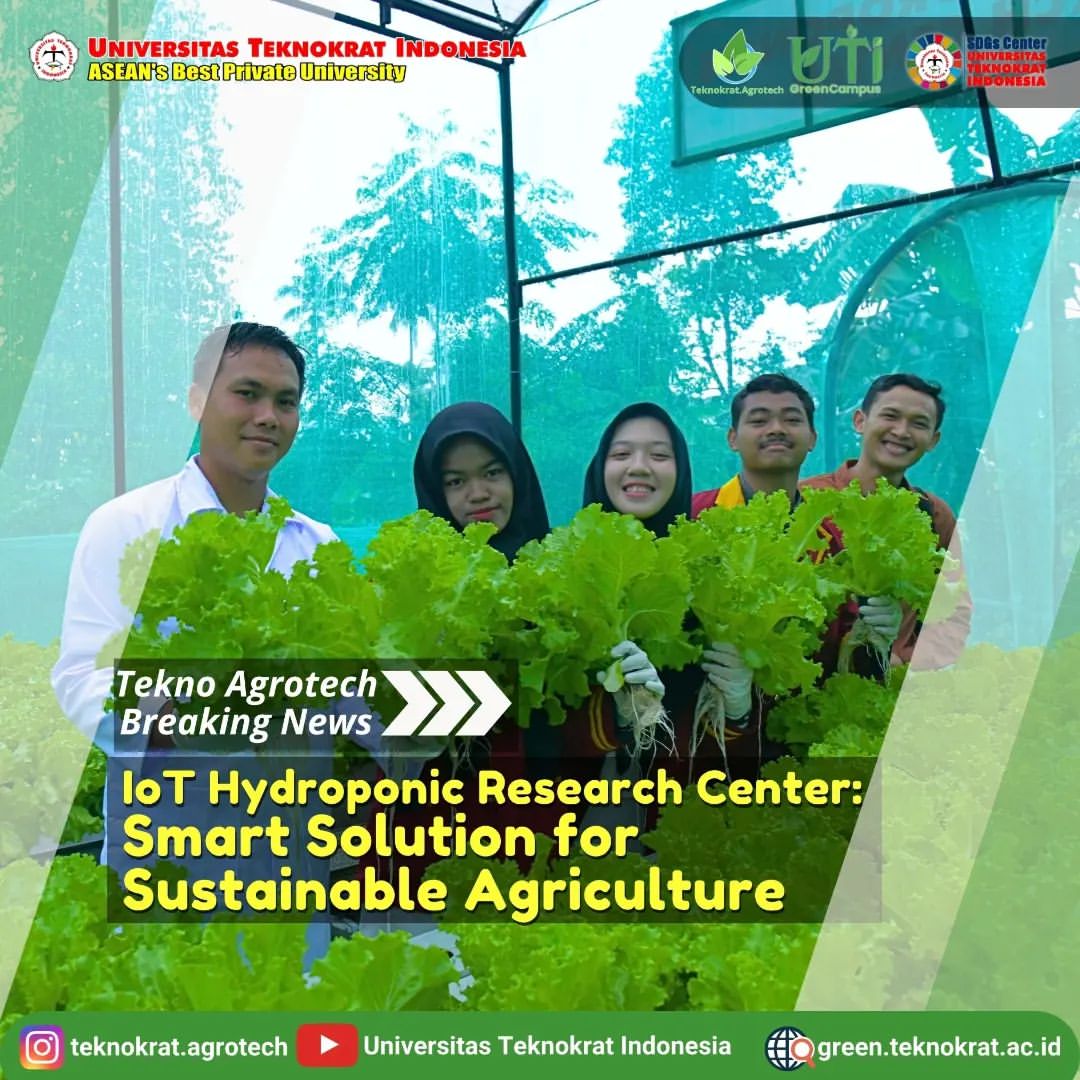
IoT Hydroponic Research Center : Smart Solution for Sustainable Agriculture

Universitas Teknokrat Indonesia, through its Agrotech startup, is advancing research on IoT-based hydroponics to support the university’s Sustainable Development Goals (SDGs) Center. This research is being led by a team of experts from the university, focusing on hydroponic techniques, environmental conservation policies, and the integration of IoT technology. The goal is to uncover the key factors behind the success of IoT hydroponics systems. Additionally, the team is investigating the life cycle of plants grown in IoT hydroponic systems and exploring best practices for utilizing IoT technology to optimize these systems. Dr. Mahathir Muhammad, SE., MM., Vice Rector of Universitas Teknokrat Indonesia, shared that the IoT Hydroponic Research Center is dedicated to providing a space for faculty and students to conduct research, all while promoting sustainability and producing high-quality food. “We believe IoT hydroponics is a promising technology for sustainable agriculture,” Dr. Mahathir said. “This research will enable us to develop more efficient, productive, and environmentally friendly IoT hydroponics systems.” The research is ongoing, and the team looks forward to sharing their results with the broader community.

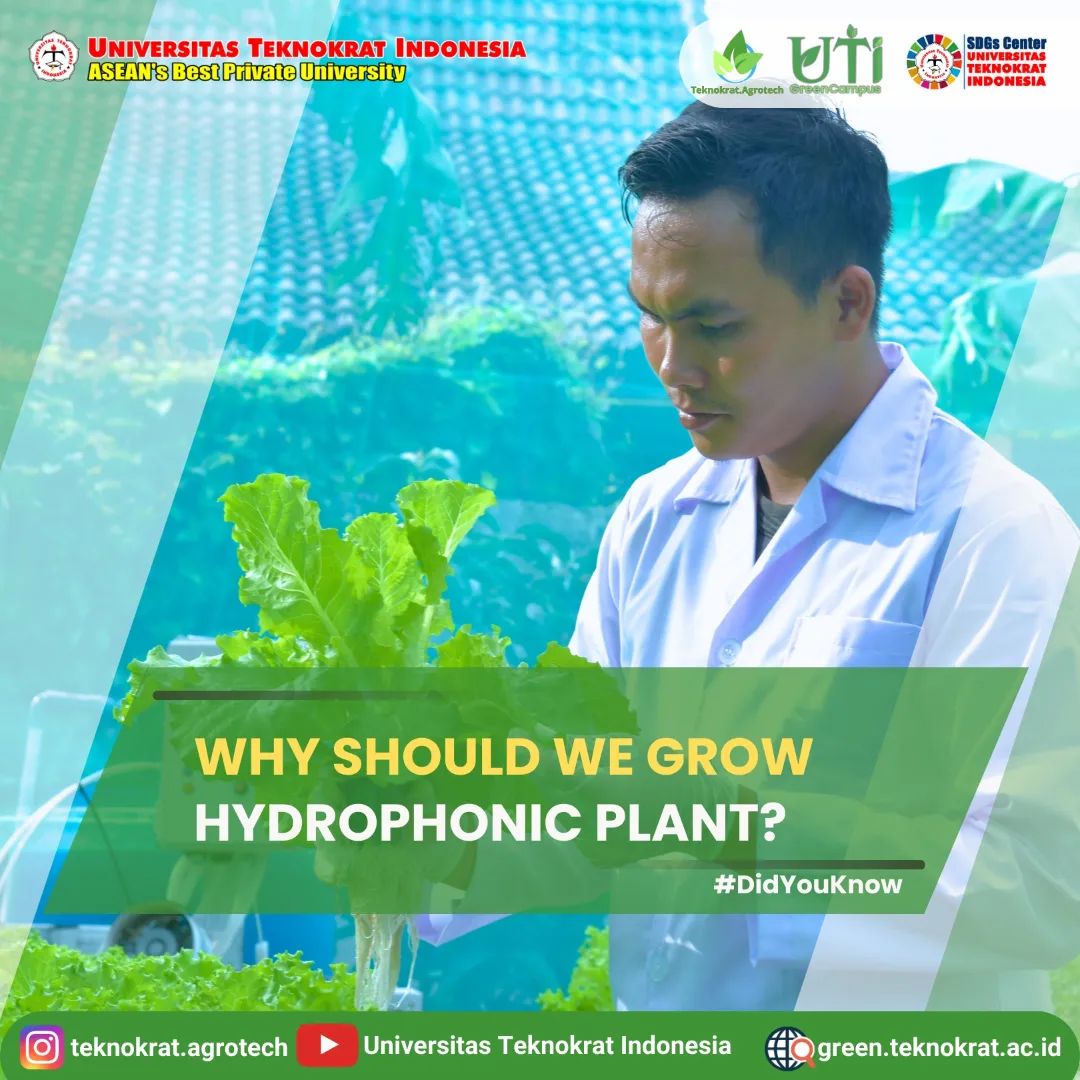
Why Should We Grow Hydroponic Plant?

Hydroponics is a method of growing plants without soil, using only water and nutrients. This approach offers several benefits over traditional farming, including: Universitas Teknokrat Indonesia is actively promoting sustainability on campus by creating green spaces and adopting eco-friendly technologies. One such initiative is the development of hydroponic systems on campus. The university has set up a special garden for hydroponic cultivation, managed by students and faculty from the Agrotechnology program. By advancing hydroponics, Universitas Teknokrat Indonesia is helping to protect the environment by conserving water and reducing pesticide and herbicide use. Interested in learning more about hydroponics?

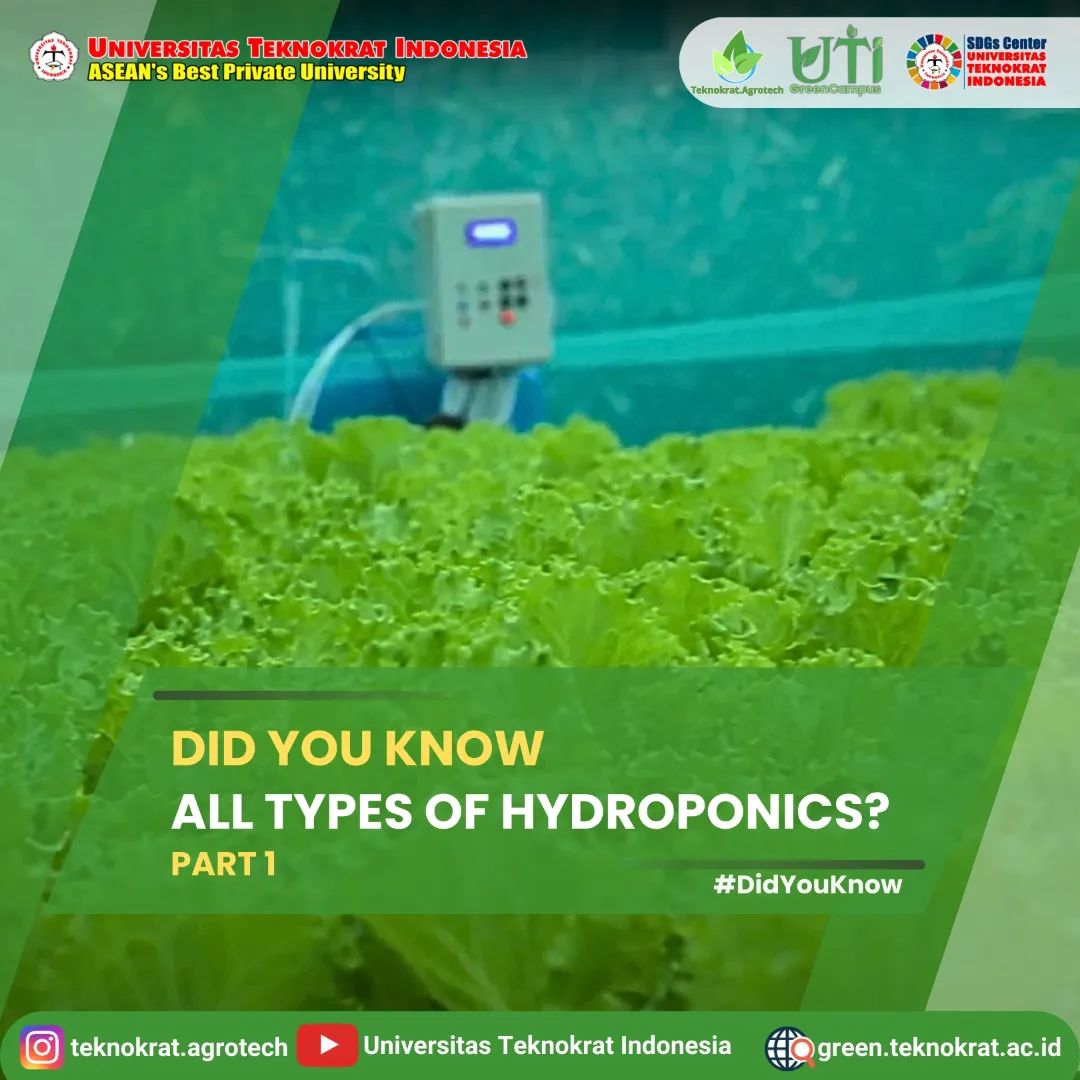
Did You Know All Types of Hydroponics? Part 1

Did you know there are different types of hydroponic systems? Here’s a look at the main ones: 1. NFT (Nutrient Film Technique): 2. DFT (Deep Flow Technique): By adopting hydroponic methods, we can achieve better yields and higher-quality produce, all while minimizing our environmental impact. Let’s work together to create a more sustainable campus!

Did You Know How To Face Climate Change?

Climate change is one of the most pressing challenges the world is currently facing, with serious consequences such as rising sea levels, droughts, and extreme storms. So, what can we do to help tackle climate change? Here are some practical steps we can take! Tip 1: Raise awareness The first step is to become more aware of climate change—its causes, effects, and potential impacts on the planet. Tip 2: Cut down on greenhouse gas emissions Greenhouse gases are a major driver of climate change. To combat this, we can: Tip 3: Adapt to climate change We are already seeing the impacts of climate change, such as flooding, droughts, and storms. It’s important to adapt to these changes by taking steps like building homes on higher ground in flood-prone areas or securing flood insurance. Tip 4: Advocate for eco-friendly policies Governments play a key role in addressing climate change, and we can help by supporting policies that promote environmental sustainability, reduce emissions, and protect natural resources. By taking small, everyday actions, we can all contribute to a significant positive change in the fight against climate change. Let’s start today!

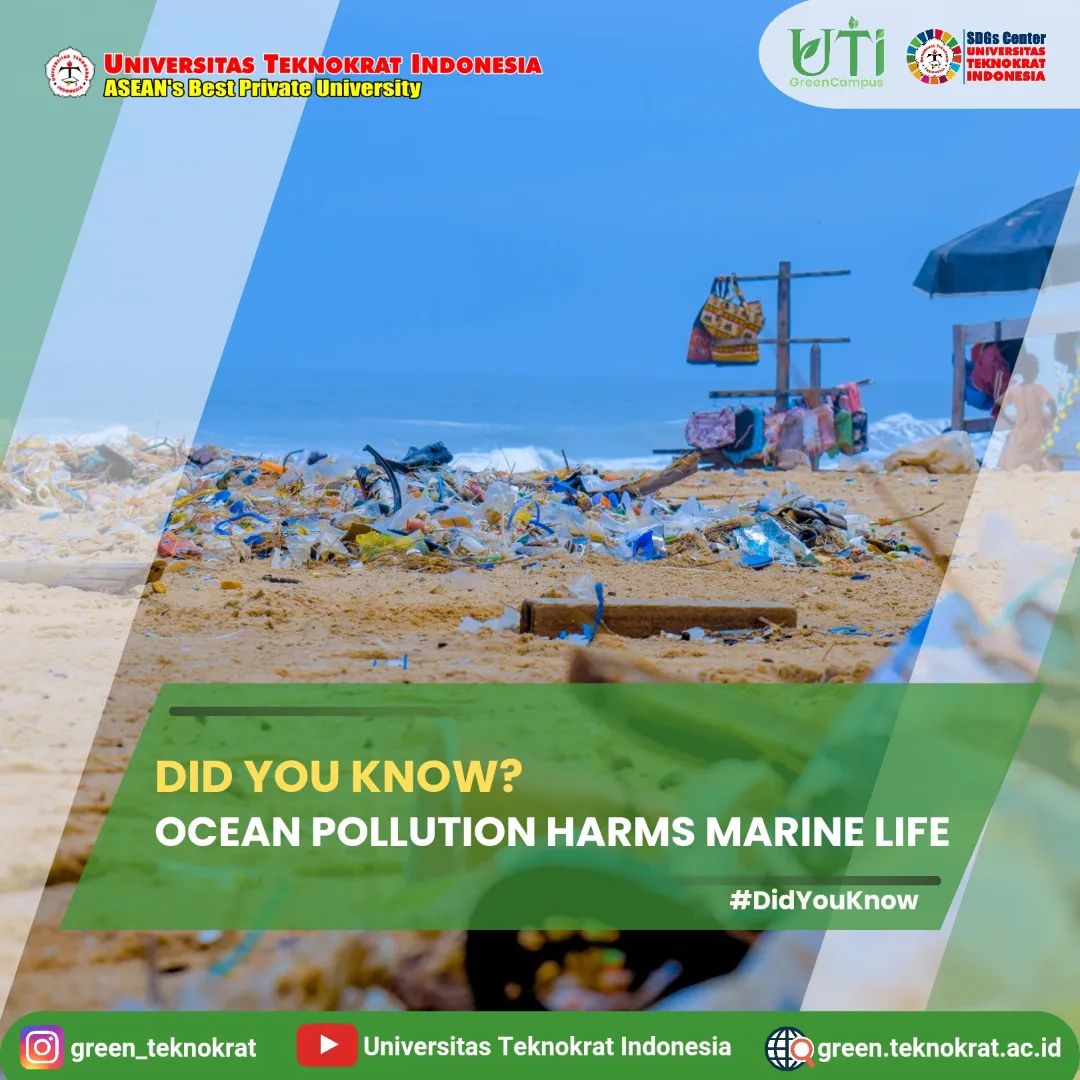
Did You Know? Ocean Pollution Harms Marine Life

Plastic waste is one of the most prevalent pollutants in our oceans, with an estimated 8 million tons of plastic entering the sea each year. Wastewater pollution also harms coral reefs, which are vital ecosystems for various marine species. To protect our oceans and marine life, we can all take steps to reduce pollution. Here are some actions you can take: By working together, we can make a real impact!

Nature’s Gift : Let’s Explore and Conserve

Did you know that nature is one of the greatest gifts from God? It offers us endless beauty, from breathtaking landscapes and fresh air to a diverse range of plants and animals. To appreciate nature’s beauty, let’s explore the world around us. Whether it’s a trip to the park, the mountains, the beach, or even a stroll in our own backyard, we can all find nature’s wonders. Once we discover its beauty, let’s capture those moments and share them with others. Here are 3 key messages about environmental conservation we can spread: Let’s join forces to preserve the beauty of nature for future generations to enjoy!

Pangolins : The World’s Most Hunted Animals

Pangolins: The Most Trafficked Mammal and Their Crucial Role in Ecosystems Did you know that pangolins are the most trafficked mammals in the world? These extraordinary creatures are facing the threat of extinction due to illegal poaching and wildlife trade. All eight species of pangolins are currently endangered. (IUCN, 2023). Pangolins are unique mammals, completely covered in scales, and are nocturnal and solitary by nature. Here’s why pangolins are essential for our ecosystems: On this World Pangolin Day, let’s unite to protect these remarkable animals! Here’s how you can help:

Listen To Her Voice : Amplify Her Story

Raising Awareness for Gender Inequality on International Women’s Day Did you know that women around the world still face significant challenges? March 8th marks International Women’s Day, a day dedicated to highlighting these issues while celebrating the accomplishments of women everywhere. Here are some key facts about gender inequality: These are just a few examples of the challenges women continue to face. Gender inequality is not just a women’s issue—it’s a problem that affects us all. We all have a role to play in achieving gender equality. Here’s how you can make a difference:

Scroll to top