
Peer-to-Peer (P2P) Energy Distribution System: The Future of a More Democratic Energy Market
The development of digital technology has transformed many aspects of our lives, including the way we consume and produce energy. One of the latest innovations in the energy sector is the Peer-to-Peer (P2P) energy distribution system. This model allows individual energy producers, such as solar panel owners, to sell their surplus electricity directly to other consumers without going through traditional distribution networks controlled by large utilities.
What is the P2P Energy Distribution System?
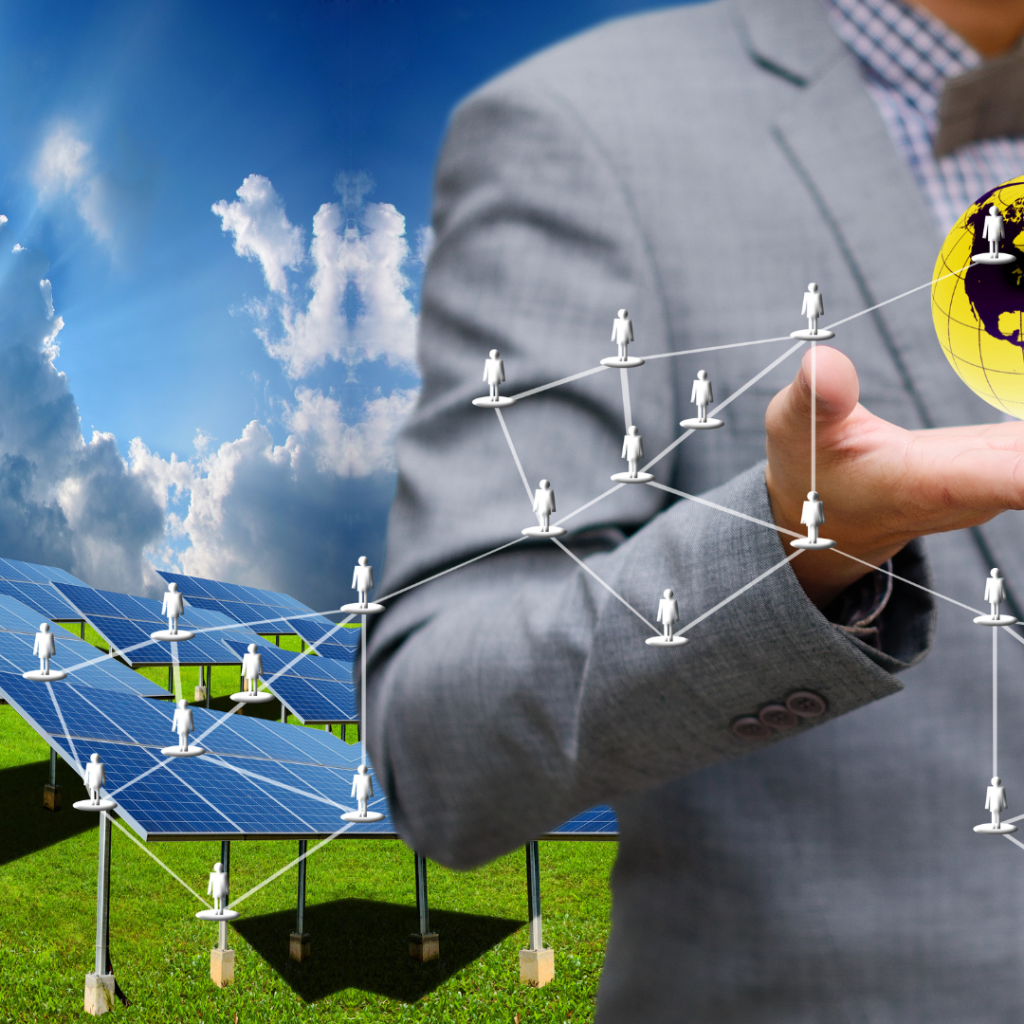
The P2P energy distribution system is a network that enables individuals or communities to buy and sell energy directly to one another. In this system, there is no central entity controlling the energy trade. Instead, transactions are conducted directly between producers and consumers through a digital platform.
How Does the P2P System Work?
- Energy Generation: Individuals or communities generate electricity from renewable sources, such as solar panels or wind turbines.
- Surplus Energy: If energy production exceeds consumption, the surplus energy can be sold to the P2P network.
- Digital Platform: A digital platform acts as an intermediary connecting producers and consumers. This platform facilitates transactions, manages payments, and ensures the balance between supply and demand.
- Distribution Network: The energy traded flows through the existing distribution network, but with more decentralized control.
Advantages of the P2P Energy Distribution System
- Efficiency: Reduces energy loss during transmission due to shorter distribution distances.
- Lower Costs: Consumers can purchase energy at more competitive prices as there are no additional costs from large utilities.
- Energy Independence: Encourages communities to become more self-sufficient in meeting their energy needs.
- Environmental Benefits: Promotes the use of renewable energy and reduces carbon emissions.
- Energy Democratization: Provides consumers with greater control over how they generate and consume energy.
Challenges and Developments
Despite its potential, the P2P energy distribution system still faces several challenges, such as:
- Regulation: There is a need for clear regulatory frameworks to ensure security and fairness in P2P energy trading.
- Technology: The development of better technology to manage complex P2P networks.
- Interoperability: Ensuring compatibility between different platforms and devices.
However, the development of blockchain technology and artificial intelligence has opened up new opportunities to address these challenges. More advanced P2P platforms now allow for more transparent, secure, and efficient transactions.
The P2P energy distribution system is a promising concept for a cleaner and more sustainable energy future. With the continued advancement of technology and the right policy support, this model could transform the way we produce, distribute, and consume energy.