Energy and Climate Change

Managing Renewable Energy Projects for Beginners: A Complete Guide

Renewable energy is increasingly in the spotlight as a solution to address the energy crisis and climate change. As interest in clean energy rises, the demand for competent renewable energy project managers is also growing. This article will cover the basics of managing renewable energy projects, from planning to implementation. Understanding Renewable Energy Projects Before starting, it is essential to understand the unique characteristics of renewable energy projects. These projects often involve new technologies, complex regulations, and a high dependency on environmental conditions. Some key characteristics of renewable energy projects include: Steps in Managing Renewable Energy Projects Challenges and Solutions Managing renewable energy projects comes with its challenges. Some common challenges include: To overcome these challenges, the following strategies are needed: Managing renewable energy projects is a complex yet highly rewarding task. With careful planning, proper implementation, and continuous monitoring, renewable energy projects can be successfully executed and provide positive contributions to the environment and society. Source: International Renewable Energy Agency (IRENA): Providing various publications and reports on renewable energy.
Community-Scale Wind Power Plants: A Step Toward Clean and Independent Energy

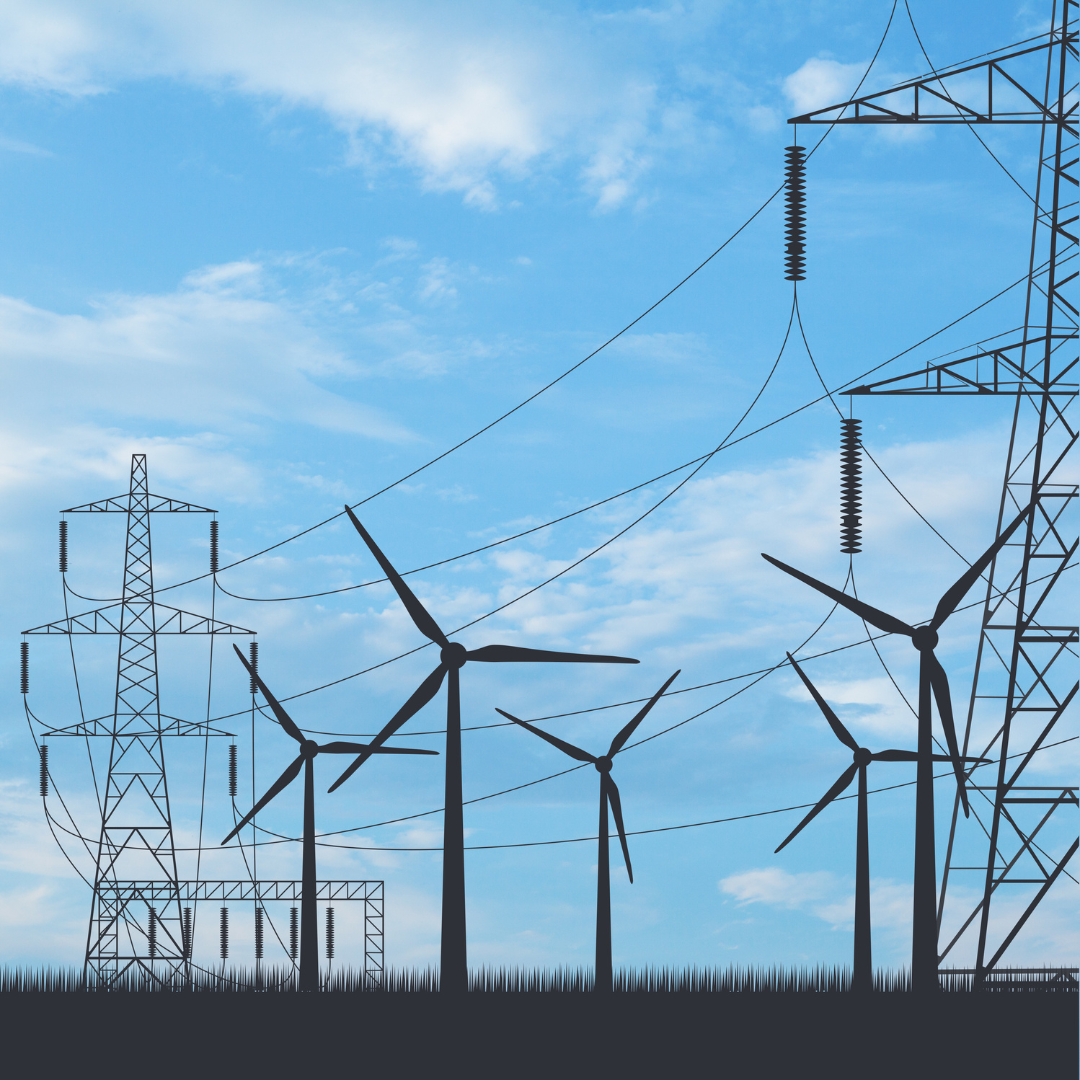
The energy crisis and climate change are driving us to seek alternative sources of energy that are cleaner and more sustainable. One promising solution is wind power plants, especially at the community scale. Community-scale wind power plants offer several benefits, from reducing dependence on fossil fuels to empowering local communities. What is a Community-Scale Wind Power Plant? A community-scale wind power plant is a wind energy facility that is built and operated by a community group, whether it be a village, small town, or specific community. These plants are typically smaller than large-scale power plants managed by national electricity companies. Benefits of Community-Scale Wind Power Plants Challenges in Developing Community-Scale Wind Power Plants Successful Examples of Community-Scale Wind Power Plants [Insert case study of successful community-scale wind power plants in Indonesia or other countries, such as in villages in Denmark or Germany.] Steps to Develop a Community-Scale Wind Power Plant Community-scale wind power plants offer significant potential for achieving a cleaner and more sustainable energy future. With support from the government, communities, and various stakeholders, the development of community-scale wind power plants can be accelerated and provide widespread benefits to society. Source: [Ministry of Energy and Mineral Resources of the Republic of Indonesia]

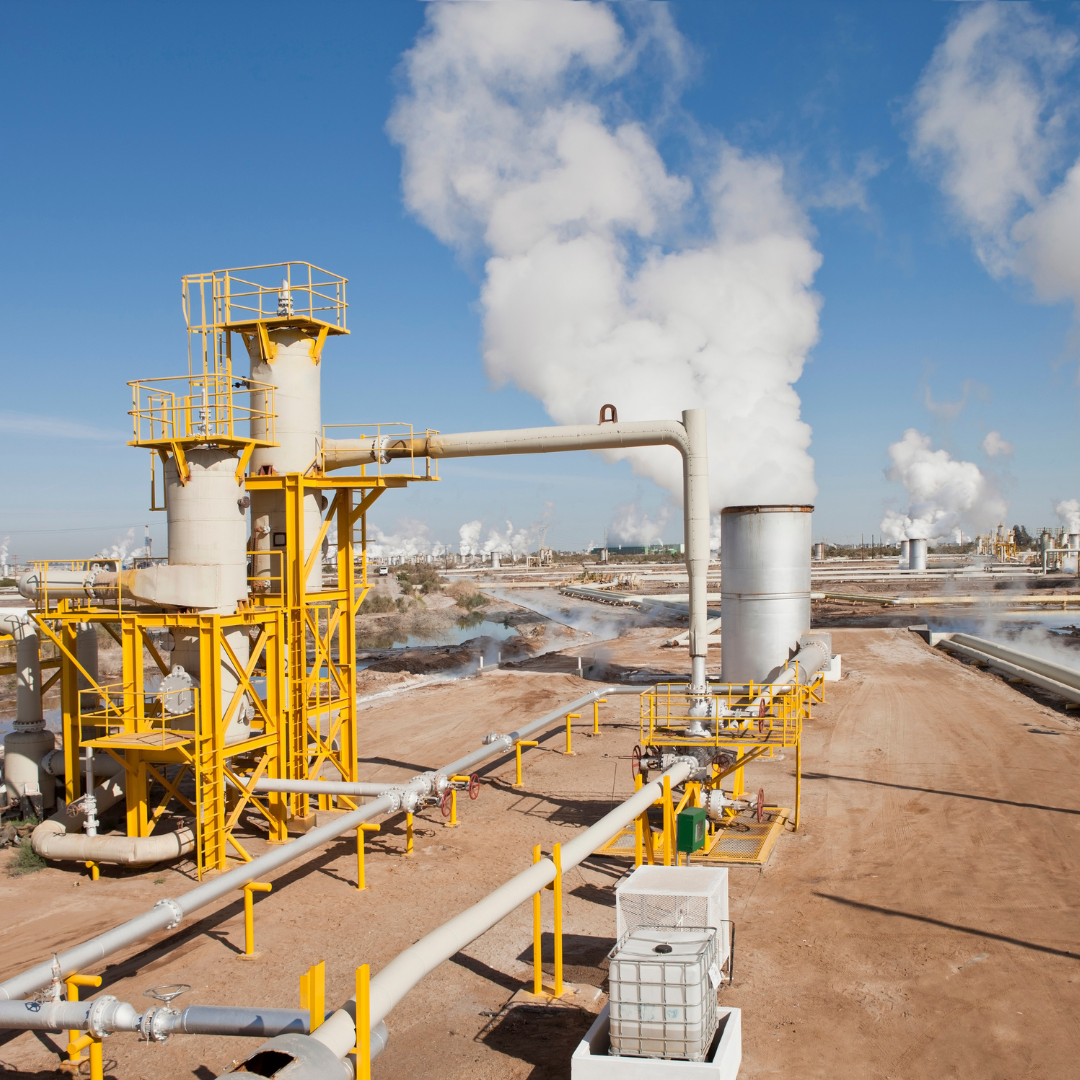
Geothermal Energy for Household Use: A Sustainable Future

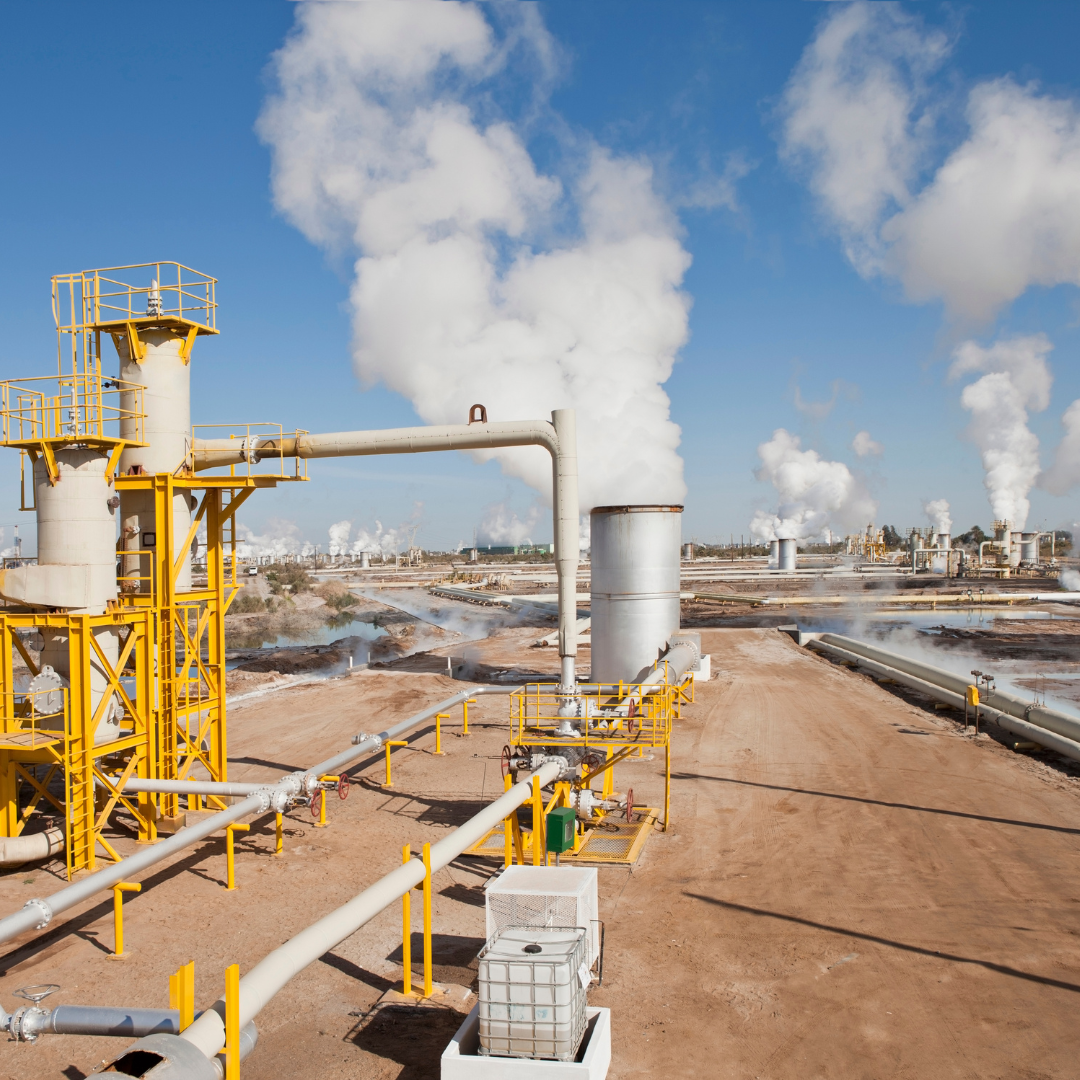
As awareness of the importance of clean and sustainable energy increases, alternative energy sources are gaining more attention. One promising source is geothermal energy. Traditionally, geothermal energy has been known as a source of power for large-scale electricity generation. However, with advancements in technology, the use of geothermal energy is now extending into the household sector. What is Geothermal Energy? Geothermal energy is the energy derived from the heat stored within the Earth. This heat comes from the Earth’s core and is constantly radiated to the surface. Geothermal energy can be used for various purposes, including electricity generation, space heating, and hot water. Potential of Geothermal Energy for Households Advantages of Geothermal Energy for Households Challenges and Solutions Geothermal energy has tremendous potential to become a primary energy source for households in the future. In addition to being environmentally friendly and sustainable, geothermal energy can provide high comfort and efficiency. While there are still some challenges to overcome, rapid technological advancements will continue to open new opportunities for utilizing geothermal energy in the household sector. Source: Directorate General of New, Renewable Energy, and Energy Conservation: [Insert link to Ditjen EBTKE website discussing geothermal energy utilization]

Towards Green Schools: Renewable Energy Integration Plan

In an effort to create a sustainable environment, integrating renewable energy in the education sector is a crucial step. Schools, as centers of learning and character-building for the younger generation, play an important role in promoting the use of clean energy. The plan to integrate renewable energy in schools will not only reduce environmental impacts but also provide meaningful learning experiences for students. Why is Renewable Energy in Schools Important? Potential Sources of Renewable Energy in Schools Implementing Renewable Energy in Schools Challenges and Solutions Solutions: Integrating renewable energy in schools is a vital step towards a sustainable future. With careful planning and support from various sectors, schools in Indonesia can become pioneers in the use of clean energy. Source: Ministry of Energy and Mineral Resources: Search for data and policies related to renewable energy in Indonesia.

Wind Energy in Urban Areas: Potential and Challenges

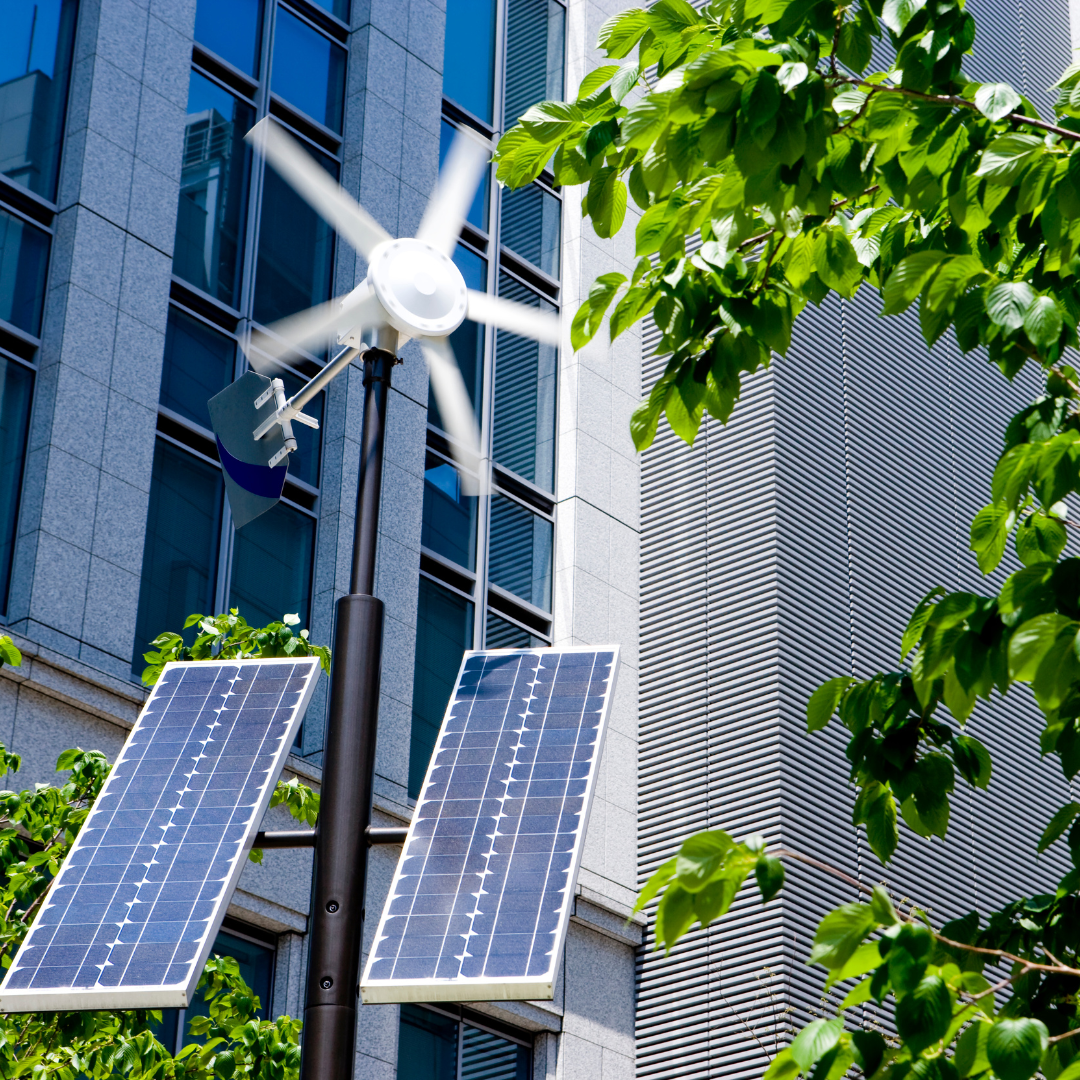
As population growth and urbanization accelerate, the demand for clean and renewable energy has become increasingly urgent. One promising alternative energy source is wind energy. While often associated with vast rural areas, wind energy also holds great potential for development in urban areas. Potential of Wind Energy in Urban Areas Challenges in Developing Wind Energy in Urban Areas Implementation of Wind Energy in Urban Areas Several cities around the world have successfully implemented wind energy on a small to medium scale. For example, Copenhagen (Denmark) is known for its use of bicycles and wind energy, while Chicago (USA) has a number of wind turbines along its coastline. Wind energy in urban areas offers great opportunities to create more sustainable and energy-independent cities. Despite several challenges, with careful planning and support from various stakeholders, the development of urban wind energy can become a reality. Source: Present case studies from cities that have successfully developed wind energy.

Feed-in Tariff Policy: The Key to Renewable Energy Development

The feed-in tariff (FiT) policy is an essential instrument in promoting the development of renewable energy (RE) in various countries, including Indonesia. This scheme guarantees a fixed price for electricity generated from renewable energy sources to independent producers. This article will delve into the concept of feed-in tariffs, its benefits, challenges, and its implementation in Indonesia. What is a Feed-in Tariff? A feed-in tariff is a mechanism for setting a higher purchase price for electricity generated from renewable energy power plants (REPP) compared to conventional electricity prices. This price is typically set by the government and applies for a specific period. The main objectives of this policy are to: Benefits of Feed-in Tariffs Challenges in Implementing Feed-in Tariffs Implementation of Feed-in Tariffs in Indonesia The Indonesian government has introduced various policies to support the development of renewable energy, including the feed-in tariff scheme. Relevant regulations include: The feed-in tariff policy is an effective instrument to promote the development of renewable energy. However, its implementation needs to be carefully managed to provide optimal benefits for society and the environment. The government must continually evaluate and adjust the feed-in tariff policy to ensure it remains relevant to technological advancements and market conditions. Source : https://www.esdm.go.id/

Environmental Challenges in the Use of Renewable Energy: The Other Side of the Energy Transition

Renewable energy is often viewed as the perfect solution to address environmental issues caused by the use of fossil fuels. However, like any other technology, the use of renewable energy also presents environmental challenges that need to be considered. Main Challenges Mitigation and Solutions Although there are challenges, various mitigation efforts can be made to minimize the environmental impact of renewable energy use: Renewable energy plays a crucial role in the transition toward cleaner and more sustainable energy. However, we must recognize that no technology is perfect. By understanding the environmental challenges associated with renewable energy, we can take the necessary steps to minimize negative impacts and ensure that the energy transition proceeds sustainably. Source : https://unair.ac.id/menuju-energi-terbarukan-tantangan-global-dan-langkah-langkah-keberlanjutan-di-indonesia/

Wind Energy Conversion to Hydrogen: The Future of Energy Storage

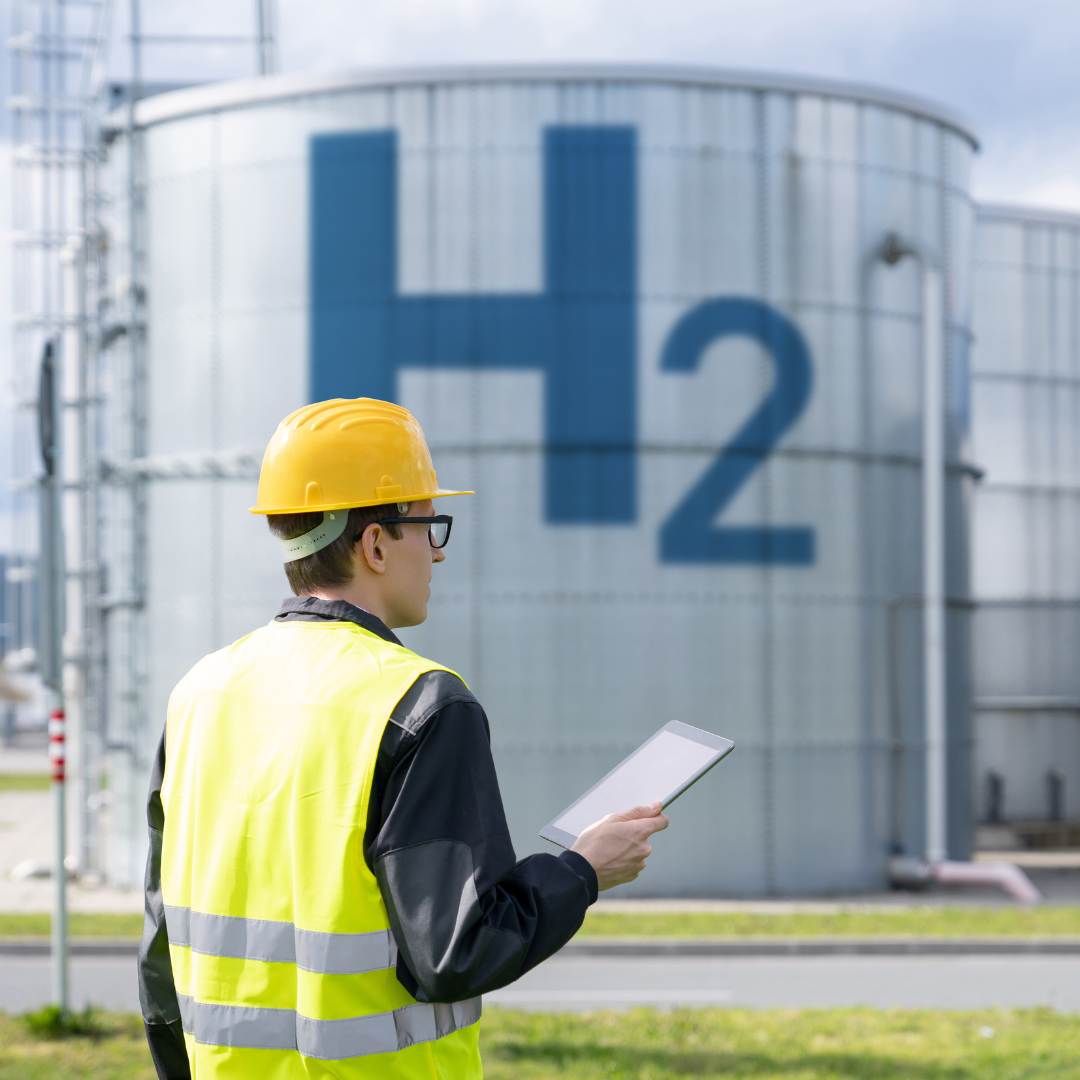
Wind energy, as one of the abundant renewable energy sources, has become a central focus in the global energy transition efforts. However, one of the main challenges in utilizing wind energy is the fluctuation in production due to weather conditions. To address this, the technology of converting wind energy into hydrogen has emerged as a promising solution. Hydrogen, being the lightest and most abundant element in the universe, holds great potential as an energy storage medium. The Conversion Process The process of converting wind energy into hydrogen involves several key stages: Advantages of Storing Energy in the Form of Hydrogen Challenges and Technological Development Although it holds great potential, the technology for converting wind energy to hydrogen still faces several challenges, including: However, ongoing research and development are continuously addressing these challenges. Some promising technological advancements include: Converting wind energy to hydrogen offers an attractive solution to address the intermittency challenges associated with wind energy utilization. With the continuous advancement of technology and appropriate policy support, this technology has the potential to become an integral part of a sustainable future energy system. Source : http://zulfikar.blog.uma.ac.id/2024/01/20/energi-hidrogen/

Geothermal Energy: An Environmentally Friendly Solution for Home Heating and Cooling

In efforts to reduce dependence on fossil fuels and mitigate the impacts of climate change, more people are seeking alternative clean and sustainable energy sources. One promising energy source is geothermal energy. This energy comes from the heat stored within the Earth and can be used for various purposes, including heating and cooling homes. What is Geothermal Energy? Geothermal energy is derived from the heat originating from the Earth’s core. This heat can be harnessed by drilling wells to reach the hot rock layers beneath the Earth’s surface. Water or other fluids are then pumped into the wells to absorb the heat, which is brought to the surface for use. Utilizing Geothermal Energy for Heating and Cooling Geothermal-based heating and cooling systems work on the principle of heat exchange. Hot water extracted from the Earth is used to warm the air inside a home during the winter. Conversely, in the summer, the hot water is used to absorb heat from the air inside the home, cooling the rooms. Advantages of Using Geothermal Energy Challenges in Implementing Geothermal Energy Geothermal energy offers a very attractive solution for meeting household heating and cooling needs. While there are some challenges to overcome, the potential of geothermal energy as a clean and sustainable energy source is immense. With continued research and development, it is expected that the use of geothermal energy will become more widespread and affordable. Source : https://solum.id/glosarium/apa-itu-energi-panas-bumi-pengertian-pemanfaatan-dan-cara-kerjanya/

Potential of Flywheel Technology in Energy Storage

In the era of the urgent energy transition, energy storage technology becomes key to ensuring a stable and efficient electricity supply. One promising technology is the flywheel. This technology has gained attention from experts and industries due to its significant potential in addressing energy storage challenges. What is a Flywheel? A flywheel is a mechanical device consisting of a heavy wheel that spins on its axis. When energy is applied, the wheel spins faster and stores energy in the form of kinetic energy. This energy can later be released back into the electrical system when needed. How Does a Flywheel Work? The working principle of a flywheel is based on the law of conservation of energy. As the wheel spins faster, the kinetic energy stored increases. Conversely, when the wheel slows down, the kinetic energy is released in the form of electrical energy. This process can be repeated multiple times, allowing the flywheel to function as a mechanical battery. Advantages of Flywheel Technology Potential Applications of Flywheels Challenges and Development of Flywheel Technology Despite its great potential, flywheel technology still faces some challenges, such as high production costs and energy storage capacity that is not yet on par with chemical batteries. However, with ongoing research and development, these challenges are expected to be overcome. Flywheel technology offers an exciting solution to the challenges of energy storage. With high efficiency, long lifespan, and broad application potential, flywheels could become an essential part of future energy systems. Source: Pullen K.R. Gravity Energy Storage

Scroll to top