
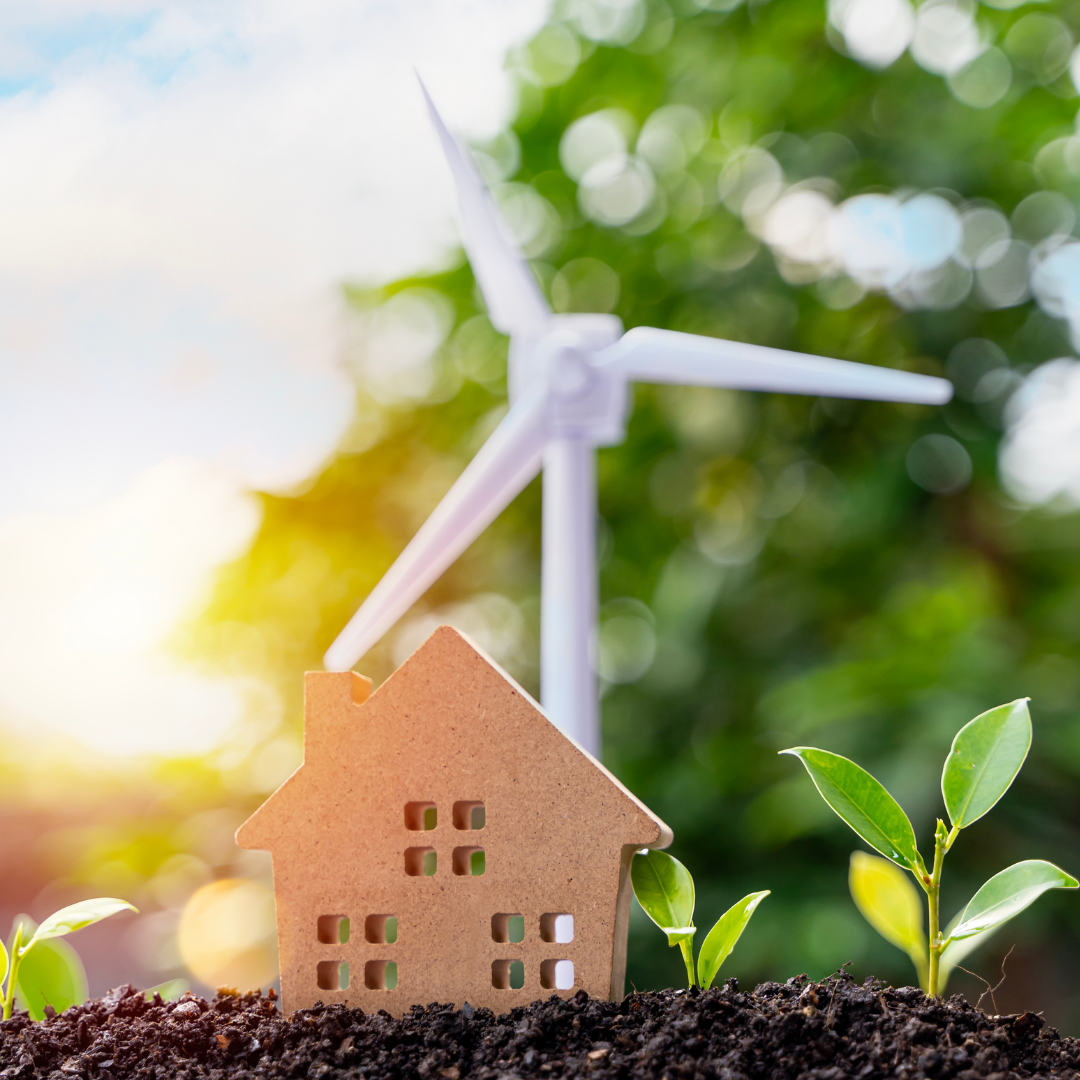
Environmental Challenges in the Use of Renewable Energy: The Other Side of the Energy Transition
Renewable energy is often viewed as the perfect solution to address environmental issues caused by the use of fossil fuels. However, like any other technology, the use of renewable energy also presents environmental challenges that need to be considered.
Main Challenges
- Land Use:
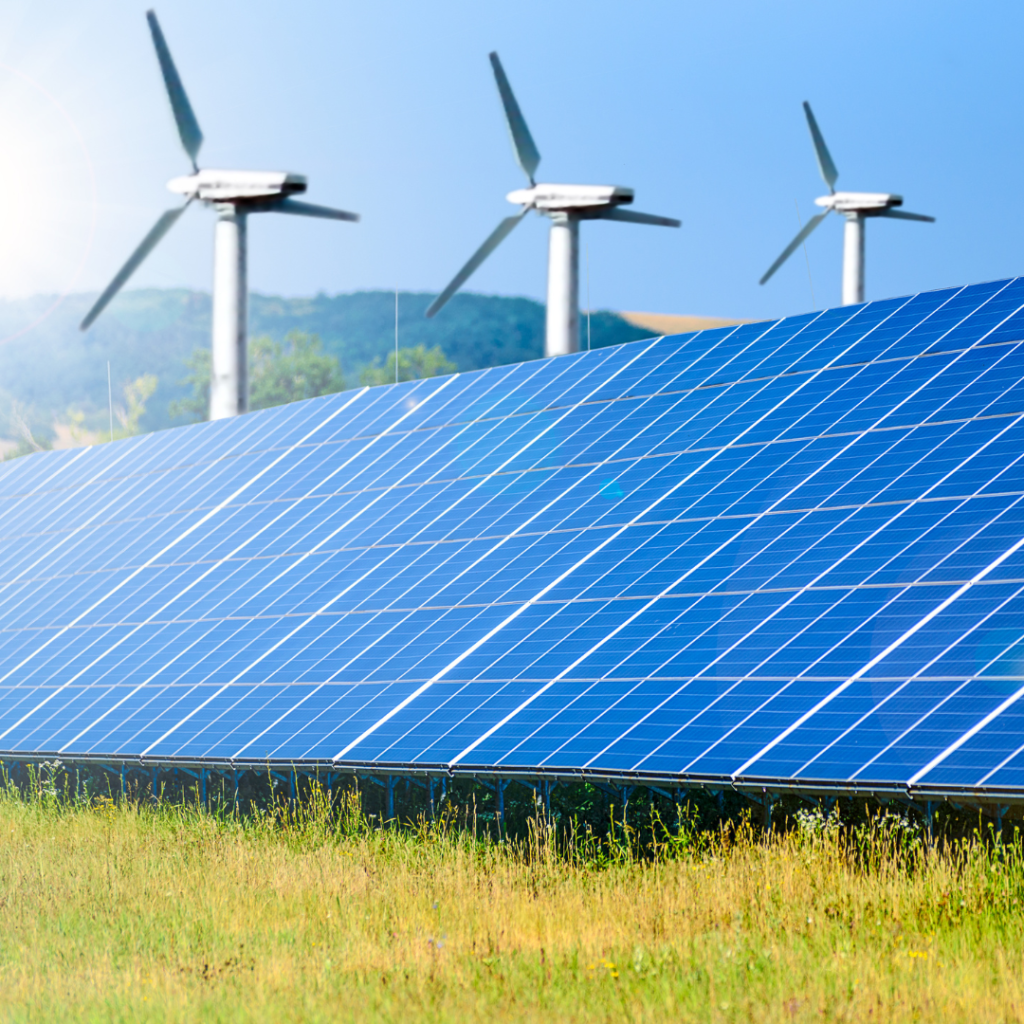
- Solar Power Plants (PLTS): The development of large-scale solar power plants requires vast amounts of land, which can impact natural habitats and ecosystems.
- Hydropower Plants (PLTA): The construction of dams for hydropower plants can alter river flows, disrupt fish migration, and affect water quality.
- Wind Power Plants (PLTB): The installation of wind turbines requires large areas of land and can disturb the landscape and cause noise pollution in surrounding areas.
- Waste Management:
- Solar Panels: Solar panels contain hazardous chemicals that need to be carefully managed when disposed of.
- Batteries: Batteries used in renewable energy storage systems, such as lithium-ion batteries, contain heavy metals that can contaminate the environment if not properly managed.
- Impact on Wildlife:
- Noise: The noise generated by wind turbines can disturb wildlife, particularly birds.
- Electromagnetic Radiation: Electromagnetic radiation from solar panels and wind turbines can affect animal behavior.
- Habitat: The development of renewable energy infrastructure can damage the natural habitats of wildlife.
- Social Conflicts:
- Displacement: The development of renewable energy projects often involves displacing local communities living near the project areas.
- Land Use Conflicts: There is competition for land between renewable energy projects and other sectors such as agriculture, forestry, and more.
Mitigation and Solutions
Although there are challenges, various mitigation efforts can be made to minimize the environmental impact of renewable energy use:
- Integrated Spatial Planning: Considering environmental and social aspects in the planning of renewable energy projects.
- Environmentally Friendly Technologies: Developing more efficient and environmentally less impactful technologies.
- Proper Waste Management: Implementing adequate waste management systems to reduce environmental impacts.
- Community Participation: Involving communities in decision-making processes and providing fair compensation.
Renewable energy plays a crucial role in the transition toward cleaner and more sustainable energy. However, we must recognize that no technology is perfect. By understanding the environmental challenges associated with renewable energy, we can take the necessary steps to minimize negative impacts and ensure that the energy transition proceeds sustainably.