
Managing Renewable Energy Projects for Beginners: A Complete Guide
Renewable energy is increasingly in the spotlight as a solution to address the energy crisis and climate change. As interest in clean energy rises, the demand for competent renewable energy project managers is also growing. This article will cover the basics of managing renewable energy projects, from planning to implementation.
Understanding Renewable Energy Projects
Before starting, it is essential to understand the unique characteristics of renewable energy projects. These projects often involve new technologies, complex regulations, and a high dependency on environmental conditions. Some key characteristics of renewable energy projects include:
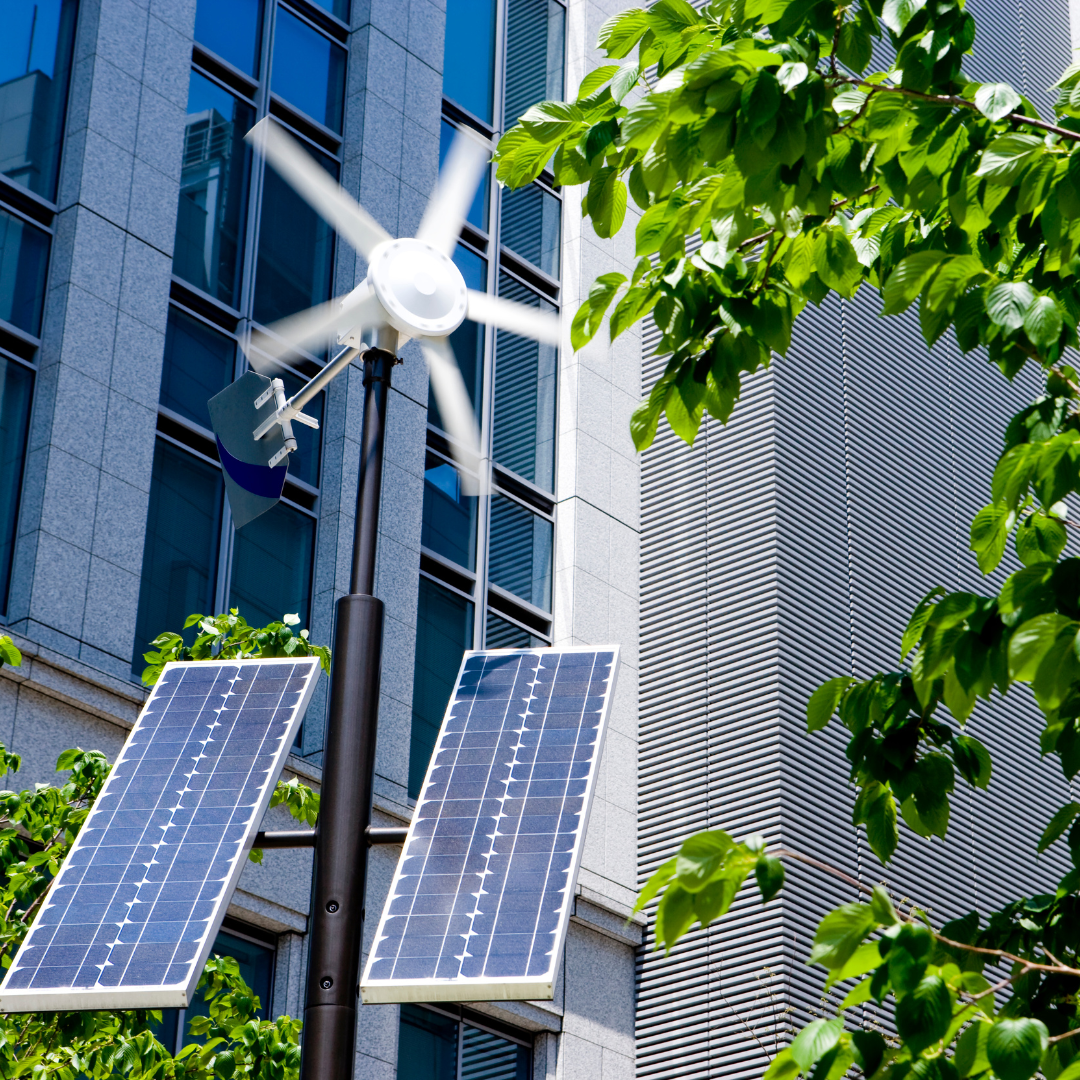
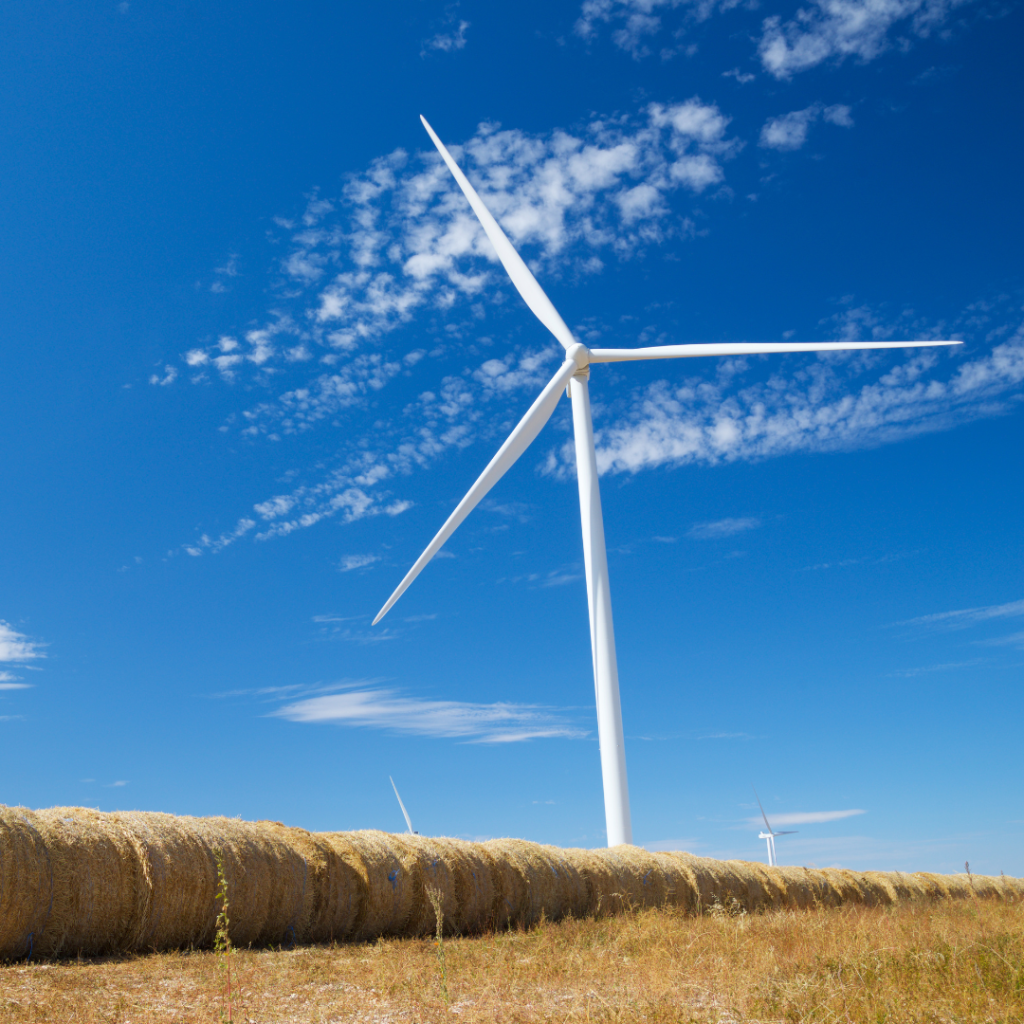
- Technology: The use of new technologies such as solar panels, wind turbines, or fuel cells requires in-depth technical understanding.
- Environment: Renewable energy projects must consider environmental impacts and meet sustainability standards.
- Regulation: Different regions have varying regulations related to the construction and operation of renewable energy projects.
- Finance: Renewable energy projects often require significant investment and diverse funding sources.
Steps in Managing Renewable Energy Projects
- Project Planning:
- Define objectives: Set specific goals for the project, such as generating electricity for self-consumption or selling energy to the grid.
- Feasibility analysis: Conduct technical, financial, and environmental feasibility studies to ensure the project is viable.
- Technical planning: Design a renewable energy system that fits the needs and conditions of the location.
- Schedule planning: Create a realistic project timeline that includes all stages of work.
- Budget planning: Prepare a detailed budget and allocate funds for each activity.
- Procurement:
- Vendor selection: Choose a reliable vendor with experience in the renewable energy field.
- Equipment procurement: Ensure that the equipment purchased is of high quality and matches project specifications.
- Permit procurement: Obtain all necessary permits for construction and operation.
- Implementation:
- Construction: Closely monitor the construction process to ensure work quality.
- Testing: Conduct thorough testing of the system after construction is completed.
- Training: Train personnel who will operate and maintain the system.
- Operation and Maintenance:
- Monitoring: Regularly monitor the system’s performance.
- Maintenance: Perform routine maintenance to ensure system reliability.
- Evaluation: Periodically evaluate the project’s performance and make improvements if needed.
Challenges and Solutions
Managing renewable energy projects comes with its challenges. Some common challenges include:
- New technology: Lack of skilled labor and difficulty in obtaining spare parts.
- Regulation: Rapid changes in regulations and complexity in obtaining permits.
- Finance: High investment costs and limited access to financing.
To overcome these challenges, the following strategies are needed:
- Capacity development: Through training and education.
- Collaboration: Building networks with experts and stakeholders.
- Innovation: Developing creative and efficient solutions.
Managing renewable energy projects is a complex yet highly rewarding task. With careful planning, proper implementation, and continuous monitoring, renewable energy projects can be successfully executed and provide positive contributions to the environment and society.
Source: International Renewable Energy Agency (IRENA): Providing various publications and reports on renewable energy.