
Education and Research

Renewable Energy Policy in the Caribbean: Challenges and Opportunities

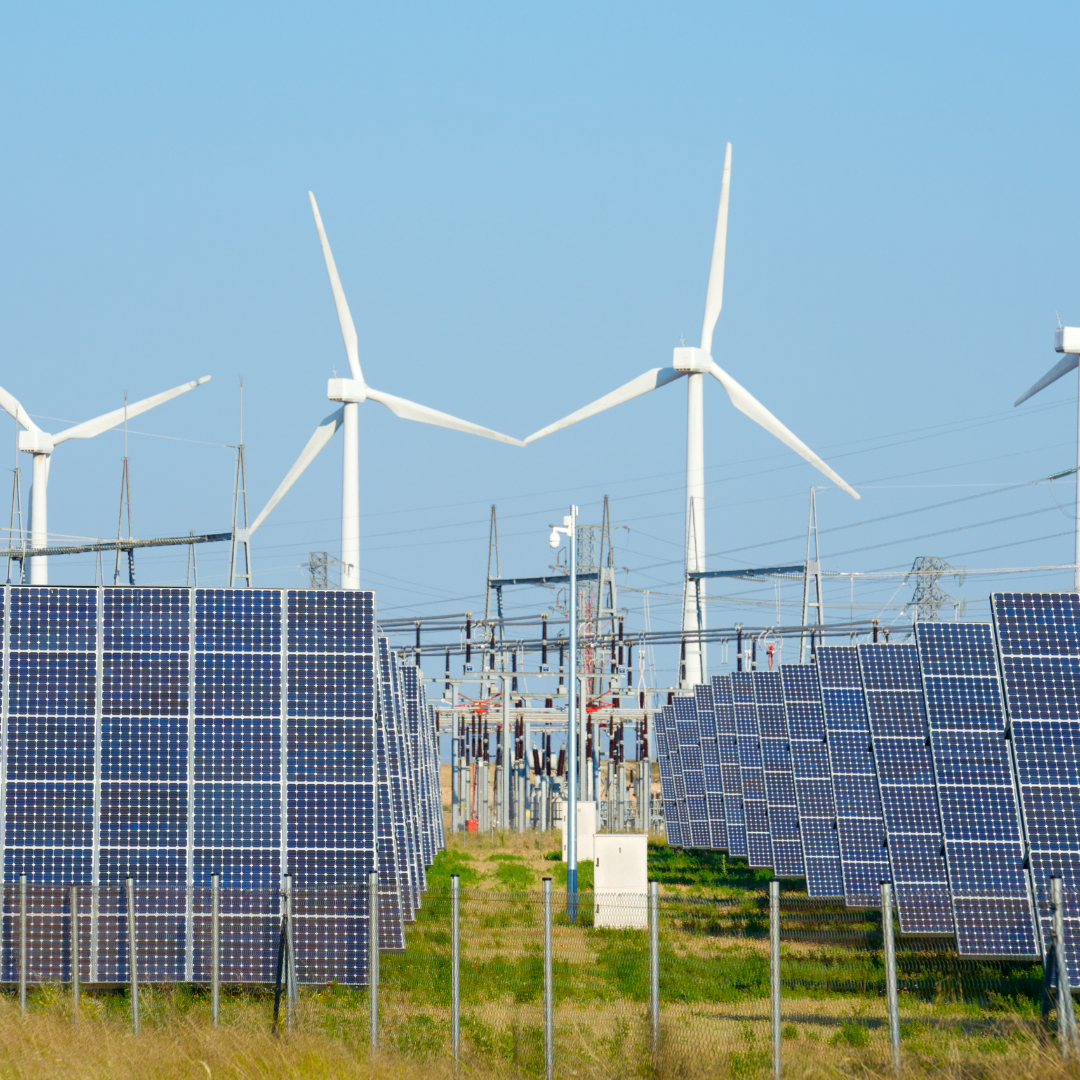
The Caribbean region, with its stunning natural beauty and high dependence on fossil fuels, is undergoing a transformation towards a more sustainable future. Climate change and the limitations of fossil fuel resources are pushing countries in this region to invest in renewable energy. This article will discuss renewable energy policies in the Caribbean, the challenges faced, and the opportunities available. Renewable Energy Potential in the Caribbean The Caribbean has immense potential for renewable energy, especially in the following areas: Renewable Energy Policies at the Regional and National Levels Several Caribbean countries have taken significant steps in developing renewable energy, such as: Challenges in Renewable Energy Development Despite the substantial renewable energy potential in the Caribbean, development still faces several challenges, including: Opportunities and the Future Despite facing challenges, renewable energy development in the Caribbean also presents significant opportunities, such as: Renewable energy policy in the Caribbean is an important step toward a more sustainable future. Although there are still several challenges, the region’s renewable energy potential is vast and can be leveraged to achieve sustainable development goals. Source: International Renewable Energy Agency (IRENA): IRENA provides up-to-date data and analysis on renewable energy developments worldwide, including the Caribbean region.

Protect Your Investment: Risk Management Strategies in Renewable Energy

Why is Risk Management Important? Explain the importance of risk management in investments, particularly in the renewable energy sector, which has unique characteristics (price volatility, weather dependency, dynamic regulations). Link this to the global trend towards clean energy and the significant investment opportunities. Article Objectives Provide an overview of the topics covered in the article, including various types of risks in renewable energy investments and effective mitigation strategies. Article Body Understanding Risks in Renewable Energy Investment Technological Risk Current technology limitations, costs of developing new technology, project failure risk. Market Risk Energy price volatility, demand fluctuations, competition from other energy sources. Policy Risk Regulation changes, government incentives, political support. Environmental Risk Environmental impact of renewable energy projects, natural disasters. Risk Management Strategies In-Depth Risk Analysis Identify, evaluate, and prioritize risks. Investment Diversification Spread investments across different types of renewable energy technologies and geographic locations. Insurance Protect assets and income from unexpected risks. Strategic Partnerships Collaborate with companies with expertise and experience in renewable energy. Regular Monitoring and Evaluation Continuously monitor investment performance and make adjustments as needed. Case Study Successful risk management example in renewable energy projects. Showcase real-life examples of companies or projects that have successfully managed risks and achieved success. Summary of Key Points Reaffirm the importance of risk management in renewable energy investments. Sources: Research reports from institutions such as the International Renewable Energy Agency (IRENA), World Bank, or other leading energy research organizations.

Successful Renewable Energy Projects That Are Changing the World

The transition to clean energy is becoming increasingly urgent. Various countries around the world have demonstrated their commitment by launching innovative and successful renewable energy projects. Renewable energy sources such as solar, wind, water, and biomass offer sustainable solutions to meet the growing global energy demand. Successful renewable energy projects not only generate clean energy but also have positive impacts on the economy, the environment, and society. Examples of Successful Renewable Energy Projects Key Factors for the Success of Renewable Energy Projects Challenges and Opportunities in the Future Although significant progress has been made, there are still many challenges to overcome in the development of renewable energy. These challenges include fluctuations in energy production, integration into existing power grids, and high investment costs. However, the future holds immense opportunities. The growing global demand for clean energy, declining technology costs, and increasing awareness of the importance of sustainability will drive the continued growth of the renewable energy sector. Source: IRENA – International Renewable Energy Agency (www.irena.org)

Renewable Energy in the Context of Electric Mobility: Toward a Greener Future

Climate change and the limitations of fossil resources have driven the world to seek cleaner and more sustainable energy alternatives. One sector that has undergone significant transformation is the transportation sector. Electric mobility, powered by renewable energy, has emerged as a promising solution to reduce greenhouse gas emissions and improve air quality. What is Electric Mobility? Electric mobility refers to the use of electric vehicles powered by batteries. Electric vehicles no longer rely on fossil fuels, thus reducing the exhaust emissions that are the primary cause of air pollution and climate change. The Role of Renewable Energy in Electric Mobility Renewable energy, such as solar, wind, and hydroelectric power, plays a crucial role in supporting electric mobility. Here are some reasons why: Challenges and Opportunities Although electric mobility offers many benefits, there are still several challenges that need to be addressed, such as: However, alongside these challenges, there are numerous opportunities: Electric mobility powered by renewable energy represents the future of cleaner and more sustainable transportation. By continuing to develop technology, improve infrastructure, and raise public awareness, we can achieve a transition to a more environmentally friendly transportation system. Source : https://metiires.or.id/pengembangan-mobilitas-et/bergerak-menuju-masa-depan-berkelanjutan-pentingnya-mobilitas-dengan-energi-terbarukan/

Wastewater Treatment Technology for Energy: A Greener Future

Why Can Wastewater Become Energy? Wastewater contains large amounts of organic matter that can be broken down by microorganisms. This decomposition process produces methane gas, which is the main component of biogas. Biogas can be harnessed as a fuel to generate electricity or heat. The Process of Turning Wastewater into Energy In general, the process of converting wastewater into energy involves several stages: Supporting Technologies Several technologies play a key role in the conversion of wastewater into energy, including: Benefits of Wastewater-to-Energy Treatment Challenges and the Future Despite its great potential, wastewater-to-energy technology still faces some challenges, such as high initial investment costs, suboptimal efficiency, and limitations in scaling up. However, with ongoing research and development, it is expected that this technology will continue to advance and make a significant contribution to addressing energy and environmental issues. Sumber : https://www.esdm.go.id/id/media-center/arsip-berita/pengolahan-limbah-menjadi-sumber-energi

Carbon Emission Reduction Strategies: Concrete Steps Toward a Greener Future

What are Carbon Emissions? Carbon emissions refer to the release of carbon dioxide (CO2) gas into the atmosphere. This CO2 acts as a blanket that traps the sun’s heat in the atmosphere, causing the Earth’s temperature to rise. Why is Reducing Carbon Emissions Important? Reducing carbon emissions is crucial for: Carbon Emission Reduction Strategies There are many ways to reduce carbon emissions, both on an individual and industrial scale. Here are some strategies that can be implemented: What Can You Do? Sumber : Kementerian Lingkungan Hidup dan Kehutanan Republik Indonesia

Government Initiatives Towards Clean Energy: A Step Forward for Indonesia

The increasingly urgent climate crisis has driven various countries, including Indonesia, to shift towards cleaner and more sustainable energy sources. The Indonesian government has taken several significant steps to promote this energy transition. This article reviews some of the key initiatives that the government has undertaken and is currently pursuing to create a greener energy future. State-Owned Enterprises (SOEs) as Pioneers Supporting Government Policies Flagship Programs Challenges and OpportunitiesAlthough significant progress has been made, there are still several challenges to overcome, such as limited infrastructure, high investment costs, and a shortage of skilled human resources. On the other hand, the energy transition also opens up enormous business opportunities for the private sector. The government’s efforts to promote the transition to cleaner and more sustainable energy sources are crucial steps in addressing climate change and achieving sustainable development goals. With support from all stakeholders, Indonesia has significant potential to become a leader in the energy transition in Southeast Asia. Sumber : Kementerian Energi dan Sumber Daya Mineral (ESDM)

Renewable Energy: Investment for Future Generations

Climate Change and the Urgency of Clean Energy Climate change has become a real threat to life on Earth. Rising global temperatures, extreme weather events, and rising sea levels are just some of the impacts we are already experiencing. One of the main causes of climate change is greenhouse gas emissions from the burning of fossil fuels. To address this issue, the transition to clean energy has become increasingly urgent. Renewable energy, such as solar, wind, water, and biomass, offers a sustainable solution. Not only is renewable energy environmentally friendly, but it also has the potential to create new jobs and drive economic growth. Why Investing in Renewable Energy is So Important? Renewable Energy Potential in Indonesia Indonesia has enormous renewable energy potential, including solar, wind, water, geothermal, and biomass. Several regions in Indonesia, such as East Nusa Tenggara and South Sulawesi, have high wind energy potential. Meanwhile, Java and Bali have significant solar energy potential. Challenges and Solutions Despite the vast renewable energy potential in Indonesia, there are still several challenges to overcome, including: To address these challenges, collaboration between the government, private sector, and the public is necessary. The government can provide support through policies that encourage renewable energy development, while the private sector can play a role as investors and project developers. The public can also contribute by adopting renewable energy in their homes. Investing in renewable energy is an investment in a better future. By harnessing its renewable energy potential, Indonesia can contribute to global efforts to combat climate change and build a more sustainable future. Source: Research reports from universities and research institutions: Latest findings on renewable energy technologies and potential. Sumber : Laporan-laporan penelitian dari universitas dan lembaga penelitian: Temuan-temuan terbaru mengenai teknologi dan potensi energi terbarukan.

The Role of Social Media in Motivating Students to Exercise

Social media has become an integral part of teenagers’ lives today. Platforms such as Instagram, TikTok, and YouTube are not only used for socializing but can also be effective tools to motivate students to be more active in exercising. This article will discuss how social media can be utilized to increase students’ interest and participation in physical activities. Introduction In the digital era, social media has changed how we communicate and interact. These platforms are not only used to share information and entertainment but can also serve as powerful tools to influence individual behavior, including in terms of a healthy lifestyle. One important aspect of a healthy lifestyle is physical activity. The Role of Social Media in Motivating Students Positive Impact of Social Media on Students’ Physical Activity Challenges and Considerations Social media has great potential to motivate students to be more active in exercising. However, it is essential for students to use social media wisely and critically. With proper guidance, social media can become an effective tool to promote a healthy lifestyle among students. Source: UMMI Journal: The Role of Social Media in Spreading King of Sparko’s Message on the Importance of Exercising (https://jurnal.ummi.ac.id/index.php/JSU/article/download/2736/1202/7962)

Leadership Skills Through Sports: Building the Character of a Champion

Sports are not merely physical activities; they are also an effective platform for developing various skills, including leadership. In the world of sports, we often witness how professional athletes can inspire their teams, make decisions under pressure, and achieve remarkable accomplishments. So, how does sports shape leadership skills? Let’s delve further. Why Can Sports Shape Leaders? What Leadership Skills Can Be Acquired from Sports? Applying Leadership Skills in Everyday Life The leadership skills gained from sports can be applied in various aspects of life, such as in school, the workplace, and within the community. Some examples of application include: Sports are not just physical activities; they are also a highly effective school of leadership. Through sports, individuals can develop various skills needed to become successful leaders. Therefore, sports can be a valuable avenue to shape the character of the younger generation. Source: Gould, D., & Voelker, R. (2012). Beyond the game: Sport and character development. Human Kinetics.

Scroll to top