
Utilizing Solar Power in Vertical Farming: Towards Sustainable Urban Agriculture
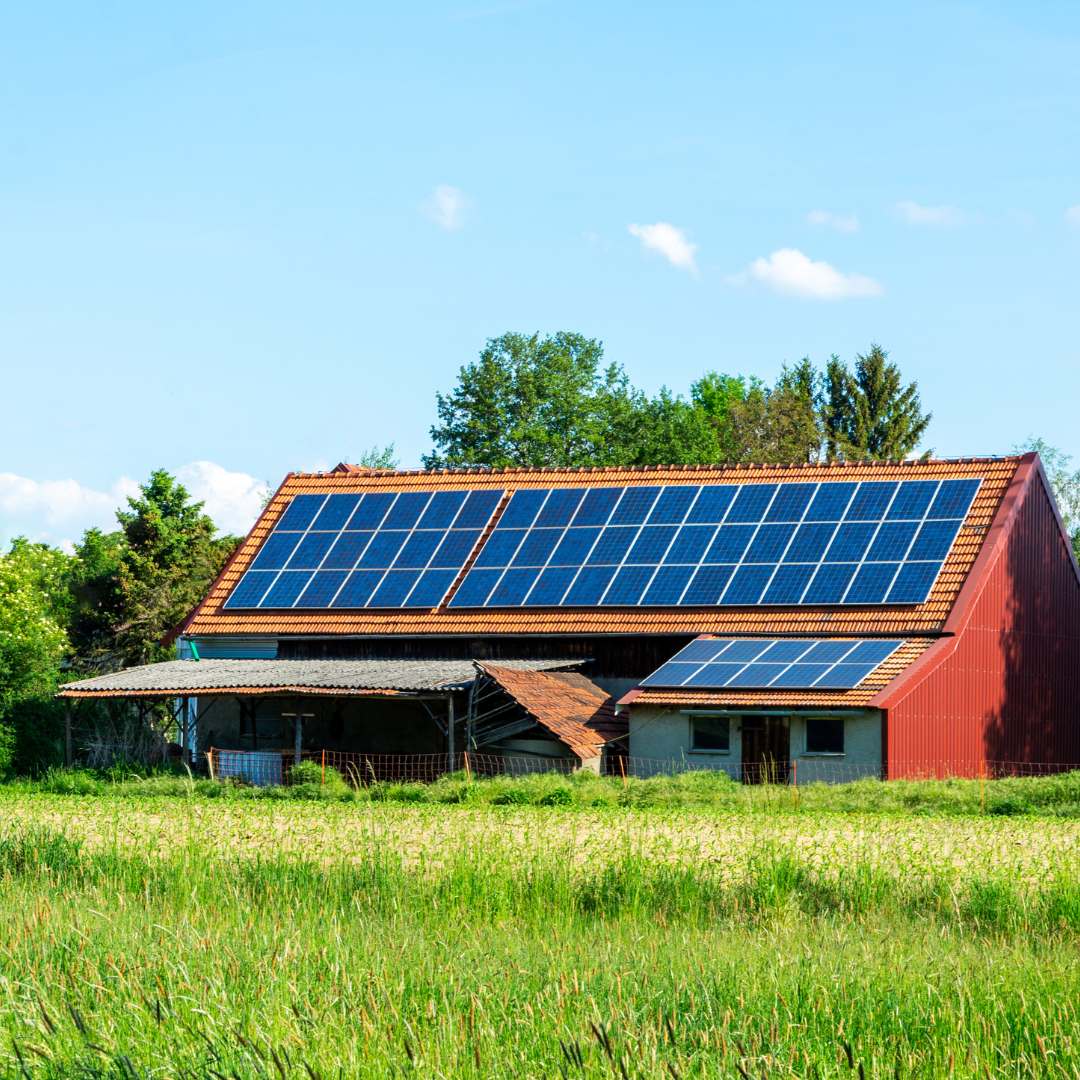
Vertical farming, as an innovative solution to land limitations, is gaining popularity in urban areas. However, to achieve optimal efficiency, a sustainable energy source is required. One promising option is the utilization of solar power.
Why is Solar Power Ideal for Vertical Farming?
- Availability: The sun is an abundant and free source of energy.
- Sustainability: Solar power does not produce greenhouse gas emissions.
- Efficiency: Solar panels can be integrated with vertical farming systems, maximizing space utilization.
- Low Operating Costs: After the initial investment in solar panel installation, operational costs are very low.
Applications of Solar Power in Vertical Farming
- Electricity Generation:
- Water Pumps: Solar power can operate water pumps for hydroponic or aeroponic systems.
- Supplemental Lighting: Solar-powered LED lights can provide additional light for plants that require high light intensity.
- Control Systems: Solar-powered sensors and actuators can be used to regulate temperature, humidity, and nutrients in vertical farming systems.
- Water Heating:
- Warm water generated by solar panels can be used to maintain optimal temperatures in hydroponic systems, especially in cooler climates.
- Cooling:
- Solar-powered evaporative cooling systems can help lower the temperature inside cultivation rooms.
Benefits of Solar Power Utilization
- Reduced Dependency on the Grid: Vertical farms can operate independently, even in areas that are not connected to the electricity grid.
- Reduced Carbon Emissions: The use of solar power contributes to the reduction of greenhouse gas emissions.
- Improved Product Quality: With better environmental control, crop quality can be enhanced.
- A Model for Sustainable Agriculture: Solar-powered vertical farming can serve as a model for future farming.
Challenges and Solutions
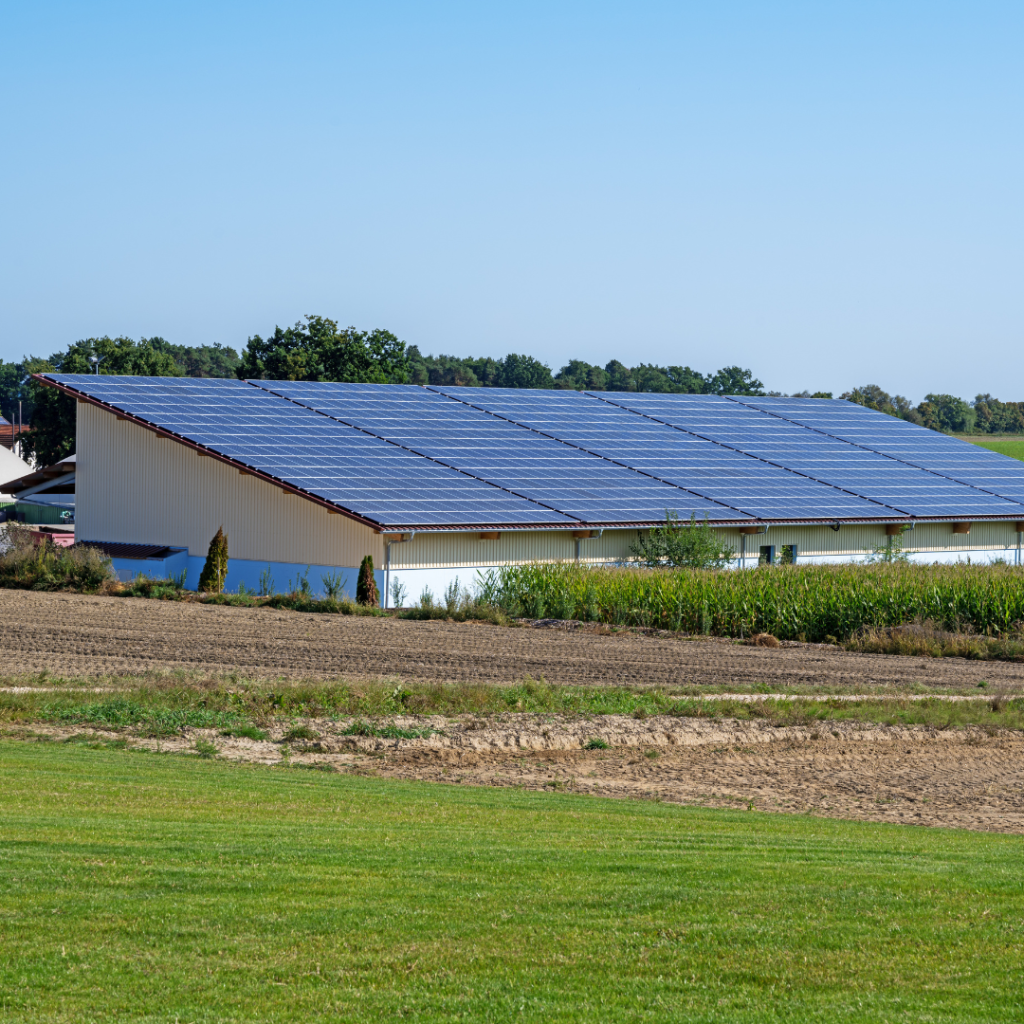
- Initial Investment Costs: Installing solar panels requires a significant initial investment. However, with various incentives and decreasing panel prices, this cost is becoming more affordable.
- Weather Dependence: The performance of solar panels is influenced by weather conditions. To address this, batteries can be used to store energy generated during sunny weather.
The use of solar power in vertical farming is a step forward in achieving sustainable urban agriculture. With the numerous benefits it offers, this technology has great potential to transform the way we grow food in the future.
Source : https://jurnaldianmas.org/index.php/Dianmas/article/download/82/67